

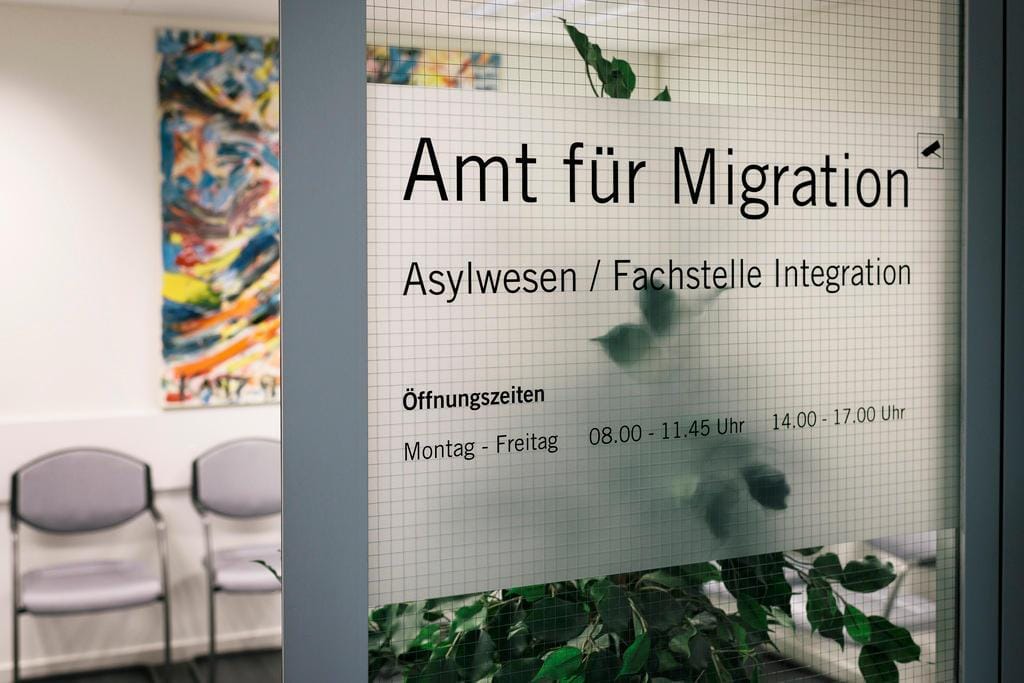
Swiss SEM to Cut 108 Jobs as Asylum Applications Decline.

Switzerland’s State Secretariat for Migration (SEM) has announced plans to reduce its workforce by 108 positions as asylum applications continue to decline across the country. The move reflects changing migration trends and ongoing government efforts to manage public spending efficiently.

According to the SEM, most of the positions being eliminated were temporary roles that were originally created to help process a backlog of asylum applications. With pending cases falling significantly in recent years, the agency says these additional resources are no longer required.

The federal government’s cost-saving measures will also result in the removal of several permanent positions. Officials stated that the reductions will affect different departments within the migration authority and are part of a broader effort to control spending across federal institutions.

Employees affected by the restructuring are expected to receive official notification during June. The planned reductions will take effect at the beginning of 2027. Despite the cuts, the SEM will continue to employ around 1,280 full-time staff members.

The agency had already reduced its workforce by 83 positions at the start of 2026. Authorities explained that staffing levels within the asylum sector are directly linked to the number of applications received each year.

Switzerland recorded fewer asylum applications during 2025, and officials expect application numbers to remain lower throughout 2026 compared with the higher levels seen between 2022 and 2024. As a result, the demand for additional processing staff has decreased.

The SEM also reported strong progress in handling pending asylum cases. By the end of March, unresolved applications had fallen by 45%, leaving approximately 8,600 cases still awaiting decisions. The reduction highlights the agency’s efforts to improve processing efficiency and shorten waiting times.

The latest workforce adjustment signals a significant shift in Switzerland’s migration administration as authorities adapt to lower asylum demand while maintaining essential services and operational efficiency.
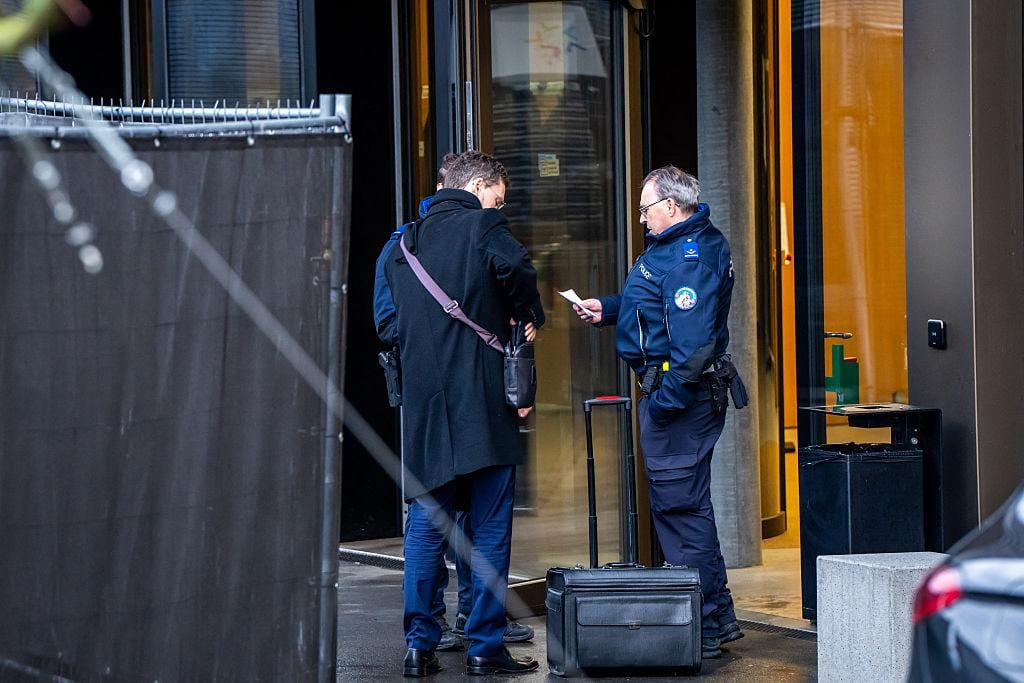
Crans-Montana Fire Case Expands.

Swiss prosecutors have widened their investigation into the deadly Crans-Montana fire after new allegations emerged against one of the owners of Le Constellation bar. Authorities conducted a lengthy confrontation hearing involving the owners as they continue to examine the circumstances surrounding the tragic New Year’s Day blaze that claimed lives and injured several people.

During the hearing, prosecutors informed one of the owners that she now faces an additional forgery allegation linked to documentation concerning polyurethane acoustic foam installed in the venue. Investigators are reviewing records connected to the material that caught fire during the incident. The development marks a significant step in the ongoing criminal investigation.

Lawyers representing victims’ families welcomed the new line of inquiry and questioned the origins, purchase details, and suitability of the foam used inside the establishment. They argued that several important questions remain unanswered and called for complete transparency regarding the materials present in the venue before the tragedy occurred.

The defense team rejected suggestions of wrongdoing and stated that the purchase was legitimate. According to the lawyers, the issue relates to accounting records rather than the cause of the fire itself. They described the allegation as unrelated to the tragic events that unfolded in Crans-Montana.

Prosecutors also examined internal messages exchanged between the owners and employees. Some communications reportedly included warnings about sparkler candles used during celebrations. Investigators are assessing whether those messages demonstrate prior awareness of potential fire risks inside the premises.

Another message reviewed during the hearing concerned an emergency exit reportedly blocked at the venue. The exchange has attracted attention from lawyers representing victims, who believe it could become an important element of the investigation. Defense lawyers maintain that the messages should not be interpreted without proper context.

The Crans-Montana tragedy remains one of the most closely followed legal cases in Switzerland this year. Authorities continue to gather evidence while prosecutors evaluate the responsibilities of all individuals connected to the operation, management, and approval of the establishment.

As the investigation progresses, victims’ families continue to seek answers and accountability. The findings of Swiss prosecutors are expected to play a crucial role in determining whether additional charges or legal actions will follow in the coming months.