Pedestrian Killed in Bicycle Collision Near Winterthur Train Station

A fatal accident occurred near Winterthur train station, where a pedestrian lost his life following a collision in an underground cycling path, according to local police.

The incident took place late Saturday evening at approximately 9:45 PM in a bicycle underpass near the station. Police from Stadtpolizei Winterthur confirmed that the accident involved a 31-year-old cyclist and a pedestrian.

Authorities reported that the collision happened shortly after the pair passed a curve inside the underground passage. The impact caused the pedestrian to fall heavily and sustain severe injuries.

Emergency services were immediately dispatched to the scene and attempted life-saving measures. However, despite rapid medical intervention, the pedestrian was pronounced dead at the location.

Police stated that the identity of the deceased individual has not yet been confirmed. Investigators are currently working to determine the exact circumstances that led to the collision.

The cyclist was reportedly not seriously injured. Authorities have launched a formal investigation into the incident to understand whether visibility, speed, or structural conditions of the underpass contributed to the accident.

This tragic event has renewed public attention on safety concerns in shared bicycle and pedestrian infrastructure in Switzerland, especially in busy urban transport zones.

Helicopter Crash in Ticino Leaves Six Injured, One in Critical Condition

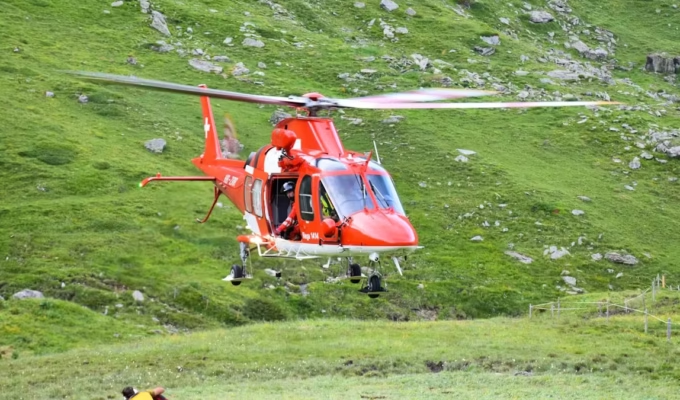
A serious helicopter crash in Ticino has left six people injured, including one person in critical condition, raising concerns over aviation safety in Switzerland.

The incident occurred in Mezzovico-Vira on Monday afternoon shortly after 4:30 PM. According to authorities, the helicopter was attempting to land at a construction site when it suddenly fell from a height of approximately 20 meters.

The aircraft belonged to a private company, and all six people on board, including the pilot, sustained injuries. Local police identified as Kantonspolizei Tessin confirmed that one passenger is in life-threatening condition, while two others suffered moderate injuries. The remaining individuals were treated for minor injuries.

Emergency response teams, including fire services from Lugano and Rivera, the rescue organization Rega, and medical teams from Croce Verde, were quickly deployed to the scene to assist in rescue operations.

Authorities have launched a full investigation into the cause of the crash. The Swiss Transportation Safety Investigation Board, known as SUST, is currently examining the incident alongside federal police officials.

At this stage, the exact reason for the crash remains unknown. Investigators are focusing on technical failure, weather conditions, and landing procedures as possible factors.

This incident has once again raised serious questions about aviation safety standards in Switzerland, particularly in construction and low-altitude flight operations.

Geneva Launches Campaign to Reduce Smoking in Outdoor Cafés.

Authorities in Geneva have launched a new public awareness campaign aimed at reducing secondhand smoke exposure in outdoor areas of cafés and restaurants. The initiative focuses on encouraging responsible behavior rather than imposing strict legal bans.

Under the new campaign, smokers are advised to ask for consent from nearby individuals before lighting a cigarette in shared outdoor spaces. To reinforce this message, reminders will soon be displayed on tables across cafés and restaurants throughout the city.

The initiative has received mixed reactions from the public and business owners. Some restaurant operators believe the approach may be difficult to enforce in real-world situations. Others worry that this soft approach could eventually lead to stricter regulations or even a complete ban on smoking in outdoor dining areas.

At the same time, authorities are reportedly considering a proposal that would fully prohibit smoking during mealtimes. This reflects growing concern over the health risks associated with secondhand smoke and the need to protect public health.

The campaign represents a gradual policy approach, prioritizing awareness and social responsibility. Officials have confirmed that the effectiveness of the initiative will be evaluated in 2027. Based on the results, stricter measures could be introduced if necessary.

This move highlights Switzerland’s ongoing efforts to balance individual freedom with public health concerns, particularly in shared social spaces like cafés and restaurants.

Migrants Essential for Switzerland’s Pension System, Minister Says

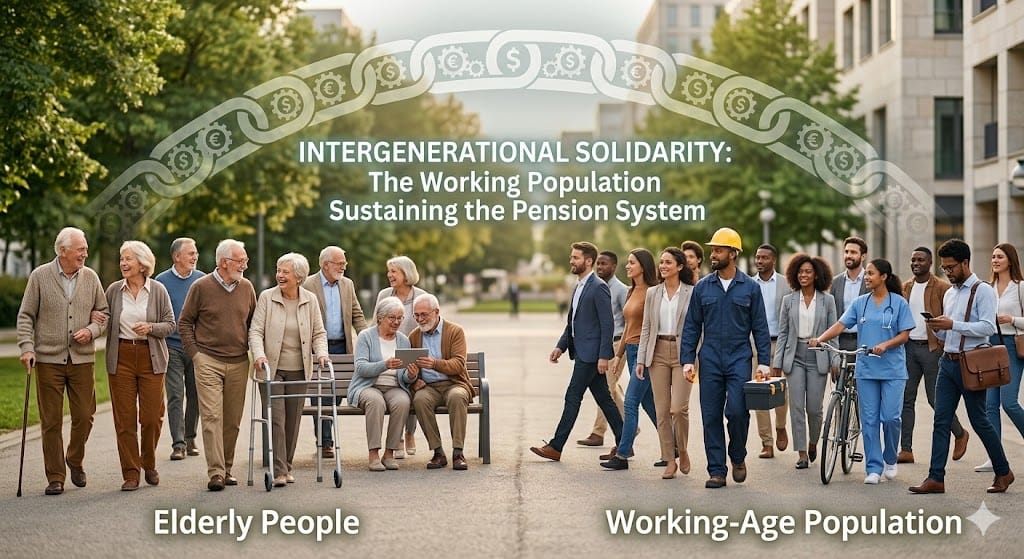
Elisabeth Baume-Schneider has stated that migrant workers play a crucial role in sustaining Switzerland’s public pension system. Speaking in a recent media interview, the minister responsible for social insurance highlighted the importance of immigration in maintaining the financial stability of the country’s pension scheme.

According to Baume-Schneider, many residents in Switzerland receive more in pension benefits than they contribute during their working years. This imbalance makes the contributions of foreign workers essential to keeping the system financially balanced. She emphasized that migrant workers typically pay more into social insurance programs than they withdraw in benefits.

The minister’s remarks come amid ongoing political debate surrounding the “No to 10 million” immigration control initiative. The proposal, supported by Swiss People’s Party, argues that foreign nationals place a burden on Switzerland’s social welfare system.

However, Baume-Schneider strongly rejected this claim. She warned that Switzerland’s aging population is increasing rapidly, and without migrant workers actively participating in the labor market, it would become increasingly difficult to sustain the pension system in the long term.

Switzerland’s AHV Pension System operates on a pay-as-you-go model, where current workers fund the pensions of retirees. In this system, a steady and sufficient workforce is critical to ensure continuous payments. The minister stressed that immigration remains a key factor in maintaining this balance.

This issue has become a central topic in Switzerland’s economic and political discussions, as the country seeks to balance demographic challenges with sustainable social security policies. The outcome of the ongoing debate will significantly influence the future of Switzerland’s pension system and immigration strategy.

Migros CEO Warns Foreign Workers Are Essential for Switzerland’s Economy

The debate over immigration in Switzerland has intensified as the upcoming “No to 10 million” referendum approaches. Amid this discussion, Mario Irminger, CEO of Migros, has issued a strong warning about the critical role of migrant workers in sustaining the country’s economy.

Speaking ahead of the June 14 national vote, Irminger emphasized that Switzerland’s retail and food sectors depend heavily on foreign labor. He stated that migrant workers play a vital role in maintaining current service standards and ensuring a stable supply of goods across the country.

Switzerland is currently facing a significant labor shortage, and foreign workers have become essential in filling workforce gaps. Irminger highlighted that in Micarna, a major meat processing subsidiary, around 60% of employees are foreign nationals. This statistic clearly demonstrates the extent to which key industries rely on international labor.

He further warned that reducing immigration could directly impact service quality and disrupt supply chains. According to Irminger, the Swiss economy will continue to depend on migrant workers not only in the present but also in the future to maintain operational stability.

The “No to 10 million” proposal aims to limit Switzerland’s population growth by tightening immigration policies. While some political and social groups support the initiative due to concerns about rapid population increase, business leaders fear it could worsen labor shortages, particularly in retail and manufacturing sectors.

This issue has now evolved into a major national debate, balancing population control against economic sustainability. The outcome of the upcoming referendum will play a decisive role in shaping Switzerland’s future immigration policy and its economic stability.

Toxic Chemicals Found in Vegetables Sold in Switzerland, Study Reveals

A recent study has revealed alarming findings about vegetables sold in Switzerland, raising serious concerns about food safety and public health. According to a report published by the Swiss consumer magazine K-Tipp, many vegetables available in supermarkets contain harmful chemical substances that could negatively affect human health.

Researchers tested 25 different vegetable samples as part of the investigation. The results showed that 16 of these samples contained detectable levels of PFAS (per- and polyfluoroalkyl substances), a group of toxic chemicals known for their persistence in the environment and the human body. Scientists have already linked PFAS exposure to several long-term health risks, including hormonal disruptions, immune system damage, and increased risk of chronic diseases.

The study identified higher concentrations of PFAS in commonly consumed vegetables such as carrots and potatoes. Meanwhile, cucumbers, lettuce, and tomatoes also contained traces of these harmful chemicals, although at comparatively lower levels. These findings indicate that contamination is widespread across different types of vegetables.

Interestingly, the study found that organic vegetables were less affected by PFAS contamination. For example, organic carrots sold by Coop and Lidl contained nearly half the level of PFAS compared to conventional carrots from Migros and Aldi. This suggests that organic farming practices may help reduce exposure to harmful substances.

Although Switzerland maintains some of the highest food safety standards in the world, these findings have triggered fresh concerns among consumers. Experts are now urging authorities to strengthen monitoring systems and implement stricter regulations to control chemical contamination in food products.

The issue has sparked a broader debate in Switzerland about environmental pollution, food safety, and consumer protection. As awareness grows, consumers are becoming more cautious about their food choices, with many considering organic alternatives to minimize health risks.

Swiss Rent Shock: Moving Homes Could Raise Costs by Up to 50%

A new study reveals that tenants in Switzerland could face sharp rent increases when moving to a new home, with some regions seeing hikes of up to 50%.

According to research by Wüest Partner, rents for new contracts rose by around 17% between 2016 and 2025. In contrast, existing rental agreements increased by only 5% during the same period.

This growing gap means tenants who change homes often pay significantly higher rent than those who stay. As a result, many residents hesitate to move, even when their current housing no longer meets their needs.

The study highlights major regional variations:

  • Geneva: Over 50% higher rents in new contracts
  • Zug: Around 38% increase
  • Zurich: About 20% rise

These differences show how location plays a key role in rental affordability.

Impact on Tenants and Future Risks

The trend creates financial pressure, especially for middle-income households. Many tenants now avoid moving to escape higher costs.

If this situation continues, analysts warn that the rental market could become increasingly imbalanced, making housing less accessible for many people.

Optimus Launches Gemini II: Lighter Swiss Stove With More Power

Switzerland-based outdoor gear company Optimus has launched its next-generation camping stove, Gemini II, delivering more power while reducing weight. The company is part of the Katadyn Group and continues its legacy of designing lightweight expedition cooking systems.

Stronger Performance in a Lighter Design

The new Gemini II improves on the original 2021 Gemini stove by increasing burner output by over 35%. Each burner now delivers up to 4,600 watts of power. Despite the performance upgrade, Optimus has reduced the stove’s weight by a few ounces, making it more portable for outdoor users.

Built for Outdoor Adventures

The Gemini II features a slim, pill-shaped body with two integrated burners and built-in wind protection. It also includes foldable legs that provide stability on uneven surfaces. Users can easily pack the stove into backpacks, bike panniers, or kayak storage compartments.

Dual Burner Cooking Advantage

Unlike ultra-light backpacking stoves, Gemini II allows full meal cooking. It supports two burners, enabling users to cook multiple dishes at the same time. This makes it suitable for camping, motorcycle trips, and lightweight outdoor adventures where real meal preparation is preferred.

Faster Boiling and Better Control

Optimus claims the stove can boil one liter of water in approximately four minutes. Each burner includes precise flame control and a pressure regulation system for consistent performance in different weather conditions.

Award-Winning Innovation

The original Gemini stove won multiple awards, including the ISPO Award in Europe and Outdoor Retailer Innovation Award in the United States, highlighting its design excellence and innovation.

Switzerland Embraces “Slow Travel” Amid Climate Crisis.

The Alpine nation of Switzerland is increasingly shifting towards sustainable and “slow travel” practices as climate change visibly impacts its environment. In the University of Zurich Botanic Garden, experts have observed the severe effects of rising temperatures on long-standing trees. A 170-year-old beech tree is now set to be cut down due to irreversible damage caused by heat stress and fungal infections.

Garden educator Evelin Pfeifer explained that beech trees across Switzerland are suffering from extreme weather conditions, including hot and dry summers. She noted that rising temperatures weaken trees, making them vulnerable to diseases—similar to how a weakened immune system affects humans.

Scientists also report that entire beech forests are declining as climate conditions become less suitable for the species. Researchers highlight that carbon emissions—especially from transport—continue to worsen the climate crisis despite government sustainability efforts.

Some studies suggest introducing tree species from warmer regions like Italy, but experts warn that this is only a partial solution. In response, Switzerland is actively promoting eco-friendly tourism. A group of international journalists recently participated in a one-week “slow travel” journey across Zurich, Interlaken, and Schilthorn.

The program, organized by Switzerland Tourism, showcased destinations that prioritize environmental protection, reduced emissions, and responsible tourism practices. The initiative reflects Switzerland’s broader strategy to balance tourism with environmental protection. Authorities and tourism bodies are encouraging travelers to slow down, stay longer, and reduce their carbon footprint.

Switzerland Evaluates New Air Defence Systems.

The government of Switzerland has started evaluating alternative air defence systems to strengthen national security and modernize its military capabilities.

According to Armasuisse, officials have contacted authorities in Germany, France, Israel, and South Korea. In addition, five major defence manufacturers have also been approached to provide technical and strategic information.

Armasuisse has sent formal “requests for information” to these countries and companies. The evaluation focuses on key factors such as:

  • Delivery timelines
  • Overall costs
  • System performance
  • European production share

Officials have emphasized that local or European production—preferably within Switzerland—would be a major advantage.

This move reflects Switzerland’s effort to reassess its defence strategy amid evolving global security challenges. By comparing multiple systems, the government aims to identify the most effective and reliable solution.

Authorities will review the responses from partner countries and manufacturers before making any procurement decisions. The final choice will depend on operational efficiency, affordability, and long-term strategic value.