Switzerland Chicken Consumption Surge Drives Imports Higher

Chicken consumption in Switzerland has increased significantly over the past few years, reflecting a major shift in dietary habits. Consumers are choosing poultry more frequently, making it one of the most popular meat options in the country.

In 2024, the average per capita chicken consumption reached 15.9 kilograms. This marks a 70% increase compared to the year 2000. While pork consumption has declined and beef remains stable, chicken has gained a dominant position in everyday diets.

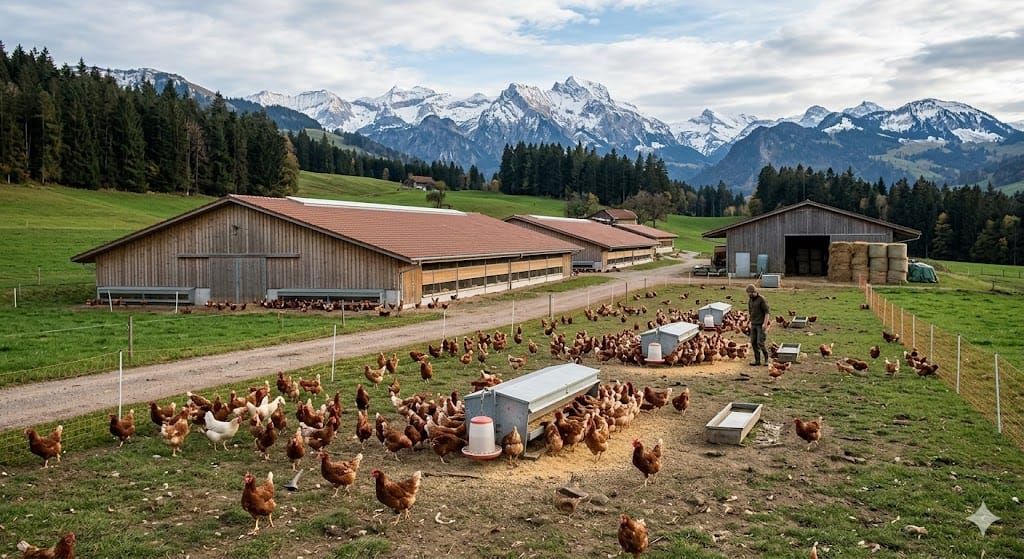
In 2025, more than 82 million chickens were raised for meat production in Switzerland. Despite this large-scale production, domestic supply still falls short of demand. As a result, nearly one-third of chicken meat is imported from countries such as Brazil.

Restaurants and fast-food chains have played a key role in boosting chicken consumption. Chicken-based meals have become increasingly popular, and several international food brands that previously struggled in Switzerland are now succeeding by focusing on poultry offerings.

The growing demand has created new opportunities for local farmers. Many farmers are shifting from dairy production to poultry farming. While dairy farming faces price pressure, poultry farming offers more stable returns and better pricing structures.

This shift indicates a broader transformation in Switzerland’s agricultural sector. Farmers are adapting to changing consumer preferences and market conditions, ensuring a steady supply of poultry products in the future.

The rapid rise in chicken consumption highlights evolving food trends in Switzerland. As demand continues to grow, both imports and local production will play a crucial role in meeting consumer needs.

Switzerland Records Lowest Tax Burden in Europe, Says OECD Report.

Switzerland continues to offer one of the lowest tax burdens in Europe, according to a new report by the Organisation for Economic Co-operation and Development. The findings highlight a major financial advantage for residents despite the country’s high cost of living.

The OECD report, released on April 22, reveals that Switzerland ranks among the lowest-taxed countries within its 38 member nations. Only a few countries, including Colombia, Chile, New Zealand, and Mexico, report lower overall tax contributions.

On average, individuals in Switzerland pay around 22.9% of their income in taxes and social security contributions. This figure stands well below the OECD average of 35.1%, making Switzerland the lowest-tax country in Europe.

Families with children enjoy even greater financial advantages. Tax deductions vary across cantons, but dual-income households with two children see their tax burden drop from 22.9% to approximately 17.1%. Larger families benefit from even higher reductions.

Residents can expect additional tax relief in 2026. Local governments across several cantons have approved tax reductions and adjustments linked to lower inflation. These changes aim to reduce financial pressure on households.

Tax savings vary by region. Residents in Geneva can expect savings of at least 1,000 Swiss francs. In Zurich, St. Gallen, Graubünden, and Ticino, savings range between 500 and 1,200 francs. Areas such as Lucerne, Aargau, and Schwyz also report significant reductions.

Several factors explain Switzerland’s low tax rates. The country maintains a very low unemployment rate, allowing more people to contribute to tax revenue. In addition, Switzerland spends less on social welfare programs compared to countries like Sweden, promoting a system where individuals remain financially independent.

For many residents, including members of the Tamil community living and working in Switzerland, these lower taxes provide financial relief. However, experts advise careful financial planning due to the country’s high living costs.

Switzerland’s low tax structure continues to strengthen its economic appeal. With further tax reductions expected in 2026, residents are likely to experience improved financial stability despite rising living expenses.

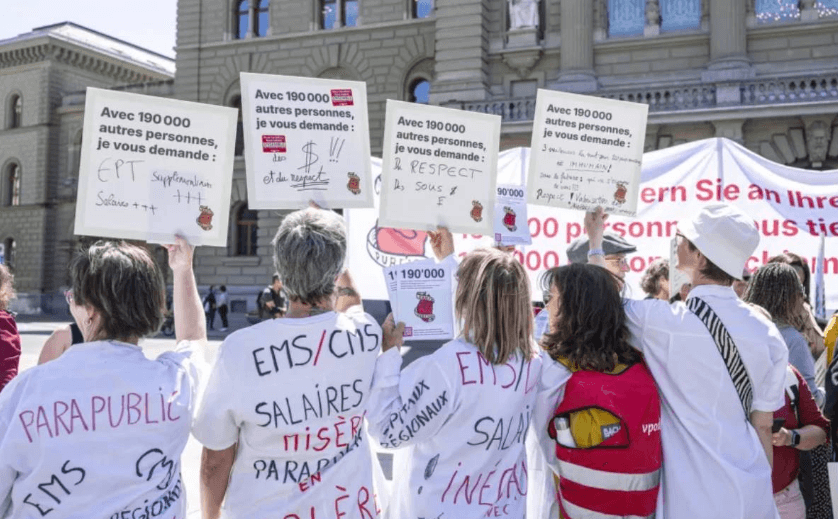
Swiss Government Faces Criticism Over Actions Against Nurses Amid Shortage.

Labor unions in Switzerland have raised concerns over government actions affecting nurses, despite a severe shortage in the healthcare sector. The situation has triggered criticism and growing tension between healthcare workers and authorities.

Switzerland currently faces a shortage of approximately 14,000 nurses. Many hospitals and healthcare facilities struggle to fill vacancies, putting pressure on existing staff and reducing service efficiency.

Nurses have requested a reduction in weekly working hours from 50 to 45 hours. However, the Swiss National Council has rejected this demand. Instead of easing workloads, authorities continue to enforce existing policies, which unions argue worsen working conditions.

The government has also delayed proposals for higher pay on Sundays and public holidays. Officials have indicated that only a 25% increase in pay will apply, disappointing many healthcare workers who expected better compensation.

Labor unions warn that these decisions could deepen the crisis. They argue that failing to support nurses may lead to increased resignations and further shortages in the healthcare system.

The ongoing dispute highlights serious challenges in Switzerland’s healthcare sector. As pressure mounts, the government faces growing calls to take immediate action to support nurses and stabilize the system.

Swiss Voters Show Support for Anti-Immigration Proposal Ahead of Referendum.

Swiss Voters Back Anti-Immigration Proposal

A majority of voters in Switzerland have expressed support for a new anti-immigration proposal introduced by the Swiss People’s Party. The proposal aims to limit the country’s population growth and reduce the impact of migration.

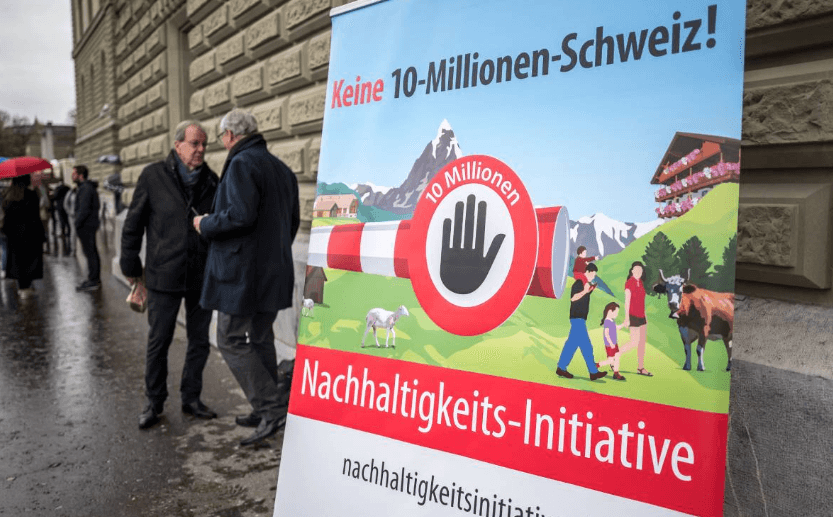
The initiative, titled “No to 10 Million Switzerland,” seeks to prevent the national population from exceeding 10 million. Supporters argue that controlling immigration will help maintain economic stability and protect infrastructure. Authorities have scheduled a nationwide referendum on June 14 to decide the proposal’s future.

Recent opinion polls show that 52% of Swiss voters support the proposal, while 46% oppose it. Only 2% of respondents remain undecided. The survey also highlights that women show slightly higher support for the initiative compared to men.

Supporters believe that rising immigration increases pressure on housing availability, transportation systems, and public services. They argue that limiting population growth will help ease these challenges and improve living conditions.

The proposal has sparked intense debate across Switzerland. While supporters emphasize sustainability and infrastructure concerns, critics warn that strict limits on immigration could affect economic growth and workforce availability.

As the referendum approaches, the outcome will play a key role in shaping Switzerland’s future immigration policy and demographic direction. The vote reflects growing public interest in balancing population growth with national resources.

Man Declares Himself King of Switzerland, Sparks Political Outrage

A man has declared himself the “King” of Switzerland, claiming authority over a private land area measuring approximately 117,000 square meters. The unusual announcement has quickly drawn attention across the country and triggered strong reactions from political leaders.

The individual reportedly marked his privately owned land as an independent kingdom. He claimed sovereign status and attempted to establish symbolic control over the area. While the land legally belongs to him, Swiss law does not recognize any form of monarchy or self-declared sovereignty.

Swiss politicians have openly criticized the move. Officials described the declaration as misleading and potentially harmful to public understanding of national laws. They emphasized that Switzerland operates under a federal democratic system, where no individual can claim royal authority.

Authorities are now reviewing whether the man’s actions violate any legal frameworks. Experts highlight that declaring a kingdom within Switzerland has no legal standing and may lead to consequences if it causes public confusion or administrative issues.

The incident has sparked widespread discussion online and in media circles. Some view the act as symbolic or attention-seeking, while others see it as a serious misuse of legal boundaries. The situation continues to attract public curiosity and debate.

This unusual case highlights the limits of private ownership and the importance of legal structures in modern democracies. Swiss authorities continue to monitor the situation closely as discussions around sovereignty and law gain momentum.

Swiss Parliament Rejects Proposal to Simplify Citizenship Process

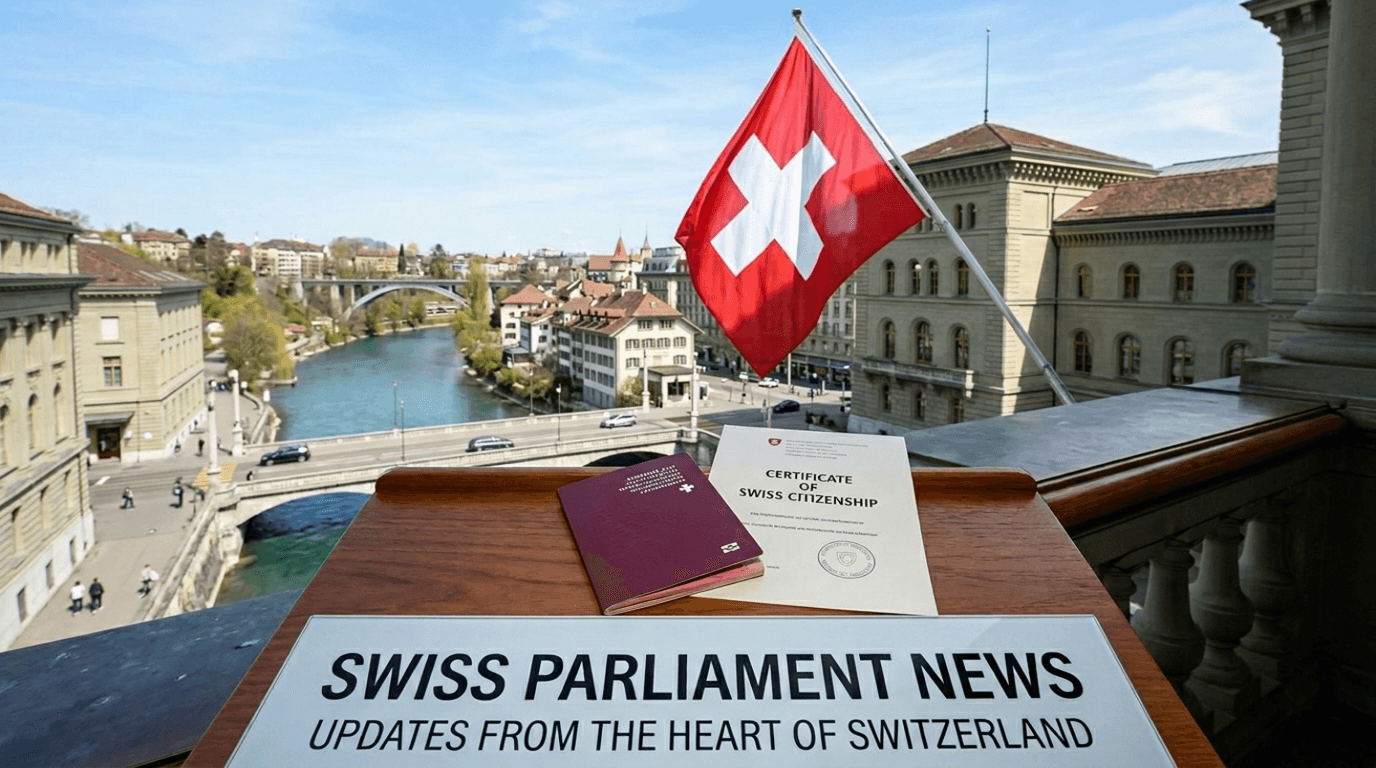
The Swiss House of Representatives has voted against a proposal that aimed to simplify the citizenship process for foreigners living in Switzerland. The proposal was rejected with a two-thirds majority vote in Parliament.

The initiative had been introduced to make naturalisation easier for long-term foreign residents, including families, workers, and students who have been living in Switzerland for many years.

Supporters of the proposal argued that the current process is complicated and time-consuming. They believed that immigrants who are well integrated into Swiss society should receive easier access to Swiss citizenship.

However, a majority of Swiss lawmakers opposed the proposal and decided to keep the existing naturalisation system unchanged. Counter-proposals suggested by minority members of Parliament were also rejected during the voting process.

At present, applicants seeking Swiss citizenship must continue to meet several requirements, including residency duration, language ability, social integration, and a clean legal record.

The decision is expected to be closely followed by immigrant communities across Switzerland, including the Tamil diaspora.

Swiss Court Rules Only Dairy Can Be Called “Milk”

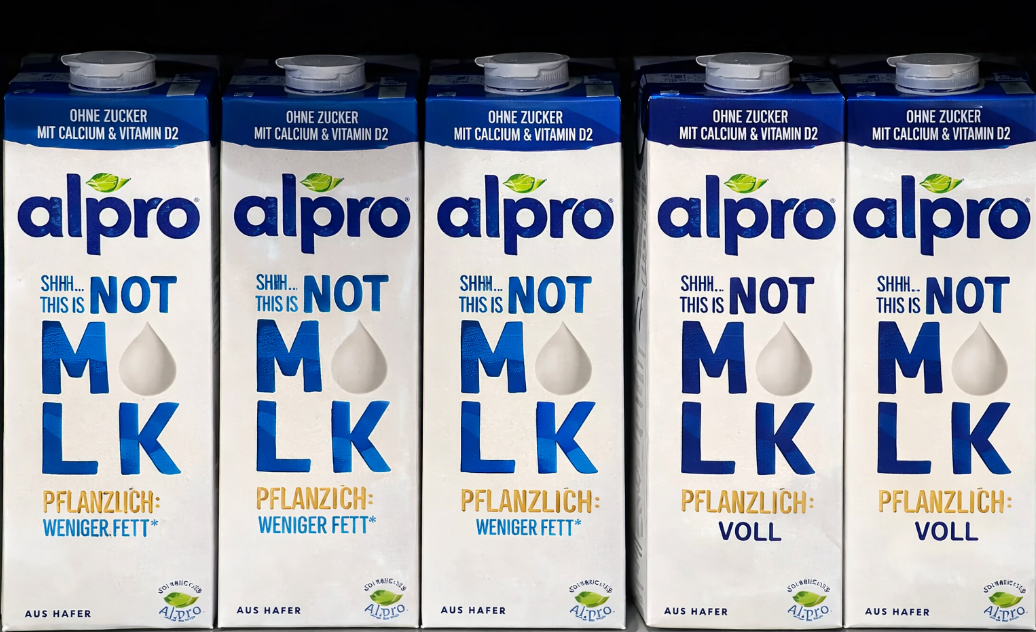
A significant ruling from the Swiss Federal Supreme Court has clarified that the term “milk” may only be used for products derived from an animal’s udder. Plant-based alternatives, including oat, soy, and almond drinks, are now prohibited from displaying the word on packaging—even in negated forms such as “not milk.”

The case focused on an oat-based beverage marketed by Danone under its Alpro brand, sold in supermarkets like Migros and Coop. The packaging featured the tagline “Shhh… this is not milk”, with the letter “i” replaced by a droplet. Swiss authorities, including the cantonal laboratory in Zurich, determined that such labeling could mislead consumers into thinking the product was dairy due to visual cues such as the white-and-blue carton.

Under Swiss food law, plant-based substitutes must be clearly differentiated from animal products. Terms traditionally associated with meat or dairy, such as “salami,” “meatloaf,” or “milk,” are off limits for vegan alternatives. Guidance from the Federal Food Safety and Veterinary Office had already advised that even negated claims could be misleading. The Supreme Court’s decision now makes this binding nationwide, with a majority of four to one ruling against the use of “milk” for plant-based products. One dissenting judge noted that terms like “soy milk” and “almond milk” are widely understood and unlikely to confuse consumers.

Critics argue the decision is out of step with common usage, as plant-based and dairy beverages are often sold side by side and used interchangeably in everyday meals like coffee or muesli. While the ruling strengthens legal clarity, it does not rely on empirical evidence of consumer confusion. A 2024 Swiss study suggested that consumers overwhelmingly recognize plant-based drinks as distinct from dairy products.

The case reflects longstanding structural influences in Swiss law, shaped in part by agricultural and dairy interests seeking to protect traditional product names. However, the Supreme Court applies the law as written, emphasizing strict definitions of dairy-related terminology across the country. This ruling follows a previous judgment banning labels like “planted chicken” for similar reasons.