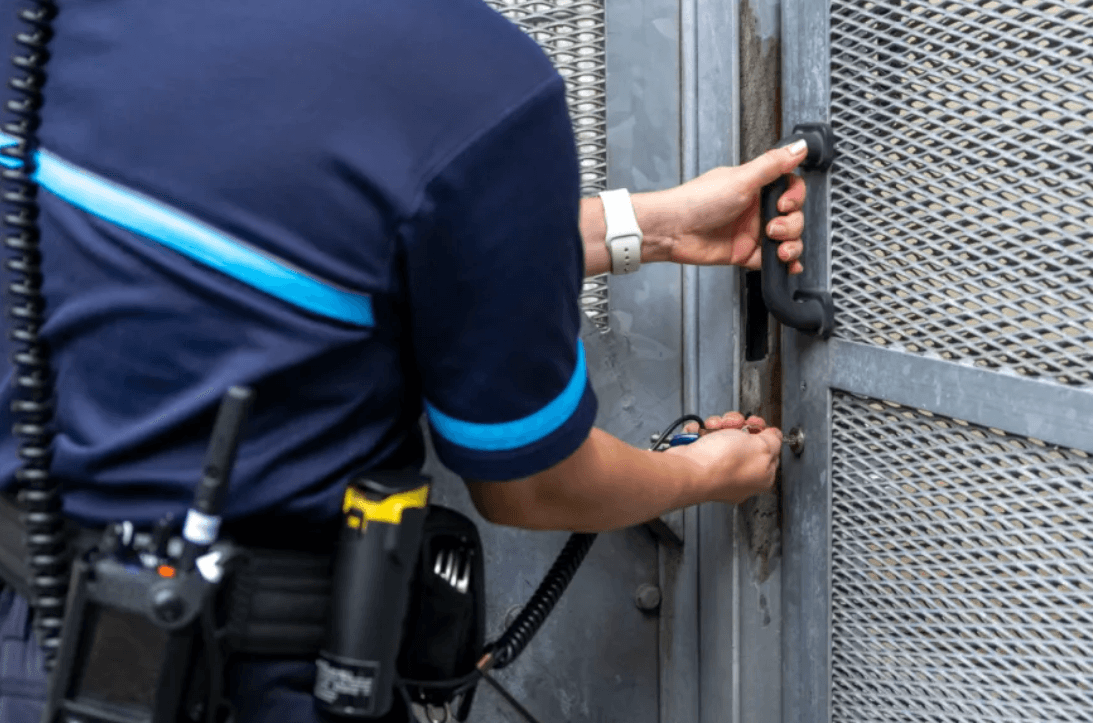
Prison Population in Switzerland Reaches Record High in 2026

Switzerland has recorded its highest-ever prison population at the beginning of 2026, according to newly released figures from the Federal Statistical Office (FSO).

As of January 31, 2026, a total of 7,119 people were being held in Swiss correctional facilities, marking the highest number since official records began. The sharp increase pushed the nationwide prison occupancy rate to 97%, raising concerns about pressure on the country’s detention system.

Among the inmates, around 63% were serving prison sentences or court-ordered measures, while 31% were being held in pretrial detention or for security-related reasons. The remaining 6% were imprisoned under other legal circumstances.

The latest data also revealed that the number of short-term unsuspended prison sentences has dropped to an all-time low, showing a shift in Switzerland’s criminal justice approach toward alternative penalties and legal measures.

According to the Federal Statistical Office, 111,962 adult criminal convictions were entered into the Swiss criminal record system last year. More than half of these convictions were related to road traffic violations.

Legal experts say the growing prison population may increase discussions about prison capacity, rehabilitation programs, and long-term criminal justice reforms in Switzerland.


Axpo Proposes Gas Power Plants to Secure Switzerland Electricity Supply

Axpo, one of Switzerland’s leading electricity producers, has proposed the construction of three to four gas-fired power plants to strengthen the country’s energy security.

According to Axpo Chair Thomas Sieber, Switzerland needs a balanced energy strategy that combines hydropower, renewable energy sources, and flexible gas-fired power plants to ensure a stable electricity supply, especially during winter months.

Sieber explained that gas-fired power plants offer a major advantage because they can be built relatively quickly and provide flexibility to support the national grid during peak demand periods. However, he emphasized that legal adjustments and supportive policies will be required to enable their construction.

At the same time, Switzerland continues to rely heavily on nuclear energy as a key part of its electricity system. The continued operation of existing nuclear power plants is considered essential for maintaining supply stability.

Axpo estimates that nuclear plants in Gösgen Nuclear Power Plant and Leibstadt Nuclear Power Plant could continue operating for up to 80 years with proper maintenance and approvals.

A critical decision regarding the future of the Gösgen nuclear plant must be made by 2029. If no extension is approved, it may be disconnected from the grid as originally planned.

Energy experts say Switzerland is focusing on a long-term strategy that balances renewable energy expansion with reliable backup sources to ensure energy security in the coming decades.

Switzerland Plans Health Insurance Franchise Increase.

Switzerland is currently discussing a new proposal to increase the minimum health insurance franchise amount from CHF 300 to CHF 400.

The proposed change has sparked nationwide attention as healthcare costs continue to rise across the country.

In Switzerland, the franchise system requires individuals to pay a fixed amount of their medical expenses each year before health insurance coverage begins.

At present, the minimum franchise stands at CHF 300. Under the new proposal, the minimum contribution could increase to CHF 400.

Swiss authorities say the planned change aims to encourage people to reduce unnecessary medical visits and healthcare expenses.

Officials believe the increase may help lower pressure on the national healthcare system and reduce overall insurance costs in the long term.

However, the proposal has also raised concerns among residents, especially middle-income families and elderly citizens who already face rising living expenses.

Critics argue that increasing the franchise amount could create additional financial pressure for people who regularly require medical treatment.

Government discussions and public consultations regarding the proposed law are currently ongoing. According to reports, the final decision is expected later this year depending on public response and political support.

The healthcare insurance system remains one of the most important economic and social topics in Switzerland, with many residents closely following any possible changes that may affect their monthly expenses and medical access.

Housing Prices Continue to Rise Across Switzerland in 2026

Housing prices in Switzerland continue to increase steadily in 2026, with major cities such as Zurich, Geneva, and Lausanne experiencing significant price growth in the property market.

According to recent 2026 housing market data, apartment prices across Switzerland have increased by nearly 4% annually, while prices for individual houses have risen by around 3%. Real estate experts say strong demand and limited housing supply continue to push prices higher across the country.

Property demand remains especially high in Zurich and other large urban areas. However, the pace of new housing construction has not matched the growing population and demand, creating pressure on the Swiss housing market.

Several major factors continue to drive the increase in Swiss housing prices. Rising immigration, limited construction of new homes, and low interest rates have contributed to higher demand for residential properties. Switzerland’s reputation as a safe and stable investment destination has also attracted both local and international investors.

Economic experts additionally point to Switzerland’s high salaries and strong employment opportunities as reasons why many foreign workers continue to move to the country. This growing workforce further increases demand for housing in major Swiss cities.

The continued rise in property prices has become an important topic among residents, investors, and policymakers. Many people are now concerned about long-term housing affordability, especially for middle-income families and first-time home buyers in Switzerland.

Cassis Says EU Agreements Are a Strategic Necessity for Switzerland.

Ignazio Cassis has described Switzerland’s relationship with the European Union as a “strategic necessity,” emphasizing the importance of a stable and structured partnership with the EU.

He made the remarks during the general assembly of European Movement Switzerland, where he served as guest of honour on Saturday.

In his speech, Cassis stated that Switzerland’s relationship with the EU goes far beyond technical negotiations and institutional frameworks, calling it a key strategic issue for the country’s future.

He highlighted that Switzerland and its European neighbours are closely connected in areas such as security, economic prosperity, innovation, rule of law, and institutional stability.

Cassis also referred to the recently negotiated package of agreements with Brussels, explaining that it involves mutual concessions from both sides.

He warned that long-term stability in relations with the EU is not guaranteed automatically but must be actively maintained through continuous cooperation.

According to the foreign minister, stable relations with the EU are the result of joint effort and shared responsibility between Switzerland and its European partners.

The speech reflects ongoing Swiss political debate about how the country should manage its relationship with the EU while maintaining sovereignty and economic competitiveness.

Observers say the comments underline the importance Switzerland places on maintaining strong ties with Europe amid global geopolitical and economic uncertainty.

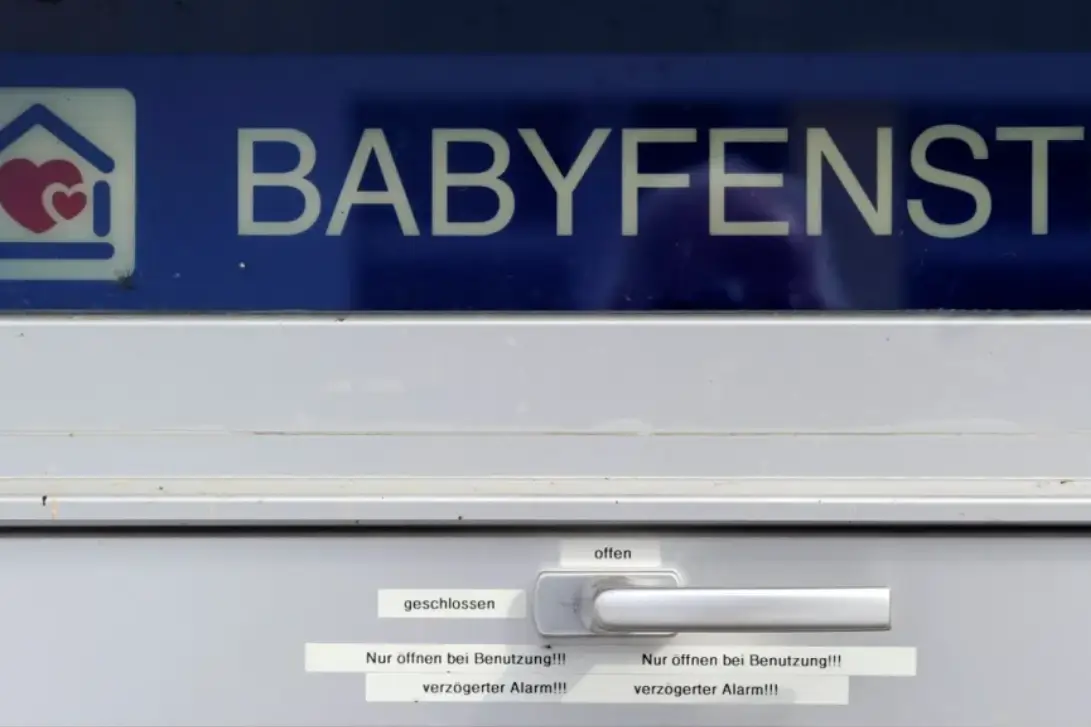
Switzerland Marks 25 Years of Baby Hatches, 31 Newborns Safely Left.

Swiss Organisation for Mother and Child marked the 25th anniversary of Switzerland’s first baby hatch on Saturday, highlighting its long-term impact on child protection and safe anonymous birth options.

The first baby hatch in Canton Schwyz opened at Einsiedeln Hospital on May 9, 2001, following the tragic discovery of two abandoned newborns in 1999 in different parts of Switzerland.

Since its introduction, baby hatches—also known as “baby boxes”—have allowed mothers in extreme distress to safely and anonymously place newborns into medical care.

The system uses a heated cot installed in a hospital wall. Once a baby is placed inside, a silent alarm alerts medical staff within minutes, ensuring immediate care.

Over the past 25 years, 31 newborns have been safely left at eight baby hatch locations across Switzerland.

Hospital staff, including midwives, take responsibility for the newborns immediately after alert activation. The babies are then placed in foster care within days.

Adoption can take place after at least one year, while biological parents retain the right to reclaim their child until legal adoption is completed.

The foundation noted that before the introduction of baby hatches, Switzerland recorded several cases of abandoned or deceased newborns. Between 1997 and 2001, there were 13 such cases.

However, in the last five years (2021–2026), no cases of newborn abandonment or infanticide have been recorded in the country, according to the foundation.

Supporters say baby hatches provide a life-saving alternative in crisis situations, while critics continue to debate legal and ethical implications.

Despite the debate, the system is considered an important part of Switzerland’s child protection framework and has inspired similar initiatives in other countries.

SWISS to Cut Administrative Staff by 10% in Cost-Saving Drive

Swiss International Air Lines (SWISS) has announced plans to reduce its administrative workforce by around 10% as part of expanded cost-saving measures.

SWISS Chief Executive Officer Jens Fehlinger confirmed the decision in an interview published by the Swiss newspaper NZZ am Sonntag.

According to Fehlinger, the airline aims to lower administrative staffing levels without implementing forced redundancies.

Instead, SWISS plans to achieve the reduction through voluntary departures and incentive-based programmes designed to encourage employees to temporarily or permanently leave their positions.

The airline is reportedly offering financial incentives similar to measures previously introduced for cabin crew members.

Under the new programme, administrative staff who choose unpaid leave could receive compensation worth up to 20% of the base salary savings generated by their absence.

The move comes as airlines across Europe continue adjusting operational costs amid changing travel demand, rising competition, and economic pressures within the aviation sector.

SWISS has already introduced several efficiency measures in recent months to strengthen long-term financial stability while maintaining flight operations and customer services.

Industry analysts say many airlines are increasingly focusing on reducing back-office expenses and streamlining administration rather than cutting frontline operational staff.

Despite the planned reduction, SWISS stated that it remains committed to avoiding compulsory job cuts and maintaining a stable working environment for employees.

The airline continues to play a major role in Switzerland’s aviation industry and international connectivity.

Zurich Hospital CEO Praises Whistleblower in Heart Surgery Scandal.

University Hospital Zurich CEO Monika Jänicke has publicly thanked the whistleblower who exposed serious irregularities within the hospital’s heart surgery clinic.

In an interview with SonntagsZeitung, Jänicke praised the former heart surgeon who first raised concerns about patient safety and unusual practices at the clinic.

She stated that the whistleblower’s actions “deserve all our respect” because he repeatedly brought attention to the alleged problems despite facing professional consequences.

The whistleblower reportedly lost his job after exposing the irregularities, although Jänicke declined to comment directly on his dismissal, noting that it happened before she became CEO in 2023.

The scandal emerged after an independent administrative investigation uncovered serious failures in the hospital’s cardiac surgery department between 2016 and 2020.

Investigators found that the clinic recorded between 68 and 74 more patient deaths than statistically expected during approximately 4,500 heart surgeries performed over the four-year period.

At the centre of the controversy is Francesco Maisano, who led the clinic during that time before leaving the hospital in 2020.

The investigation highlighted concerns surrounding the use of the Cardioband device, a heart valve implant developed by a company in which Maisano reportedly held financial interests.

Officials are examining whether the use of the device may have contributed to the unusually high mortality rate identified in the report.

Jänicke said discussions regarding compensation for victims and affected families are still premature but acknowledged that the issue could become part of future legal and administrative proceedings.

The scandal has sparked major public debate in Switzerland regarding patient safety, hospital oversight, medical ethics, and transparency in healthcare institutions.

University Hospital Zurich has since introduced stricter compliance systems and governance reforms aimed at preventing similar incidents in the future.

Zurich Hospital CEO Praises Whistleblower in Heart Surgery Scandal

University Hospital Zurich CEO Monika Jänicke has publicly thanked the whistleblower who exposed serious irregularities within the hospital’s heart surgery clinic.

In an interview published by SonntagsZeitung, Jänicke praised the former heart surgeon who first raised concerns about patient safety and alleged misconduct at the clinic.

She stated that the whistleblower deserved “respect” for bringing attention to the problems and repeatedly pushing for investigations into the controversial practices.

The case centers around major failures uncovered at the hospital’s cardiac surgery department between 2016 and 2020.

An independent investigation found that the clinic recorded an unusually high mortality rate during that period, with an estimated 68 to 74 additional deaths above statistically expected levels among approximately 4,500 surgeries.

Jänicke declined to directly comment on the dismissal of the whistleblower, noting that the events occurred before she became CEO in 2023.

However, she confirmed that questions regarding possible compensation and accountability will form part of the hospital’s ongoing review process.

The scandal has largely focused on Francesco Maisano, the former head of the Zurich heart surgery clinic who left the hospital in 2020.

Investigators examined the use of the controversial Cardioband device, which was developed by a company in which Maisano reportedly held financial interests.

Authorities are currently investigating whether the use of the device contributed to the excess number of patient deaths identified in the report.

The scandal has triggered widespread debate in Switzerland over medical oversight, hospital governance, patient safety, and whistleblower protection within the healthcare system.

University Hospital Zurich stated that reforms have since been introduced to strengthen compliance measures, improve transparency, and restore trust in the hospital’s cardiac surgery department.

Hantavirus Case Confirmed in Switzerland After Luxury Cruise Outbreak

Hantavirus infection has now been confirmed in Switzerland after a Swiss passenger who travelled on the luxury cruise ship MV Hondius tested positive for the virus.

The passenger had been travelling on the expedition cruise from Argentina toward Cape Verde when several passengers and crew members reportedly became infected.

Authorities confirmed that three people connected to the outbreak have already died, raising international concern over the rare virus outbreak aboard the vessel.

After returning to Switzerland, the Swiss passenger developed symptoms and later tested positive for hantavirus following medical examinations.

The patient is currently receiving treatment at University Hospital Zurich, where he was immediately isolated as a precautionary measure.

Officials also confirmed that the patient’s wife has voluntarily entered self-isolation, although she has not shown symptoms of the virus.According to Swiss health authorities, the current risk to the public remains low, and there is no immediate danger to the Swiss population.

Health experts explained that hantavirus infections are relatively rare in Switzerland and are most commonly linked to exposure abroad.

The outbreak aboard the MV Hondius has attracted international attention after multiple passengers from different countries became infected during the long expedition cruise.

Authorities continue to monitor the situation closely while investigations into the spread of the virus remain ongoing.