USZ CEO Praises Heart Surgery Whistleblower.

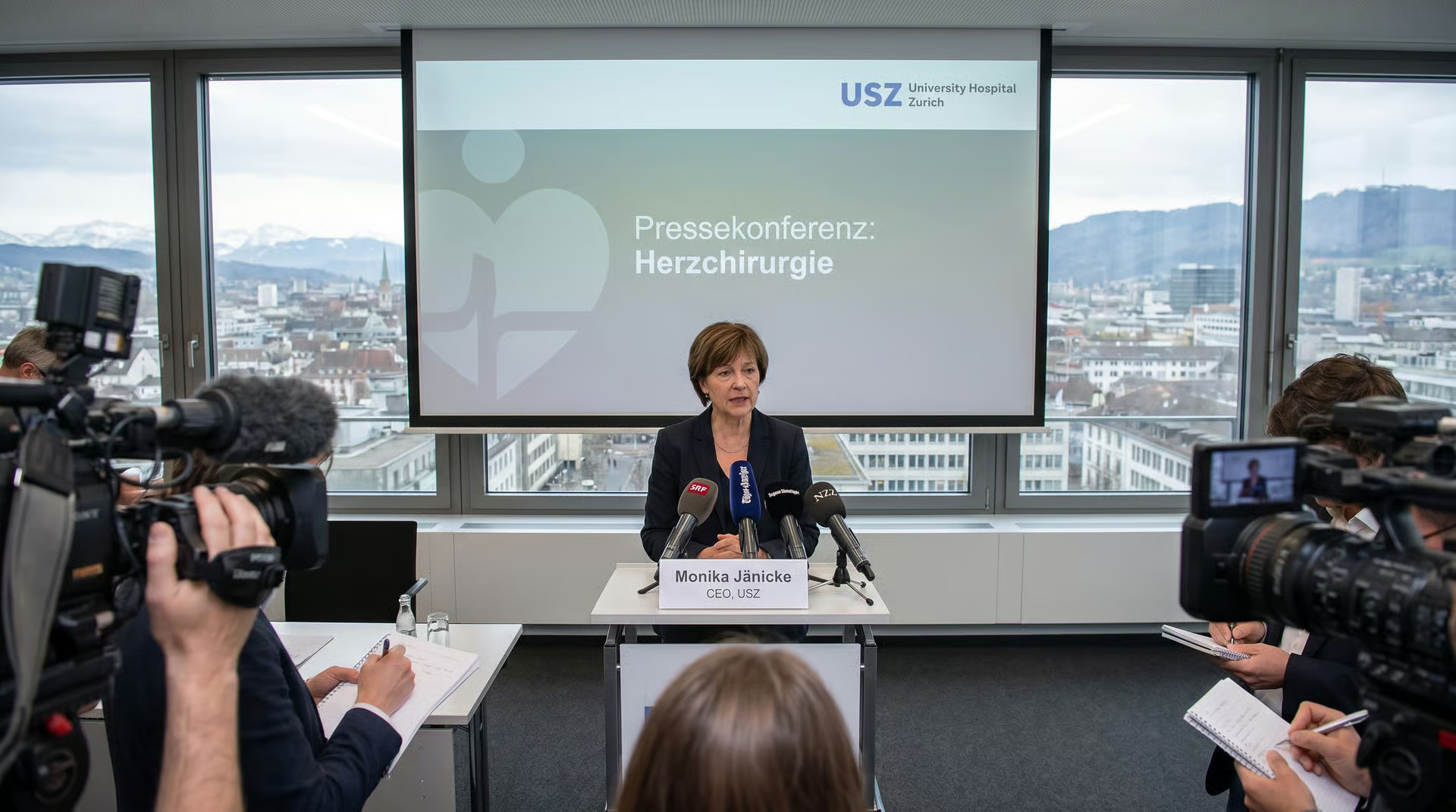
Switzerland’s medical sector is facing renewed attention after the CEO of University Hospital Zurich publicly praised a whistleblower who exposed serious irregularities in its heart surgery department.

CEO Monika Jänicke stated that the former surgeon who raised concerns deserves “all our respect,” marking a major shift in tone from earlier institutional responses. The whistleblower, who was previously dismissed from the hospital, had reported concerns about surgical practices and patient safety within the cardiology unit.

The case has drawn widespread public and medical attention after investigations revealed significant concerns about outcomes in the heart surgery clinic. An internal review reportedly identified excess deaths during a specific operational period, raising questions about surgical oversight, patient safety systems, and clinical governance.

According to the findings, the hospital experienced a higher-than-expected mortality rate in heart surgeries between 2016 and 2020. This triggered debates within Switzerland’s healthcare system about accountability, transparency, and how hospitals handle internal complaints from medical professionals.


Switzerland Launches Nationwide Campaign Against Invasive Japanese Beetle

Federal Office for Agriculture has launched a nationwide awareness campaign to stop the spread of the invasive Japanese Beetle, a destructive pest threatening Switzerland’s environment, agriculture, and biodiversity.

Swiss authorities are urging travelers returning from Ticino, parts of Valais and Graubünden, as well as northern regions of Italy, to carefully inspect vehicles, luggage, and equipment for the beetles before entering other parts of the country.

Experts warn that the Japanese beetle poses a major threat to more than 400 plant species. The invasive insect damages crops, flowers, fruit trees, lawns, and grasslands by attacking both leaves and root systems. Swiss agricultural officials say the pest could seriously impact farming and dairy production if it spreads further across the country.

The entire canton of Ticino has already been classified as an infested area. Authorities also detected infestations in parts of Valais, Graubünden, and even major northern cities such as Basel and Zurich during 2025.

Scientists say the beetles spread rapidly by attaching themselves to vehicles, freight shipments, and travel luggage, allowing them to move much faster than through natural migration alone.

Swiss authorities have now shifted their strategy from eradication to containment in heavily affected southern regions. Monitoring systems, insect traps, and inspection campaigns are being expanded to slow the beetle’s spread north of the Alps.

The Federal Office for Agriculture is asking the public to immediately report any suspected sightings to cantonal plant protection services. Travelers are also advised to capture and safely dispose of the insects if found.

Environmental experts say public cooperation will play a crucial role in protecting Switzerland’s ecosystems, agriculture, and green landscapes from one of Europe’s fastest-growing invasive species threats.

Switzerland Voters Divided Over Proposal to Limit Population to 10 Million

A new opinion poll shows voters in Switzerland are evenly divided over a proposed referendum that aims to limit the country’s population to 10 million people before 2050.

The initiative, supported by the Swiss People’s Party (SVP), will go to a national vote on June 14. The proposal calls for stricter immigration controls and suggests Switzerland should end its freedom of movement agreement with the European Union if the population limit is exceeded.

According to a survey conducted by polling company GfS Bern for Swiss public broadcaster SRG, 47% of respondents support the proposal, while another 47% oppose it. The remaining participants said they were undecided. The poll included nearly 20,000 respondents and had a margin of error of plus or minus 2.8 percentage points.

Supporters of the proposal argue that rapid population growth is placing pressure on housing, transportation, healthcare, and public infrastructure across Switzerland. Concerns about overcrowding and rising living costs have increased public debate on immigration and urban development.

However, the Swiss government opposes the initiative and warns that ending free movement agreements with the European Union could harm Switzerland’s economy, labour market, and international cooperation. Business groups also fear that stricter immigration rules may create worker shortages and reduce economic growth.

Switzerland’s population recently surpassed 9 million people, and official statistics show that foreign nationals accounted for more than 27% of the country’s population in 2024.

Switzerland Joins International Coalition to Return Ukrainian Children

Switzerland has officially joined the international coalition working to return Ukrainian children allegedly deported or forcibly relocated by Russia during the ongoing war in Ukraine.

Swiss authorities confirmed that the country has formally informed Ukraine and Canada about its decision to become a full member of the coalition. Until now, Switzerland had participated only as an observer in coalition meetings.

The international coalition was created by Canada and Ukraine in February 2024 and currently includes 47 countries and international organizations. The latest meeting of the coalition took place in Brussels, where Switzerland was represented by Ambassador Rita Adam.

According to coalition data, more than 20,000 reports of possible deportations and forced relocations of Ukrainian children by Russia have been documented since the start of the conflict. So far, 2,133 children have reportedly been returned to Ukraine from deportation, forced relocation, or territories under temporary occupation.

Swiss officials stated that joining the coalition fulfills a mandate approved by the Swiss parliament. Human rights organizations and international leaders continue to call for stronger international cooperation to protect children affected by war and support efforts to reunite families.

The move highlights Switzerland’s growing diplomatic involvement in humanitarian initiatives linked to the Ukraine conflict and international child protection efforts.

Human Trafficking Cases Rise in Switzerland

The number of identified human trafficking victims in Switzerland increased in 2025, according to a new report released by FIZ Advocacy and Support for Migrant Women and Victims of Trafficking.

The organization registered 228 people in its victim protection programme last year, representing an increase of 20 cases compared to the previous year. In 65 cases, authorities and support services arranged special protected accommodation for victims in need of urgent safety and support.

FIZ identified 82 individuals as confirmed victims of human trafficking. Most of the victims were women, and a significant number were linked to the sex industry. According to the report, 48 out of the 82 confirmed victims were involved in sex work under exploitative conditions.

FIZ representatives explained that the victims came from more than 80 different countries, with many originating from Eastern Europe. The victims ranged from very young individuals to people over the age of sixty.

According to FIZ spokesperson Fanie Wirth, many victims share similar vulnerabilities, including limited education, unemployment, economic hardship, and social isolation. She also stated that increased awareness and improved reporting systems may have contributed to the rise in identified cases.

Human rights experts warn that the true number of trafficking victims in Switzerland could be significantly higher because many cases remain unreported. Advocacy groups continue to call for stronger protection systems, awareness campaigns, and international cooperation to combat human trafficking and support survivors.

Switzerland Launches Campaign to Stop Spread of Japanese Beetle

Switzerland has launched a nationwide awareness campaign to slow the spread of the invasive Japanese Beetle, which continues to threaten agriculture, plants, and ecosystems across several Swiss regions.

The Federal Office for Agriculture (FOAG) is asking travellers to carefully inspect their vehicles, luggage, and personal belongings when returning from affected regions in Switzerland and neighboring countries.

According to Swiss authorities, the Japanese beetle often spreads unnoticed through cars, trains, freight transport, and travel luggage. Infested areas currently include the entire canton of Ticino, parts of Graubünden and Valais, as well as northern Italian regions including Lombardy and Piedmont.

Swiss officials also reported major beetle infestations in the cantons of Basel and Zurich during 2025.

The awareness campaign will run across north-south transport routes, railway stations, freight terminals, tourist areas in Ticino, and online platforms. Authorities say public cooperation is now essential to slowing the insect’s spread.

Experts warn that while complete eradication is no longer possible in some affected regions, containment measures have successfully reduced the speed of expansion. Slowing the spread remains critical to protecting agricultural land and ecosystems north of the Alps where the beetle is still relatively rare.

The Japanese beetle is considered highly destructive because it feeds on hundreds of plant species, including crops, fruit trees, flowers, and grasslands.

Switzerland Could Face Major Worker Shortages Under Anti-Immigration Proposal

Switzerland could face severe labour shortages if voters approve the proposed anti-immigration initiative, according to new economic and demographic studies.

Experts warn that Switzerland may experience a shortage of tens of thousands of workers in the coming years due to an aging population, low birth rates, and increasing retirements. Immigration currently plays a key role in filling positions across healthcare, construction, technology, hospitality, and manufacturing sectors.

Research estimates suggest the country could face a workforce shortage ranging between 87,000 and 245,000 employees depending on future immigration policies and economic conditions.

Swiss businesses and economic analysts say restricting immigration could place additional pressure on the labour market and slow economic growth. Many industries already struggle to recruit qualified workers, especially in highly skilled professions.

Supporters of the anti-immigration proposal argue that stricter migration controls would reduce pressure on housing, transportation, and public services. However, critics believe the measure could weaken Switzerland’s economy and create long-term workforce challenges.

Economists say foreign workers remain essential to maintaining Switzerland’s healthcare system, public infrastructure, and business operations. The debate over immigration continues to be one of the country’s most important political and economic discussions in 2026.

Direct Train Between Switzerland and London Moves Closer to Reality

Plans for a direct train connection between Switzerland and London have taken an important step forward after a new agreement was signed between Swiss Federal Railways, SNCF Voyageurs, and Eurostar.

Swiss Federal Railways (SBB) confirmed that a memorandum of understanding (MoU) has now been signed with the French rail operators to support the future development of a direct Switzerland-to-London rail service.

The agreement follows an earlier cooperation deal signed in March between SBB and SNCF Voyageurs. Railway officials described the newly signed MoU as a major milestone for the international transport project.

According to Swiss Federal Railways, the next phase will focus on studying possible timetables, operational concepts, and technical requirements needed to launch the direct train service.

Any future direct rail connection between Switzerland and London would travel through France before crossing the English Channel using Eurostar’s existing infrastructure. Eurostar has operated international rail services between continental Europe and the United Kingdom for more than 30 years.

Transport experts believe the proposed route could provide a faster, greener, and more convenient alternative to short-haul flights between Switzerland and the UK. The project also supports Europe’s growing focus on sustainable travel and environmentally friendly transportation systems.

Although no official launch date has been announced, the latest agreement brings the long-discussed Switzerland-London direct rail connection one step closer to becoming a reality.

Scientists Trigger Controlled Quakes Beneath the Swiss Alps

Researchers in Switzerland have successfully triggered thousands of tiny controlled earthquakes beneath the Swiss Alps as part of a groundbreaking scientific experiment aimed at improving earthquake research and reducing future seismic risks.

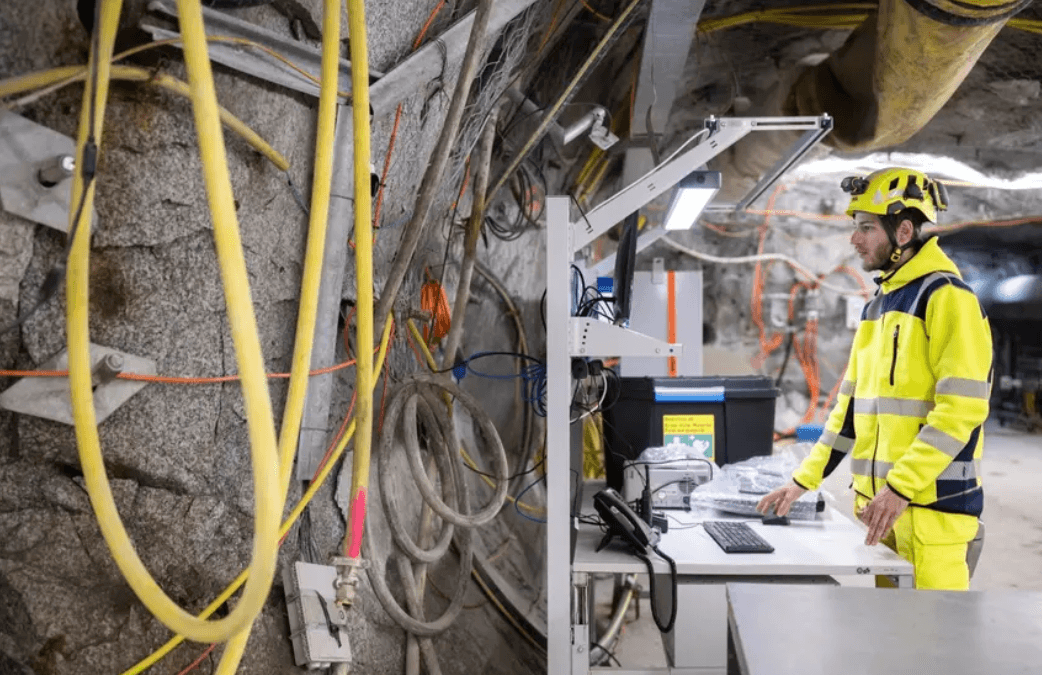
The project took place deep underground inside the ETH Zurich research facility known as BedrettoLab. Scientists conducted the experiment inside a 5.2-kilometre ventilation tunnel connected to the Furka railway tunnel in southern Switzerland.

Leading geologist Domenico Giardini described the experiment as a major success. Researchers intentionally created controlled seismic activity to better understand how the Earth behaves deep below the surface when tectonic movement occurs.

According to scientists, the experiment generated thousands of very small earthquakes in a fully monitored environment. Advanced sensors and monitoring systems allowed researchers to study underground rock movements, pressure changes, and seismic reactions in real time.

Experts believe the findings could help improve earthquake prediction models, underground construction safety, geothermal energy projects, and seismic risk management in the future.

The BedrettoLab research centre has become one of Europe’s leading underground laboratories for studying seismic activity and Earth science technology. Scientists say controlled experiments like this could provide valuable information about natural earthquakes and help protect communities in earthquake-prone regions.

Switzerland Faces Labour & Energy Concerns

Switzerland could face a serious labour shortage if the proposed anti-immigration initiative is approved in the upcoming national vote, according to a new demographic study. Researchers warn that the Swiss labour market may lose tens of thousands of workers in the coming years due to low birth rates and increasing retirements. Estimates suggest the country could face a shortage ranging from 87,000 to 245,000 workers depending on future immigration levels.

At the same time, concerns are growing over rising electricity prices linked to the ongoing conflict involving Iran. Swiss energy authorities warn that disruptions in global gas supplies and the Strait of Hormuz could impact Europe’s energy market and increase electricity costs in Switzerland, especially during winter. Experts say low gas reserves in Europe may create additional pressure on energy supply stability.

New figures also reveal details about Switzerland’s middle class. According to the Federal Statistical Office, more than 55% of the Swiss population belongs to the middle-income category. The latest report highlights the wide income range required to qualify as middle class in Switzerland due to the country’s high cost of living.