Switzerland Ranks Near Bottom in Europe for Tobacco Control.

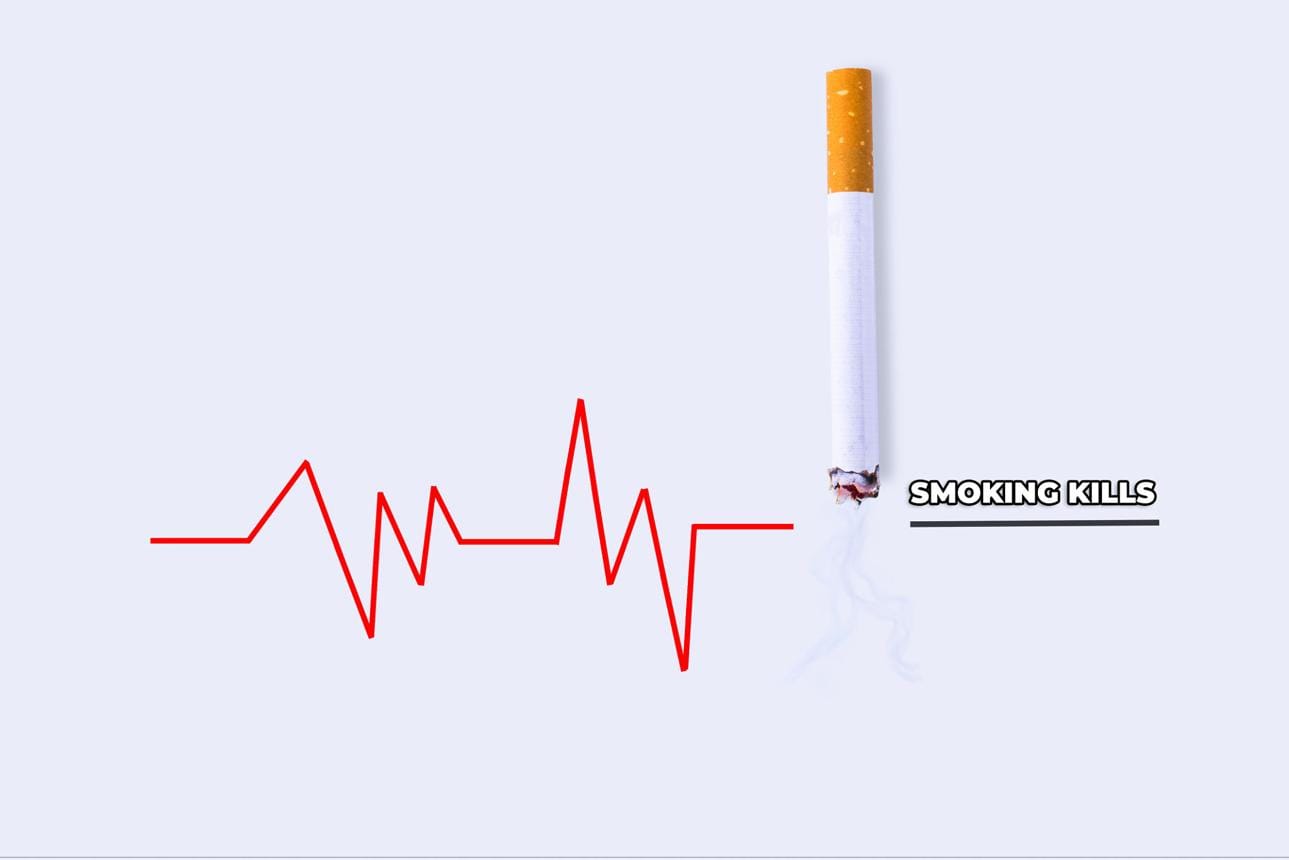
Switzerland ranks among the worst-performing countries in Europe for tobacco control, according to a new report published by the Swiss Association for Tobacco Prevention (AT).

The index places Switzerland second from last out of 37 European countries assessed, highlighting significant gaps in smoking prevention policies compared to other nations.

Only Bosnia and Herzegovina scored lower in the ranking. Meanwhile, Ireland, the United Kingdom, and the Netherlands topped the list as the strongest performers in tobacco control measures.

The report groups Switzerland with several Eastern European countries, as well as Italy and the Balkans, reflecting its relatively weak regulatory framework on smoking compared to its Western European peers.

Among neighbouring countries, France ranked highly at 4th place, while Austria placed 22nd and Germany 25th, both significantly ahead of Switzerland’s 36th position.

The findings suggest that Switzerland continues to lag behind in implementing strict tobacco regulations, including measures related to smoking bans, advertising restrictions, and prevention policies.

Health experts argue that stronger public health strategies are needed to reduce smoking rates and improve long-term health outcomes across the country.


Swiss Hotels Struggle as Online Booking Platforms Undercut Prices.

Hotels across Switzerland are facing increasing pressure from online booking platforms that often list rooms at lower prices than hotels’ own direct offers, according to a new industry study.

The report, published by Hotelleriesuisse, found that around half of 171 surveyed hotels experienced undercutting in 2025, up from 40% the previous year. In 83% of these cases, hotels said they had not authorized the discounted prices.

Industry representatives warn that such pricing practices force hotels to reduce their own direct rates in order to stay competitive, creating a downward pricing cycle that weakens profitability across the sector.

Hotelleriesuisse director Christian Hürlimann said hotels risk losing control over their pricing and distribution strategies as online travel agencies continue to dominate the market.

Despite direct bookings still accounting for 59% of reservations, platforms such as Booking.com and Expedia remain highly influential in shaping consumer choices and visibility. Booking.com alone handles more than 70% of online hotel bookings, while Expedia accounts for around 15%.

Although price parity rules have been banned, hotels report that online travel agencies still influence pricing indirectly through ranking systems, promotional tools, and discount programs. Nearly 29% of hotels also report direct pricing interventions.

The study further highlights the growing use of “multi-sourcing,” where hotel rooms are resold by third-party platforms, affecting more than half of hotels and further complicating pricing control.

Experts warn that these trends could reduce transparency and profitability in Switzerland’s tourism industry unless stronger regulatory safeguards or industry agreements are introduced.

Overweight Rates Among Swiss Schoolchildren Fall to 20-Year Low.

The rate of overweight and obese schoolchildren in Switzerland has dropped to its lowest level in two decades, according to a new report published by Health Promotion Switzerland.

The share of pupils classified as overweight or obese has declined from around 20% in 2005 to 15.5% today, marking the lowest level since national BMI monitoring began in the country.

Despite this positive trend, authorities warn that overweight remains a public health concern, with approximately one in six schoolchildren still affected.

Health Promotion Switzerland has tracked children’s body weight since the 2005/06 school year in collaboration with school health services in Basel, Bern, and Zurich. The long-term monitoring program provides data on health trends among children and adolescents in compulsory education.

Experts say the decline reflects improved awareness of nutrition, increased physical activity, and public health initiatives targeting childhood obesity over the past 20 years.

However, health officials emphasize that continued efforts are needed to maintain and further improve these results, particularly as lifestyle habits and dietary patterns continue to evolve.

University Hospital Zurich Faces Criminal Investigation Over Heart Surgery Cases.

University Hospital Zurich is facing a major criminal investigation after authorities opened inquiries into deaths and medical device incidents linked to its cardiac surgery clinic.

The hospital’s board has filed multiple criminal complaints involving 11 patient deaths and 13 separate cases connected to the use of medical devices. Prosecutors are now examining whether negligence or misconduct contributed to the incidents.

An investigative team from the Zurich public prosecutor’s office has launched formal proceedings focusing on suspected involuntary manslaughter, grievous bodily harm through negligence, and forgery of documents.

The case has intensified public scrutiny over patient safety standards and oversight within one of Switzerland’s leading medical institutions.

Authorities have not yet disclosed detailed information about the specific surgeries or devices involved. However, investigators are reviewing medical records, operational procedures, and documentation linked to the cases.

The scandal has raised concerns about accountability, transparency, and quality control in highly specialized cardiac procedures. Legal experts say the investigation could become one of the country’s most significant healthcare-related criminal cases in recent years.

The University Hospital Zurich has stated that it is cooperating fully with prosecutors as investigations continue.

Several Injured After Refrigerant Leak on Zurich’s Bahnhofstrasse.

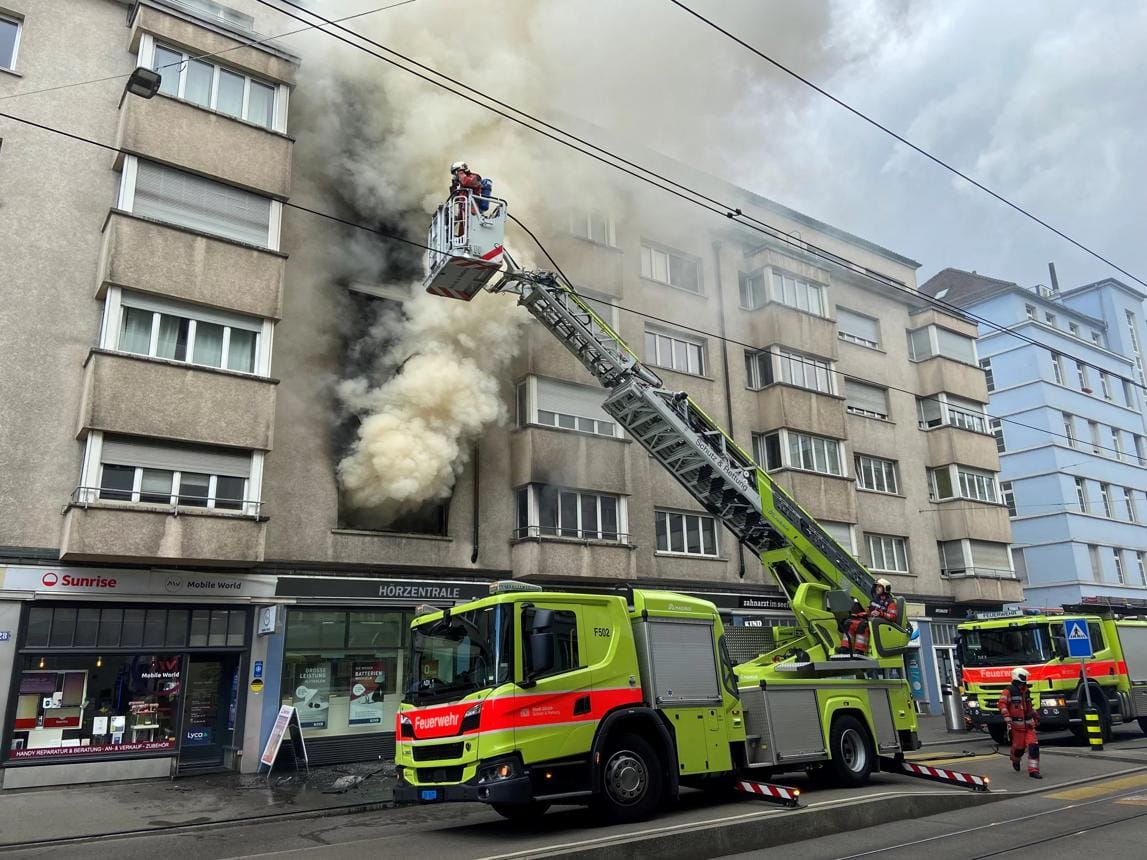
A refrigerant leak triggered a major emergency response in central Zurich on Tuesday afternoon, injuring multiple people and forcing the evacuation of hundreds from the busy Bahnhofstrasse area.

Emergency services transported four people to hospital after they reported dizziness and feeling unwell. Another 12 individuals received treatment at the scene, according to officials from Zurich Protection and Rescue.

The incident occurred at the Coop City Annahof shopping centre, which authorities evacuated along with nearby areas. Around 300 people were moved to safety as firefighters, police officers, and ambulance crews responded in large numbers.

Witnesses reported seeing white and black smoke coming from the building shortly after 3pm, while alarm systems also alerted emergency responders.

Investigators later confirmed that approximately 30 kilograms of refrigerant leaked from a refrigeration system located inside a sealed technical room within the building.

Firefighters managed to stop the leak and declared the building safe after roughly two hours of emergency operations. Nearby public transport services were temporarily suspended during the response.

Authorities continue to examine the exact cause of the leak, while emphasizing that the rapid evacuation helped prevent more serious injuries.

Cruise Crew Member Quarantined in Switzerland After Hantavirus Exposure

A crew member from the MV Hondius has been placed in quarantine in Aargau after possible exposure to hantavirus during a cruise ship outbreak.

Health officials confirmed that the cantonal medical officer ordered a 42-day quarantine as a precautionary measure. Authorities stated that the individual currently shows no symptoms.

Hantavirus is a rare but potentially serious viral infection that can spread through contact with infected rodents or contaminated environments. Symptoms may include fever, fatigue, respiratory problems, and muscle pain, though severity varies depending on the strain.

Swiss health authorities are monitoring the situation closely to prevent any possible spread and to ensure public safety. Officials emphasized that the quarantine is preventive and follows established health protocols.

The incident has drawn attention because outbreaks involving cruise ship crews can pose challenges for international health monitoring and travel safety.

At this stage, authorities have not reported additional suspected cases in Switzerland linked to the exposure.

EU Approves Tougher Steel Import Tariffs Affecting Switzerland.

The European Parliament has approved stricter steel import regulations aimed at protecting the European market from global steel overcapacity, with the new measures also affecting Switzerland.

Under the revised policy, duty-free steel import quotas will be significantly reduced, while customs duties on imports exceeding the quotas will rise from 25% to 50%.

The new rules will apply to most non-EU countries, with exemptions only for members of the European Economic Area, including Norway, Iceland, and Liechtenstein. Switzerland unsuccessfully attempted to secure an exemption during negotiations in Brussels.

The European Commission stated that the measures comply with World Trade Organization regulations and are necessary to shield European steel producers from excessive global competition and market distortions.

European officials are currently negotiating updated steel quotas with more than 20 international partners, including Switzerland, as discussions continue over the economic impact of the new trade restrictions.

The tougher tariff framework is expected to take effect on July 1, 2026, pending final approval from EU member states.

The decision increases pressure on Swiss steel producers already facing challenges linked to rising energy costs, international competition, and slowing industrial demand across Europe.

Fourteenth Suspect Charged in Crans-Montana Fire Investigation.

Swiss investigators have charged another individual in connection with the deadly Crans-Montana fire case, expanding the ongoing criminal investigation into one of the country’s worst recent tragedies.

According to reports from RTS, a municipal employee from Crans-Montana was formally placed under investigation during police questioning in the city of Sion on Tuesday.

The employee initially appeared before authorities as a person asked to provide information, a legal status positioned between witness and suspect. However, investigators reportedly interrupted the hearing and consulted prosecutors overseeing the case before changing the individual’s status to that of a formal defendant.

After being informed of the new status, the employee declined to continue the interrogation, which then ended.

Authorities believe the suspect may have had knowledge linked to renovation work carried out in 2015 at the Le Constellation bar, the site of the deadly fire. At the time, the employee worked in the Construction Department of the former municipality of Chermignon and currently remains active in the construction sector for the municipality of Crans-Montana.

The latest development brings the total number of individuals under investigation to 14. Those being investigated now include the bar owners, elected or former public officials, and several municipal employees.

The tragedy triggered widespread scrutiny over fire safety standards, renovation oversight, and administrative accountability in Switzerland. Investigators continue examining whether violations of construction regulations or oversight failures contributed to the disaster.

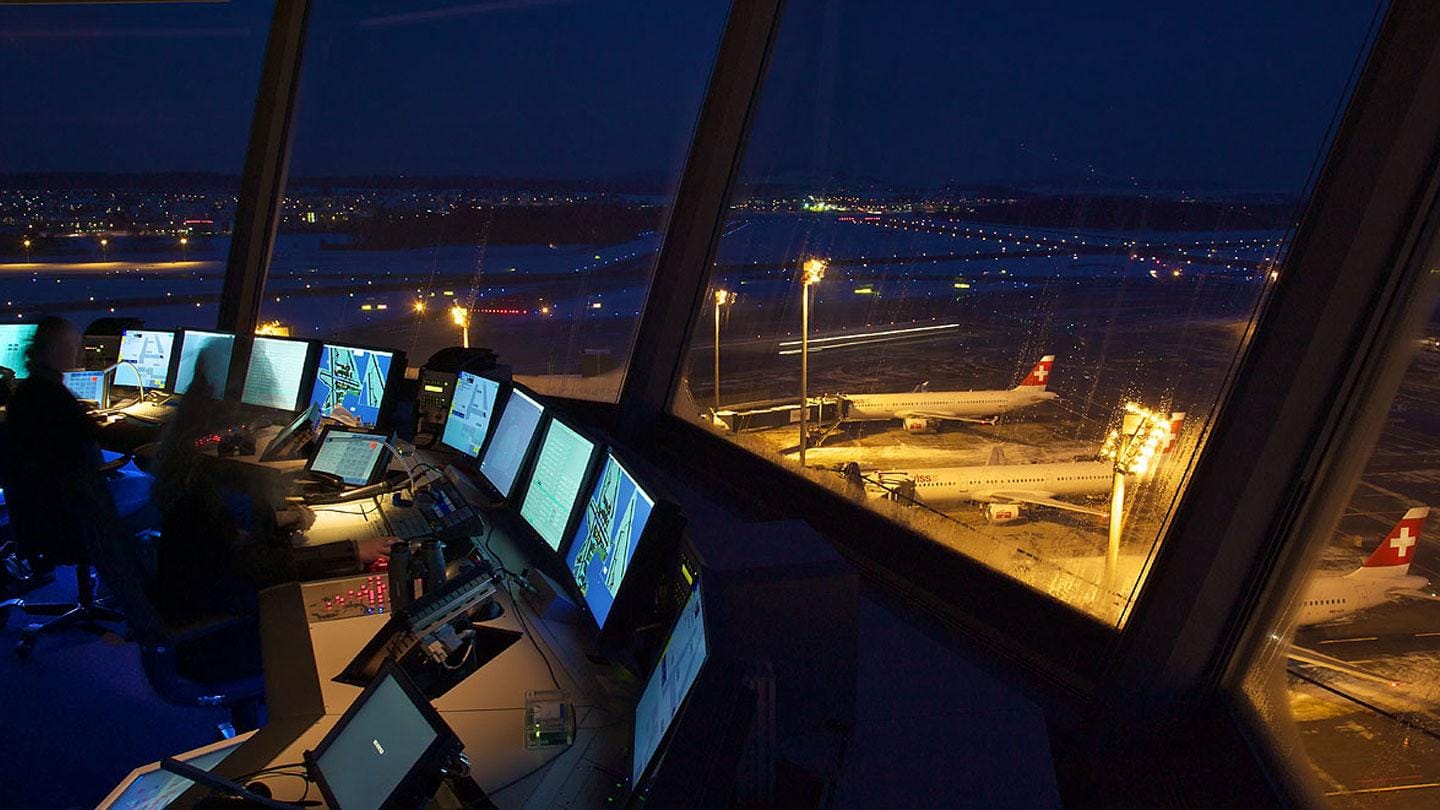
Swiss Air Traffic Controller Skyguide Plans Up

Skyguide has announced plans to reduce its workforce by up to 220 positions by the end of 2027 as part of a major restructuring aimed at improving financial stability and operational efficiency.

The Swiss air traffic control company is responding to rising personnel and systems costs, uncertain revenue forecasts, and increasing European efficiency requirements. Internal complexity has also been cited as a key reason for the planned changes.

The restructuring will be carried out in two phases. Around 90 jobs will be affected between September and November this year, followed by up to 130 additional positions between May and June 2027.

Sites including Geneva-Cointrin and the Dübendorf airfield are expected to be impacted by the cuts, although operational air traffic control roles will remain protected to ensure safety standards are maintained across Switzerland’s airspace.

Skyguide reported total expenditure of CHF 576 million in 2025, including CHF 382 million in personnel costs, highlighting the financial pressure driving the restructuring plan.

The company emphasized that safety and service continuity remain its top priorities. It stated that air traffic operations will continue without disruption throughout the restructuring process.

As part of a formal consultation procedure that began on Tuesday and runs until June 18, Skyguide is working with employee representatives to explore alternatives to job cuts. These include internal transfers, early retirement schemes, reduced external hiring, and limited recruitment.

Blackcap Becomes Switzerland’s Most Common Bird, Overtaking Chaffinch

The blackcap has become the most common bird species in Switzerland, overtaking the chaffinch, according to the 2025 bird monitoring programme by the Swiss Ornithological Institute.

Researchers report that there are now nearly one million breeding pairs of blackcaps across the country. The species has expanded significantly, benefiting from forest growth at higher altitudes and changing environmental conditions.

The study also suggests that more birds are choosing to remain in Europe during winter instead of migrating south, which has contributed to the blackcap’s population increase.

At the same time, chaffinch numbers have declined. Scientists say the reasons for this decrease remain unclear, describing it as puzzling due to the lack of identifiable causes.

Other common species such as sparrows and blackbirds continue to rank among the top ten most widespread birds in Switzerland. However, urban species like the street pigeon do not appear in the top 50.

The monitoring programme involved around 300 staff members from the Swiss Ornithological Institute, who dedicated more than 3,000 hours to collecting data on breeding bird populations across the country.

Experts say the findings highlight how climate change, habitat shifts, and migration behavior are reshaping Switzerland’s bird populations.