Nestlé Acquires Full Ownership of Germany’s yfood Labs.

Swiss food and beverage giant Nestlé has agreed to acquire full ownership of Germany-based yfood Labs, a company known for its liquid meals, powdered nutrition products, and snack bars.

Nestlé previously held a 49% stake in the Munich-based company since 2023. With this new agreement, the multinational will take complete control of the business, further expanding its presence in the growing functional food and meal-replacement market.

Although financial details of the transaction were not disclosed due to a confidentiality agreement, Nestlé confirmed that yfood Labs generated approximately €150 million (CHF 137.5 million) in revenue last year, highlighting the company’s strong performance in its sector.

The transfer of shares from the founders is expected to take place on July 3, pending the necessary regulatory approvals. Once completed, the acquisition will allow Nestlé to fully integrate yfood Labs into its broader global portfolio.

Industry analysts view the deal as part of Nestlé’s ongoing strategy to strengthen its position in innovative nutrition products that target modern consumer lifestyles, including on-the-go meals and health-focused alternatives.

The acquisition also reflects the continued consolidation trend in the European food and beverage sector, where major corporations are expanding through strategic investments in fast-growing niche brands.
Switzerland Expected to See Moderate Economic Growth: OECD Report.

The Organisation for Economic Co-operation and Development (OECD) has projected that Switzerland will experience moderate economic growth in the coming years, supported mainly by strong domestic demand despite global economic uncertainties.

According to the latest report published on Tuesday, Switzerland’s real GDP is expected to grow by 1.1% in 2026 and rise to 1.5% in 2027. The outlook suggests that the Swiss economy will remain relatively stable even as global energy prices and geopolitical tensions continue to impact international markets.

The OECD notes that higher energy costs and weaker external demand may slightly affect exports in the short term. However, Switzerland’s strong domestic market and low dependence on fossil fuels are helping to cushion the impact. The country’s limited reliance on Middle Eastern energy imports also reduces its vulnerability compared to many other OECD economies.

Export performance is expected to recover in 2027 as key trading partners rebound from the energy shock. This recovery is likely to support Swiss industries, particularly export-driven sectors such as pharmaceuticals and high-value manufacturing.

Inflation in Switzerland is projected to remain within the Swiss National Bank’s (SNB) target range of 0–2%, despite short-term pressure from rising energy prices. The Swiss franc’s strength, driven by its safe-haven status, continues to influence monetary policy decisions and help control inflation levels.

The OECD also highlights potential risks, including prolonged energy market instability, supply chain disruptions, and possible new trade tariffs. However, a faster-than-expected recovery in Europe and other major markets could further improve Switzerland’s growth outlook.

Overall, the Swiss economy is expected to remain stable, with gradual growth supported by domestic resilience, cautious monetary policy, and a strong financial system.

Economiesuisse Calls US Forced Labour Allegations ‘Unfounded’.

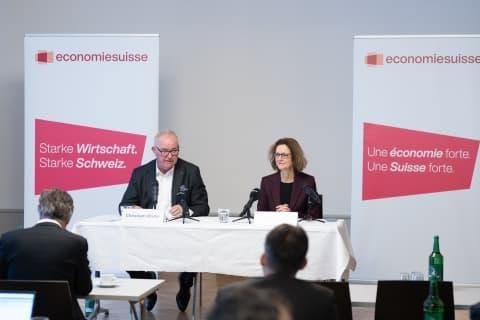
Switzerland’s leading business federation, Economiesuisse, has strongly rejected recent US allegations of forced labour, describing the claims as “completely unfounded” and inconsistent with Swiss law.

Speaking at a media conference, Economiesuisse chief economist Rudolf Minsch stated that forced labour is strictly prohibited under Swiss legislation. He emphasized that Switzerland has fully complied with international labour standards and said, “Switzerland has done its homework.”

The statement comes in response to renewed tariff threats from the United States, which have raised concerns among Swiss exporters. According to Minsch, the current proposed 12.5% tariffs on Swiss goods are not expected to significantly disrupt the economy, as they are only slightly higher than the 10% tariffs proposed for European Union countries.

He explained that Swiss companies could gradually absorb the additional costs, adjust their supply chains, or pass some of the impact on to consumers if necessary. Compared to earlier trade tensions, the current situation is seen as less severe.

Minsch highlighted that previous tariff levels were far more damaging. He recalled that Switzerland once faced tariffs as high as 39% while the EU was subject to 15%, calling that period “the real blow” for Swiss exporters due to the wide competitiveness gap.

Despite ongoing uncertainty, Economiesuisse stressed that predictability in trade policy is more important for businesses than small differences in tariff rates. The organization noted that Swiss companies are better able to adapt when they have clear, long-term regulatory expectations.

Overall, Swiss industry leaders remain cautiously optimistic, stating that while trade tensions persist, the impact on Switzerland’s economy is expected to remain manageable.

Switzerland to Align with EU on Migrant Return Centres Abroad.

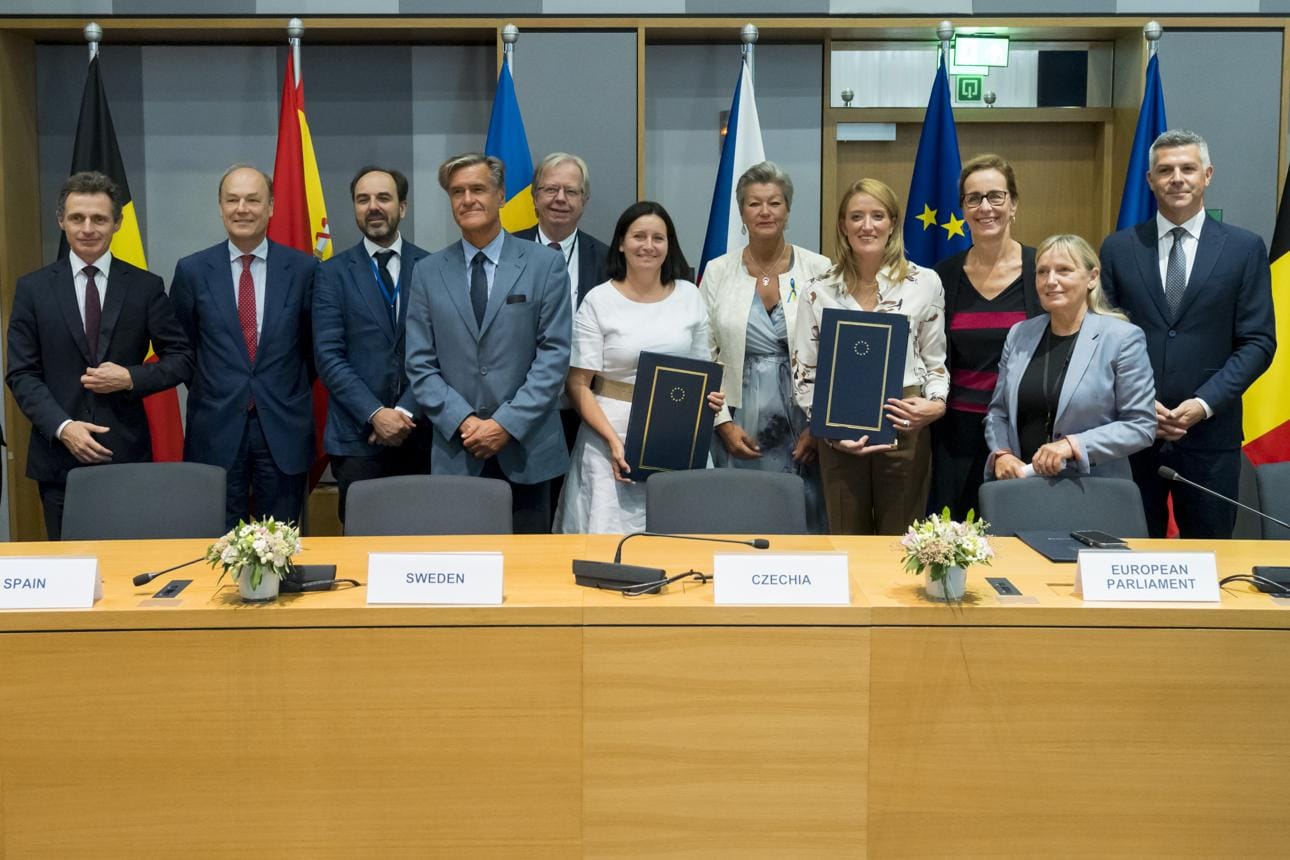
Switzerland is set to follow new European Union (EU) migration rules that allow for the creation of migrant return centres outside Europe for rejected asylum seekers. As part of the Schengen area, Switzerland is required to align its national laws with the evolving EU migration framework.

A deal reached in Brussels will introduce measures aimed at speeding up deportation procedures and improving coordination among member states. Countries that choose to participate will be allowed to establish centres in third countries to host individuals whose asylum applications have been rejected.

According to Switzerland’s State Secretariat for Migration (SEM), the country will have up to two years to integrate the new rules into national legislation. The proposal will be reviewed by the Swiss Parliament and may also be subject to an optional referendum.

However, the implementation of such centres depends on whether suitable partner countries agree to host them. These centres could serve either as final destinations or temporary holding locations before migrants are transferred to their country of origin or another third state. All arrangements must comply with international human rights standards.

The European Council has stated that families may also be placed in these centres, although unaccompanied minors will be exempt under the current framework. Discussions are still ongoing regarding potential host countries and operational structures.

Swiss authorities have indicated that any participation will depend on legal compliance, international agreements, and parliamentary approval. The issue is expected to generate political debate within Switzerland as migration policy remains a sensitive national topic.

Switzerland’s 10 Million Population Vote: Impact on Tamils?

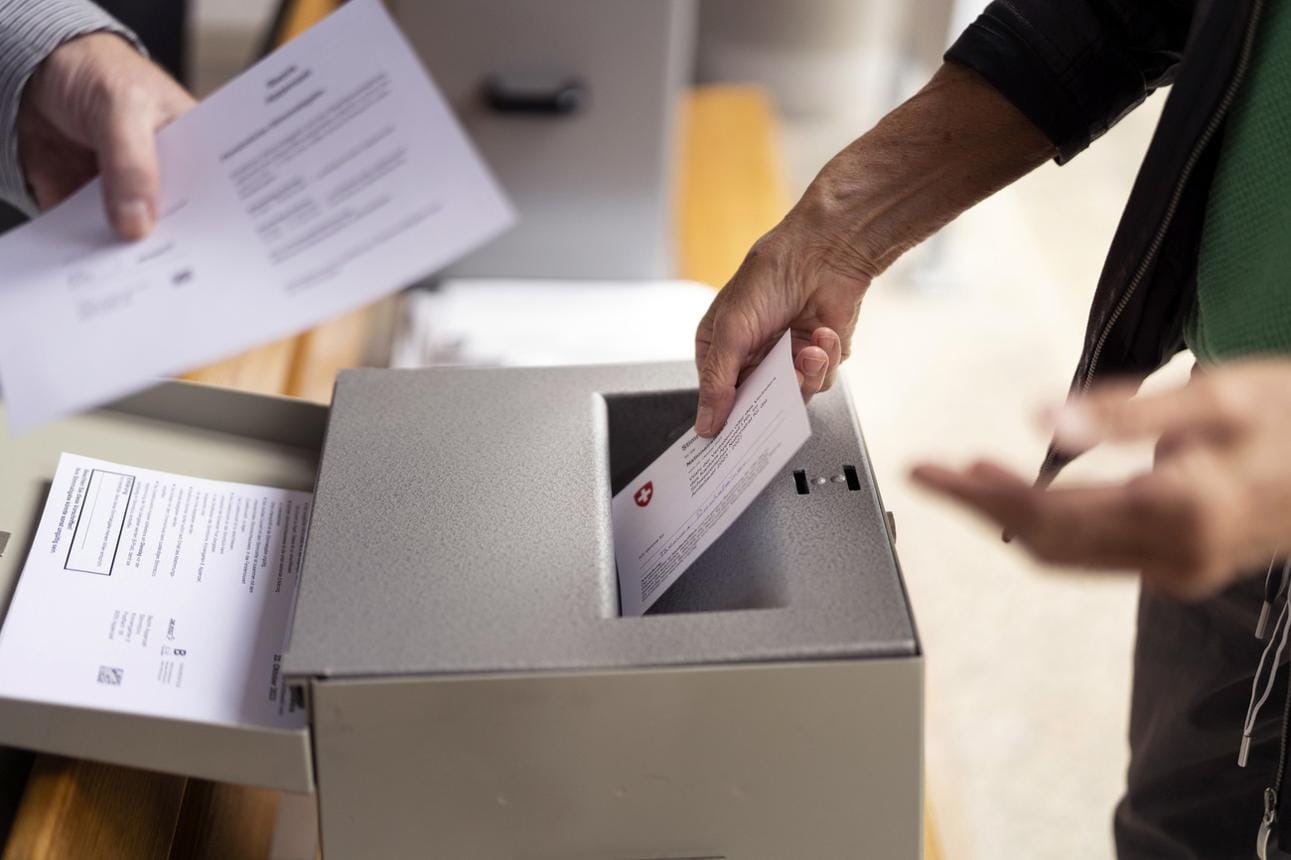
Switzerland is preparing for an important national vote on a proposal known as “No to 10 Million Switzerland,” which aims to limit the country’s population growth. The initiative, introduced by the Swiss People’s Party (SVP), seeks to prevent Switzerland’s population from exceeding 10 million by introducing stricter controls on immigration.

Supporters of the proposal argue that rapid population growth places increasing pressure on housing, transportation, public services, infrastructure, and environmental resources. They believe Switzerland should take stronger measures to manage migration and maintain the country’s quality of life.

Opponents, however, warn that the proposal could negatively affect Switzerland’s economy, labour market, and international competitiveness. Most major political parties, along with the Swiss Federal Government, have rejected the initiative and are encouraging voters to oppose it. Critics argue that Switzerland relies heavily on skilled foreign workers and international talent to support economic growth.

Speaking on the issue, Socialist Democratic Party member Siri Rasamanickam urged Swiss citizens to study the proposal carefully before casting their vote. He emphasized the importance of making informed decisions based on official information rather than opinions shared on social media.

The proposal has also attracted attention among migrant communities, including Swiss Tamils, who are closely following the debate. While the initiative primarily focuses on future population growth and immigration policies, many observers believe the outcome could influence Switzerland’s long-term approach to migration and integration.

Political analysts note that the proposal faces significant opposition from major parties and government institutions. Nevertheless, the final decision rests with Swiss voters, making the upcoming referendum an important event for the country’s future migration policies.

The vote is expected to generate widespread discussion across Switzerland as citizens consider the balance between population growth, economic needs, and social development.+

Starting a Business in Switzerland: A Complete Guide.

Switzerland offers one of the most business-friendly environments in Europe, making it an attractive destination for entrepreneurs and small business owners. Whether you want to start a cleaning service, construction company, online store, restaurant, delivery service, or consulting business, understanding the registration process is essential for success.

The simplest option is to start as a Sole Proprietorship (Einzelfirma). This structure is suitable for self-employed individuals and freelancers. Entrepreneurs must register with the AHV/AVS social insurance office as self-employed. If annual revenue exceeds CHF 100,000, registration in the Commercial Register becomes mandatory. Businesses earning less than this amount may register voluntarily to increase credibility and visibility.

Another popular option is establishing a GmbH (Limited Liability Company). This structure requires a minimum share capital of CHF 20,000 and offers greater legal protection for business owners. A notary must prepare the incorporation documents before the company is officially registered in the Swiss Commercial Register.

For larger businesses, the AG (Aktiengesellschaft) structure is commonly used. This form is designed for companies seeking significant investment and expansion opportunities. AG companies require higher capital contributions and more extensive legal procedures, including mandatory notary certification and Commercial Register registration.

Entrepreneurs can complete many registration procedures through EasyGov, Switzerland’s official online business platform. The service allows users to register companies, complete AHV registrations, apply for VAT registration, and handle Commercial Register procedures through a single portal. Business owners can also verify registered companies using the Zefix central commercial register database.

Various organizations provide support for new entrepreneurs in Switzerland. Cantonal economic development offices, chambers of commerce, business consultants, startup incubators, and financial institutions offer guidance on legal requirements, taxation, accounting, and business planning. Their expertise can help entrepreneurs navigate the Swiss business environment more efficiently.

Before starting a business, entrepreneurs should evaluate their residence permit status, business activity, expected revenue, and legal obligations. Proper planning and compliance with Swiss regulations can significantly improve the chances of building a successful and sustainable business.

Swiss Bank Stops Loan Access for Refugees.

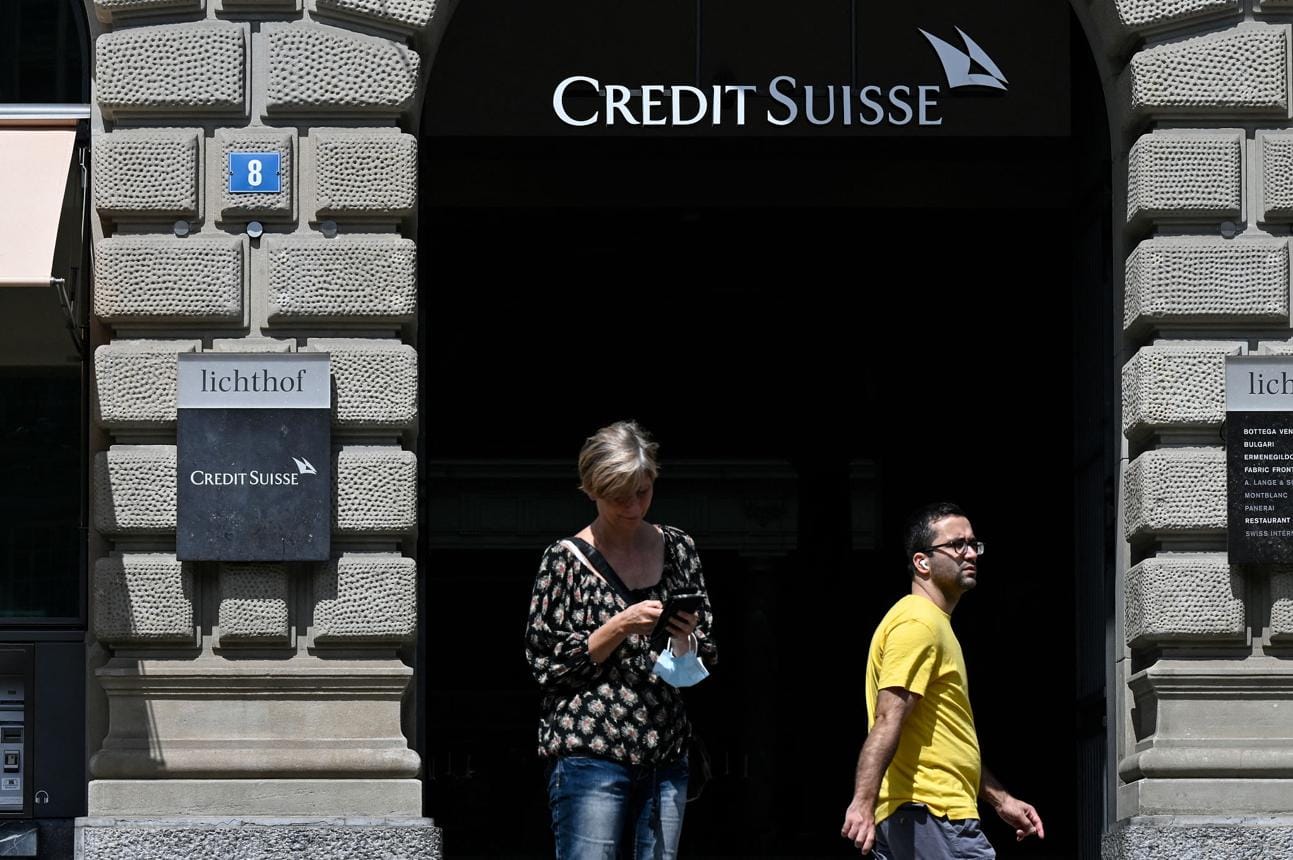
A well-known Swiss bank has reportedly ended loan facilities for individuals holding refugee status in Switzerland. The decision has sparked discussion among community groups, financial experts, and refugee support organizations regarding access to essential financial services.

Banks in Switzerland regularly review their lending policies based on risk assessments, regulatory requirements, and internal business strategies. Changes to loan eligibility criteria can affect specific customer groups, including foreign nationals and individuals with different residence permit categories.

The reported move has raised concerns among refugee communities who rely on financial products to support education, housing, transportation, and small business activities. Advocates argue that access to responsible credit plays an important role in helping individuals integrate into Swiss society and achieve financial stability.

Supporters of stricter lending policies, however, point out that banks must manage financial risks carefully and comply with regulatory obligations. Financial institutions often evaluate factors such as income stability, employment status, residency conditions, and repayment capacity before approving loans.

The development highlights the ongoing debate between financial risk management and equal access to banking services in Switzerland. Further clarification from the bank and relevant authorities may provide additional details regarding the scope and impact of the policy change.

Migros Restaurant Food Quality in Switzerland.

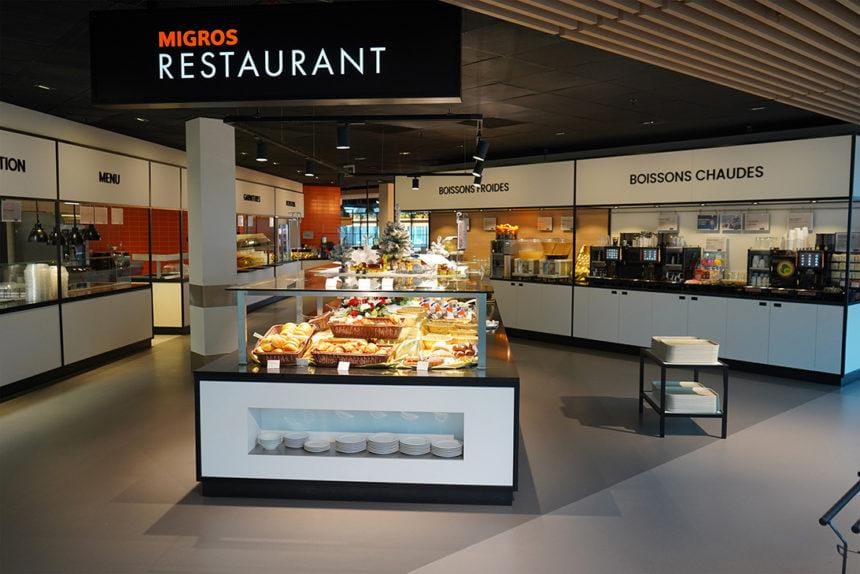
Migros operates some of the most popular self-service restaurants across Switzerland and continues to attract thousands of customers every day. While Migros restaurants are not considered luxury dining destinations, many visitors appreciate them for offering fresh meals, affordable prices, and a comfortable dining environment.

Migros focuses on providing seasonal menus, freshly prepared dishes, salad buffets, vegetarian options, and family-friendly meals. The company aims to deliver quality food that meets Swiss standards while keeping prices accessible for everyday customers. This combination has helped Migros become a trusted choice for quick lunches and casual dining throughout the country.

Many customers praise Migros restaurants for offering good value for money. Fresh salads, buffet selections, clean dining spaces, and family-oriented meal options remain among the most appreciated features. Customers also value the use of ingredients that comply with Switzerland’s strict food quality standards.

However, customer experiences can vary between different Migros restaurant locations. Some visitors report that food quality and taste differ from branch to branch. Others believe that food standards have changed over recent years, while some diners feel the restaurants may not satisfy expectations for premium culinary experiences.

Overall, Migros remains a reliable option for people seeking a clean, affordable, and convenient meal in Switzerland. Although food enthusiasts looking for gourmet dining may prefer other restaurants, Migros continues to maintain its reputation as one of Switzerland’s most accessible and trusted self-service dining brands.

US Proposes New Tariffs on Swiss Goods Over Forced Labour Concerns

The United States has announced plans to impose new tariffs of 12.5% on Swiss imports linked to allegations of goods produced using forced labour, escalating trade tensions between the two countries.

The move is part of a broader trade policy initiative under the US administration, which targets around 60 trading partners, including Switzerland. The US argues that affected countries have not done enough to prevent imports of products linked to forced labour practices.

According to a report from the US Trade Representative, Switzerland is among 54 economies that allegedly lack a clear legal ban on such imports. As a result, Washington is considering additional tariffs on 45 of these countries, including Switzerland.

However, certain products such as semiconductors, coffee, beef, and fruit would be excluded from the proposed tariff measures.

Other countries facing similar or lower tariff proposals include the European Union, Canada, the United Kingdom, Mexico, Indonesia, Pakistan, and several Asian and Latin American nations.

The proposal is still under review, but it signals increased pressure on Switzerland’s export-driven economy, particularly in sectors linked to global supply chains.

Swiss authorities have not yet issued an official response, but the issue is expected to be discussed further in upcoming trade negotiations.

Authorities Rule Out Terrorism in Bellinzona Knife Attack Case.

Swiss authorities have confirmed that no terrorist or jihadist motive was identified in a knife attack that took place in Bellinzona, despite earlier concerns raised in media reports.

In late January, a 37-year-old Swiss-Turkish woman entered a mobile phone shop in the Ticino town and threatened employees with a knife. Reports indicated that she allegedly shouted religious phrases during the incident, which initially raised suspicions of a possible extremist link.

However, the Office of the Attorney General of Switzerland (OAG) has now confirmed that investigations found no evidence of a terrorist background or ideological motive. The case is being treated as a criminal incident rather than an act of terrorism.

Authorities also stated that the suspect is currently receiving outpatient psychiatric treatment. Medical assessments indicated that she was not fit for questioning or trial at the time of the incident, leading to her involuntary admission to a psychiatric facility.

The legal proceedings remain ongoing, and officials have not released further details due to the sensitivity of the case.

The clarification highlights the importance of distinguishing between mental health-related incidents and ideologically motivated attacks during criminal investigations.