Yodelling Singer Nadja Räss Awarded Swiss Grand Prix for Music 2026.

Swiss yodelling singer Nadja Räss has been awarded the 2026 Swiss Grand Prix for Music, receiving one of the country’s most prestigious cultural honours along with a prize of CHF 100,000.

The Federal Office of Culture announced the award on Thursday, recognizing Räss as one of the most influential voices in Swiss yodelling and traditional folk music. At 47 years old, the singer from the canton of Schwyz has played a key role in preserving and promoting Switzerland’s alpine musical heritage.

Räss has also worked as a cultural mediator and was instrumental in supporting the inclusion of yodelling on UNESCO’s list of intangible cultural heritage last December. The jury highlighted her contribution to elevating traditional Swiss folk music on an international level.

She becomes the first folk musician ever to receive the Swiss Grand Prix for Music, marking a significant milestone for traditional music genres in Switzerland’s contemporary cultural scene.

Alongside the Grand Prix winner, ten other musicians, collectives, and institutions were also honoured this year. Among them were Geneva-based artist Flèche Love and Neuchâtel musician Louis Schild, reflecting the diversity of Switzerland’s modern music landscape.

The jury for the 2026 awards was chaired by Ticino musician and journalist Gian-Andrea Costa. The Swiss Music Awards ceremony is scheduled to take place in Lausanne on September 19.

The recognition of Nadja Räss highlights the growing appreciation for traditional Swiss music and its evolving role in the country’s cultural identity.


Swiss Parliament Rejects Return to Joint Taxation of Married Couples.

The Swiss Senate has rejected a proposal aimed at reintroducing joint taxation for married couples, following a closely contested vote that ended 24 to 21 in opposition.

The initiative, put forward by the Centre Party, sought to challenge the outcome of a nationwide referendum held in March, where Swiss voters supported a shift toward individual taxation by a 54.2% majority. That decision marked a major change in Switzerland’s tax system, ending the joint taxation model that has been in place since 1984.

Supporters of the Centre Party initiative argued that the current individual taxation system could disadvantage single-income households within marriages. They proposed an alternative model allowing couples to choose between joint or individual taxation, with tax authorities automatically applying the more favorable option.

The proposal also included a transitional framework giving parliament up to three years to implement a practical system. If no solution was reached within that timeframe, authorities would apply the alternative calculation method by default.

However, a majority in the Senate opposed the initiative, arguing that it would create unnecessary administrative complexity and significantly increase bureaucratic costs. Lawmakers also emphasized the importance of respecting the outcome of the recent popular vote, which clearly supported individual taxation.

Critics of the proposal, including members of the centre-right Radical-Liberal Party, stated that the system would be more expensive and difficult to administer compared to the newly approved tax model.

The rejection in the Senate follows a similar decision in the House of Representatives, reinforcing Switzerland’s move toward a fully individual taxation system for spouses.

Cocaine Consumption Continues to Increase Across Switzerland, Study Finds.

Cocaine use continues to rise in Switzerland, particularly among men and young adults aged between 18 and 34, according to a new analysis by the non-profit organization Addiction Switzerland.

The report shows that cocaine is now the second most commonly used illegal drug in the country after cannabis. Based on the Swiss Health Survey 2022, approximately 1% of the population reported using cocaine within the past 12 months. However, researchers warn that actual usage levels may be higher, as wastewater analysis and other data sources suggest broader consumption across society.

Addiction Switzerland reports that cocaine use is no longer limited to specific social groups. Instead, it has spread across different sections of the population, including individuals who are socially integrated, well educated, and employed. The organization notes that while many users consume the drug occasionally, a significant group engages in regular or intensive use, increasing the risk of serious health and social consequences.

The study also highlights workplace-related consumption, where cocaine is sometimes used to enhance performance, alertness, or confidence. Sectors such as hospitality, construction, and the arts and entertainment industries are particularly affected. High work pressure, irregular schedules, and job insecurity are identified as key contributing factors.

Experts warn that the shift from occasional to problematic use often happens gradually. Many individuals only seek help once they experience significant personal, professional, or social difficulties. Addiction Switzerland emphasizes the importance of early prevention measures and increased awareness to address the growing public health concern.

The findings underline a broader trend of rising stimulant use in Switzerland and call for strengthened prevention, education, and support systems to reduce long-term harm.

Swiss GMO-Free Food Initiative Files Complaint Over Missing Signatures.

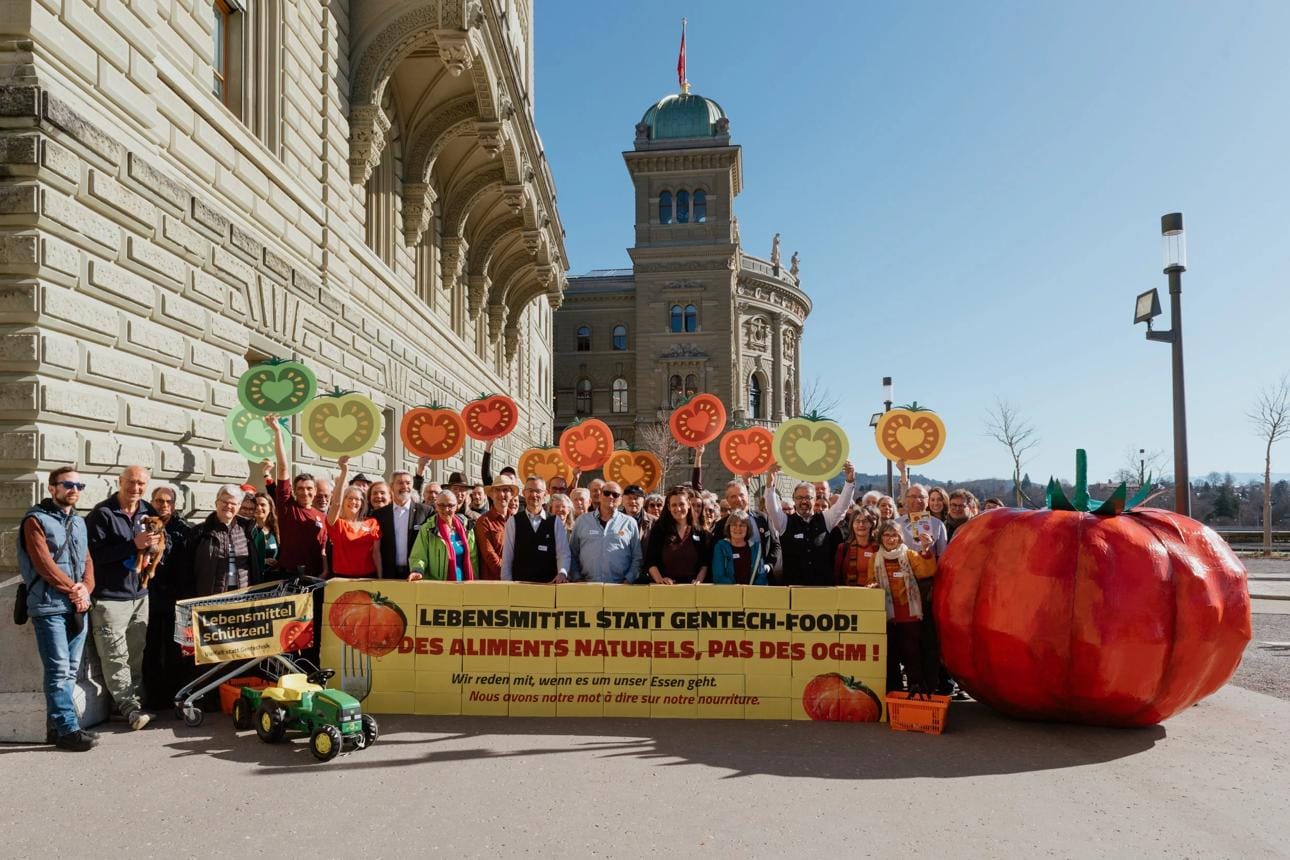
The association behind Switzerland’s GMO-free food initiative has announced plans to file a criminal complaint against unknown persons after claiming that at least 5,000 signatures went missing during an official recount process.

According to the Association for GMO-free Food, signatures that were previously validated by local municipalities were not found during a recount conducted by the Federal Chancellery. The group says it based its findings on a survey of around 240 municipalities and believes the actual number of missing signatures could be even higher.

The missing signatures are considered crucial for the initiative to reach the required threshold of 100,000 valid signatures needed to trigger a national vote. The association argues that if the disputed signatures were included, the initiative would likely have qualified for a popular referendum on extending control over genetically modified organisms beyond the current moratorium, which is set to expire in 2030.

Due to the narrow margin in the initial verification process, a recount of signatures was ordered at the end of March. Swiss authorities typically conduct additional checks when initiatives fall within a close range of 95,000 to 101,000 valid signatures to ensure accuracy and transparency.

The Federal Chancellery has stated that multiple departments were involved in the recount process as part of standard procedure. However, the GMO-free food association is demanding a full investigation to determine what happened to the missing signatures and to ensure public trust in the initiative system.

The dispute highlights ongoing tensions around Switzerland’s direct democracy system, where citizen initiatives play a key role in shaping national policy. Authorities have not yet commented on the allegations in detail, and the case is expected to attract further legal and political attention.

Sperm Quality in Swiss Recruits Remains Stable, Study Shows.

A new scientific study has found that sperm quality among young Swiss men has remained stable over recent years, contrasting with global reports of declining male fertility indicators.

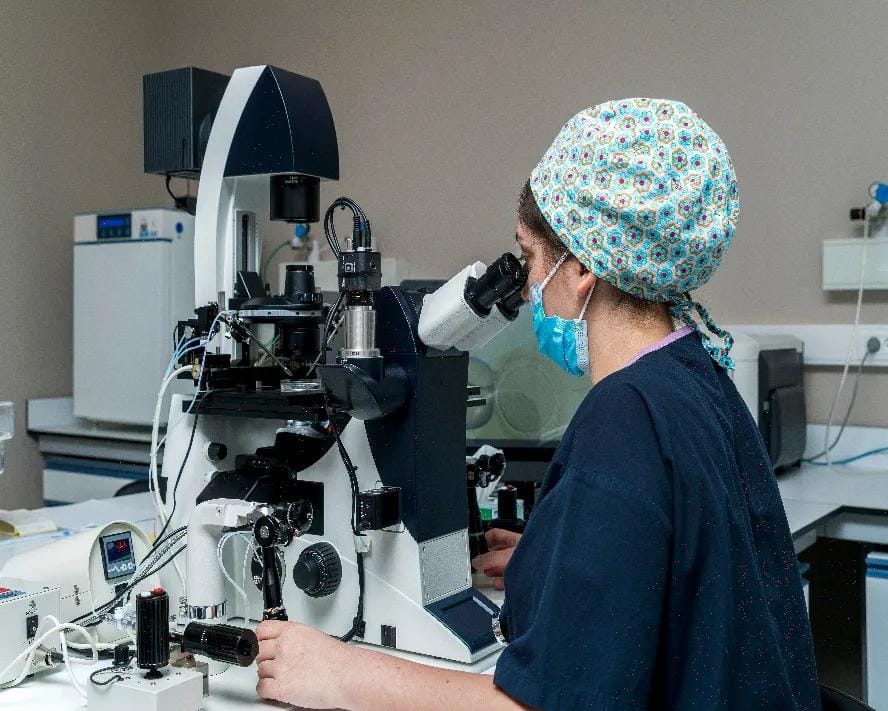
The research was conducted by the University of Zurich and the Zurich University Hospital and published in the journal New Microbes and New Infections. It compared data from 194 Swiss army recruits examined in 2021 with findings from 2,523 young men tested between 2005 and 2017.

Researchers evaluated key indicators of reproductive health, including semen volume, total sperm count, sperm concentration, and sperm motility. The results showed that these measurements have remained relatively consistent over time, suggesting no further decline in sperm quality among the study groups.

According to the study, 41% of men tested in 2021 had at least one sperm parameter below World Health Organisation reference standards. In the earlier dataset, this figure was significantly higher at 62%, indicating an apparent improvement.

However, researchers caution that the results should be interpreted carefully. They note that differences in participant selection may have influenced the findings, meaning the apparent stability or improvement could partly reflect sampling bias rather than a true population-wide trend.

Despite these limitations, the study provides important insight into reproductive health trends in Switzerland and contributes to the ongoing global discussion about potential changes in male fertility. Scientists emphasize the need for further long-term research to confirm whether sperm quality trends are truly stable.

Bern Parliament Approves Feminicide Category in Crime Statistics.

The parliament of the Swiss canton of Bern has approved a proposal to include feminicide as a separate category in official crime statistics, marking a significant step in how violence against women is recorded in Switzerland.

The motion was passed on Wednesday evening with a clear majority of 117 votes to 30. It was introduced by Green Party member Manuel C. Widmer and supported by politicians from multiple parties, including the Social Democrats and some members of the centre-right Radical-Liberals.

Supporters of the measure argue that violence against women is often underreported or treated as a private matter, leading to gaps in official data. By introducing feminicide as a distinct category, they aim to improve transparency and better understand the scale and nature of gender-based killings.

Under the definition proposed in the motion, feminicide refers to the killing of women or girls in the context of patriarchal gender-based violence. Advocates say that clear statistical recognition is essential for developing effective prevention policies and improving victim protection.

However, the decision has also sparked political debate. Members of the Swiss People’s Party (SVP) have criticized the term feminicide, describing it as a politically charged concept that should not be included in official state statistics.

The cantonal government had previously expressed conditional support for the idea, stating that a standardized national definition is necessary before implementation. Authorities also noted that discussions are already underway at the federal level to harmonize data collection on violent crime.

The decision in Bern is seen as part of a broader European trend to improve the documentation of gender-based violence and strengthen policy responses to protect women and girls.

Geneva Court Rejects ‘No G7’ Coalition Challenges.

The “No G7” coalition has suffered a legal setback after Geneva’s courts rejected its challenges against decisions taken by the cantonal government regarding planned demonstrations linked to the upcoming G7 summit.

On Wednesday, Geneva authorities confirmed that the courts dismissed claims that the cantonal government had denied justice. The rulings also upheld the government’s decision to limit a planned protest to the right bank of the city.

Carole-Anne Kast, a member of Geneva’s cantonal government, welcomed the verdict and stated that the court had supported the authorities’ position. According to Kast, judges confirmed that the government had made a clear and lawful decision when it refused permission for a protest village to be established in Parc des Bastions.

The coalition had also challenged an order issued two weeks earlier that restricted the demonstration area. However, the Administrative Chamber of the Court of Justice rejected the request to suspend the measure while the case was being reviewed.

As a result, the restrictions imposed by the cantonal authorities remain in force. Organizers of the demonstration will be required to comply with the designated protest area and the conditions set by local officials.

The ruling comes as Swiss authorities continue preparations for the G7 summit, with security and public order remaining key priorities. Officials have emphasized the importance of balancing the right to peaceful protest with the need to ensure safety during high-profile international events.

The court decision marks an important development in Geneva’s preparations for the summit and clarifies the legal framework governing demonstrations during the event.

Lake Constance Water Levels Drop to Historic June Record Low.

Lake Constance, which borders Switzerland, Germany, and Austria, has recorded its lowest water level ever measured for the month of June. Experts attribute the dramatic decline to months of unusually low rainfall and below-average snowfall in the surrounding mountain regions.

The western section of the lake, known as the Untersee, has been particularly affected. Several boats have been left stranded along the shoreline as water levels continue to fall. According to water management officials in the Swiss canton of Thurgau, exceptionally dry weather conditions since early spring have significantly reduced the amount of water flowing into the lake.

April was especially dry across the region, while winter snowfall remained well below normal levels. As a result, the usual snowmelt that helps replenish the lake during spring was insufficient to restore water levels.

Lake Constance is particularly vulnerable to extended dry periods because, unlike most major Swiss lakes, its water levels are not artificially regulated. Together with Lake Walen, it remains one of the few large lakes in Switzerland that fluctuates entirely according to natural conditions. This makes both droughts and flooding events more noticeable.

Current measurements indicate that Lake Constance is approximately one metre below the long-term average for June. The situation is also affecting transportation and tourism. Shipping operator Untersee und Rhein (URh) has reported navigation difficulties, with parts of the Rhine River between Stein am Rhein and Diessenhofen currently inaccessible to passenger vessels due to low water levels.

Environmental experts warn that prolonged drought conditions and rising temperatures could lead to more frequent water shortages in the future. The development has renewed concerns about climate change and its growing impact on Switzerland’s lakes, rivers, and natural ecosystems.

Swiss and Belgian Doctors Launch Charity for Burn Victims After Crans-Montana Tragedy.

Five months after the devastating Crans-Montana bar fire that claimed 41 lives and injured more than 100 people, Swiss and Belgian medical professionals have launched a new charity initiative aimed at supporting burn victims and advancing burn treatment research.

The organization, known as Initiative Phoenix, brings together a team of experienced surgeons and specialists from Switzerland and Belgium. The charity seeks to improve care for people suffering from severe burn injuries while promoting medical innovation and international collaboration among healthcare professionals.

Belgian plastic surgeon Dr. Johann Wary, who lives near the site of the tragedy and works at a nearby clinic, has been appointed president of the association. He explained that the project was inspired by the profound impact the disaster had on local communities and healthcare professionals involved in treating victims.

The association’s vice-president is former Michelin-starred chef Didier de Courten, who said the tragedy deeply affected those connected to the hospitality sector. He emphasized the importance of supporting initiatives that help victims and their families rebuild their lives.

Initiative Phoenix is supported by a scientific committee comprising leading Swiss and Belgian surgeons, including specialists from Lausanne University Hospital (CHUV). The committee aims to encourage research, share expertise, and develop new treatment approaches for patients with severe burn injuries.

All medical experts involved in the project are volunteering their services. The association plans to provide guidance and support to victims and their families without financial interest. It also hopes to raise funds for research projects, scholarships for young plastic surgeons, and medical treatments not fully covered by insurance.

In addition, Initiative Phoenix plans to organize an annual international scientific symposium in Crans-Montana focused on burn injury treatment and recovery. The first conference could take place in early 2027.

The launch of Initiative Phoenix represents a significant step toward improving long-term support for burn victims while strengthening international cooperation in medical research and patient care.

Switzerland Approves Plan to Strengthen Support for Violence Victims.

The Swiss House of Representatives has approved a new reform aimed at significantly improving support for victims of violence across the country. The proposal was backed by 139 votes to 55 and forms part of Switzerland’s broader efforts to address rising cases of violence against women.

The approved measures guarantee better access to forensic medical care and expand emergency accommodation services nationwide. Lawmakers emphasized that victims should receive independent medical documentation of injuries, even if no immediate criminal complaint is filed.

Under the new framework, forensic evidence will be collected and preserved independently of criminal investigations. This approach allows victims more time to decide whether they want to pursue legal action. Forensic records will be stored for at least 15 years, while physical evidence will be retained for a minimum of five years.

The reform also aims to address significant regional differences in victim support services across Switzerland’s cantons. Authorities noted that access to emergency shelters currently varies depending on location, creating unequal protection for victims.

Social Democratic Party representative Jessica Jaccoud, speaking on behalf of the parliamentary committee, stressed that access to emergency accommodation should not depend on where a person lives. She highlighted the need for consistent national standards to ensure fair and equal support for all victims.

The new legislation is part of a wider national strategy to strengthen victim protection systems, improve coordination between cantons, and ensure that individuals affected by violence receive timely and reliable assistance.