Switzerland Opens Ukraine Reconstruction to Private Companies.

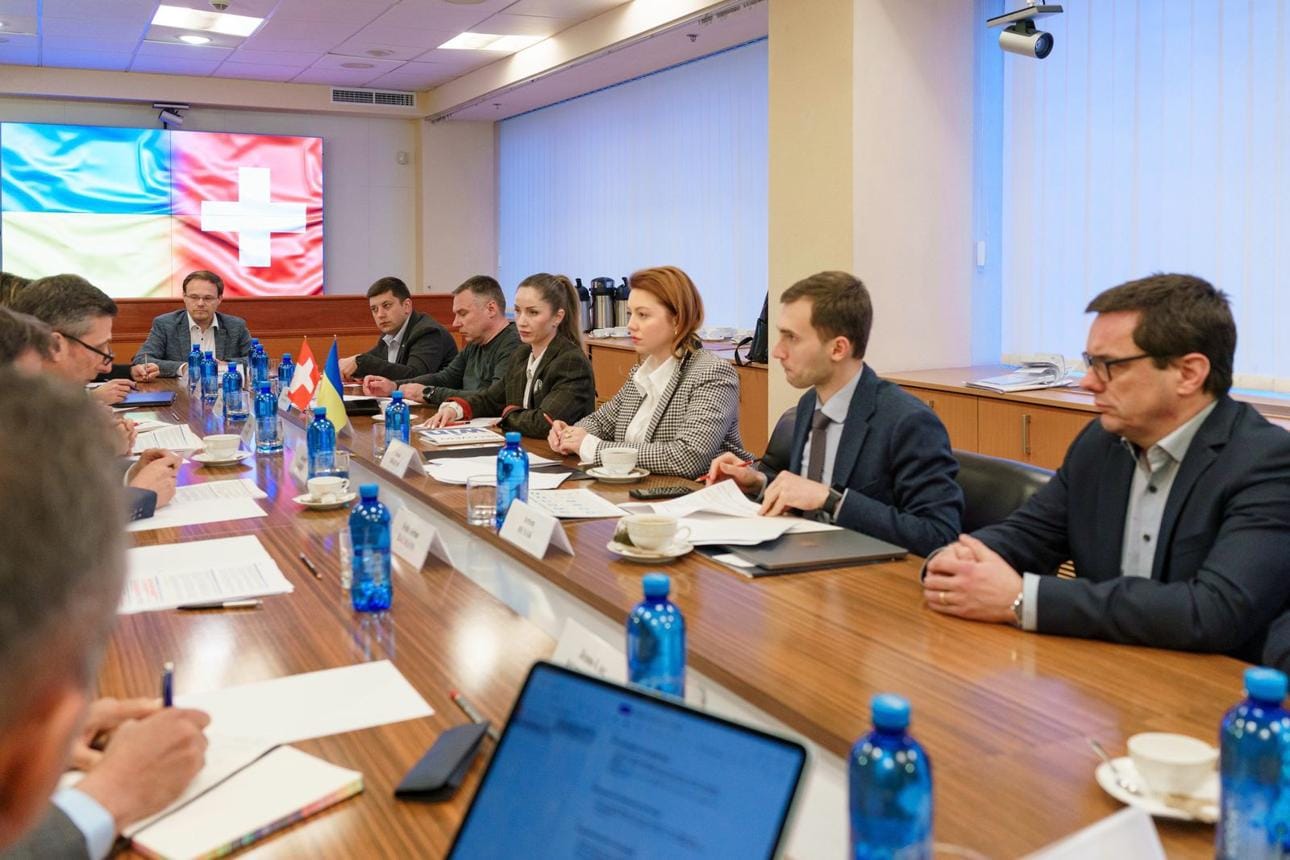
Switzerland has approved a new bilateral agreement that will allow private companies to participate in the reconstruction of Ukraine, marking a significant shift in its development cooperation approach.

Both chambers of the Swiss Parliament supported the agreement, which was originally signed in July 2025. The decision enables Swiss companies— including those not currently operating in Ukraine— to take part in rebuilding infrastructure in the war-affected country.

Under the new system, reconstruction projects will be managed through official tenders organised by Swiss authorities, based on requests from Ukrainian institutions. This ensures that projects are coordinated transparently while expanding opportunities for Swiss businesses in international development work.

The government noted that this form of “tied aid,” which links development assistance with domestic economic participation, required a legal basis because it does not fully align with existing Swiss development cooperation law.

Authorities also highlighted that financial risks, including corruption concerns, are reduced because funds will not be transferred directly to Ukrainian state bodies. Instead, payments will go directly to Swiss companies delivering approved projects.

The initiative reflects Switzerland’s broader effort to combine humanitarian support with economic engagement while contributing to Ukraine’s long-term reconstruction and stability.

Association for Burn Victims Founded After Crans-Montana Fire.

A new organisation called Initiative Phoenix has been founded in Switzerland to support victims of the devastating Crans-Montana fire disaster, which killed 41 people and left 115 injured.

The association was created five months after the tragedy and aims to improve medical care, rehabilitation, and long-term support for burn victims. It focuses on promoting medical innovation in burn treatment and strengthening cooperation between international specialists.

Initiative Phoenix also plans to develop practical therapeutic guidelines for victims and their families. These recommendations will be created through collaboration between doctors and experts, allowing affected individuals to access structured medical and psychological support.

The organisation will further support humanitarian, scientific, and social initiatives related to severe accident recovery. A key goal is to improve coordination between medical institutions treating serious burn injuries across Switzerland and abroad.

The project was initiated by Belgian plastic surgeon Johann Wary, who resides in Crans-Montana. He is supported by a medical committee consisting of six Swiss and Belgian doctors, including specialists from CHUV Lausanne, one of Switzerland’s leading university hospitals.

The initiative reflects growing efforts to provide long-term care and structured recovery pathways for victims of large-scale disasters.

Digital Skills in Switzerland Show Strong Access but Clear Inequalities.

Switzerland continues to perform strongly in digital development, but a new report from the Federal Statistical Office (FSO) highlights significant gaps in digital skills across different population groups.

Overall, Switzerland ranks above the EU average in internet access, online services, and digital abilities. Nearly all households—about 99%—have internet access, and most people use the internet daily. However, the report confirms that access alone does not guarantee equal digital participation.

Older adults, people with lower levels of education, and individuals in lower-skilled occupations face the greatest challenges. While more than three-quarters of people aged 16 to 74 have basic digital skills, this figure drops sharply among those over 60 and those without post-compulsory education.

The gap becomes more visible in the use of digital services. Around 81% of residents use e-banking, but only 62% of people over 60 do so. The difference is even more striking in artificial intelligence usage, where 75% of young people aged 15–29 use AI tools compared to just 15% of older adults.

Gender differences also remain. Men use generative AI more often than women, while higher education levels strongly correlate with better digital skills.

The FSO warns that digital inclusion must improve so that all citizens can fully participate in modern society, especially as services increasingly move online.

Swiss Parliament Approves Funding for EU Research Programmes.

Switzerland has taken another important step in strengthening its position in international research and innovation. The Swiss Parliament approved CHF58.3 million in funding for European Union research programmes as part of a supplementary 2026 budget package worth nearly CHF90 million.

The funding will support Switzerland’s participation in major European research initiatives, including Horizon Europe and Euratom. Lawmakers emphasized that maintaining access to these programmes is crucial for Swiss universities, researchers, scientists, and technology companies that rely on international collaboration and advanced research networks.

Parliament reduced the government’s original request of CHF67.3 million by removing a reserve fund that was no longer necessary. Despite the reduction, the approved funding ensures Switzerland can continue contributing to and benefiting from some of the world’s largest research and innovation projects.

Supporters of the measure argued that Switzerland must remain connected to global scientific developments and avoid another period of exclusion from key European research platforms. They stressed that research cooperation plays a vital role in driving innovation, economic growth, technological advancement, and international competitiveness.

The budget supplement also includes additional funding for the European Space Agency, Swiss rail cargo services, and transportation infrastructure projects. The decision highlights Switzerland’s continued commitment to science, technology, and international research partnerships.

Swiss Scientists Develop New Gene Clock.

An international research team with Swiss participation has developed advanced “gene clocks” capable of measuring biological age and predicting lifespan in real time. The breakthrough study could transform future ageing research and health monitoring.

Scientists analysed more than 11,000 tissue samples collected from mice, rats, macaques, and humans. Researchers discovered that molecular ageing patterns inside the transcriptome remain remarkably similar across species and cell types.

The study reveals that ageing activates genes linked to inflammation, cell damage, and programmed cell death. At the same time, genes responsible for tissue repair, wound healing, and regeneration become less active as the body grows older.

Using this data, researchers created highly dynamic transcriptome clocks that can measure biological ageing more accurately. To validate the technology for humans, scientists tested the system using data from over 50,000 participants in the UK Biobank.

Experts say the new gene clocks perform similarly to modern epigenetic ageing clocks already used in scientific research. However, transcriptome clocks offer a major advantage because they respond quickly to changes happening inside cells in real time.

Researchers believe this technology could help scientists evaluate the effectiveness of anti-ageing treatments, diets, and medicines much faster than current methods. The discovery may open new opportunities in personalised healthcare and longevity research.

The study involved ETH Zurich researcher Adrian Molière and was led by Harvard Medical School scientist Vadim Gladyshev.

Greenpeace Warns on Swiss Russian Uranium Dependence.

Environmental organisation Greenpeace claims Swiss nuclear power plants still depend heavily on Russian uranium supplies more than four years after the Ukraine war began. The group warns that changing uranium mining locations alone will not fully remove Switzerland’s energy links to Russia.

Swiss energy company Axpo previously announced a partnership with Kazatomprom, Kazakhstan’s leading uranium producer, to diversify nuclear fuel sourcing for Switzerland’s reactors.

According to Greenpeace, Russian nuclear giant Rosatom remains deeply involved in the global uranium supply chain. Much of the uranium mined in Kazakhstan still travels through Russia before reaching European markets, making complete independence difficult.

Greenpeace also highlights concerns about uranium traceability. During the enrichment process, uranium from different sources mixes together, making it nearly impossible to confirm the exact origin of nuclear fuel used in Swiss reactors.

The NGO argues that Switzerland’s continued reliance on nuclear energy increases geopolitical risks and leaves the country vulnerable to foreign influence. Greenpeace urges Switzerland to accelerate investment in renewable energy sources to achieve long-term energy independence.

However, Axpo rejects claims of ongoing Russian dependency. The company says its fuel supplies for the Beznau and Leibstadt nuclear plants have not depended on Russian sources since 2022 due to existing reserves and new contracts.

Axpo states that it signed new uranium procurement agreements in 2025 with suppliers from Canada and Kazakhstan. The company adds that uranium processing now takes place in countries including France, Germany, the Netherlands, Britain, and the United States.

The energy company further confirms that since spring 2026, it no longer maintains active contracts involving Russian uranium and says no direct or indirect payments flow to Russian entities.

Polish President Visits Switzerland in Bern Ceremony.

Polish President Karol Nawrocki receives full military honours during an official visit to Switzerland in Bern on Wednesday. Swiss leaders welcome him at Parliament Square, highlighting strong diplomatic and economic relations between the two countries.

President Nawrocki states that relations between Poland and Switzerland remain “of very high quality,” while Swiss officials confirm that cooperation between Bern and Warsaw has “never been better.”

Both nations focus discussions on strengthening economic ties, with Poland emerging as Switzerland’s most important trading partner in Central Europe. In 2025, bilateral trade reaches nearly CHF 6.5 billion, reflecting growing commercial cooperation.

Switzerland continues to support Poland through its EU cohesion contribution, with Warsaw receiving around CHF 320 million. The funding supports infrastructure upgrades in medium-sized Polish cities and promotes research and innovation projects.

Swiss officials emphasize that improved infrastructure in Poland also benefits Swiss companies operating in the region. The visit reinforces long-term economic collaboration and political goodwill between the two European partners.

Switzerland PFAS Food Rule Sparks Debate.

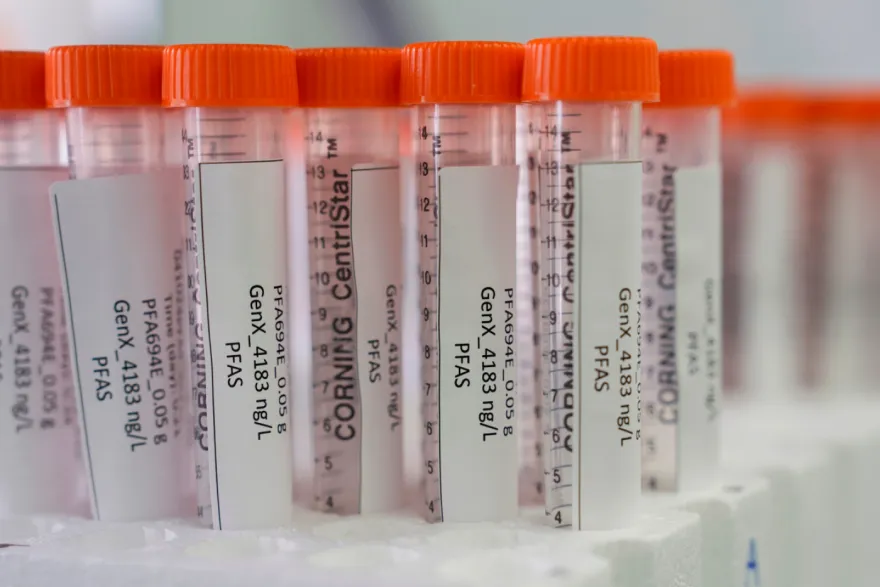
The Swiss government proposes a temporary rule that allows food producers to blend animal products containing higher levels of PFAS, known as “forever chemicals,” into final food items as long as the end product stays within safety limits.

The Federal Council opens a public consultation and invites stakeholders to comment on the proposal until September 18. The measure aims to support farmers who need more time to meet strict PFAS contamination standards.

PFAS chemicals are found in multiple regions of Switzerland and can enter the food chain through contaminated soil and water. These substances have been linked to potential health risks, leading Switzerland to enforce maximum PFAS limits for meat, fish, and eggs since 2024.

Under the proposed three-year transition plan, consumers will receive clear information if food products include blended ingredients that exceed PFAS limits before processing. The government also considers financial support for affected farms facing contamination challenges.

Parliament urges the Federal Council to protect farmers’ livelihoods while ensuring food safety. A separate special law to support contaminated farms is expected to go into consultation in March 2027.

Swiss Construction Growth Driven by Housing Demand.

The Swiss construction industry started 2026 with strong growth, driven mainly by rising residential property demand across the country.

According to the Swiss Builders Association, total activity in building construction and civil engineering increased by 5.6% to CHF 4.98 billion between January and March 2026. Residential construction recorded the strongest performance, rising by 7.4% during the same period.

The growth is supported by sustained demand for new housing projects. Low interest rates and limited housing availability continue to encourage residential development across Switzerland.

However, civil engineering growth remained weak, increasing by only 0.1%. The public sector reduced investment activity, which slowed overall infrastructure development. Rising material costs, particularly bitumen prices influenced by global geopolitical tensions, also added pressure to the sector.

The Swiss Builders Association expects the second half of 2026 to grow at a slower pace. While residential construction is expected to remain stable, civil engineering may face uncertain conditions due to external economic and political factors.

Despite global challenges, supply chain conditions have improved significantly. Only 6% of construction companies currently report material shortages, compared to nearly 50% during the post-Ukraine war disruption period.

Overall, Switzerland’s construction sector remains stable, with housing demand continuing to be the key driver of growth.

Crans-Montana Fire Rescue Team Wins International SAR Award.

The emergency response teams involved in the Crans-Montana bar fire in Switzerland have received international recognition, winning the “Search and Rescue Mission of the Year” award for their coordinated life-saving operation.

The award was presented in London on May 15 to around 250 health and emergency service personnel who responded to the deadly fire on January 1. The incident required a large-scale, multi-agency rescue effort under extremely challenging conditions.

Organizers said the award recognizes a dramatic operation that had a profound impact on both victims and first responders. It highlights the professionalism and coordination of all teams involved in managing the crisis.

The Valais Cantonal Rescue Organisation (KWRO) played a central role in coordinating the response. The operation brought together emergency call services, ambulance teams, air rescue units, emergency physicians, and hospital services in a highly integrated system.

Officials described the response as “unusually large in scale,” emphasizing the effectiveness of the Valais emergency model in handling mass casualty incidents.

The recognition comes amid ongoing legal and investigative scrutiny related to the fire, but authorities say the award specifically honors operational excellence and teamwork during the emergency response.