Indian Regulator Targets Owner of Swiss Gold Refinery Valcambi

A major financial controversy has emerged involving Rajesh Exports, the Indian company that owns Switzerland-based gold refinery Valcambi. India’s stock market regulator has accused the company of significant accounting irregularities and claims that its turnover may have been overstated by approximately $159 billion (CHF 127 billion) over several years.

In a provisional ruling released on Wednesday, the regulator stated that Rajesh Exports allegedly presented an inflated and misleading picture of its financial strength and business scale. As part of the action, Chief Executive Officer and majority shareholder Rajesh Mehta has been temporarily barred from trading shares of the company until further notice.

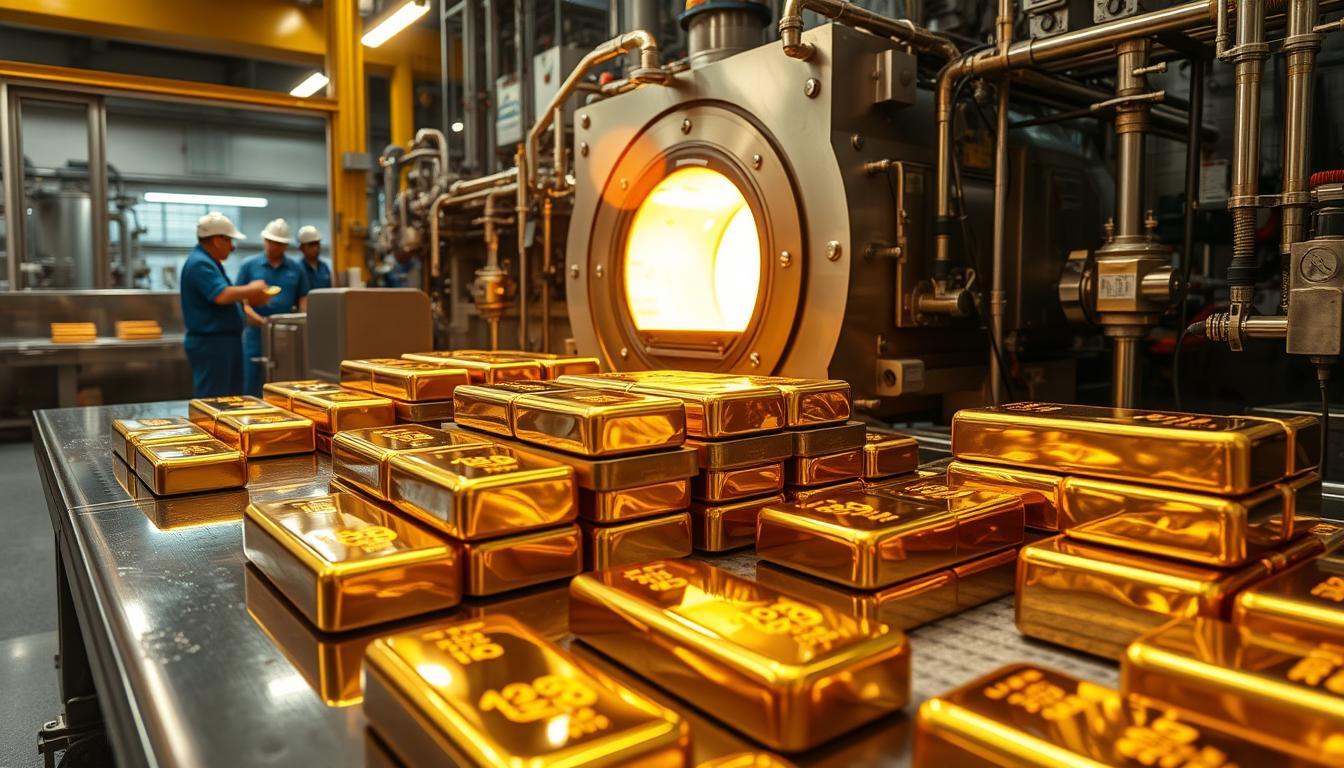
The investigation centers on Valcambi, one of the world’s most recognized gold refineries, located in Ticino, Switzerland. Rajesh Exports acquired Valcambi in 2015 for approximately $400 million. According to the regulator, a large portion of the group’s reported revenue originated from foreign subsidiaries, particularly the Swiss refinery.

Authorities criticized the company for failing to disclose important financial information related to Valcambi and several other overseas subsidiaries. Regulators noted that Valcambi’s audited financial statements reportedly showed substantially lower sales figures than those reflected in the group’s consolidated accounts.

The regulator believes these discrepancies may indicate that the overall operational size and turnover of the company were significantly overstated for an extended period. The investigation began in 2024 after a shareholder submitted a formal complaint regarding the company’s financial reporting practices.

Importantly, the ruling does not accuse Valcambi itself of any wrongdoing. The allegations currently focus on Rajesh Exports and its management team. The Swiss refinery has not been directly implicated in the accounting concerns raised by Indian authorities.

The case is expected to attract significant attention from investors, financial regulators, and the global precious metals industry as further details emerge in the coming months.
Swiss Team Faces Snake Threat at World Cup Camp.

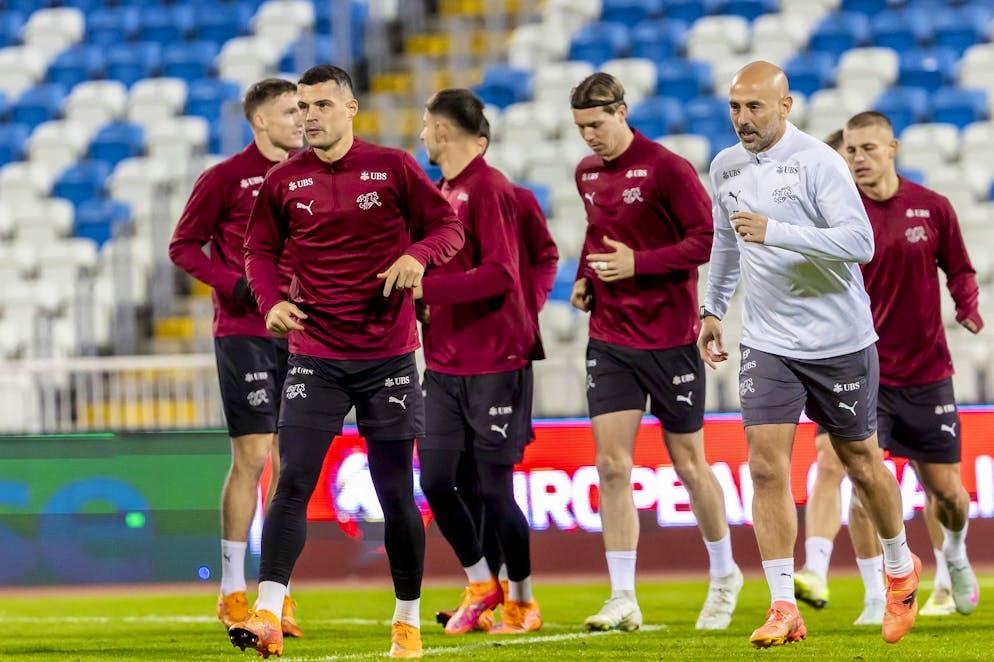
As Switzerland prepares for its opening match of the FIFA World Cup, the national football team has encountered an unexpected challenge at its training base in San Diego, California. Beyond adjusting to warm and humid weather conditions, players have now been warned about the presence of venomous snakes near their training facilities.

The Swiss national team selected the San Diego Jewish Academy as its training centre ahead of the tournament. However, the area surrounding the complex has reportedly been identified as a snake habitat. Team officials highlighted the issue by marking a large section of the training camp as a “Snake Zone” and warning players to stay cautious while moving around the grounds.

The situation gained widespread attention after the Swiss Football Association shared a map of the training camp on social media. The image showed various sections of the facility, including training pitches, gym areas, and changing rooms. Fans quickly noticed a large red-marked area carrying the warning “Beware of Snakes,” which soon went viral online.

According to the San Diego Museum of Natural History, the region is home to four species of venomous rattlesnakes. While snake encounters remain relatively rare in controlled environments, authorities advise visitors to remain alert and avoid disturbing wildlife.

Switzerland is not the only national team facing reptile-related concerns. Norway’s squad, including star striker Erling Haaland, also received warnings about dangerous snakes near their World Cup training camp in Greensboro, North Carolina. Local authorities informed players that copperhead snakes are common in the region and should not be approached under any circumstances.

Despite the unusual challenge, Swiss players remain focused on their World Cup preparations. Team officials continue to monitor the situation while ensuring that all safety measures are in place so the squad can concentrate on football rather than unexpected wildlife encounters.

Greenpeace Sparks Row Over Swiss Nuclear Plans.

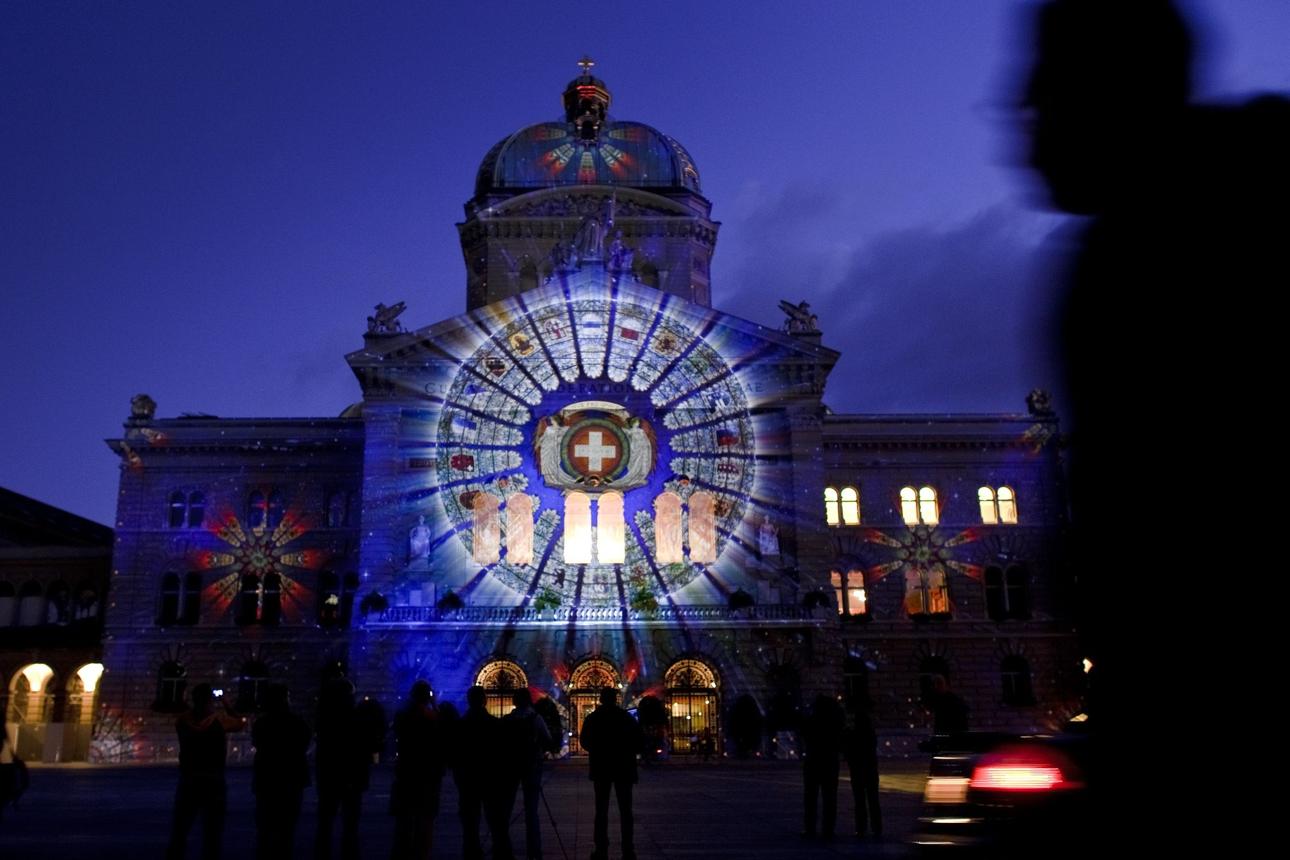
Environmental organization Greenpeace Switzerland staged a striking protest on Monday evening by projecting an image inspired by Edvard Munch’s famous painting “The Scream” onto the Federal Palace in Bern. The action coincided with a parliamentary debate on proposals that could pave the way for the construction of new nuclear power plants in Switzerland.

The protest followed the start of discussions in the National Council regarding the popular initiative “Anytime Electricity for All (Stop the Blackout)” and a related counterproposal. The counterproposal would remove the legislative ban on building new nuclear power stations in Switzerland.

Greenpeace criticized lawmakers for what it described as an attempt to undermine Switzerland’s energy transition goals. The projected artwork combined elements of The Scream with a radioactive warning symbol, highlighting the organization’s concerns about nuclear energy. Another projection featured Russian President Vladimir Putin alongside a nuclear cooling tower, drawing attention to geopolitical concerns linked to uranium supplies.

According to Greenpeace Switzerland energy expert Lukas Bühler, a return to nuclear energy would increase the risks associated with nuclear accidents and generate additional highly radioactive waste. He also argued that nuclear power would create long-term dependence on foreign uranium suppliers, including countries such as Russia and Kazakhstan.

The debate reflects a broader discussion in Switzerland about how to secure reliable electricity supplies while meeting climate and energy objectives. Supporters of nuclear energy argue that it can provide stable, low-carbon electricity, while opponents believe renewable energy sources offer a safer and more sustainable path forward.

As lawmakers continue to examine the proposal, the future of Switzerland’s nuclear policy remains a highly debated issue across the country.

Switzerland Building Permit Approval Time Guide.

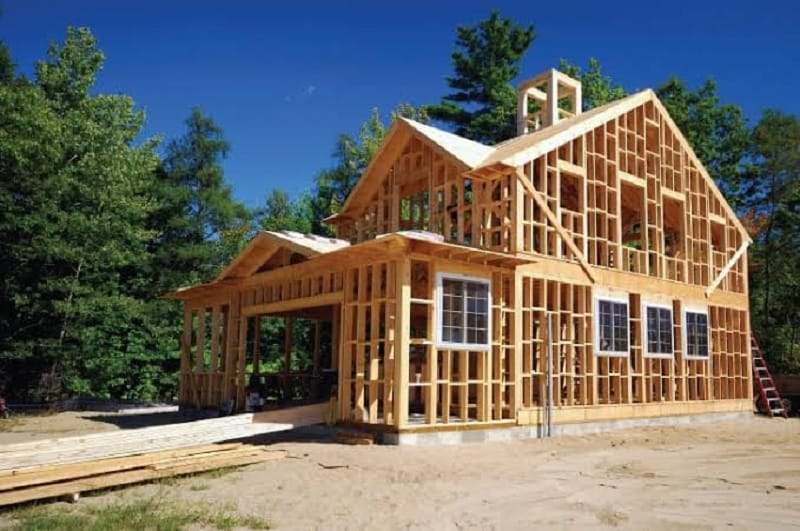
In Switzerland, obtaining a building permit (Baubewilligung) is a structured process that varies depending on location and project type. The approval time is not fixed nationwide and changes from canton to canton and municipality to municipality.

For a single-family house, authorities typically process the application within 2 to 4 months if all documents are complete and no objections arise. Smaller projects with clear planning often receive faster approvals.

For larger residential buildings or complex construction projects, the approval period usually extends to 3 to 6 months or more. These projects require deeper technical evaluation, zoning checks, and environmental assessments.

Delays often occur when neighbors file objections (opposition/appeals). In such cases, the approval process can extend by an additional 6 to 18 months, especially if legal disputes arise or revisions are required.

For example, in Zurich, standard building applications often take around 5 months to process. In some parts of Basel, authorities may complete straightforward applications within approximately 3 months if all requirements are met.

Overall, Switzerland maintains a strict but efficient planning system. Applicants who submit complete documentation and comply with zoning laws usually receive faster approval.

Why Gstaad Is Now Europe’s Most Expensive Alpine Property Market.

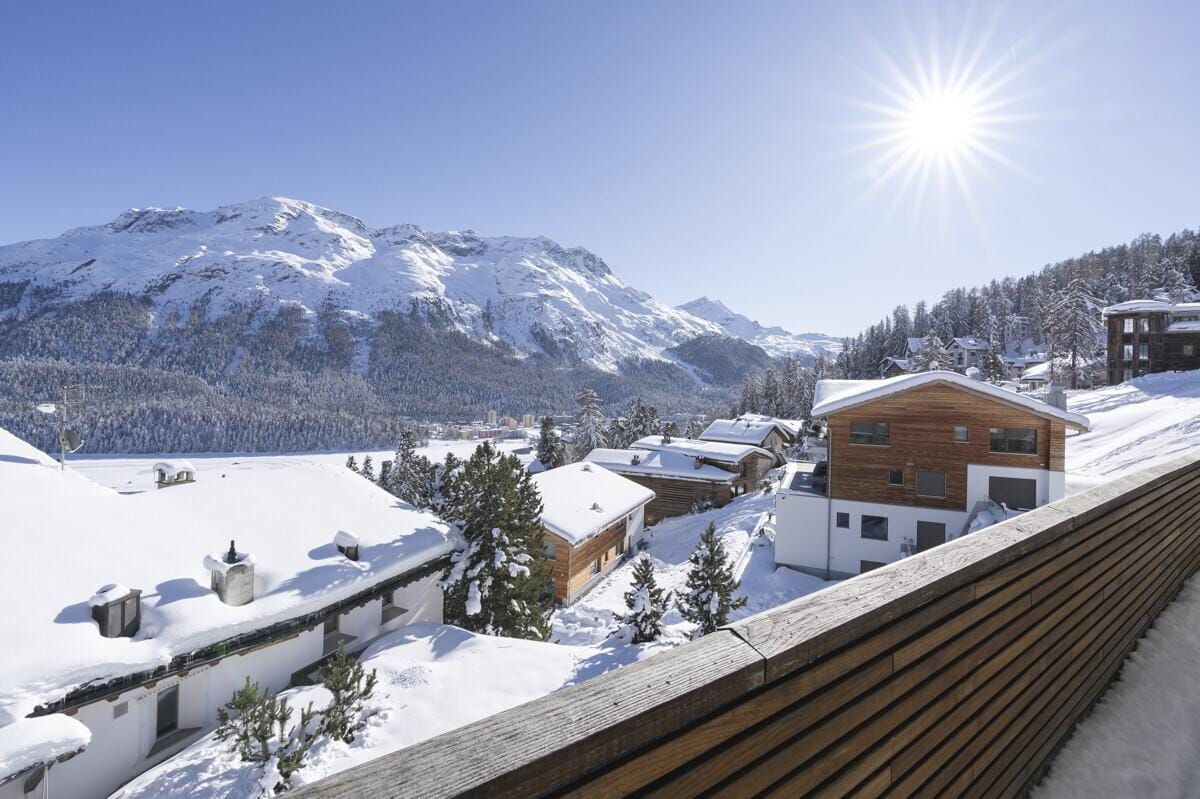
Switzerland continues to dominate the European Alpine holiday home market, with Gstaad securing the position as the most expensive mountain resort for luxury properties. According to a recent UBS study, premium chalets and apartments in Gstaad now average around CHF 25,000 per square metre, making it the highest-priced Alpine destination in Europe.

Engadin/St. Moritz follows closely with average prices reaching CHF 24,000 per square metre. Other prestigious Swiss destinations including Verbier, Andermatt, and Zermatt complete the top five rankings, with luxury properties starting at approximately CHF 21,000 per square metre. The findings highlight Switzerland’s continued strength in the luxury real estate sector.

Outside Switzerland, France’s Courchevel ranks as the most expensive foreign Alpine resort, with property prices averaging around €20,000 per square metre. Austria’s Kitzbühel follows at approximately €16,000, while Italy’s Cortina d’Ampezzo records average prices of about €13,000 per square metre.

The Alpine property market continues to benefit from growing tourism, major international sporting events, and improved financing conditions. Across Europe’s mountain resorts, holiday apartment prices increased by nearly 4% over the past year. Switzerland and Italy recorded the strongest growth rates, approaching 6%, while Austria experienced a recovery with growth exceeding 3%.

Remote working trends are also driving demand for mountain properties. Younger professionals increasingly seek flexible lifestyles that combine work and nature. At the same time, rising temperatures in urban areas have made cooler Alpine destinations more attractive for both investors and homeowners. Longer life expectancy and demand from retirees further support the market’s growth.

Industry experts expect Swiss Alpine property values to continue rising in the coming years. Switzerland remains highly attractive due to its economic stability, strong currency, investor confidence, security, privacy, and favorable tax environment. These advantages continue to position Swiss mountain resorts among the most sought-after real estate destinations in Europe.

UBS CEO Sergio Ermotti Dismisses Relocation Rumours, Reaffirms Swiss HQ.

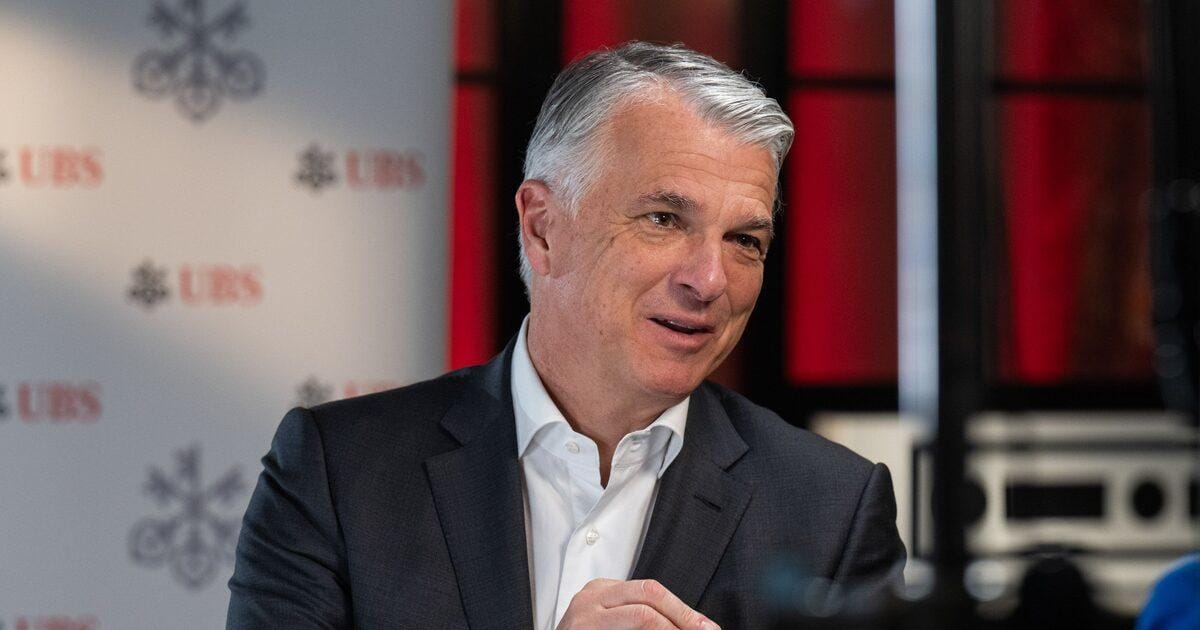
UBS Chief Executive Officer Sergio Ermotti has reaffirmed the bank’s long-term commitment to Switzerland, dismissing ongoing speculation about a possible relocation of its headquarters.

Speaking amid renewed debate over Swiss banking regulations, Ermotti stressed that UBS remains firmly anchored in Switzerland, despite tensions with the federal government over proposed changes to capital requirements.

The dispute centres on a plan by the Federal Council to require UBS’s foreign subsidiaries to be fully backed by equity capital. The measure is intended to strengthen financial stability and reduce systemic risk in the banking sector.

UBS has opposed the proposal, arguing that stricter capital rules could weaken its global competitiveness and limit its operational flexibility in international markets.

The disagreement has repeatedly triggered speculation that UBS might consider shifting parts of its operations abroad. However, Ermotti has consistently rejected such rumours, emphasizing that Switzerland remains the bank’s strategic and operational base.

The Swiss government maintains that stronger capital buffers are necessary given UBS’s size and global exposure, particularly following its takeover of Credit Suisse, which significantly expanded its balance sheet.

Despite regulatory tensions, UBS leadership continues to highlight the importance of Switzerland as a stable financial hub and key location for global banking operations.

The latest remarks from Ermotti aim to reassure markets and policymakers that UBS intends to maintain its headquarters in Switzerland while continuing discussions with regulators on future capital rules.

Roche Criticizes US and China Protectionism, Calls Tariff Policy “Blackmail”.

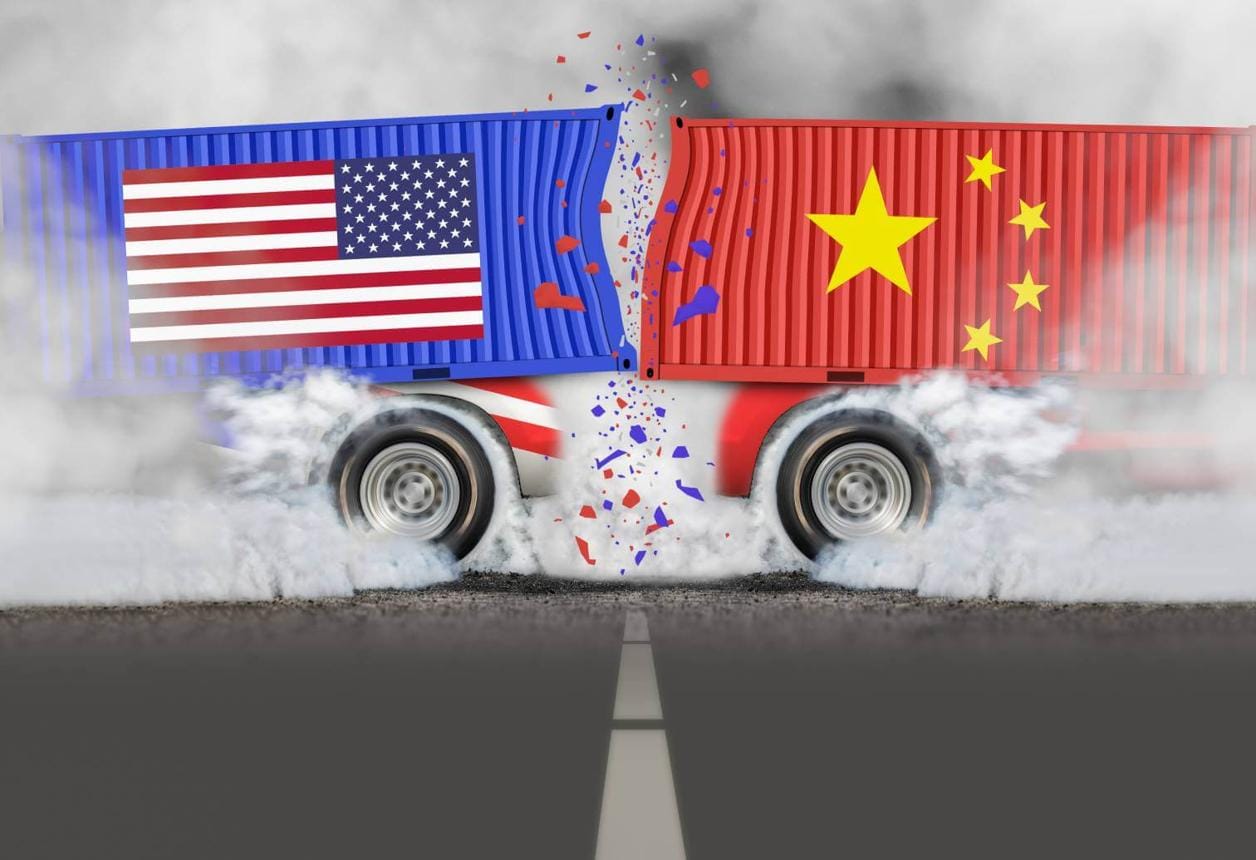
Roche Chair Severin Schwan has strongly criticized rising protectionist trade policies in the United States and China, describing US tariff strategies as a form of “blackmail” during remarks at the Swiss Economic Forum in Interlaken.

Schwan warned that the world’s two largest pharmaceutical markets are increasingly using their economic dominance to force companies to shift value creation within their borders. He said this trend is significantly disrupting the global structure of the pharmaceutical industry.

According to Schwan, both the United States and China are pursuing policies that prioritize domestic production and investment, creating pressure on international pharmaceutical firms to adapt their supply chains and operational strategies.

The comments come after Roche, alongside other major pharmaceutical companies including Novartis, reached an agreement with the US government in late 2025. The deal includes price reductions for certain medicines produced by Roche subsidiary Genentech, in exchange for a temporary exemption from US pharmaceutical tariffs.

Roche has also committed to large-scale investment in the United States, reportedly totaling around $50 billion, as part of efforts to maintain market access and regulatory stability.

However, Schwan argued that such arrangements are not genuine partnerships but rather one-sided pressures imposed by powerful markets. He stated that companies are effectively forced into compliance under the “law of the strongest.”

In response to ongoing uncertainty, Roche has increased short-term exports to the United States while accelerating long-term plans to restructure its global supply chains. The company aims to reduce its dependence on politically sensitive markets, although Schwan acknowledged that such shifts could have negative consequences for other countries, including Switzerland.

The remarks highlight growing tensions between global pharmaceutical firms and major economic powers as trade policy becomes increasingly intertwined with industrial strategy.

Switzerland Marks 30 Years in Francophonie with Renewed Commitment.

Switzerland has reaffirmed its commitment to the International Organisation of La Francophonie as the country marks 30 years of membership in the global French-speaking community.

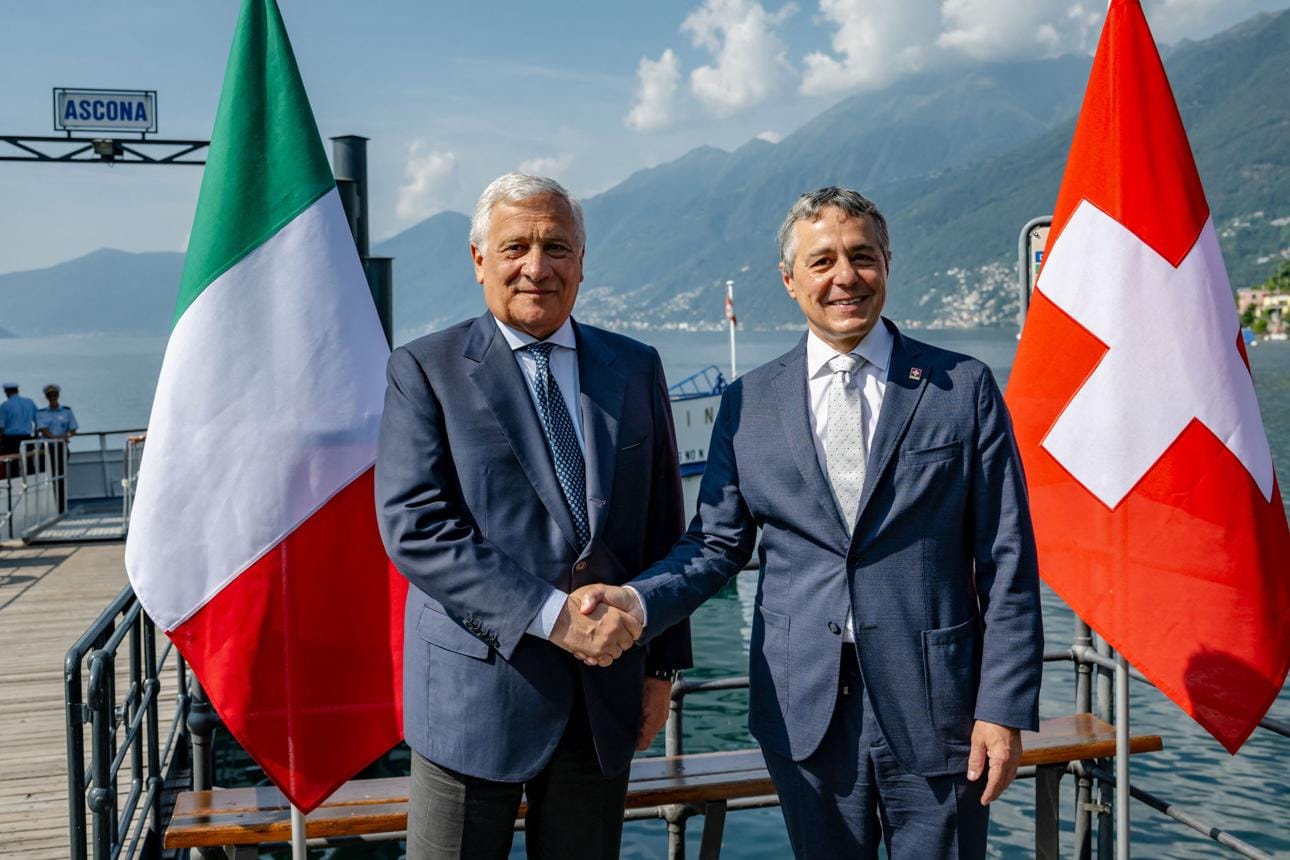
Foreign Minister Ignazio Cassis and Culture Minister Elisabeth Baume-Schneider met with Louise Mushikiwabo, Secretary-General of the Francophonie, in Bern on Thursday to celebrate the milestone and discuss the organisation’s future role.

During the discussions, Swiss officials emphasized the importance of maintaining a Francophonie that remains effective, relevant, and beneficial to its 90 member states and governments. They highlighted the organisation’s role as a platform for dialogue, cultural exchange, and international cooperation.

Speaking at the event, Baume-Schneider described the Francophonie as a privileged space for dialogue and influence. She noted that Switzerland contributes its unique experience in federalism, multilingual coexistence, mediation, and consensus-building, strengthening the organisation’s diplomatic value.

She also underlined that the French language serves as a bridge between cultures and continents, supporting mutual understanding and cooperation across diverse societies.

Since joining the organisation in 1996, Switzerland has viewed the Francophonie as an important forum for promoting democracy, peace, and human rights through linguistic diversity and shared cultural values.

For 2026, Switzerland’s contribution to the Francophonie amounts to CHF 4.1 million, making it the third-largest financial contributor after France and Canada, according to official figures.

The Observatory of the French Language reports that approximately 396 million people worldwide now speak French, highlighting the continued global relevance of the language.

The anniversary reinforces Switzerland’s role as a multilingual nation actively engaged in international cultural diplomacy and global dialogue.

Swiss Regulator Finds Gaps in Banks’ Money Laundering Risk Analysis.

Switzerland’s financial regulator FINMA has found that while banks and other financial institutions have strengthened their anti-money laundering (AML) measures, significant weaknesses remain in how they assess and manage risk.

In a report published on Thursday, FINMA stated that Swiss banks, asset managers, and other financial institutions are still not consistently applying robust risk analysis frameworks. The regulator emphasized that institutions must make better use of existing tools to identify and monitor high-risk financial activity.

Following a review process launched after investigations in 2023, FINMA examined the risk assessments of more than 30 banks and conducted additional supervisory checks across the financial sector. The findings revealed recurring shortcomings in how risks are recorded and evaluated.

According to FINMA, some institutions failed to document risks in sufficient detail, while internal control exceptions were applied too broadly. In addition, warning indicators designed to detect suspicious activity were often too weak or not clearly defined, increasing the chance that problematic client relationships could go unnoticed.

The regulator highlighted particular concerns around politically exposed persons (PEPs), complex corporate structures, and the growing use of crypto-related financial services. These areas, FINMA warned, require enhanced scrutiny due to their higher exposure to money laundering risks.

Although Switzerland’s financial sector has made progress in strengthening compliance systems, FINMA stressed that further improvements are necessary to ensure effective risk detection and prevention. The authority called on institutions to tighten internal controls and improve the quality of their monitoring processes.

The report reinforces Switzerland’s ongoing efforts to maintain the integrity of its banking system while adapting to increasingly complex global financial risks.

Swiss Army Mobilises 4,000 Soldiers for G7 Summit Security Near Evian.

Switzerland will deploy nearly 4,000 soldiers to support security operations for the upcoming G7 Summit taking place in neighbouring France near Evian from June 12 to 17.

The Swiss Defence Ministry confirmed that military personnel will assist cantonal authorities in Geneva, Vaud, and Valais to strengthen security across the border region. The main objective is to support civilian police forces, allowing them to focus on maintaining public order during the high-profile international event.

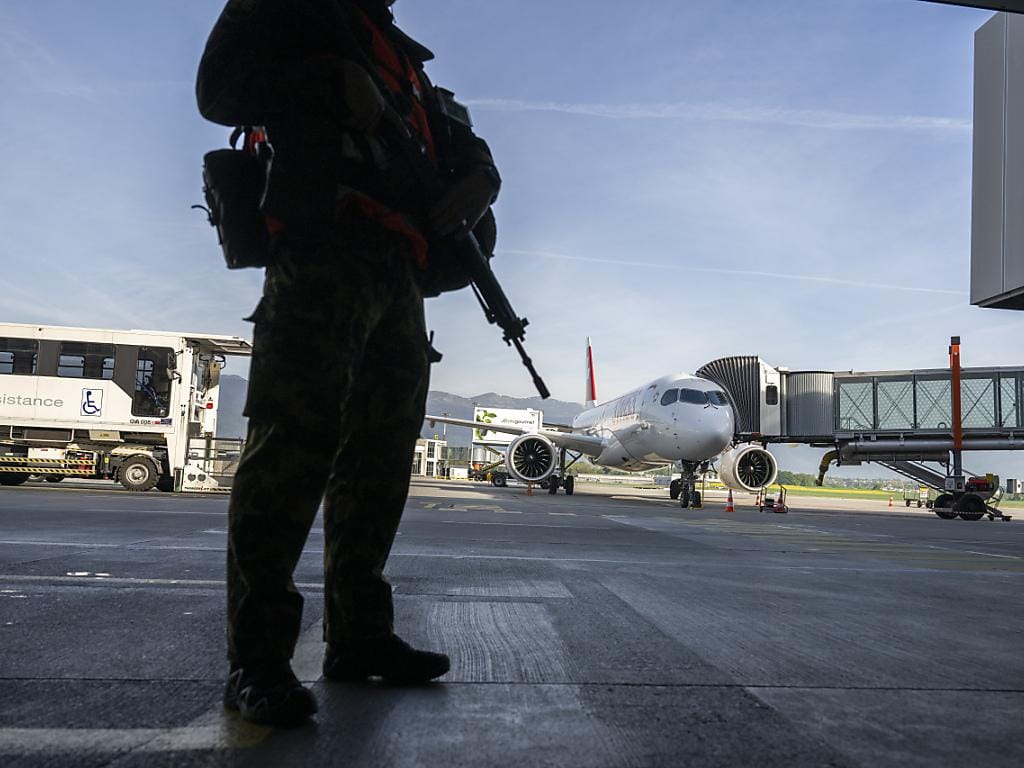
Key security responsibilities will include the protection of sensitive infrastructure such as Geneva International Airport, as well as assistance with border security operations. The Swiss Air Force will also reinforce air policing, with temporary airspace restrictions in place from June 10 to 18.

Authorities expect many international delegates to arrive via Geneva Airport before traveling across Lake Geneva to Evian. As part of the operation, Swiss forces will monitor key transport routes, the lake area, and surrounding regions.

The army will also contribute cyber defence capabilities, drone countermeasures, and protection against nuclear, biological, and chemical threats. However, Swiss military forces will not be involved in maintaining public order, which remains the responsibility of cantonal police.

All 1,500 police officers in Geneva will be deployed, supported by reinforcements from other cantons. Specialized equipment, including high-capacity water cannons from Germany, will also be made available to assist crowd control if necessary.

The large-scale security operation follows a request from regional authorities, as the cantons of Geneva, Vaud, and Valais prepare for increased pressure during the summit period. Swiss President Guy Parmelin has noted that discussions are ongoing regarding whether France will contribute to the significant security costs incurred by Switzerland.

At the same time, tensions have emerged over planned protests. The “No to G7” coalition has criticized restrictions imposed by Geneva authorities on demonstration routes and conditions, calling them overly restrictive. While a march has been authorized for the right bank of Geneva on June 14, requests for a protest village in Parc des Bastions were rejected.

Organizers have expressed concern over policing measures and fear potential clashes, recalling violent protests during the 2003 G8 summit in the region. Despite disagreements, the coalition has confirmed it will proceed with the demonstration, stating its intention to show international solidarity and opposition to global leaders.

The G7 security operation marks one of the largest coordinated Swiss support efforts in recent years, highlighting the country’s strategic role in safeguarding major international events held just across its border.