Swiss Expert Rejects “10 Million Population” Fear Claim.

A Swiss population expert has stated that Switzerland is unlikely to reach the controversial 10 million population threshold, even as political debate intensifies over immigration and population growth limits.

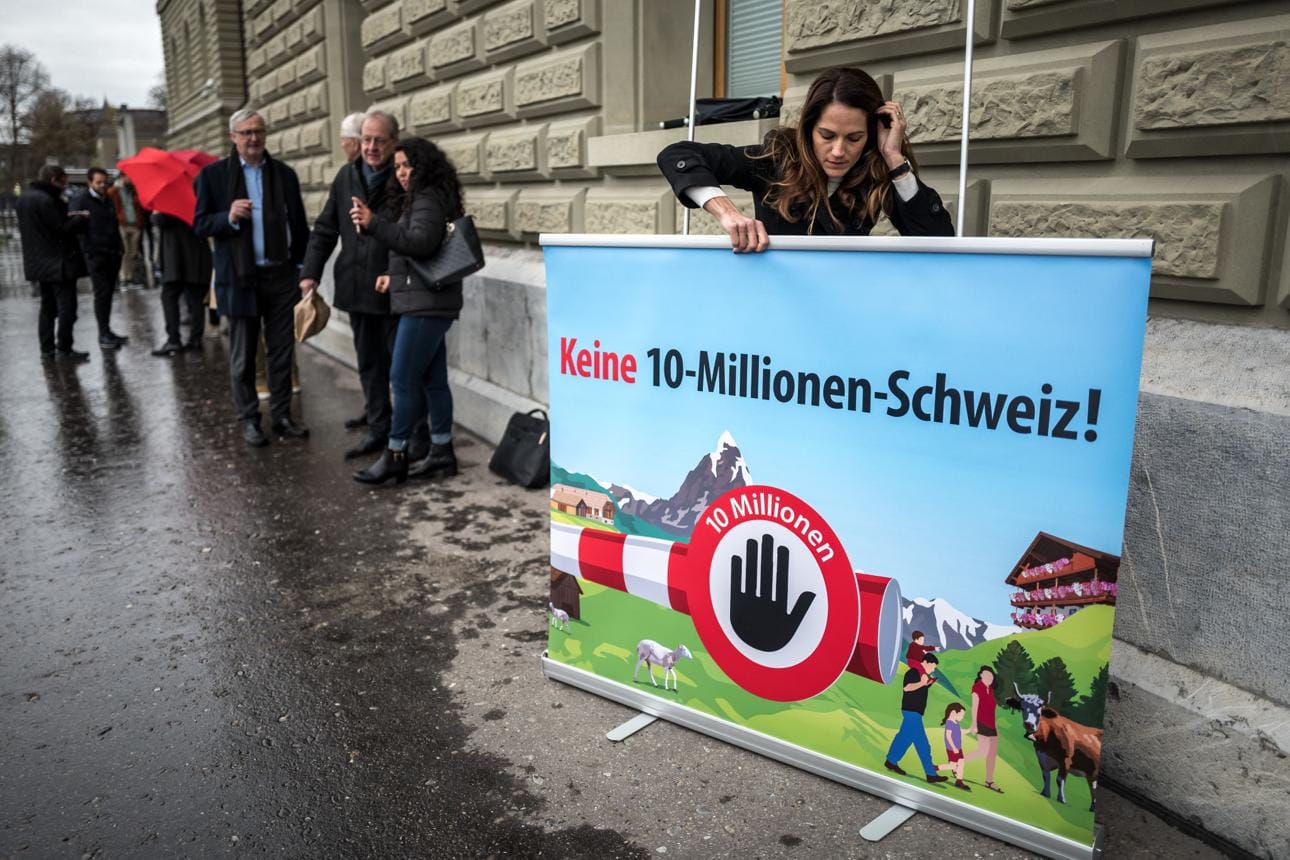
The discussion has been driven by a proposal titled “No to 10 Million Switzerland,” supported by the Swiss People’s Party, which aims to restrict population growth by limiting immigration into the country.

The initiative has gained significant public attention and is scheduled for a nationwide vote on June 14. The proposal argues that Switzerland should take stronger measures to prevent population growth from exceeding 10 million, mainly through tighter immigration controls.

However, a population specialist has challenged these concerns, stating that Switzerland is unlikely to reach the 10 million mark under current demographic trends. The expert’s remarks directly question the assumptions behind the initiative and its long-term projections.

The debate reflects broader tensions in Swiss politics over immigration, labor needs, housing pressure, and national identity. While supporters of the initiative emphasize limits on population growth, critics argue that Switzerland’s economy depends heavily on skilled migration.

As the vote approaches, the issue is expected to remain a central topic in Swiss political discourse, with strong opinions on both sides regarding the future direction of the country’s population policy.
Swiss March 8 Vote Campaigns Cost CHF11 Million.

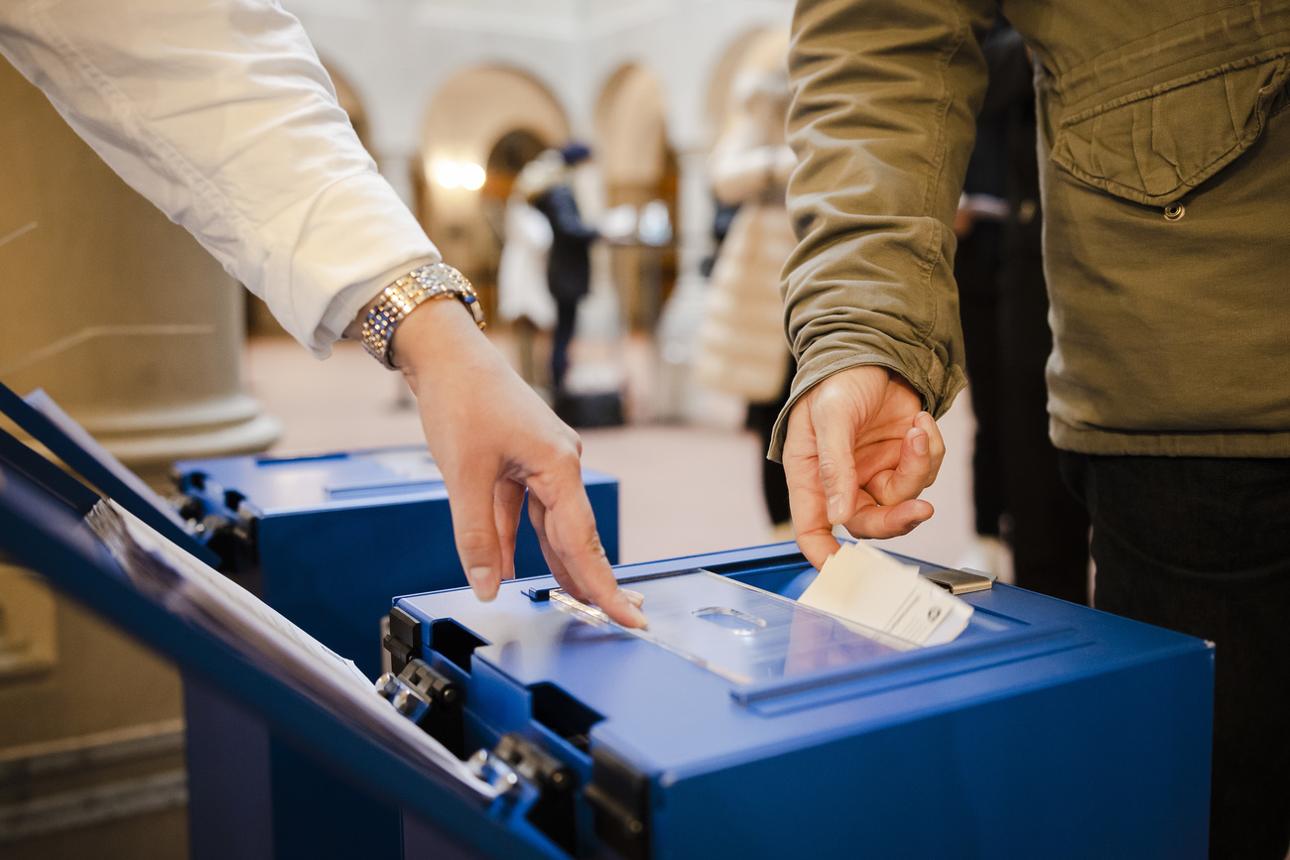
Political campaigns linked to Switzerland’s March 8 national votes cost a total of CHF10.7 million, according to final figures released by the Swiss Federal Audit Office.

The published data revealed that actual campaign spending exceeded the budgets initially announced before the vote by around 22%, reflecting stronger political mobilisation and advertising efforts during the campaign period.

The largest share of spending focused on the SBC initiative concerning Switzerland’s radio and television licence fee. Campaigns related to this proposal alone accounted for approximately CHF7.5 million.

Opponents of the initiative declared spending around CHF5.7 million, while supporters reported approximately CHF1.8 million in campaign costs. The proposal was ultimately rejected by voters.

The SBC initiative aimed to reduce the national radio and television licence fee to CHF200 and eliminate mandatory corporate contributions. Supporters argued the changes would reduce financial pressure on households and businesses, while opponents warned the cuts could weaken public broadcasting services in Switzerland.

Switzerland’s system of direct democracy often involves intensive public campaigns ahead of nationwide votes, with political groups, organisations, and industry associations investing heavily in advertising and outreach efforts.

The latest figures highlight the growing financial scale of political campaigning in Switzerland, particularly for issues related to media, public services, and national policy reforms.

Switzerland Voters Divided Over Proposal to Limit Population to 10 Million

A new opinion poll shows voters in Switzerland are evenly divided over a proposed referendum that aims to limit the country’s population to 10 million people before 2050.

The initiative, supported by the Swiss People’s Party (SVP), will go to a national vote on June 14. The proposal calls for stricter immigration controls and suggests Switzerland should end its freedom of movement agreement with the European Union if the population limit is exceeded.

According to a survey conducted by polling company GfS Bern for Swiss public broadcaster SRG, 47% of respondents support the proposal, while another 47% oppose it. The remaining participants said they were undecided. The poll included nearly 20,000 respondents and had a margin of error of plus or minus 2.8 percentage points.

Supporters of the proposal argue that rapid population growth is placing pressure on housing, transportation, healthcare, and public infrastructure across Switzerland. Concerns about overcrowding and rising living costs have increased public debate on immigration and urban development.

However, the Swiss government opposes the initiative and warns that ending free movement agreements with the European Union could harm Switzerland’s economy, labour market, and international cooperation. Business groups also fear that stricter immigration rules may create worker shortages and reduce economic growth.

Switzerland’s population recently surpassed 9 million people, and official statistics show that foreign nationals accounted for more than 27% of the country’s population in 2024.

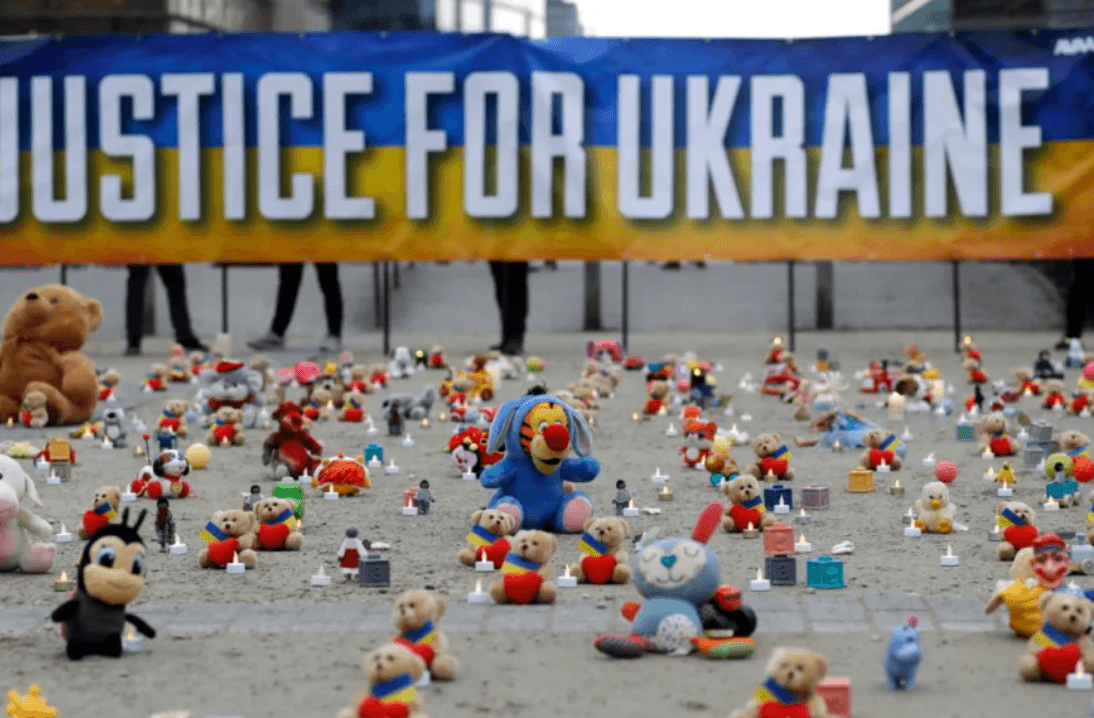
Switzerland Joins International Coalition to Return Ukrainian Children

Switzerland has officially joined the international coalition working to return Ukrainian children allegedly deported or forcibly relocated by Russia during the ongoing war in Ukraine.

Swiss authorities confirmed that the country has formally informed Ukraine and Canada about its decision to become a full member of the coalition. Until now, Switzerland had participated only as an observer in coalition meetings.

The international coalition was created by Canada and Ukraine in February 2024 and currently includes 47 countries and international organizations. The latest meeting of the coalition took place in Brussels, where Switzerland was represented by Ambassador Rita Adam.

According to coalition data, more than 20,000 reports of possible deportations and forced relocations of Ukrainian children by Russia have been documented since the start of the conflict. So far, 2,133 children have reportedly been returned to Ukraine from deportation, forced relocation, or territories under temporary occupation.

Swiss officials stated that joining the coalition fulfills a mandate approved by the Swiss parliament. Human rights organizations and international leaders continue to call for stronger international cooperation to protect children affected by war and support efforts to reunite families.

The move highlights Switzerland’s growing diplomatic involvement in humanitarian initiatives linked to the Ukraine conflict and international child protection efforts.

Switzerland Could Face Major Worker Shortages Under Anti-Immigration Proposal

Switzerland could face severe labour shortages if voters approve the proposed anti-immigration initiative, according to new economic and demographic studies.

Experts warn that Switzerland may experience a shortage of tens of thousands of workers in the coming years due to an aging population, low birth rates, and increasing retirements. Immigration currently plays a key role in filling positions across healthcare, construction, technology, hospitality, and manufacturing sectors.

Research estimates suggest the country could face a workforce shortage ranging between 87,000 and 245,000 employees depending on future immigration policies and economic conditions.

Swiss businesses and economic analysts say restricting immigration could place additional pressure on the labour market and slow economic growth. Many industries already struggle to recruit qualified workers, especially in highly skilled professions.

Supporters of the anti-immigration proposal argue that stricter migration controls would reduce pressure on housing, transportation, and public services. However, critics believe the measure could weaken Switzerland’s economy and create long-term workforce challenges.

Economists say foreign workers remain essential to maintaining Switzerland’s healthcare system, public infrastructure, and business operations. The debate over immigration continues to be one of the country’s most important political and economic discussions in 2026.