Swiss Wages Set to Rise by Up to 2% in 2026.

Average wages in Switzerland are expected to rise between 1.5% and 2% this year, broadly matching inflation levels. However, salary growth will not be evenly distributed across all professions or regions, according to a new labour market survey by job placement firm Adecco.

The report, based on more than 15,000 job interviews, shows that Swiss companies are increasingly focusing on targeted recruitment rather than expanding their workforce across all departments. This shift is creating a more selective salary structure, where only certain roles benefit from significant pay increases.

Specialist professionals are expected to see the strongest wage growth. In particular, workers with expertise in business transformation, artificial intelligence, and sustainability-related ESG (environmental, social, and governance) fields are in high demand. These niche skills are becoming essential as companies adapt to digitalisation and regulatory changes.

At the same time, most general job functions are expected to experience only moderate salary increases. Adecco highlights that salary progression is now more closely linked to measurable performance and project contributions rather than seniority or hierarchical position within a company.

The labour market continues to face a shortage of advanced technical skills, a situation made worse by the retirement of the baby boomer generation. This structural gap is increasing competition for highly qualified candidates and pushing salaries higher in specialised sectors.

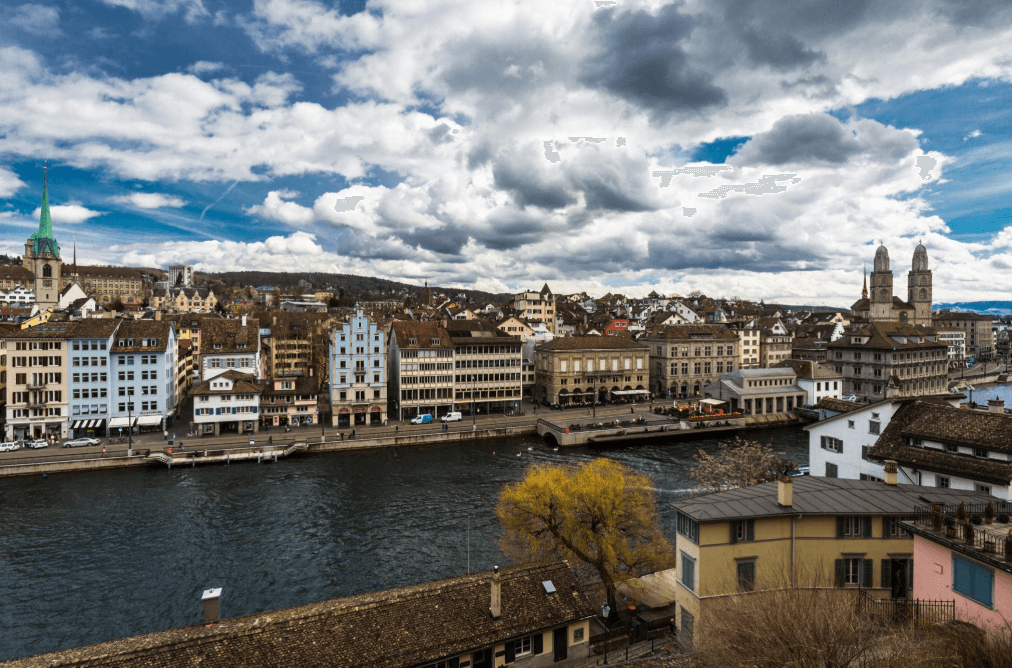
Regional differences also remain significant. The “Zurich premium” continues to influence national wage patterns, with employees working in or around Switzerland’s financial hub earning between CHF 5,000 and CHF 10,000 more per year compared to the national average.

Overall, while Swiss salaries are rising, the growth is uneven, reflecting a labour market increasingly shaped by specialised skills, regional demand, and performance-based pay structures.
Swiss Anti-Immigration Vote Could Hurt Economy.

Switzerland is preparing for a major national referendum that could significantly affect the country’s economy, workforce, and international border relations. The proposal, introduced by the Swiss People’s Party, aims to stop Switzerland’s population from exceeding 10 million people under the campaign slogan “No to 10 Million Switzerland.”

Swiss voters will cast their votes on June 14. Supporters of the proposal argue that limiting immigration will reduce pressure on housing, transportation, and public services. However, economic experts warn that the decision could create serious long-term problems for Switzerland.

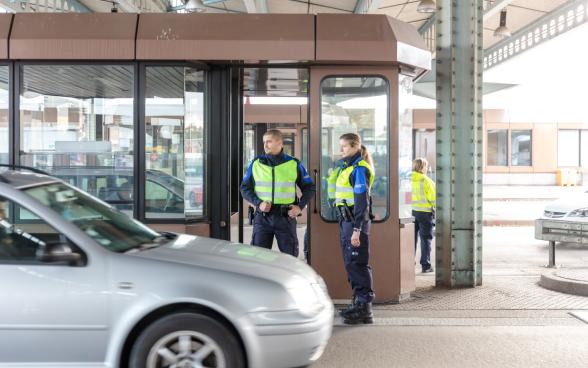
Research organization Ecoplan states that if the proposal succeeds, Switzerland could face difficulties within the Schengen zone. Neighboring countries including France, Germany, Italy, and Austria may introduce stronger border checks. These restrictions could heavily affect thousands of workers who cross borders daily for employment.

Regions such as Geneva, Ticino, and Basel are expected to face the biggest impact. Nearly 400,000 cross-border workers travel into Switzerland every day. If stricter controls begin at all borders, workers may experience delays of more than one hour while commuting.

Experts believe that many foreign workers may eventually stop working in Switzerland because of these delays and restrictions. Reports suggest that nearly two-thirds of cross-border employees could leave their jobs if the situation becomes difficult.

Healthcare services may suffer the most. Swiss hospitals and essential service sectors depend heavily on international workers. A reduction in foreign employees could create staff shortages and affect public services across the country.

Economic analysts warn that the referendum may weaken Switzerland’s economy, reduce workforce availability, and increase operational challenges for businesses. As the national vote approaches, the debate over immigration and economic stability continues to grow across Switzerland.

Swiss Technology SMEs Struggle Under Economic Pressure.

Small and medium-sized enterprises in Switzerland’s technology sector are facing growing economic pressure due to weak demand, currency challenges, and rising operating costs. According to the latest survey released by Swissmechanic, business confidence among SMEs in the machinery, electrical equipment, and metals industries remains deeply negative.

The business climate index for Swiss MEM industry SMEs stood at around minus 30 points in April 2026, continuing a prolonged downturn that has persisted since the end of 2023. Many companies report ongoing uncertainty and reduced customer demand across key industrial sectors.

The lack of incoming orders remains the biggest challenge, with 60% of surveyed companies identifying it as their main concern. Businesses are also struggling with the impact of the strong Swiss franc, which affects export competitiveness and profitability in international markets.

Around 41% of companies highlighted exchange rate fluctuations as a major issue, while 23% pointed to rising energy costs. These pressures have intensified since the beginning of 2026 and continue to affect operating margins across the industry.

Financial performance has weakened for many businesses. During the first quarter of 2026, approximately four out of ten SMEs reported a decline in EBIT margins, reflecting increasing cost pressure and reduced profitability.

Despite the difficult environment, some companies are attempting to protect jobs through short-time work programmes and internal efficiency measures. Around 18% of SMEs said they are maintaining their workforce despite declining earnings.

Investment activity also remains limited. Nearly one-quarter of surveyed companies stated they are unable to invest due to financial constraints, especially limited equity capital. Many firms are choosing to maintain current production capacity rather than expand operations during uncertain market conditions.

However, there are small signs of improvement in the Swiss technology industry. Exports from the MEM sector have increased for three consecutive quarters, and Switzerland’s purchasing managers’ index recently moved above the growth threshold for the first time since late 2022.

Even so, industry experts warn that a stable and long-term recovery has not yet been secured, and many SMEs continue to face significant economic uncertainty in 2026.

Asian Tourist Drop Slows Swiss Summer Tourism Growth.

Switzerland’s summer tourism sector is expected to slow down in 2026, mainly due to a sharp decline in visitors from Asia. According to the latest forecast from the KOF Swiss Economic Institute at ETH Zurich, overnight hotel stays are projected to fall by 1.6% to around 24.8 million.

Researchers highlight that the ongoing Iran conflict is having a significant impact on global travel patterns, particularly long-haul flights. Rising fuel costs, higher airfares, and longer or less secure flight routes are discouraging many international tourists from travelling to Switzerland this summer.

The study shows that foreign guest overnight stays are expected to decline by 2.9% to 13 million. The biggest drop is predicted in visitors from Asia, which could fall by around 10% to 1.5 million overnight stays. Chinese tourists are expected to see an even sharper decline of approximately 25.7%, reducing their total to 0.4 million.

Asian visitors play an important role in Switzerland’s tourism economy, especially in major cities where long-distance tourism supports hotels, retail, and guided services. Their share of foreign overnight stays is expected to drop from 12.4% in summer 2025 to about 11.5% this year.

While international tourism is weakening, domestic demand is showing slight growth. Swiss residents are expected to generate around 11.8 million overnight stays, marking a modest increase of 0.2%. European visitors are also expected to remain relatively stable at 6.7 million overnight stays, a slight decrease of 0.4%.

Experts explain that European travellers are less affected because they can still reach Switzerland easily by car, train, or short-haul flights. In contrast, long-distance travel markets are more sensitive to fuel prices and geopolitical uncertainty.

Looking ahead, the winter season 2026/27 is expected to remain stable, with around 18.7 million overnight stays forecast. Unlike the summer season, winter tourism relies more on regional visitors and Swiss residents, making it less vulnerable to global disruptions.

The KOF also noted that the previous winter season was strong overall, although momentum slowed towards the end due to weaker snow conditions and early effects of global conflict.

Swiss Old-Age Pension Payments Hit Record High.

Switzerland has reported a record rise in old-age pension payments, reflecting the country’s steadily ageing population. According to the Federal Social Insurance Office, a total of 2.64 million old-age pensions were paid out last year, marking a 1.6% increase compared to the previous year.

The data shows that Switzerland continues to experience a consistent rise in pension recipients. In the previous year, the number of beneficiaries had already increased by around 1.8%, adding approximately 44,000 new pensioners. In the latest reporting period, a further net increase of about 40,400 people was recorded.

By the end of 2025, the Swiss pension system was paying out a total of around 2.91 million pensions, including old-age pensions as well as widows’, widowers’, and orphans’ benefits. Notably, around one-third of these pensions are being paid to individuals living outside Switzerland, highlighting the global nature of Swiss retirement distribution.

Despite the growing number of beneficiaries, the Swiss pension system remained financially stable. It closed the year with a surplus, as total income exceeded expenditure by CHF1.8 billion. When investment income is included, the overall operating result reached CHF4.4 billion, although this was lower than the CHF5.6 billion recorded the previous year.

The continued growth in pension payouts reflects demographic changes in Switzerland, where an ageing population is placing increasing pressure on long-term social insurance systems. Policymakers continue to monitor sustainability measures to ensure that future generations receive stable retirement support.

The report has sparked renewed discussion about retirement planning, cost of living for pensioners, and the financial balance of Switzerland’s public pension system.

Swiss Cultural Sector Employment Declines in 2025.

The number of people working in Switzerland’s cultural sector declined significantly in 2025, according to new figures published by the Federal Statistical Office.

The report showed that around 282,000 people were employed in cultural professions during the year, representing a decrease of 4.8% compared to 2024. Officials noted that the scale of the decline is similar to the employment drop experienced during the Covid-19 pandemic period between 2019 and 2020.

The decline affected several groups more heavily, particularly male workers, Swiss nationals, and professionals based in French-speaking regions of Switzerland.

The Federal Statistical Office uses a broad definition of the cultural sector. Alongside musicians, performers, and visual artists, the category also includes workers such as graphic designers, museum accountants, and other creative industry professionals.

The report also highlighted concerns about financial well-being among cultural workers. According to survey findings from 2024, people employed in the cultural economy were less satisfied with their income and living conditions compared to the wider Swiss workforce.

More than one quarter of professionals in the cultural sector reported dissatisfaction with their financial situation, while the figure for the general working population was around one fifth.

Experts say the findings underline ongoing challenges facing the arts and creative industries in Switzerland, including economic uncertainty, rising living costs, and unstable income opportunities for freelance and independent workers.

The Federal Statistical Office is expected to release more detailed income-related data for the sector on June 25.

Valais Refinery Chimneys Demolished for Tech Future.

The final two chimneys of the former Tamoil Switzerland refinery in Collombey-Muraz were demolished on Thursday as redevelopment efforts continue to transform the industrial site into a future technology hub.

The massive chimneys, each standing approximately 100 metres high and weighing a combined 4,000 tonnes, collapsed within seconds during the carefully planned demolition. Officials described the structures falling “like a house of cards” after controlled explosives were triggered.

The operation required nearly three months of preparation and around 50 kilograms of explosives. Authorities temporarily closed nearby roads and surrounding areas for safety during the demolition process.

According to Stéphane Trachsler, extensive environmental studies, technical reviews, and risk assessments had been conducted since 2024 to ensure the demolition could proceed safely. Field tests were also carried out in 2025 to monitor possible ground vibrations and environmental impact.

The demolition marks another important step in the transformation of the former refinery site, which authorities and developers hope to convert into a centre for new technologies and innovation in the canton of Valais.

Project leaders also confirmed that rubble and construction materials from the demolished chimneys will be recycled and reused in regional construction projects, supporting sustainability efforts linked to the redevelopment.

The refinery site redevelopment is seen as part of Switzerland’s broader shift toward cleaner industries, technological innovation, and modern infrastructure development.

Swiss Industrial Production Falls 6.1% in First Quarter 2026.

Industrial production in Switzerland’s secondary sector recorded a significant decline in the first quarter of 2026, according to the Federal Statistical Office. Overall production in industry and construction dropped by 6.1% between January and March compared to the same period last year.

Turnover in the sector also declined by 5.8%, reflecting weaker demand and reduced output in several key industries across the Swiss economy. The data highlights continued pressure on Switzerland’s manufacturing base amid global economic uncertainty.

The industrial sector experienced the sharpest downturn, with production falling by 7.1%. The most significant declines were seen in pharmaceutical manufacturing, which dropped by 20.4%, and vehicle construction, which fell by 15.0%.

Despite the overall negative trend, some sectors showed positive performance. Production increased in metal product manufacturing by 8.8%, while data processing equipment and watch production rose by 6.6%, indicating resilience in high-value Swiss industries.

The construction sector performed comparatively better during the same period. Production increased by 0.8%, continuing a modest recovery trend seen in late 2025. Building construction grew by 2.8% and civil engineering by 3.8%, although other construction activities saw a slight decline of 0.6%.

Overall turnover in construction rose by 1.5%, suggesting steady demand in infrastructure and housing projects despite broader economic challenges.

Economists note that while Switzerland continues to maintain stability in certain high-tech and construction segments, the sharp decline in industrial output reflects ongoing global supply chain pressures and weaker international demand.

Foreign Investment in Switzerland Drops in 2025.

Foreign investment in Switzerland declined significantly in 2025 as global companies slowed expansion plans across Europe. According to a recent report released by EY, the number of foreign investment projects in Switzerland dropped by nearly 24%, falling to only 84 projects during the year.

US companies, which remain the largest foreign investors in Switzerland, also reduced their investment activities. The report showed that investment projects from American firms declined by 7% compared to previous years. Economic uncertainty, geopolitical tensions, and changing global trade policies influenced many companies to delay or reduce expansion plans.

Across Europe, investment activity also weakened. Total foreign investment projects across European countries fell by 7%, reaching the lowest level recorded in the last eleven years. Analysts believe that rising energy costs, inflation pressures, geopolitical instability, and economic concerns continue to affect investor confidence throughout the continent.

Despite the decline, Switzerland continues to maintain its strong reputation as an important business destination in Europe. Experts highlight that the country still offers major advantages such as political stability, legal security, a skilled workforce, advanced infrastructure, and an attractive tax system for international companies.

According to André Bieri from EY, Switzerland still acts as a “gateway to Europe” for many US companies. Businesses continue to value Switzerland for its strategic location and reliable economic environment even during uncertain global conditions.

France and the United Kingdom ranked among the most attractive investment destinations in Europe during 2025, while Germany secured third place. Switzerland ranked 13th overall in Europe for foreign investment projects.

Economic experts warn that ongoing geopolitical developments and support programs introduced in the United States could continue to impact investment activity in Europe, including Switzerland. However, Switzerland’s strong financial system and international business environment may help the country recover investment growth in the coming years.

Switzerland Voters Divided Over Proposal to Limit Population to 10 Million

A new opinion poll shows voters in Switzerland are evenly divided over a proposed referendum that aims to limit the country’s population to 10 million people before 2050.

The initiative, supported by the Swiss People’s Party (SVP), will go to a national vote on June 14. The proposal calls for stricter immigration controls and suggests Switzerland should end its freedom of movement agreement with the European Union if the population limit is exceeded.

According to a survey conducted by polling company GfS Bern for Swiss public broadcaster SRG, 47% of respondents support the proposal, while another 47% oppose it. The remaining participants said they were undecided. The poll included nearly 20,000 respondents and had a margin of error of plus or minus 2.8 percentage points.

Supporters of the proposal argue that rapid population growth is placing pressure on housing, transportation, healthcare, and public infrastructure across Switzerland. Concerns about overcrowding and rising living costs have increased public debate on immigration and urban development.

However, the Swiss government opposes the initiative and warns that ending free movement agreements with the European Union could harm Switzerland’s economy, labour market, and international cooperation. Business groups also fear that stricter immigration rules may create worker shortages and reduce economic growth.

Switzerland’s population recently surpassed 9 million people, and official statistics show that foreign nationals accounted for more than 27% of the country’s population in 2024.