


Switzerland Could Face Major Worker Shortages Under Anti-Immigration Proposal

Switzerland could face severe labour shortages if voters approve the proposed anti-immigration initiative, according to new economic and demographic studies.

Experts warn that Switzerland may experience a shortage of tens of thousands of workers in the coming years due to an aging population, low birth rates, and increasing retirements. Immigration currently plays a key role in filling positions across healthcare, construction, technology, hospitality, and manufacturing sectors.

Research estimates suggest the country could face a workforce shortage ranging between 87,000 and 245,000 employees depending on future immigration policies and economic conditions.

Swiss businesses and economic analysts say restricting immigration could place additional pressure on the labour market and slow economic growth. Many industries already struggle to recruit qualified workers, especially in highly skilled professions.

Supporters of the anti-immigration proposal argue that stricter migration controls would reduce pressure on housing, transportation, and public services. However, critics believe the measure could weaken Switzerland’s economy and create long-term workforce challenges.

Economists say foreign workers remain essential to maintaining Switzerland’s healthcare system, public infrastructure, and business operations. The debate over immigration continues to be one of the country’s most important political and economic discussions in 2026.
Switzerland Faces Labour & Energy Concerns

Switzerland could face a serious labour shortage if the proposed anti-immigration initiative is approved in the upcoming national vote, according to a new demographic study. Researchers warn that the Swiss labour market may lose tens of thousands of workers in the coming years due to low birth rates and increasing retirements. Estimates suggest the country could face a shortage ranging from 87,000 to 245,000 workers depending on future immigration levels.

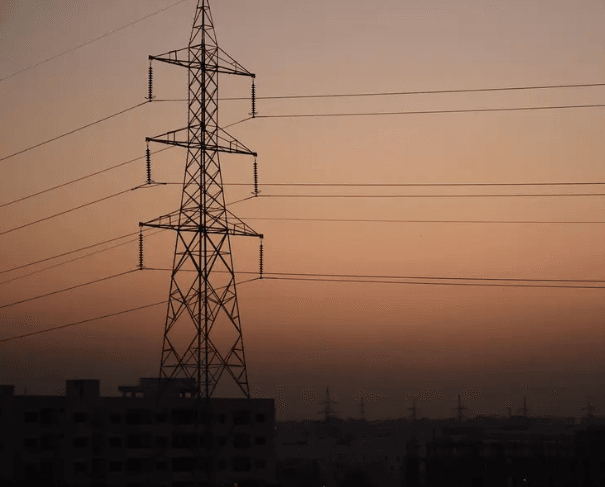
At the same time, concerns are growing over rising electricity prices linked to the ongoing conflict involving Iran. Swiss energy authorities warn that disruptions in global gas supplies and the Strait of Hormuz could impact Europe’s energy market and increase electricity costs in Switzerland, especially during winter. Experts say low gas reserves in Europe may create additional pressure on energy supply stability.

New figures also reveal details about Switzerland’s middle class. According to the Federal Statistical Office, more than 55% of the Swiss population belongs to the middle-income category. The latest report highlights the wide income range required to qualify as middle class in Switzerland due to the country’s high cost of living.

Housing Prices Continue to Rise Across Switzerland in 2026

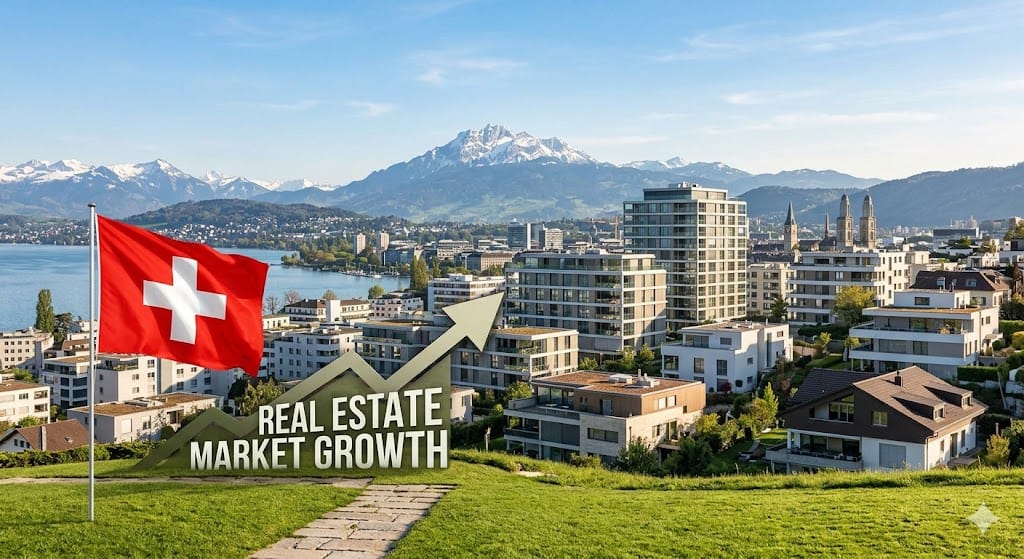
Housing prices in Switzerland continue to increase steadily in 2026, with major cities such as Zurich, Geneva, and Lausanne experiencing significant price growth in the property market.

According to recent 2026 housing market data, apartment prices across Switzerland have increased by nearly 4% annually, while prices for individual houses have risen by around 3%. Real estate experts say strong demand and limited housing supply continue to push prices higher across the country.

Property demand remains especially high in Zurich and other large urban areas. However, the pace of new housing construction has not matched the growing population and demand, creating pressure on the Swiss housing market.

Several major factors continue to drive the increase in Swiss housing prices. Rising immigration, limited construction of new homes, and low interest rates have contributed to higher demand for residential properties. Switzerland’s reputation as a safe and stable investment destination has also attracted both local and international investors.

Economic experts additionally point to Switzerland’s high salaries and strong employment opportunities as reasons why many foreign workers continue to move to the country. This growing workforce further increases demand for housing in major Swiss cities.

The continued rise in property prices has become an important topic among residents, investors, and policymakers. Many people are now concerned about long-term housing affordability, especially for middle-income families and first-time home buyers in Switzerland.