Preventive Culling Slows Wolf Population Growth in Switzerland

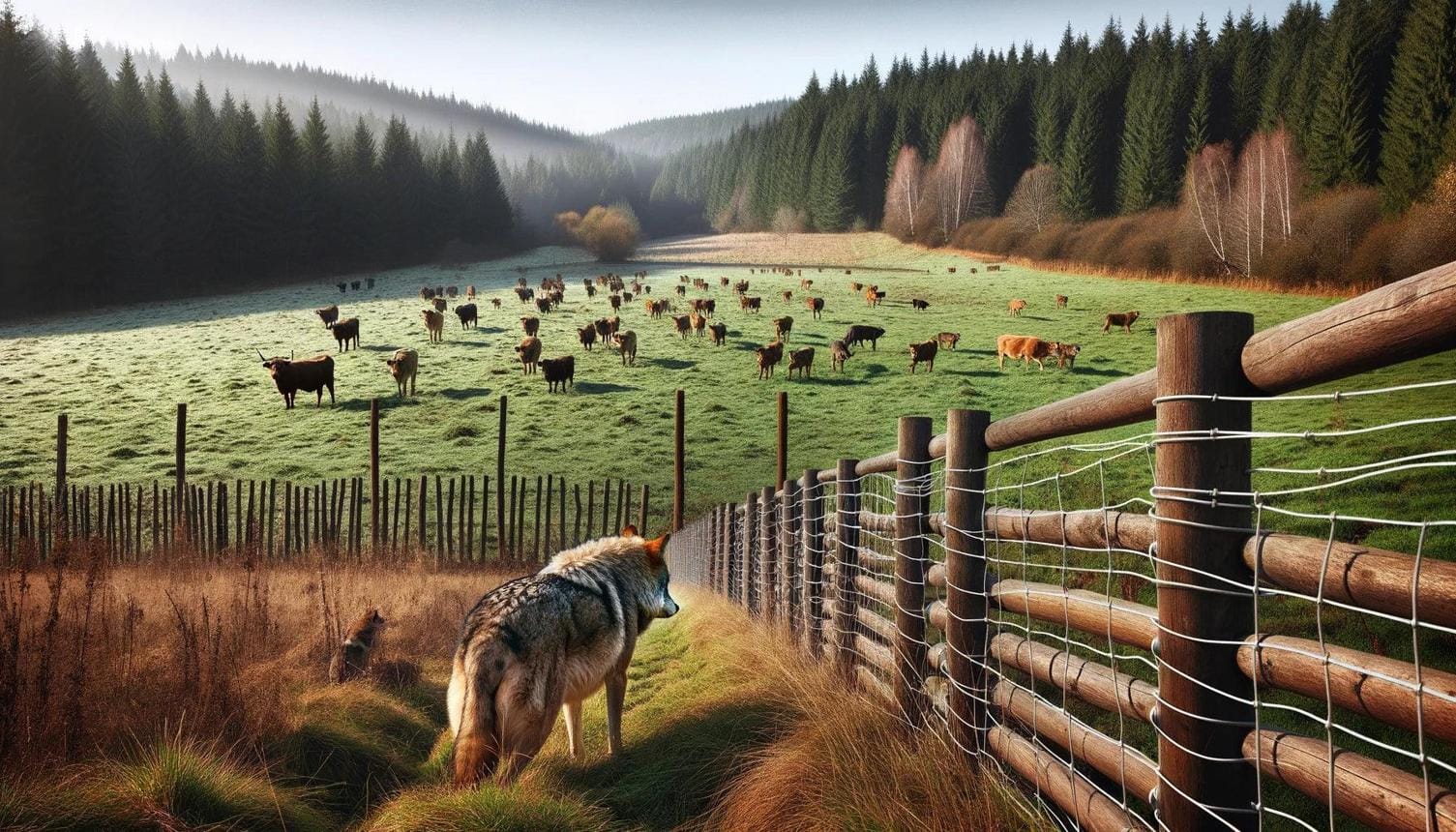
Preventive culling measures have successfully slowed the growth of the wolf population in Switzerland, according to a federal assessment covering regulatory actions since 2023.

The Federal Office for the Environment (FOEN) reported that more than 220 wolves have been killed across three regulatory phases, including animals removed before causing any recorded livestock damage.

During the most recent period from September 2025 to January 2026, authorities culled 77 wolves. In the previous 2024/2025 phase, 92 wolves were removed, while the initial shorter phase recorded 55. In all cases, the number of wolves shot remained below the maximum quotas authorized by federal authorities.

FOEN data shows that during the latest cycle, 76 wolves were removed through preventive measures and one following confirmed livestock damage. The government had approved the culling of approximately 115 wolves for that period.

Authorities state that the policy aims to manage wolf numbers in regions where livestock farming is affected while maintaining ecological balance. The approach reflects Switzerland’s effort to balance wildlife conservation with agricultural protection.

The federal government concludes that regulated culling has contributed to stabilizing wolf population growth, although debates continue over long-term wildlife management strategies and conservation ethics.

Swiss Citizens Launch Constitutional Initiative to Protect Pollinating Insects.

A citizen-led committee in Switzerland has launched a popular initiative aimed at strengthening legal protection for bees and other pollinating insects by embedding it directly into the national constitution.

The initiative, titled “In favour of ensuring the pollination of cultivated and wild plants by insects (bee initiative),” was officially published in the Federal Gazette on Tuesday. It brings together beekeepers, environmental supporters, and members of parliament.

The proposal calls on both the federal government and cantonal authorities to take responsibility for ensuring effective pollination of crops and wild plants. It also demands that authorities allocate sufficient resources and establish clear national guidelines to protect pollinating insect populations.

If successful, the initiative must collect at least 100,000 valid signatures by November 19, 2027, to trigger a nationwide referendum.

Supporters argue that pollinating insects are essential for food production and biodiversity, as they play a critical role in maintaining ecosystems and agricultural yields. Without them, many plant species and crops would face serious decline.

The initiative reflects growing public concern over environmental degradation, pesticide use, and habitat loss, all of which have contributed to declining bee populations in recent years.

If approved by voters, the proposal would make pollinator protection a constitutional duty, significantly strengthening Switzerland’s environmental policy framework.

Swiss Study Shows Wars Can Alter Groundwater and Water Systems

A new Swiss academic study has revealed that armed conflicts can significantly alter underground water systems and groundwater dynamics, reshaping how water resources behave in war-affected regions.

Research conducted at the University of Neuchâtel shows that large-scale population displacement and abandoned agricultural activity can directly influence groundwater recharge patterns.

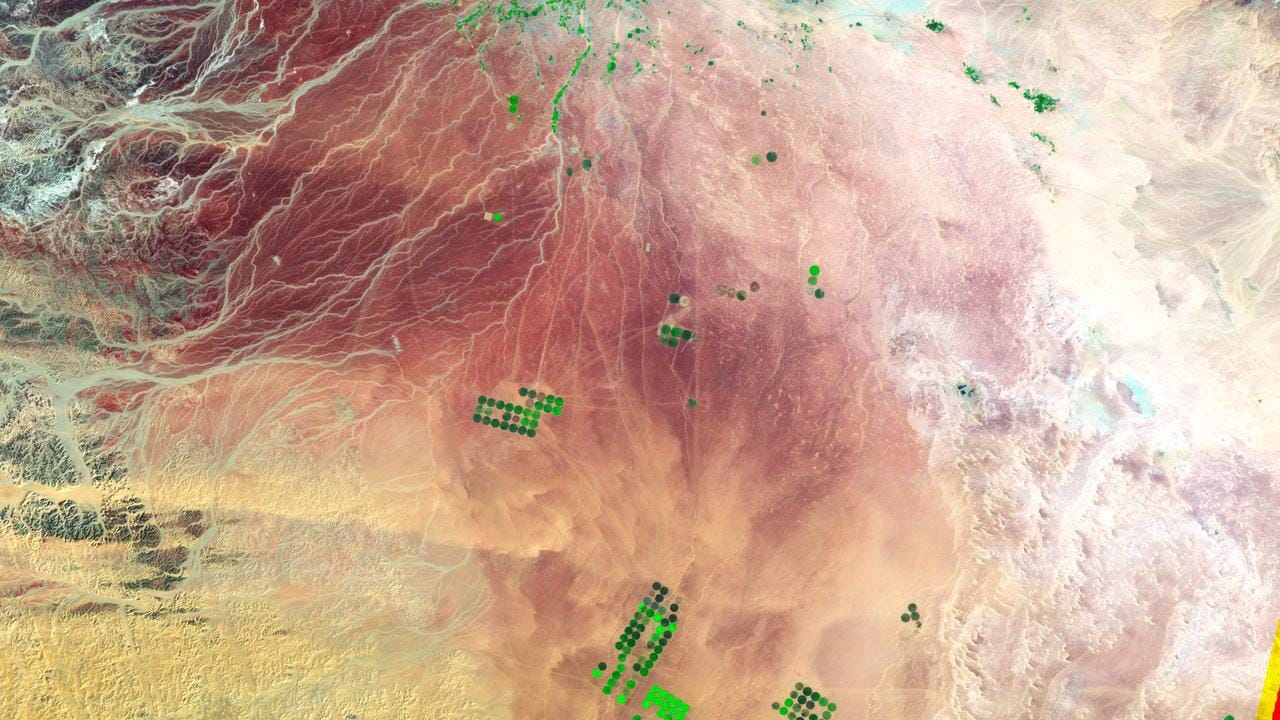
Doctoral researcher Saeed Mhanna observed unexpected changes in an underground water system in a Syrian river basin, using satellite-based InSAR technology to study areas that are otherwise inaccessible due to ongoing conflict.

The findings suggest that when populations are forced to leave farmland during war, the cessation of irrigation allows groundwater levels to partially recover. In some locations, the soil surface even rose by up to 4 cm per year due to changes in underground pressure.

The study highlights how the invisible nature of aquifers makes wartime water assessment extremely difficult, especially when field access is restricted. Satellite data and indirect measurement techniques were therefore combined to analyze changes in water storage and recharge.

Beyond Syria, the research also examined the impact of the Kakhovka dam collapse in Ukraine in 2023. The study found that the destruction of the dam drastically disrupted the regional hydrological system along the Dnieper River.

Researchers estimate that the volume of water lost to the Black Sea after the dam’s collapse was roughly equivalent to the capacity of Lake Geneva, though with a significant margin of uncertainty.

The study demonstrates that modern satellite monitoring can play a crucial role in identifying damaged water infrastructure, tracking groundwater depletion, and detecting unexpected water recovery in conflict zones.

Experts say these insights could help governments and aid organizations prioritize emergency repairs, protect critical water infrastructure such as wells and pipelines, and improve humanitarian response in war-affected regions.

The research highlights the growing importance of space-based environmental monitoring in understanding how human conflicts reshape natural water systems over time.

AI Data Centres May Strain Switzerland’s Water Supply

The rapid expansion of artificial intelligence infrastructure is raising concerns about water and energy consumption in Switzerland. Experts warn that the growing number of AI-powered data centres could place increasing pressure on the country’s natural resources, especially water supplies used for cooling systems.

Switzerland currently hosts around 120 data centres, with approximately 20 additional facilities under construction. This gives the country one of the highest concentrations of data centres per capita in the world. The rise of artificial intelligence technologies is accelerating this growth as companies invest heavily in advanced computing infrastructure.

AI servers require significantly more processing power than traditional systems. As a result, they generate higher levels of heat and require intensive cooling methods to maintain safe operating temperatures. Many of these cooling systems depend heavily on water.

According to David Atienza Alonso, a professor at EPFL and an expert in AI computing systems, increasing AI adoption will continue driving demand for larger and more powerful data centres.

He explained that countries are also expanding domestic data infrastructure due to geopolitical tensions and concerns about digital sovereignty. Governments and companies increasingly want sensitive data to remain within national borders, leading to greater investment in local storage and computing facilities.

While Switzerland is often called the “water tower of Europe” because of its lakes, rivers, and glaciers, experts warn that resource availability should not be taken for granted. If AI infrastructure growth continues without long-term planning, some regions could eventually face challenges in supplying enough electricity and water.

Global estimates from the International Energy Agency suggest that data centres currently consume around 560 billion litres of water annually worldwide. This figure could rise to 1.2 trillion litres by 2030 as AI usage expands rapidly across industries.

Most of this water is used for cooling servers and generating electricity required to power data centre operations. Environmental experts say the issue remains largely invisible to the public despite its growing importance in the digital economy.

Researchers and policymakers are now calling for sustainable infrastructure planning, improved cooling technologies, and better resource management to ensure that Switzerland can support technological growth without placing excessive strain on natural resources.

Switzerland Warns of High Risk of African Swine Fever Spread

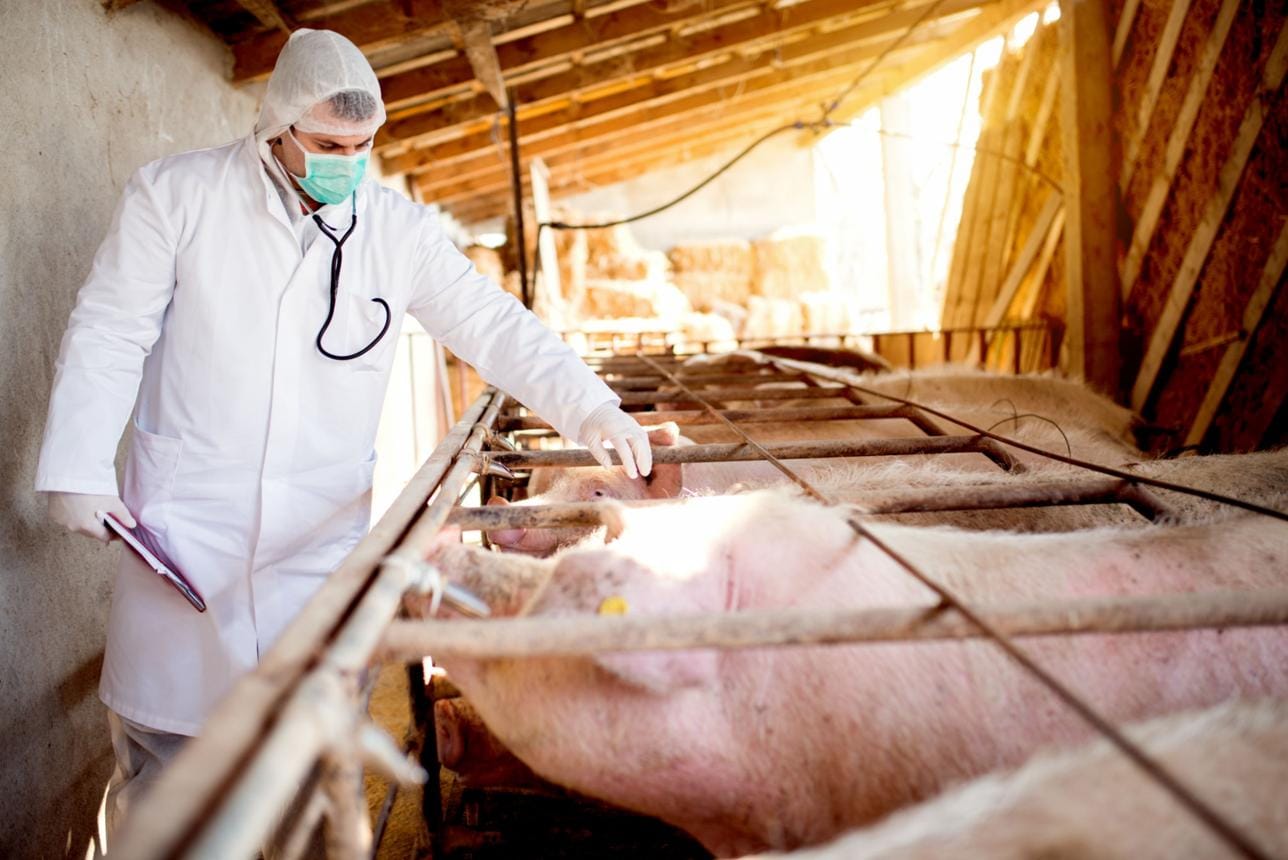
Switzerland has warned that the risk of African swine fever (ASF) spreading into the country remains high as new outbreaks continue to emerge across Europe.

According to the Federal Food Safety and Veterinary Office (FSVO), transmission from infected wild boar populations to domestic pigs is possible at any time, particularly in regions near affected European zones.

The warning follows renewed outbreaks in Italy during April, after earlier hopes that the disease had been brought under control. Authorities also reported setbacks in Germany, where new ASF cases were recently detected in Saxony.

The Swiss government strongly advises travellers not to import pork or wild boar meat products from affected regions into Switzerland. Officials also urge hunters returning from those areas to thoroughly clean and disinfect clothing, footwear, vehicles, and equipment before crossing the border.

The FSVO stated that the ASF virus is highly resistant and can remain infectious for long periods in blood, meat products, and animal carcasses, increasing the risk of accidental transmission.

Pig owners are being asked to contact veterinarians immediately if animals show unusual symptoms. Switzerland has also intensified surveillance through a national early-detection programme that tests wild boar found dead or visibly ill.

So far, all 25 wild boar tested in Switzerland have returned negative results, according to authorities.

Across Europe, African swine fever cases among wild boar populations remain elevated, and Swiss officials warn that additional outbreaks are likely in the coming months.

Although ASF does not pose a direct threat to humans, the disease can severely impact agriculture and livestock industries due to the high mortality rate among pigs and strict trade restrictions triggered by outbreaks.

Swiss Glacier Snow Levels Critically Low

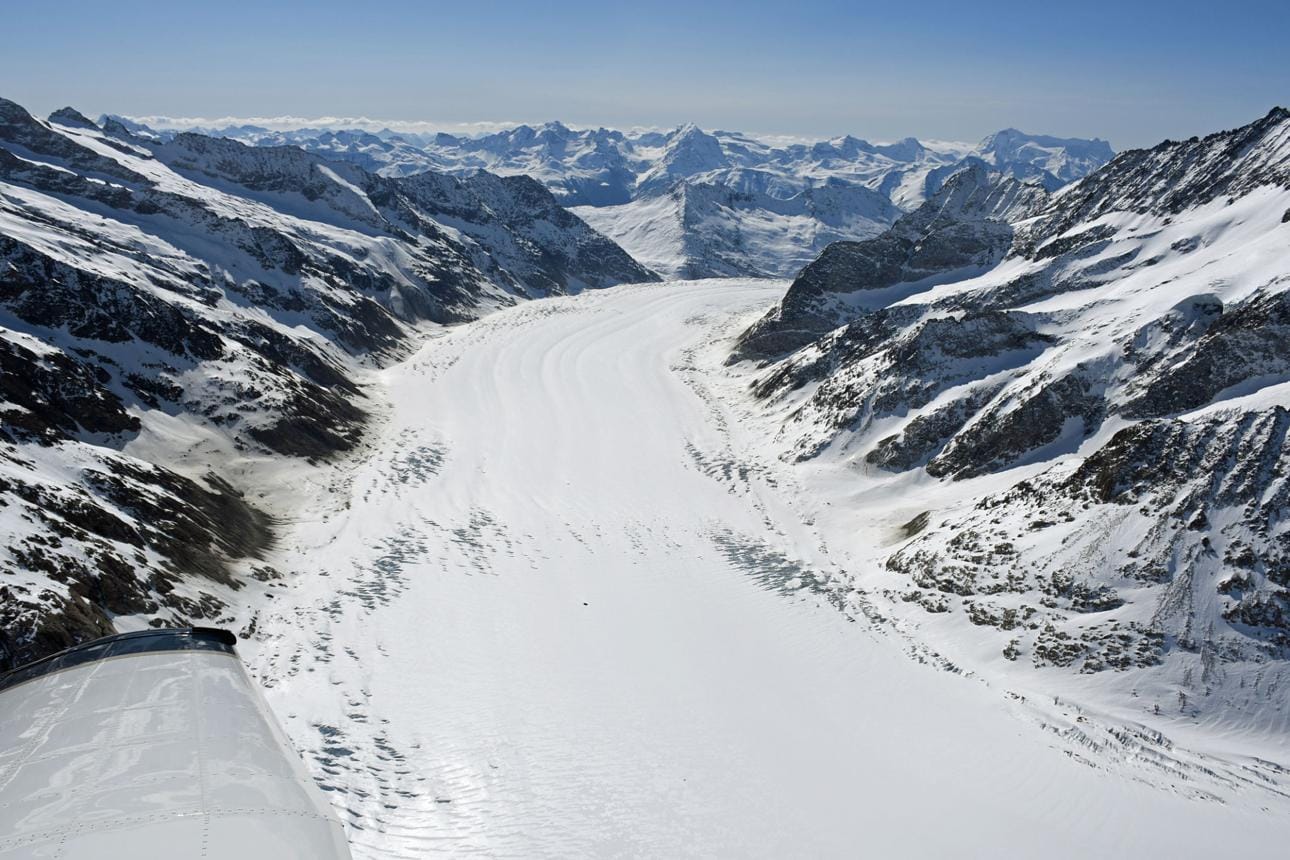
Glaciers across Switzerland are entering the summer season with significantly below-average snow cover, raising concerns about accelerated melting and long-term water availability.

According to the Swiss Glacier Monitoring Network (GLAMOS), snow cover across key Alpine glaciers is about 25% lower than the decade average, leaving ice masses unusually exposed at the start of the melt season.

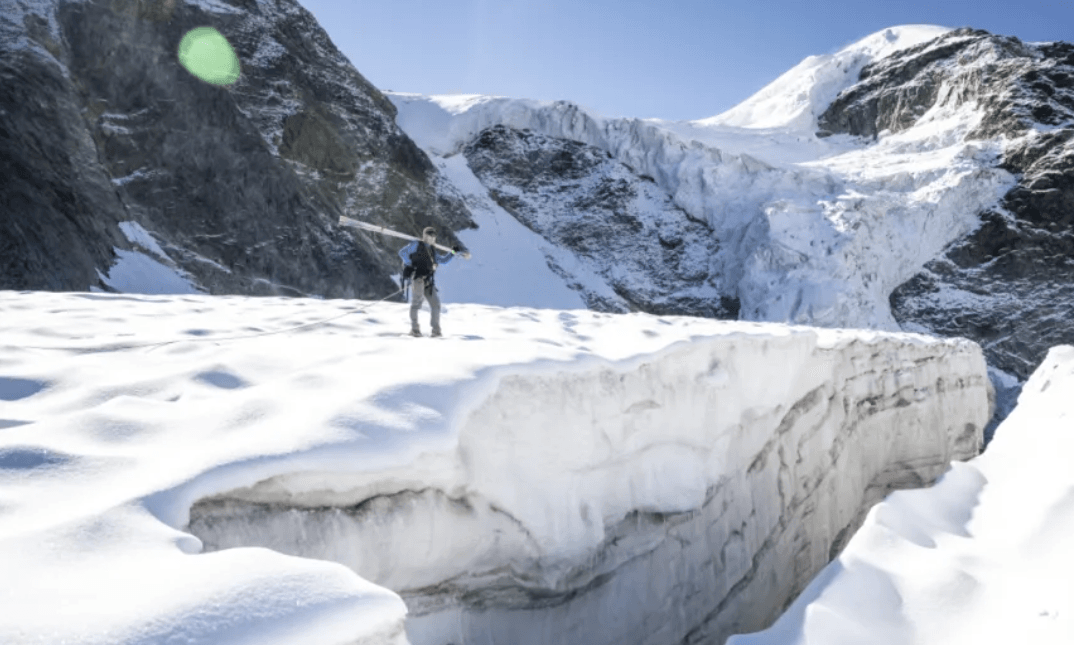
Scientists report that the reduced winter snowfall has weakened the natural protective layer that normally shields glaciers from early summer heat. This layer typically reflects sunlight and slows ice loss, but current measurements show a much thinner snowpack across major glacier regions.

GLAMOS data collected from around 25 monitored glaciers indicates widespread deficits, with some areas experiencing snow shortages of several metres compared to long-term averages. The early onset of melting is already shifting the seasonal balance, causing glaciers to begin losing mass sooner than usual.

Regional variations are significant. In parts of southeastern Switzerland, including the Engadine region, snow deficits are particularly severe. Even major glacier systems such as the Great Aletsch Glacier and Rhône Glacier are reporting substantial reductions in winter accumulation.

Researchers warn that continued early-season melting could disrupt Switzerland’s role as the “Water Tower of Europe,” as glaciers regulate water flow into major river systems such as the Rhine, Rhône, and Po.

The reduced snow buffer may also impact hydroelectric power generation, agriculture, and downstream water availability across central and western Europe during late summer months.

Climate experts emphasize that while annual variability exists, the consistent pattern of reduced snow accumulation and earlier melt onset reflects a long-term trend linked to changing climate conditions in the Alps.

Swiss Glaciers Record Major Snow Deficit Across Regions

Glaciers across Switzerland are experiencing a significant snow deficit this winter, raising concerns about accelerated melting during the upcoming summer season.

According to the Swiss Glacier Monitoring Network, snowfall levels were substantially below average across several key regions, including Upper Valais, Ticino, and Graubünden.

The monitoring organization reported that winter 2025–26 shows an average 25% snow deficit compared to the 2010–2020 baseline.

GLAMOS collected measurements from 25 glaciers across Switzerland during April, revealing that a warm and unusually dry spring contributed heavily to reduced snow accumulation.

Some regions, such as the Bernese Oberland and central Valais, were less affected and remain closer to long-term seasonal averages. However, other glacier zones show clear signs of reduced snowpack.

Experts warn that low winter snow cover is critical because it acts as a protective layer that slows glacier melt during warmer months. Without sufficient snow insulation, glaciers absorb more heat and lose mass more rapidly.

Scientists now expect that the reduced snow cover could intensify glacier retreat in 2026, continuing the long-term trend of ice loss observed across the Swiss Alps.

Switzerland’s glaciers have already been shrinking for decades due to rising temperatures, and this winter’s deficit may further accelerate the process.

Climate researchers emphasize that continued monitoring is essential to understand how extreme weather patterns are impacting alpine ice reserves.

Swiss Government Warns Food Waste Remains Too High.

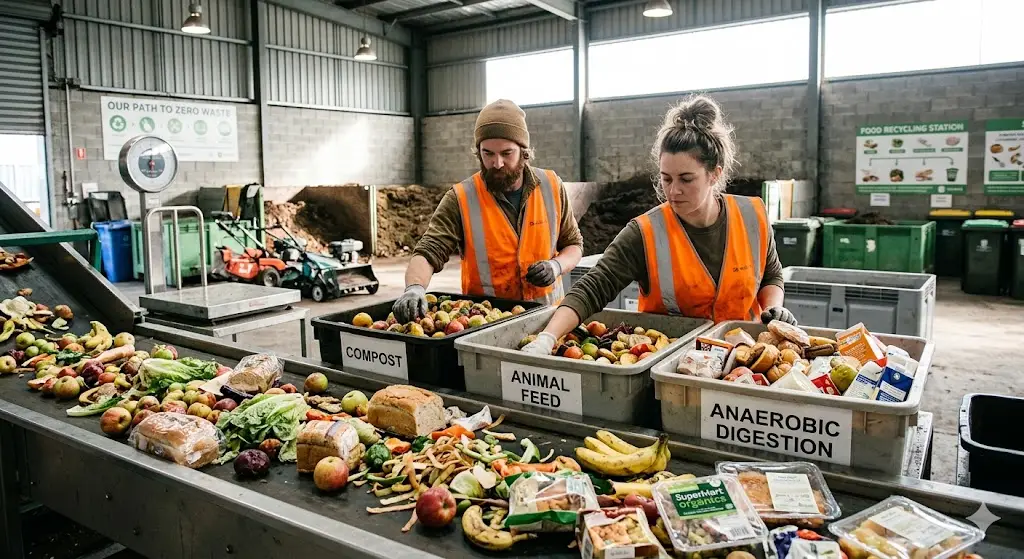
The Switzerland government has warned that food waste levels across the country remain far too high, despite ongoing national efforts to reduce waste by 2030.

In an interim report released on Wednesday, authorities revealed that food waste declined by only around 5% between 2017 and 2024, falling well short of the targeted 25% reduction by 2025.

Switzerland launched its national action plan against food waste in 2022, aiming to cut avoidable food losses in half by the year 2030. While some sectors have shown measurable improvement, officials say overall progress remains too slow.

The retail industry achieved the strongest results, reducing food waste by approximately 20% through improved inventory management, discount systems, and food redistribution initiatives.

However, Swiss households continue to lag behind, remaining one of the biggest contributors to unnecessary food waste. Authorities say consumer behavior, over-purchasing, and poor meal planning remain major challenges.

The government emphasized that reducing food waste is essential for environmental protection, resource conservation, and climate goals, as discarded food contributes significantly to greenhouse gas emissions.

Officials are now calling for stronger public awareness campaigns and greater cooperation between households, businesses, and food service sectors to accelerate progress toward the 2030 target.

Food waste reduction has become a major sustainability issue across Europe as governments seek to improve resource efficiency and reduce environmental impact.

WSL Study Outlines Five Possible Futures for Switzerland

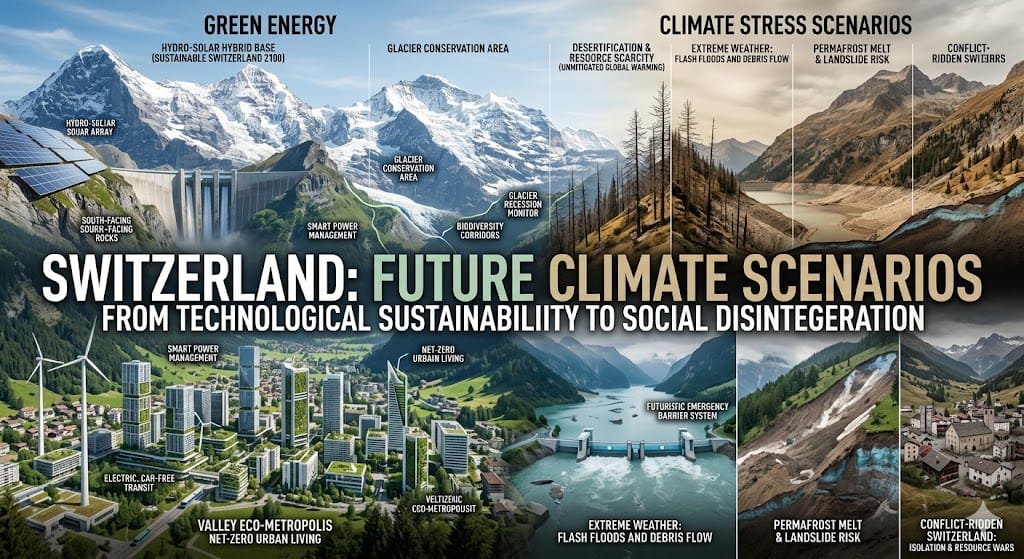
Researchers at the Swiss Federal Institute for Forest, Snow and Landscape Research have developed five possible future scenarios for Switzerland, exploring how society, the economy, and the climate could evolve by the year 2100.

The study highlights that it is impossible to predict Switzerland’s exact future. However, understanding different development paths is crucial because social, political, and economic changes directly affect resource use, infrastructure, and climate impact.

To build these scenarios, researchers collaborated with around 60 scientists from 20 institutions. A computer model was used to generate consistent projections based on global climate frameworks developed by the Intergovernmental Panel on Climate Change.

Three of the five scenarios are based on global Shared Socioeconomic Pathways, ranging from a highly technological, renewable-energy-driven society to a fragmented future marked by inequality and weakened state structures.

In the most divided scenario, society splits between a wealthy elite and a disadvantaged majority, while another scenario predicts long-term reliance on fossil fuels, resulting in severe environmental damage and high economic costs later in the century.

Two additional Switzerland-specific scenarios were also developed. One describes a country that prioritizes economic growth through fossil fuels before facing environmental consequences. The other focuses on social cohesion and well-being over pure economic expansion.

Lead researcher Lena Gubler emphasized that none of the scenarios are considered more likely than the others. Instead, they are designed as “if-then” models to explore possible outcomes rather than predict the future.

The National Centre for Climate Services (NCCS) has also released new data showing projected greenhouse gas emissions for each scenario up to 2100, providing a foundation for long-term climate planning and policy decisions.