Switzerland Records Lowest Tax Burden in Europe, Says OECD Report.

Switzerland continues to offer one of the lowest tax burdens in Europe, according to a new report by the Organisation for Economic Co-operation and Development. The findings highlight a major financial advantage for residents despite the country’s high cost of living.

The OECD report, released on April 22, reveals that Switzerland ranks among the lowest-taxed countries within its 38 member nations. Only a few countries, including Colombia, Chile, New Zealand, and Mexico, report lower overall tax contributions.

On average, individuals in Switzerland pay around 22.9% of their income in taxes and social security contributions. This figure stands well below the OECD average of 35.1%, making Switzerland the lowest-tax country in Europe.

Families with children enjoy even greater financial advantages. Tax deductions vary across cantons, but dual-income households with two children see their tax burden drop from 22.9% to approximately 17.1%. Larger families benefit from even higher reductions.

Residents can expect additional tax relief in 2026. Local governments across several cantons have approved tax reductions and adjustments linked to lower inflation. These changes aim to reduce financial pressure on households.

Tax savings vary by region. Residents in Geneva can expect savings of at least 1,000 Swiss francs. In Zurich, St. Gallen, Graubünden, and Ticino, savings range between 500 and 1,200 francs. Areas such as Lucerne, Aargau, and Schwyz also report significant reductions.

Several factors explain Switzerland’s low tax rates. The country maintains a very low unemployment rate, allowing more people to contribute to tax revenue. In addition, Switzerland spends less on social welfare programs compared to countries like Sweden, promoting a system where individuals remain financially independent.

For many residents, including members of the Tamil community living and working in Switzerland, these lower taxes provide financial relief. However, experts advise careful financial planning due to the country’s high living costs.

Switzerland’s low tax structure continues to strengthen its economic appeal. With further tax reductions expected in 2026, residents are likely to experience improved financial stability despite rising living expenses.
Swiss Government Faces Criticism Over Actions Against Nurses Amid Shortage.

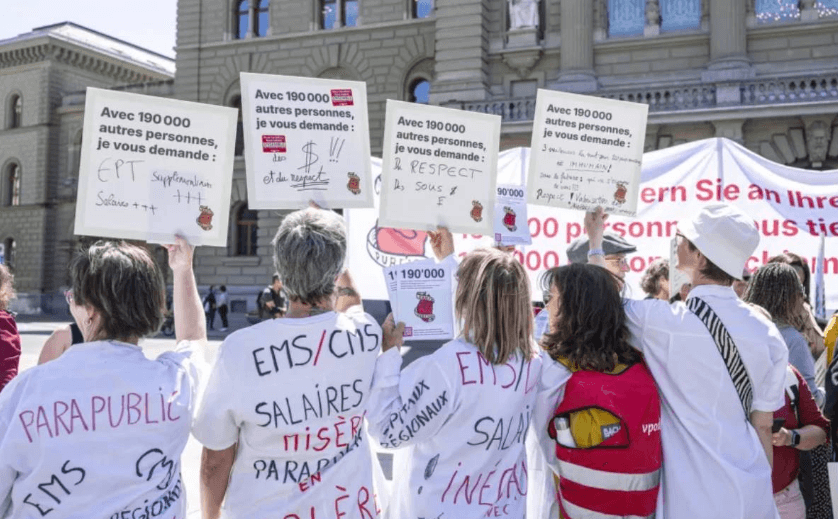
Labor unions in Switzerland have raised concerns over government actions affecting nurses, despite a severe shortage in the healthcare sector. The situation has triggered criticism and growing tension between healthcare workers and authorities.

Switzerland currently faces a shortage of approximately 14,000 nurses. Many hospitals and healthcare facilities struggle to fill vacancies, putting pressure on existing staff and reducing service efficiency.

Nurses have requested a reduction in weekly working hours from 50 to 45 hours. However, the Swiss National Council has rejected this demand. Instead of easing workloads, authorities continue to enforce existing policies, which unions argue worsen working conditions.

The government has also delayed proposals for higher pay on Sundays and public holidays. Officials have indicated that only a 25% increase in pay will apply, disappointing many healthcare workers who expected better compensation.

Labor unions warn that these decisions could deepen the crisis. They argue that failing to support nurses may lead to increased resignations and further shortages in the healthcare system.

The ongoing dispute highlights serious challenges in Switzerland’s healthcare sector. As pressure mounts, the government faces growing calls to take immediate action to support nurses and stabilize the system.

Swiss Voters Show Support for Anti-Immigration Proposal Ahead of Referendum.

Swiss Voters Back Anti-Immigration Proposal

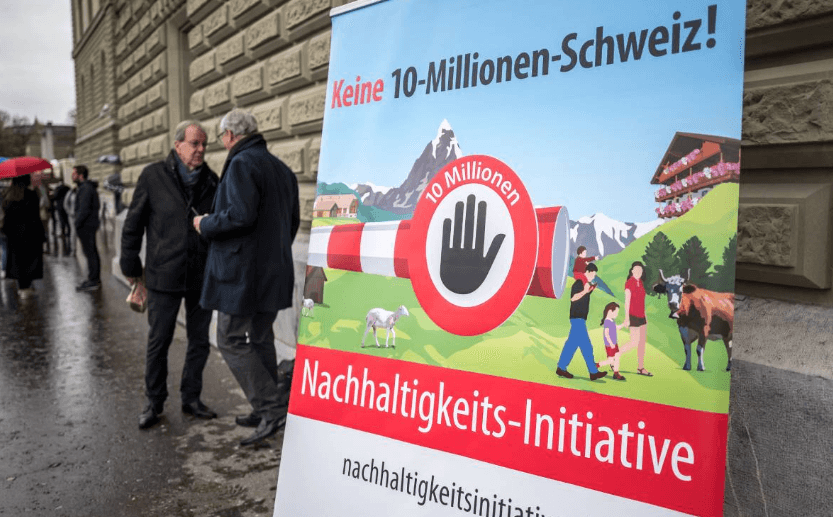
A majority of voters in Switzerland have expressed support for a new anti-immigration proposal introduced by the Swiss People’s Party. The proposal aims to limit the country’s population growth and reduce the impact of migration.

The initiative, titled “No to 10 Million Switzerland,” seeks to prevent the national population from exceeding 10 million. Supporters argue that controlling immigration will help maintain economic stability and protect infrastructure. Authorities have scheduled a nationwide referendum on June 14 to decide the proposal’s future.

Recent opinion polls show that 52% of Swiss voters support the proposal, while 46% oppose it. Only 2% of respondents remain undecided. The survey also highlights that women show slightly higher support for the initiative compared to men.

Supporters believe that rising immigration increases pressure on housing availability, transportation systems, and public services. They argue that limiting population growth will help ease these challenges and improve living conditions.

The proposal has sparked intense debate across Switzerland. While supporters emphasize sustainability and infrastructure concerns, critics warn that strict limits on immigration could affect economic growth and workforce availability.

As the referendum approaches, the outcome will play a key role in shaping Switzerland’s future immigration policy and demographic direction. The vote reflects growing public interest in balancing population growth with national resources.

Man Declares Himself King of Switzerland, Sparks Political Outrage

A man has declared himself the “King” of Switzerland, claiming authority over a private land area measuring approximately 117,000 square meters. The unusual announcement has quickly drawn attention across the country and triggered strong reactions from political leaders.

The individual reportedly marked his privately owned land as an independent kingdom. He claimed sovereign status and attempted to establish symbolic control over the area. While the land legally belongs to him, Swiss law does not recognize any form of monarchy or self-declared sovereignty.

Swiss politicians have openly criticized the move. Officials described the declaration as misleading and potentially harmful to public understanding of national laws. They emphasized that Switzerland operates under a federal democratic system, where no individual can claim royal authority.

Authorities are now reviewing whether the man’s actions violate any legal frameworks. Experts highlight that declaring a kingdom within Switzerland has no legal standing and may lead to consequences if it causes public confusion or administrative issues.

The incident has sparked widespread discussion online and in media circles. Some view the act as symbolic or attention-seeking, while others see it as a serious misuse of legal boundaries. The situation continues to attract public curiosity and debate.

This unusual case highlights the limits of private ownership and the importance of legal structures in modern democracies. Swiss authorities continue to monitor the situation closely as discussions around sovereignty and law gain momentum.

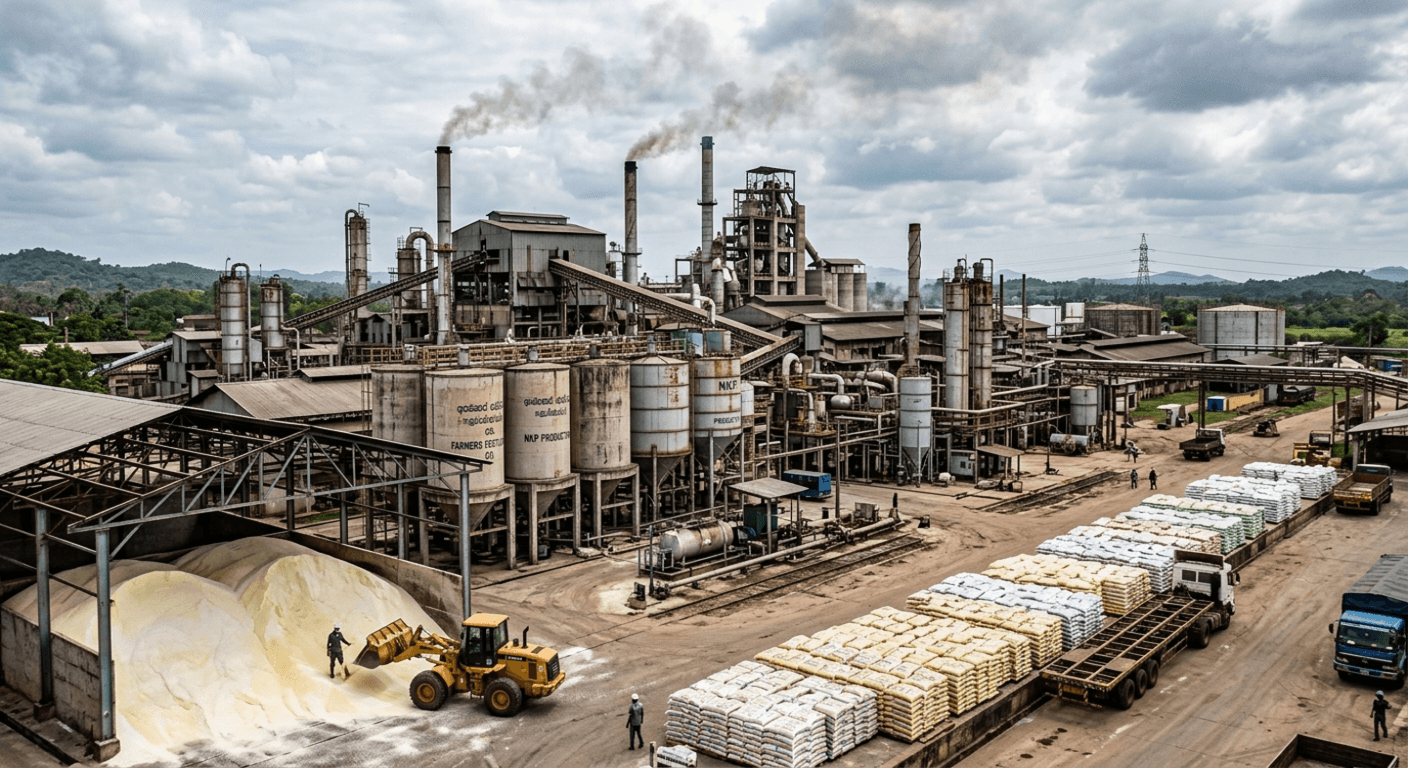
Fertiliser Supply Disruption Due to Iran Conflict Could Impact Global Food Production

Global Fertiliser Crisis Raises Food Security Concerns

Global food production could face serious pressure as disruptions in fertiliser supply threaten agricultural output worldwide, according to industry experts.

The chief executive of one of the world’s largest fertiliser producers, Yara, has warned that ongoing conflict in the Gulf region is affecting the transport and production of essential fertiliser materials.

The disruption, linked to instability in and around Iran, has led to restricted shipping routes through the Strait of Hormuz, a key global trade passage for energy and agricultural inputs.

Possible Impact on Global Food Production

Experts estimate that reduced fertiliser availability could significantly lower crop yields across many regions. Nitrogen-based fertiliser, a key component in modern agriculture, is currently facing supply constraints.

According to industry estimates, around half a million tonnes of nitrogen fertiliser production has been affected. This reduction may lead to lower agricultural output worldwide.

Some crops could experience yield reductions of up to 50% in a single growing season if fertiliser use is significantly reduced.

Warning on Food Prices and Global Inequality

Food production costs are rising due to increasing energy prices, transport costs, and fertiliser shortages. However, crop prices have not yet adjusted proportionally, creating financial pressure for farmers globally.

Experts warn that if competition for food increases, wealthier countries may be able to secure supplies at higher prices, potentially reducing availability for poorer nations.

This situation could increase food insecurity in developing countries, where populations are less able to absorb rising food costs.

Inflation and Consumer Impact

Although immediate food shortages are unlikely in countries like the UK and Europe, rising production costs are expected to gradually increase food prices in supermarkets.

Food inflation could reach higher levels in the coming months if global supply pressures continue.

Swiss Parliament Rejects Proposal to Simplify Citizenship Process

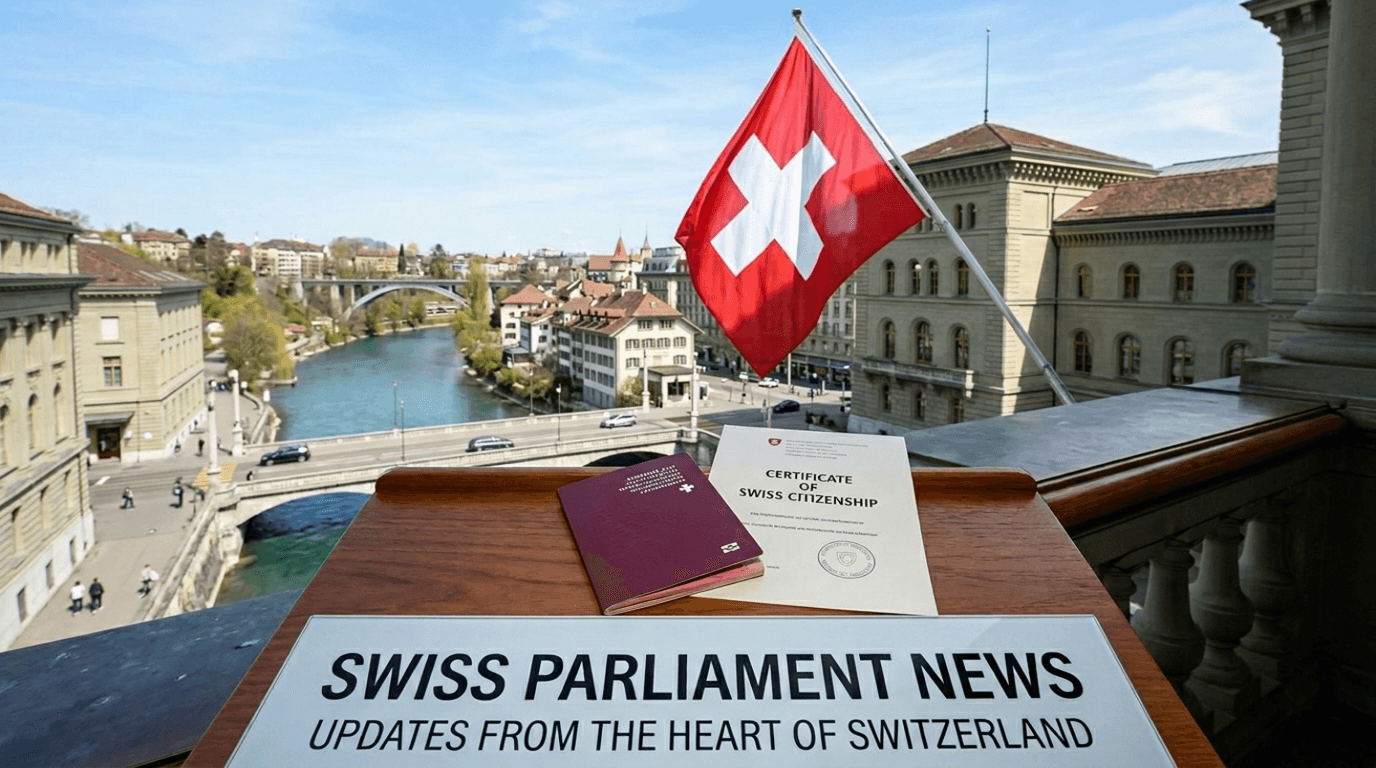
The Swiss House of Representatives has voted against a proposal that aimed to simplify the citizenship process for foreigners living in Switzerland. The proposal was rejected with a two-thirds majority vote in Parliament.

The initiative had been introduced to make naturalisation easier for long-term foreign residents, including families, workers, and students who have been living in Switzerland for many years.

Supporters of the proposal argued that the current process is complicated and time-consuming. They believed that immigrants who are well integrated into Swiss society should receive easier access to Swiss citizenship.

However, a majority of Swiss lawmakers opposed the proposal and decided to keep the existing naturalisation system unchanged. Counter-proposals suggested by minority members of Parliament were also rejected during the voting process.

At present, applicants seeking Swiss citizenship must continue to meet several requirements, including residency duration, language ability, social integration, and a clean legal record.

The decision is expected to be closely followed by immigrant communities across Switzerland, including the Tamil diaspora.

Trincomalee Weapons Seized in Police Raid

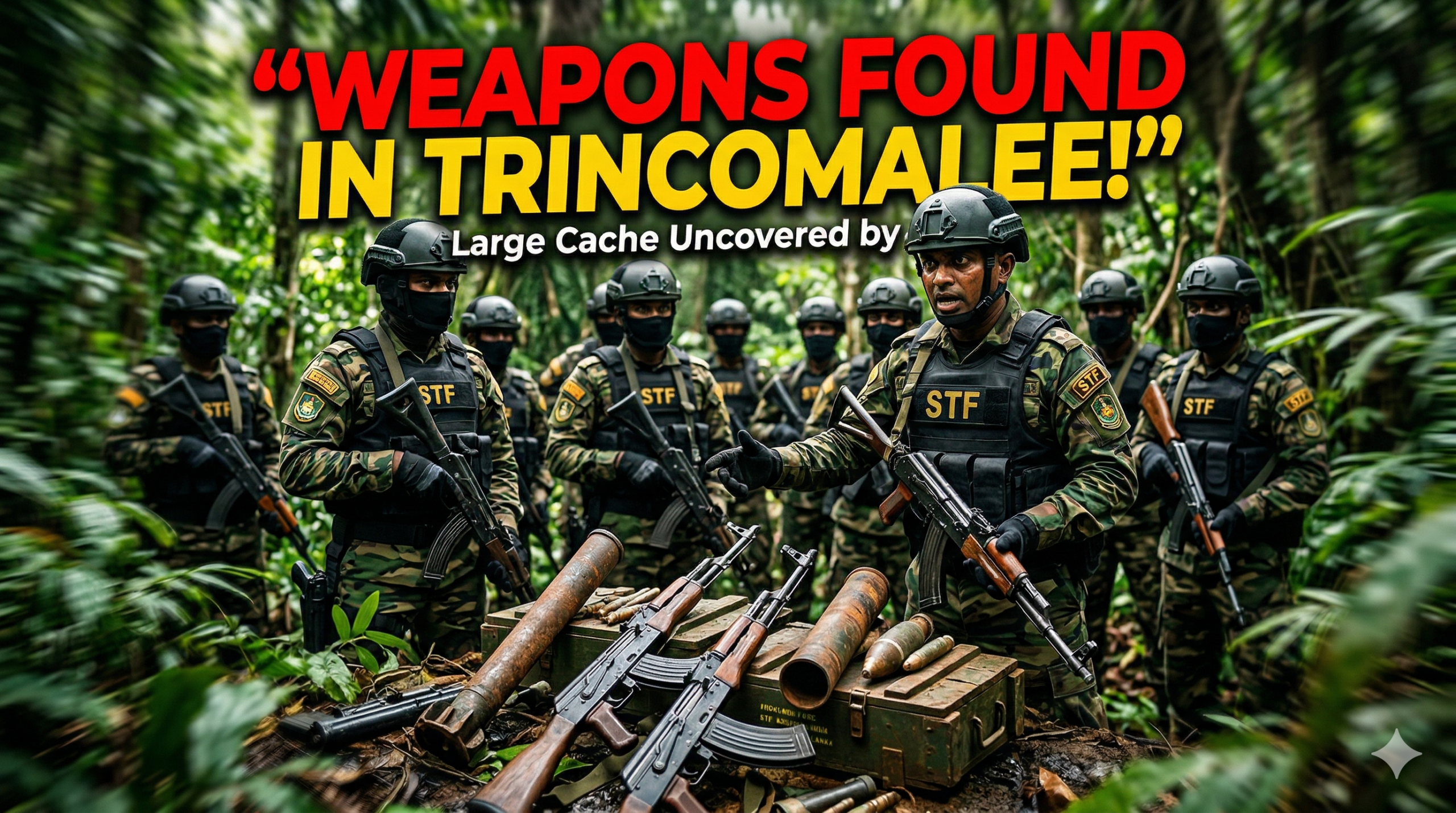
Police in Trincomalee, Sri Lanka, seized a large cache of hidden weapons during a special raid in the Boomarathadiya area. This operation shows how intelligence-led policing prevents crime and ensures public safety.


Operation Details

Authorities used secret intelligence from local informants to plan the raid. They launched a targeted search in the Vagarai area, where officers found weapons buried underground. Police secured the site and all evidence for further analysis.


Items Seized

Police recovered four hand grenades, two grenade launchers, and seventy-five rounds of ammunition for T-56 rifles. They transported all weapons to the Echchilampattu Police Station for investigation. Forensic teams examined the weapons to trace their origin and possible previous use.


Investigation Underway

Police are identifying who hid the weapons and their purpose. They coordinate with other divisions to trace the arms’ origin and possible criminal networks. Similar operations in Batticaloa and Jaffna highlight the recurring threat of hidden weapons in Northern and Eastern provinces.


Community and Public Safety

Police urged citizens to report suspicious activities. Community cooperation helps prevent illegal arms circulation. Local leaders also called for increased surveillance and public awareness campaigns.

Security experts note that recovering weapons strengthens public trust in law enforcement. Additionally, operations disrupt organized crime networks operating across multiple districts.


Official Guidance and Resources

Authorities encourage the public to stay vigilant near schools, military camps, and remote villages.

For more information, visit:


Continuing Investigations

Trincomalee police continue investigating the origin and purpose of the weapons. Officials will release updates after verifying their findings. This operation shows Sri Lankan security forces’ commitment to protect communities and prevent criminal activity.

School Student Killed in Ududumbara Road Accident

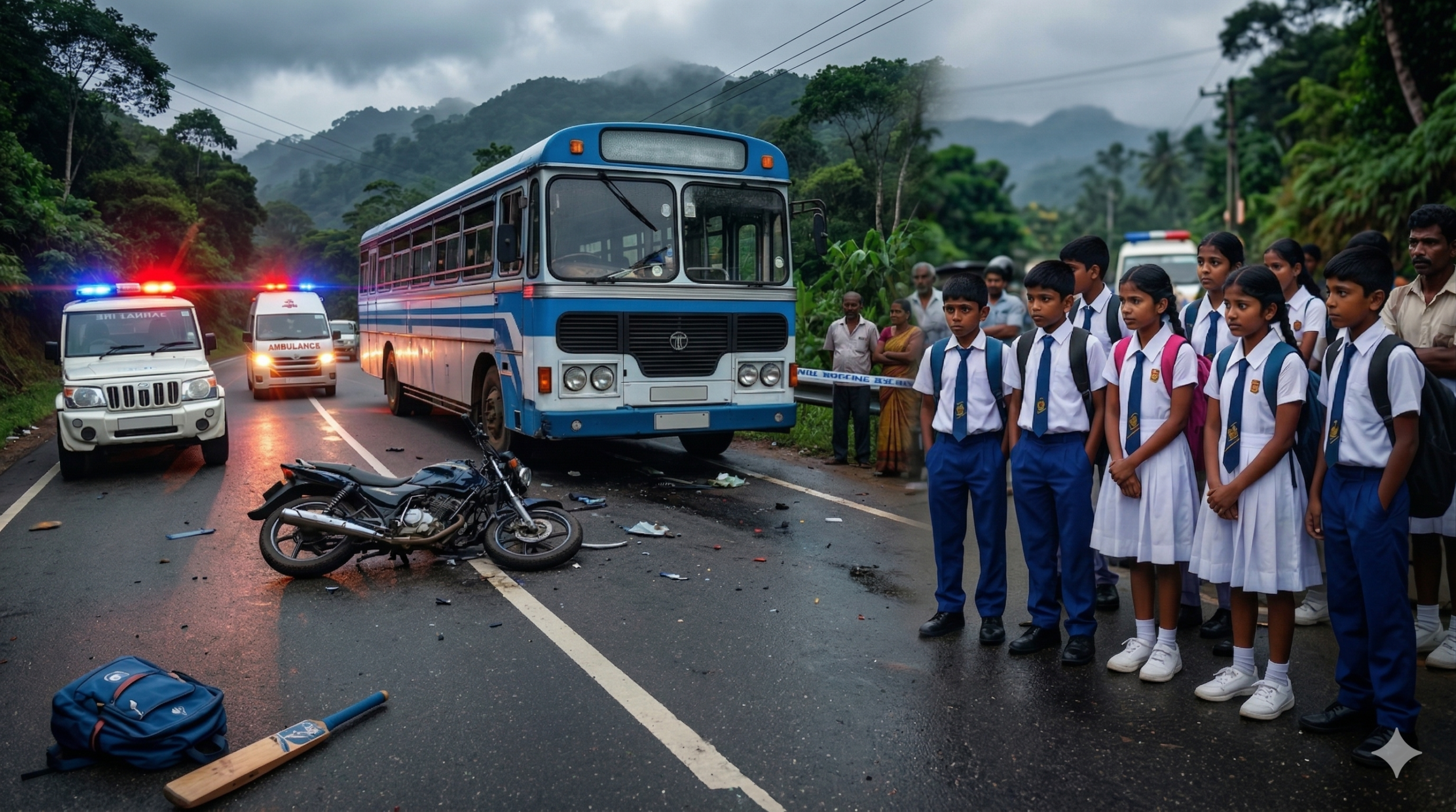
A tragic road accident occurred in Ududumbara, Sri Lanka, when a private bus collided with a motorcycle carrying two school students. As a result, one student died instantly, while the other suffered serious injuries.

The crash happened near the Pallekele Army Camp as the bus traveled toward Kandy. The students had been returning home after watching an inter-school cricket match held in Kandy. Meanwhile, local authorities rushed to the scene to manage traffic and assist victims.

Police arrested the bus driver immediately, and officers began investigating the accident thoroughly. They reviewed eyewitness accounts, traffic camera footage, and road conditions to determine the exact cause. Additionally, investigators plan to interview other drivers in the area.

The injured student was taken to the Intensive Care Unit of Kandy National Hospital. Doctors are monitoring him closely while providing emergency care. Experts warn that school children remain especially vulnerable on the roads, and parents should ensure they use safe transport. Furthermore, drivers must follow speed limits and exercise caution near schools and sports events.

Authorities face growing pressure to improve road safety measures. For instance, officials could install speed bumps, improve road signage, and increase police patrols near schools. Past incidents, such as the Kandy Road Accident 2024 and Colombo School Bus Incident, highlight the urgent need for better safety rules.

The Sri Lanka Police Traffic Division provides safety tips for drivers and pedestrians. The Road Safety Authority of Sri Lanka also offers educational materials for parents and students. Therefore, families and schools are encouraged to follow these guidelines.

Meanwhile, the local community expressed grief and condolences to the student’s family. Teachers, parents, and students organized awareness campaigns to promote safe travel practices. In addition, they distributed leaflets and used social media to warn others.

Police asked witnesses of the Ududumbara accident to provide statements. This cooperation will help prevent similar tragedies in the future.

Sri Lanka Navy Seizes Over 300kg Heroin at Sea

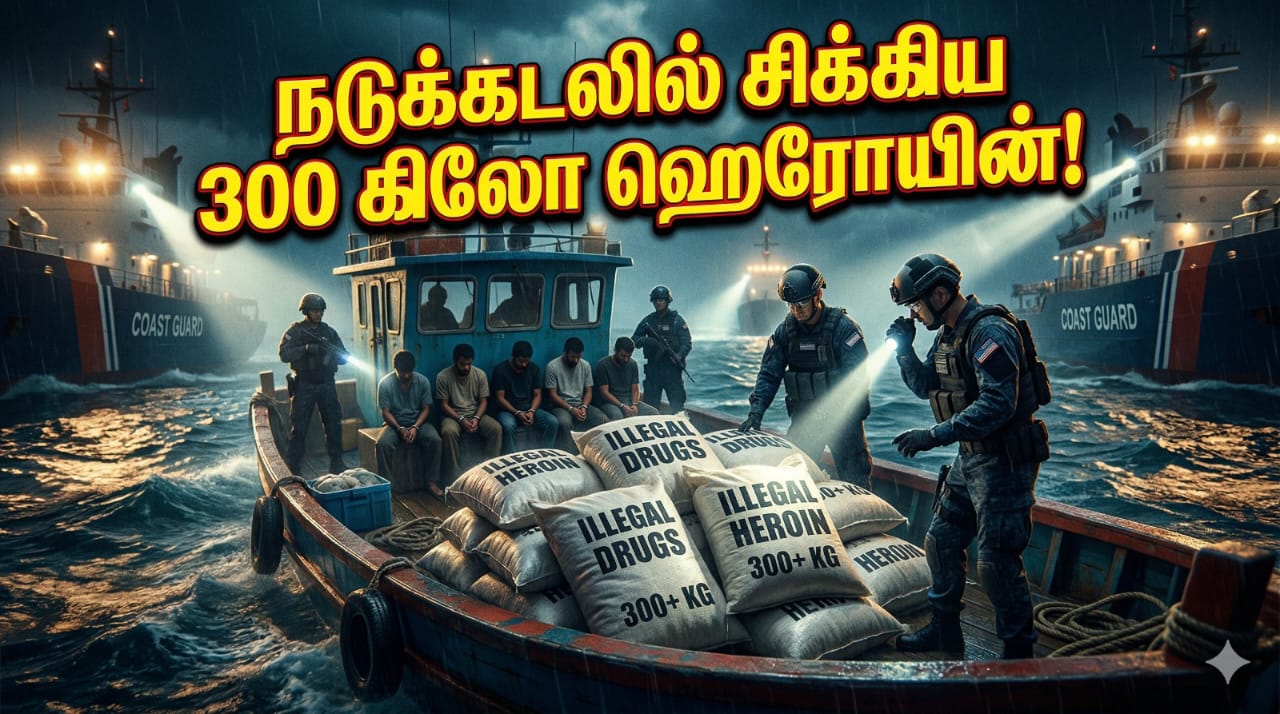
The Sri Lanka Navy stopped a major drug smuggling attempt at sea. The action was taken after receiving international intelligence.

Naval teams spotted a fishing boat near Beruwala. The boat looked suspicious. Officers quickly moved in and surrounded it.

The Navy then checked the boat. They found 298 fertilizer sacks onboard. Inside the sacks, more than 300 kilograms of heroin had been hidden.

The boat was taken to Dikowita Fisheries Harbour. Officers carried out a full inspection there.

Six suspects were arrested at the scene. Officers also seized modern communication devices from the boat.

The Police Narcotics Bureau is now leading the investigation. Officials believe an international crime network is behind this smuggling attempt.

Global Oil Prices Surge After Trump’s Iran Warning.

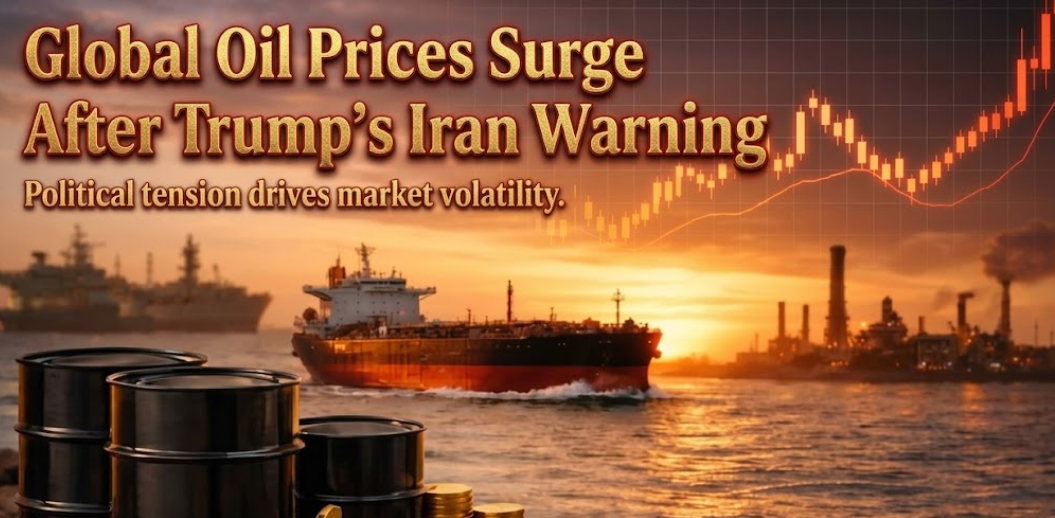
Global Oil Prices Surge After Trump’s Iran Warning

Global crude oil prices have been increased again following remarks delivered by Donald Trump regarding tensions involving Iran.

As a result, uncertainty has been created in international energy markets. Consequently, investors have reacted cautiously to possible supply disruptions.


Supply Concerns Linked to Strait of Hormuz

Market expectations that restrictions affecting the Strait of Hormuz could soon be eased were weakened after the speech.

This narrow shipping route is considered extremely important because nearly 20% of global energy demand is transported through it. Therefore, any disruption in this region is closely monitored by global markets.

As a result, oil supply concerns were strengthened further after the warning statements were delivered.

Brent Crude Oil Prices Increased by 4%

Before the presidential speech began, the price of Brent crude oil had been recorded at 100 US dollars per barrel.

During the speech, price fluctuations were observed in the global market. However, by the end of the trading session, the price had increased by nearly 4%, reaching approximately 105.38 US dollars per barrel.

Therefore, renewed investor concern about supply chain risks has been reflected in the price movement.


Investors React to Escalating Political Warnings

Strong warnings regarding possible leadership changes in Iran and threats involving infrastructure damage were highlighted during the speech.

As a result, additional risks to the global oil supply chain were anticipated by investors. Consequently, analysts have indicated that these concerns contributed directly to the recent price increase.

Furthermore, continued geopolitical uncertainty in the region is expected to influence global energy markets in the coming weeks.

Global Economic Impact Closely Monitored

Because the Strait of Hormuz plays a vital role in global oil transportation, developments in the region are being closely monitored by economic observers worldwide.

Therefore, further price volatility is expected if geopolitical tensions remain unresolved.

As a result, global markets are likely to remain sensitive to future political developments affecting energy supply routes.