European Court Rules Switzerland Violated Protest Organizer’s Rights.

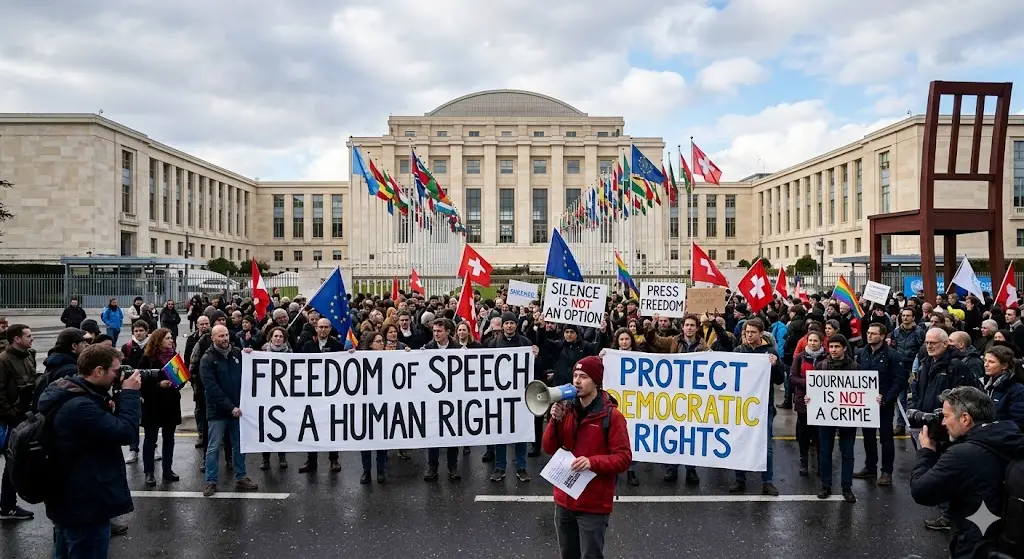
The European Court of Human Rights has ruled that Switzerland violated the rights of a protest organizer linked to a demonstration held in Geneva in 2019.

The case involved an International Women’s Day protest that had received official authorization from local authorities. Before the event, organizers were informed that they could be held personally responsible if permit conditions were violated during the demonstration.

During the protest, riots and disturbances reportedly occurred, leading Swiss authorities to accuse the organizer of failing to maintain an effective security service.

Swiss courts later convicted the organizer under criminal law and imposed a fine of CHF200.

The organizer appealed the decision to the European Court of Human Rights in Strasbourg, arguing that her fundamental rights had been violated.

In its verdict published on Thursday, the ECHR concluded that Switzerland violated several rights protected under the European Convention on Human Rights, including freedom of assembly, freedom of association, freedom of expression, and the right to a fair trial.

The ruling represents another significant judgment involving Switzerland and human rights protections under European law.

Legal experts say the decision could influence how Swiss authorities manage public demonstrations and assess the responsibilities of protest organizers in future events.

The case also highlights the ongoing balance between maintaining public order and protecting democratic rights such as peaceful protest and freedom of expression.

The ECHR has played a major role in shaping human rights standards across Europe, with its rulings often leading member states to review legal procedures and public policies.

Iran Conflict Raises Concerns Over Swiss Gas and Electricity Supply.

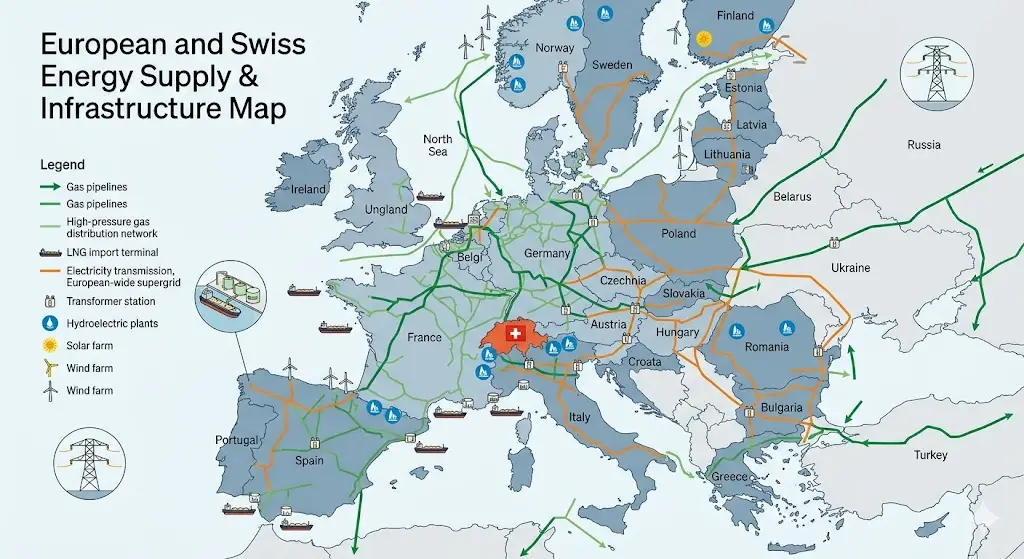
The ongoing conflict involving Iran and growing tensions around the Strait of Hormuz are increasing concerns about energy security in Switzerland ahead of the winter season.

According to Swiss Federal Electricity Commission, the situation could affect Switzerland’s electricity supply and create uncertainty in European gas and electricity markets.

Energy experts warned that gas-fired power plants remain essential for maintaining electricity stability across Europe, especially during winter periods when energy demand rises sharply.

However, European gas storage levels are currently lower than expected, raising concerns about whether reserves can be fully replenished before winter begins.

ElCom stated that the war in Iran and the possibility of disruptions in the Strait of Hormuz — one of the world’s most important oil and gas shipping routes — could significantly impact global energy supplies.

Despite these risks, current gas and electricity prices remain below the extreme levels seen during the 2021–2022 European energy crisis.

Officials explained that Europe now has greater flexibility because liquefied natural gas (LNG) import capacity has expanded significantly in recent years.

In addition, France’s nuclear energy production is currently operating at unusually strong levels, helping stabilize regional electricity supplies.

Still, Swiss authorities warned that energy risks remain if the Strait of Hormuz faces a prolonged closure, if European gas storage remains insufficient, or if Europe experiences an exceptionally cold winter.

The report highlights how geopolitical conflicts in the Middle East continue to influence European energy markets, fuel security, and electricity supply planning.

Switzerland, although not a direct gas producer, depends heavily on European energy networks and imported energy resources during colder months.

Switzerland Imports Record Number of Donor Organs.

Switzerland recorded a record number of imported donor organs in 2025, helping more patients receive life-saving transplants, according to the latest annual report from Swisstransplant.

Last year, 185 deceased individuals donated organs in Switzerland, only slightly below the country’s previous record. However, the number of living kidney and liver donations declined significantly by 16.5%, dropping to 96 cases.

Despite the decrease in donors, Switzerland carried out 643 organ transplants in 2025 — the second-highest number ever recorded in the country and a slight increase compared to the previous year.

Health officials reported notable increases in heart and pancreas transplants during the year.

A major factor behind the rise in transplant procedures was the growing international exchange of donor organs. Switzerland imported a record 69 organs from abroad, meaning nearly one in every eight transplanted organs came from another country.

Lungs were the most commonly imported organs, while Switzerland also exported 25 organs internationally as part of cross-border medical cooperation.

Monaco Fines UBS €6 Million Over Money Laundering Failures.

UBS has been fined €6 million by Monaco’s financial watchdog over serious failures linked to anti-money laundering and counter-terrorism financing controls.

The penalty was imposed by the Monegasque Financial Security Authority, which accused the Swiss banking giant’s Monaco subsidiary of multiple compliance breaches between 2018 and 2023.

According to the regulator, UBS failed to maintain effective internal controls and did not adequately meet legal obligations related to identifying high-risk clients and monitoring suspicious financial activity.

The AMSF stated that the repeated nature of the shortcomings demonstrated a broader failure within the institution’s compliance system.

Investigators found delays in reporting suspicious transactions and weaknesses in the preparation of the bank’s overall risk assessments.

The regulator also criticized UBS for failing to properly verify customer identities, income sources, and beneficial ownership structures — especially in complex corporate arrangements involving multiple ownership layers.

Authorities noted that more than half of UBS Monaco’s client base was classified as medium to very high risk, increasing the importance of strict compliance procedures.

The case highlights growing international pressure on major financial institutions to strengthen anti-money laundering systems and improve transparency in global banking operations.

Switzerland’s banking sector has faced increased scrutiny in recent years regarding financial crime prevention, transparency standards, and international regulatory compliance.

The fine adds to broader concerns across Europe about illicit financial flows, hidden ownership structures, and the role of global banks in preventing money laundering activities.

Roche Acquires AI Specialist PathAI in Major Healthcare Deal.

Swiss pharmaceutical giant Roche has announced the acquisition of American artificial intelligence company PathAI as part of its strategy to strengthen AI-powered healthcare and digital pathology solutions.

The deal is valued at $750 million, with additional milestone payments that could increase the total value by up to $300 million.

Through the acquisition, Roche aims to expand its leadership in AI-based diagnostic technologies and accelerate the development of personalized medicine.

PathAI specializes in artificial intelligence systems used in pathology and medical diagnostics. Its AI-powered Image Management System (IMS) helps laboratories improve efficiency, analyze medical images faster, and support clinical decision-making.

Roche stated that combining PathAI’s technology with Roche’s diagnostic expertise will help speed up the development of new therapies, improve laboratory operations, and support the discovery of new biomarkers and advanced diagnostic tools.

The two companies already began collaborating in 2021, with the partnership expanding further in 2024 before the acquisition announcement.

Roche expects the transaction to be finalized during the second half of 2026, pending approval from regulatory and competition authorities.

After completion, PathAI will be integrated into Roche’s diagnostics division, strengthening the company’s position in the growing field of AI-driven healthcare innovation.

The move highlights the increasing importance of artificial intelligence in global healthcare, where pharmaceutical companies are investing heavily in digital diagnostics, precision medicine, and automated laboratory technologies.

Middle East War Expected to Affect Swiss Tourism Industry.

The ongoing conflict in the Middle East is expected to negatively impact the tourism sector in Switzerland, according to Switzerland Tourism.

Tourism officials warned that the war could lead to a moderate decline in overnight hotel stays this year, although demand during the summer season is expected to remain relatively stable.

The Swiss hotel industry recorded a noticeable slowdown in March, with overnight stays falling by 5.2% compared to the same period last year. However, Switzerland Tourism explained that the decline was not caused solely by the conflict but also by calendar-related factors.

One major reason was the timing of school winter holidays. In 2026, winter vacations in many European regions ended in February, while several major markets, including Germany, had holidays extending into March during the previous year.

Despite the uncertainty, many tourism operators remain optimistic about the upcoming summer season. Industry experts expect stable demand from domestic travelers and visitors from neighboring European countries.

The trend toward “nearshoring” — where tourists prefer destinations closer to home — is continuing to support Switzerland’s tourism sector amid global instability.

Interestingly, Switzerland also recorded a surprising rebound in visitors from Gulf countries, with arrivals increasing by 7.9%. Tourism officials noted that this was partly due to the timing of Ramadan, which fell in March 2025 and traditionally reduces travel activity.

Looking ahead to 2026, Switzerland Tourism predicts a 2–3% decline in overnight stays linked to geopolitical tensions in the Middle East.

However, officials stressed that the current situation is far less severe than the tourism collapse experienced during the COVID-19 pandemic. They described the present slowdown as a market adjustment affecting only certain travel segments.

Tourism experts added that hotels heavily dependent on travelers from affected regions may feel stronger economic pressure, while the broader Swiss tourism industry is expected to remain stable overall.

Special Screening of “Neelira” Film to Take Place in Kloten.

A special screening of the Tamil film Neelira and an interactive discussion with its director will take place in Kloten, Switzerland, on May 10, 2026.

The film, directed by Somitharan, is based on events that reportedly took place during a single night in Eelam in 1988. The production explores historical and emotional themes connected to the Sri Lankan Tamil experience.

The movie is presented by acclaimed filmmaker Karthik Subbaraj and actor Rana Daggubati, adding significant attention to the project among Tamil cinema audiences worldwide.

Alongside the screening, organizers have arranged a live discussion session with director Somitharan, giving audiences an opportunity to learn more about the film’s background, storytelling approach, and historical inspiration.

The event is scheduled to take place on Sunday, May 10, 2026, at 6:30 PM at Cinema Claudia in Kloten.

Tamil film enthusiasts and members of the Tamil diaspora community interested in Eelam history and culturally significant cinema are expected to attend the event.

Italian Ambassador Defends Diplomacy During Crans-Montana Fire Dispute.

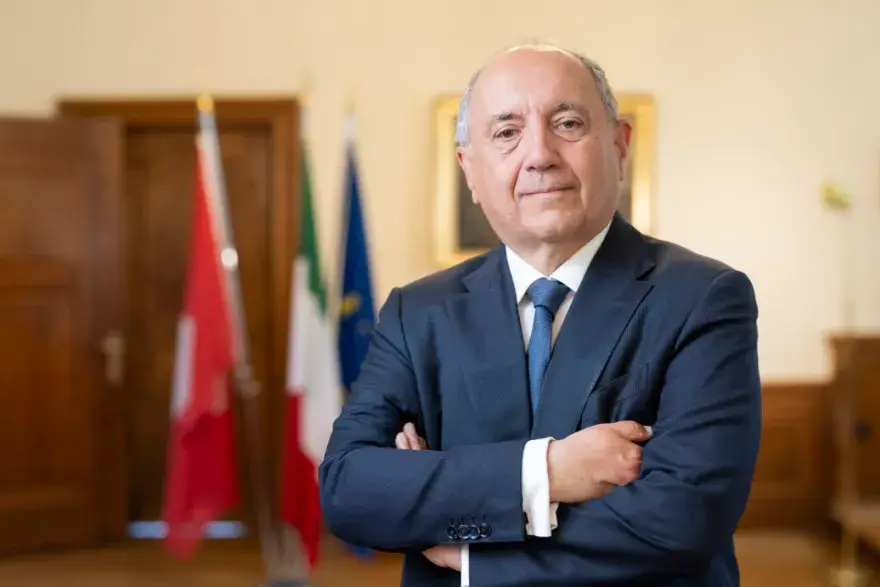
The Italian ambassador to Bern has defended his diplomatic approach after criticism from Swiss Foreign Minister Ignazio Cassis during tensions linked to the deadly Crans-Montana fire tragedy.

Italian ambassador Gian Lorenzo Cornado stated in an interview with the newspaper Neue Zürcher Zeitung that he openly expresses his views as part of his diplomatic style.

“I speak my mind, that’s my style,” Cornado said while responding to criticism surrounding the handling of the bilateral dispute.

The diplomatic disagreement emerged following a fatal New Year’s Eve fire in Crans-Montana that reportedly killed 41 people and injured more than 100 others, including several Italian citizens.

Tensions increased after Italian authorities objected to Swiss hospital invoices being sent to Italian victims and their families following the disaster.

According to Cornado, he acted in line with the expectations of the Italian government and Prime Minister Giorgia Meloni, who requested special attention to the hospital billing issue.

Earlier, Ignazio Cassis criticized the ambassador during an interview with Ticinonews, saying the prolonged public discussions had worsened the situation instead of helping calm relations between the two countries.

Meanwhile, Guy Parmelin assured that similar problems would not happen again and confirmed that Swiss authorities are reviewing legal procedures related to cross-border medical billing.

Cornado later indicated that both sides are now close to reaching a solution and described ongoing discussions as positive.

The incident has drawn wider attention to diplomatic coordination, emergency response procedures, and international healthcare cost management following cross-border tragedies in Europe.

Russian Exiles Warn of Kremlin Victory Day Propaganda in Switzerland.

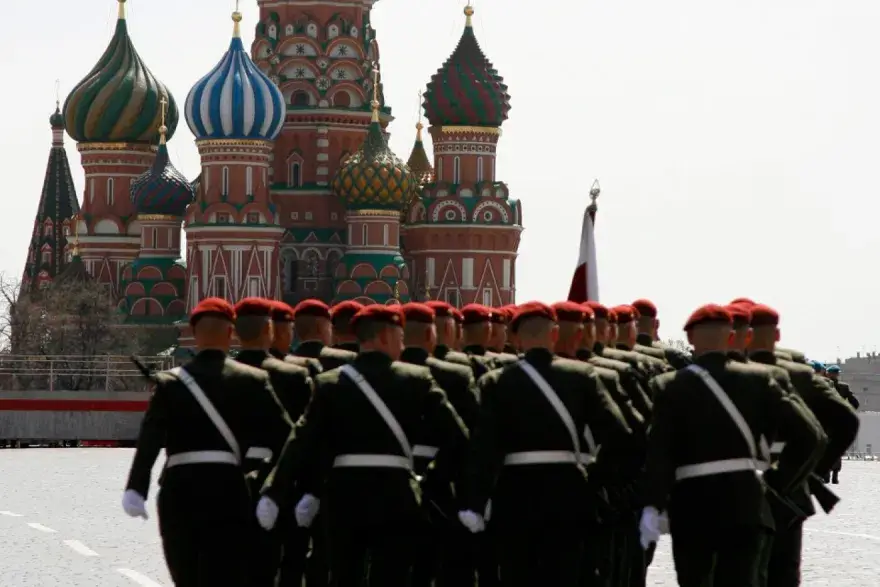
Russian exile groups in Switzerland have warned that upcoming Victory Day events linked to Russia may be used to spread Kremlin propaganda and political influence across Europe.

The concerns focus on “Immortal Regiment” rallies scheduled to take place in Geneva and Basel during Russia’s Victory Day commemorations.

According to the exile organization Russia of the Future – Switzerland, the original remembrance movement has been transformed into a political tool connected to Russian state messaging.

The group stated that what initially began as a civil society initiative to honor relatives who died during the Second World War has now been “completely appropriated by the Kremlin.”

Exiled activists argue that the events are increasingly being used to justify Russia’s actions in Ukraine and promote narratives aligned with Russian state ideology.

The association further warned that some participants often display symbols such as the St George’s Ribbon, which critics say has become associated with Russian military aggression and the war in Ukraine.

The debate highlights growing concerns across Europe regarding foreign influence operations, political symbolism, and propaganda activities linked to geopolitical conflicts.

Switzerland has faced increasing scrutiny in recent years over misinformation campaigns, cyber threats, and international political influence activities connected to the ongoing tensions between Russia and Western nations.

Authorities have not announced any bans on the planned gatherings, but security and political discussions surrounding such events continue to intensify throughout Europe.

Swiss Media Industry Adopts AI Code of Conduct.

The Switzerland media industry has officially adopted a new code of conduct for the responsible use of artificial intelligence in journalism and publishing.

The initiative aims to strengthen public trust in AI technologies while ensuring ethical standards remain central to modern media practices.

According to industry representatives, the framework is based on principles outlined in a Council of Europe convention and is designed to guide media companies in using AI responsibly and transparently.

Andrea Masüger, President of the German-language publishers’ association Schweizer Medien, emphasized the importance of public confidence in journalism.

“Trust is the media’s most precious asset,” Masüger stated while discussing the need for clear ethical standards around AI-generated content and automated technologies.

The new guidelines are expected to address issues such as transparency, accountability, editorial oversight, misinformation risks, and the protection of journalistic integrity.

Media organizations across Europe are increasingly introducing AI policies as artificial intelligence tools become more common in news production, content generation, translation, and audience engagement.

Swiss publishers hope the new code will encourage responsible innovation while maintaining high standards of accuracy, independence, and credibility in the digital media landscape.

The move reflects growing international concern about the impact of AI on journalism, democracy, and public trust in information.