NASA Chooses Blue Origin for First Uncrewed Moon Mission.

NASA has selected Blue Origin to lead its first uncrewed lunar mission as part of an ambitious plan to build a $20 billion moon base.

The mission is part of NASA’s broader Artemis program, which aims to return humans to the Moon and establish a long-term lunar presence. NASA confirmed that three uncrewed lunar missions will be launched in 2026 to test critical landing systems, cargo delivery, and surface operations.

Blue Origin will launch its “Endurance” cargo lander, carrying scientific payloads to the Moon’s south pole region. The mission will focus on demonstrating advanced landing and delivery capabilities that support future human exploration.

NASA administrator Jared Isaacman stated that this step marks a new era of lunar development, emphasizing a gradual and tested approach similar to NASA’s early space programs in the 1960s.

The decision places Blue Origin ahead of SpaceX for the first mission, although both companies will continue competing for future Artemis landing contracts.

NASA confirmed that this mission is part of a larger plan involving more than a dozen lunar launches in the coming years, building the foundation for a permanent lunar base.

Swiss Technology SMEs Struggle Under Economic Pressure.

Small and medium-sized enterprises in Switzerland’s technology sector are facing growing economic pressure due to weak demand, currency challenges, and rising operating costs. According to the latest survey released by Swissmechanic, business confidence among SMEs in the machinery, electrical equipment, and metals industries remains deeply negative.

The business climate index for Swiss MEM industry SMEs stood at around minus 30 points in April 2026, continuing a prolonged downturn that has persisted since the end of 2023. Many companies report ongoing uncertainty and reduced customer demand across key industrial sectors.

The lack of incoming orders remains the biggest challenge, with 60% of surveyed companies identifying it as their main concern. Businesses are also struggling with the impact of the strong Swiss franc, which affects export competitiveness and profitability in international markets.

Around 41% of companies highlighted exchange rate fluctuations as a major issue, while 23% pointed to rising energy costs. These pressures have intensified since the beginning of 2026 and continue to affect operating margins across the industry.

Financial performance has weakened for many businesses. During the first quarter of 2026, approximately four out of ten SMEs reported a decline in EBIT margins, reflecting increasing cost pressure and reduced profitability.

Despite the difficult environment, some companies are attempting to protect jobs through short-time work programmes and internal efficiency measures. Around 18% of SMEs said they are maintaining their workforce despite declining earnings.

Investment activity also remains limited. Nearly one-quarter of surveyed companies stated they are unable to invest due to financial constraints, especially limited equity capital. Many firms are choosing to maintain current production capacity rather than expand operations during uncertain market conditions.

However, there are small signs of improvement in the Swiss technology industry. Exports from the MEM sector have increased for three consecutive quarters, and Switzerland’s purchasing managers’ index recently moved above the growth threshold for the first time since late 2022.

Even so, industry experts warn that a stable and long-term recovery has not yet been secured, and many SMEs continue to face significant economic uncertainty in 2026.

Switzerland Allocates CHF3 Million to Fight Ebola Outbreak.

Switzerland has announced emergency financial support worth CHF3 million to help combat the growing Ebola outbreak affecting the Democratic Republic of the Congo and neighbouring regions. The funding aims to strengthen healthcare response efforts, disease prevention, and emergency medical support in affected communities.

The Swiss government confirmed that the funding will be provided through the Swiss Agency for Development and Cooperation using emergency humanitarian aid resources. Officials stated that more than CHF2 million will be directed to the World Health Organization to support emergency medical coordination, laboratory assistance, and expert deployment in outbreak zones.

An additional CHF500,000 will support maternal and child healthcare programmes operating in South and North Kivu, regions heavily affected by ongoing health and humanitarian crises. Around CHF400,000 will also be allocated to infectious disease prevention and control projects in Ituri and North Kivu provinces.

Swiss authorities emphasized the importance of rapid international cooperation in containing Ebola outbreaks before they spread further across vulnerable regions. The funding will help improve emergency response systems, medical infrastructure, and disease monitoring capabilities.

Meanwhile, Swiss Solidarity has separately pledged CHF1.2 million from its humanitarian relief fund to support Ebola containment efforts in Congo and surrounding countries. The organisation plans to assist with isolation and treatment centres, virus testing, contact tracing, hygiene kits, and protective medical equipment.

The humanitarian support will also fund community awareness programmes and safe burial practices aimed at reducing infection risks. Health experts say prevention campaigns are essential because Ebola spreads rapidly through direct contact with infected individuals and contaminated materials.

Switzerland’s contribution reflects growing international concern over the Ebola outbreak and the need for coordinated global action to prevent a wider public health emergency.

AI Brings Mixed Impact to Swiss Company Workforce.

Artificial intelligence is rapidly transforming workplaces across Switzerland, but its overall impact on jobs remains uncertain. A new survey conducted by EY reveals that Swiss companies are increasingly adopting AI technologies while still evaluating their long-term effects on employees and the labour market.

According to the survey, around 7% of Swiss companies have already reduced jobs because of artificial intelligence. In addition, 11% reported that vacant positions were not replaced due to the growing use of AI systems and automation tools.

At the same time, artificial intelligence is also creating new career opportunities. Around 18% of respondents stated that their companies had introduced additional positions linked to AI development and implementation. These new roles include specialists in data science, AI engineering, automation systems, and digital transformation.

The report highlights that many organisations are still in the early stages of AI adoption. A significant 42% of respondents said they could not yet clearly assess the overall impact of AI on their workforce. Researchers believe this reflects the ongoing transition as companies experiment with new technologies and workplace models.

The use of AI in Swiss companies has become highly widespread. Only 3% of surveyed employees said the use of artificial intelligence was prohibited within their workplace. Most companies now use AI tools pragmatically to support everyday business tasks.

Approximately 72% of respondents said they mainly use AI as a productivity assistant in daily work activities. Employees commonly rely on AI for brainstorming ideas, creating first drafts, organising information, and improving workflow efficiency.

In addition, 47% of participants reported that they already trust artificial intelligence in selected business applications. This growing confidence suggests that AI integration is becoming more accepted across multiple industries in Switzerland.

The survey included responses from 604 employees working in Swiss companies of different sizes, providing insight into how businesses are adapting to the rapidly changing digital economy.

Experts believe Switzerland’s labour market may continue evolving as AI technology develops further, balancing concerns over automation with opportunities for innovation and new digital professions.

Switzerland Moves to Limit Junk Food Ads Targeting Children.

The Swiss government is planning new measures to reduce advertising of unhealthy foods targeting children under the age of 13, in an effort to improve long-term public health outcomes. The initiative focuses on limiting exposure to ads for products high in sugar, fat, and salt across multiple media platforms.

The proposal was presented by the Federal Food Safety and Veterinary Office in Bern during discussions with representatives from the food and advertising industries. Authorities aim to establish a self-regulation framework rather than an immediate legal ban.

Under the proposed system, restrictions would apply to advertising channels that directly reach children, including television, social media, online games, websites, and outdoor advertisements near schools. Products such as sugary drinks, chocolate, and salty snacks would be restricted from targeted marketing toward young audiences.

The guidelines are expected to align with the nutritional profiling model developed by the World Health Organization, ensuring that products considered unhealthy under international standards are covered by the restrictions. The government also plans to monitor compliance to ensure that self-regulation is effectively implemented across the industry.

Officials emphasize that advertising significantly influences children’s eating habits, often encouraging the consumption of high-calorie, low-nutrition foods. With around one in five children in Switzerland currently affected by overweight or obesity, authorities say stronger preventive measures are necessary to protect long-term health.

Health experts warn that early dietary habits formed in childhood can strongly affect adult health, increasing the risk of diseases such as diabetes and cardiovascular conditions. The proposed policy aims to encourage healthier food environments during childhood development.

The food and advertising industry has been given until mid-July to confirm participation in the self-regulation plan and agree to the required standards

Otter Returns to Switzerland After Decades of Absence.

The otter has returned to Switzerland after disappearing for decades, marking a significant milestone for wildlife conservation efforts. However, environmental organisations warn that its long-term survival depends heavily on continued river restoration and habitat protection across the country.

According to conservation groups Pro Natura and Pro Lutra, multiple otter sightings were recorded in January 2026 across different regions of Switzerland, suggesting a slow but steady natural return of the species.

One of the most notable sightings occurred on January 11 in Selzach in the canton of Solothurn, where snow tracks along the River Aare confirmed otter presence for the first time in 91 years. Another sighting followed on January 15 when a wildlife camera captured an otter swimming in the Linth Canal in the canton of Glarus.

Additional reports of otters, including juvenile individuals, have also emerged from several Swiss cantons such as Graubünden, Bern, St Gallen, Ticino, Lucerne, and Zurich, indicating a wider regional presence.

The species disappeared from Switzerland in the late 20th century, with the last confirmed sighting recorded in 1989 at Lake Neuchâtel. Experts attribute its extinction to hunting, river modification, and water pollution, despite legal protections introduced in 1952 and environmental bans implemented in the 1980s.

Conservationists explain that otters have been able to naturally recolonise Switzerland by travelling through river networks connected to the Danube basin via Austria’s Inn region. This ecological corridor has allowed the species to gradually expand back into Swiss waterways.

However, experts warn that the otter’s survival is still uncertain. The species depends heavily on healthy fish populations, yet studies show that two out of three fish species in Switzerland are currently threatened. Environmental groups stress that river renaturation must be expanded significantly to support aquatic biodiversity.

Authorities currently restore less than half of the 50 kilometres of river habitat required annually by law, raising concerns about long-term ecological balance. Without stronger action, conservationists fear that the otter’s return could remain fragile.

World Otter Day, celebrated on the last Wednesday of May, is used globally to raise awareness about otter conservation. In Switzerland, events are also held on May 27, including educational activities at Muzoo La Chaux-de-Fonds and online webinars focusing on otter species and habitat protection.


Swiss Health Insurance Premiums to Rise 5% in Autumn.

Health insurance premiums in Switzerland are set to increase by around 5% in autumn 2026, according to new projections from the Federal Office of Public Health. The announcement was made during a media briefing in Bern on Tuesday, where officials highlighted the continued rise in healthcare costs across the country.

Swiss healthcare spending has increased significantly, with costs rising by an additional CHF247 per capita last year. Authorities confirm that this upward trend is expected to continue, driven by multiple long-term factors affecting the healthcare system.

Officials from the Federal Office of Public Health stated that premium increases are closely linked to overall cost growth in the healthcare sector. On average, insurers expect costs to rise by nearly 5% in 2026, which directly influences the adjustment of monthly premiums paid by residents.

Experts explain that the rise in healthcare expenses is due to several structural factors, including an ageing population, advances in medical technology, and increasing demand for healthcare services. These elements continue to place pressure on Switzerland’s insurance-based healthcare model.

Cost growth in the first quarter of the current year was recorded at approximately 2.9%, confirming that medical spending remains on an upward trajectory. Authorities have stressed that controlling costs remains a long-term challenge for policymakers and insurers alike.

The Federal Office of Public Health emphasized that while the Swiss healthcare system remains high-quality and efficient, sustained efforts are needed to manage expenditure growth and ensure long-term affordability for citizens.

As premiums continue to rise, public debate in Switzerland is expected to intensify around healthcare reform, insurance affordability, and cost control measures in the coming years.

Hoverfly Named Switzerland’s Species of the Year 2026.

A newly identified insect species, the hoverfly Monoceromyia ndidiae, has been named Switzerland’s “Species of the Year 2026” by the Swiss Systematics Society. The announcement highlights the growing importance of citizen science in modern biological research and species discovery.

The hoverfly belongs to a family of insects known for their striking yellow-orange coloration, which often mimics wasps. This natural camouflage helps protect them from predators, even though hoverflies are completely harmless and cannot sting or bite humans.

The discovery began unexpectedly in the Dominican Republic when nature enthusiasts uploaded insect photographs to the citizen science platform iNaturalist. One particular image caught the attention of an entomologist who noticed unusual physical features that did not match any known species.

After further analysis and collaboration with international experts, researchers confirmed that the insect represented a previously unknown species. The finding was later verified and formally recognized, marking a significant contribution to biodiversity science.

Scientists from the Swiss Systematics Society emphasized that this discovery demonstrates how public participation can play a crucial role in scientific research. By sharing wildlife observations online, non-experts can help identify rare or unknown species that might otherwise go unnoticed.

The case of Monoceromyia ndidiae also highlights how global collaboration between scientists and citizen observers can accelerate discoveries in taxonomy and ecology. Researchers believe that many more undiscovered species may already exist in public photo databases waiting to be identified.

This recognition as Species of the Year 2026 celebrates both the insect itself and the global community that helped bring it to scientific attention.

Asian Tourist Drop Slows Swiss Summer Tourism Growth.

Switzerland’s summer tourism sector is expected to slow down in 2026, mainly due to a sharp decline in visitors from Asia. According to the latest forecast from the KOF Swiss Economic Institute at ETH Zurich, overnight hotel stays are projected to fall by 1.6% to around 24.8 million.

Researchers highlight that the ongoing Iran conflict is having a significant impact on global travel patterns, particularly long-haul flights. Rising fuel costs, higher airfares, and longer or less secure flight routes are discouraging many international tourists from travelling to Switzerland this summer.

The study shows that foreign guest overnight stays are expected to decline by 2.9% to 13 million. The biggest drop is predicted in visitors from Asia, which could fall by around 10% to 1.5 million overnight stays. Chinese tourists are expected to see an even sharper decline of approximately 25.7%, reducing their total to 0.4 million.

Asian visitors play an important role in Switzerland’s tourism economy, especially in major cities where long-distance tourism supports hotels, retail, and guided services. Their share of foreign overnight stays is expected to drop from 12.4% in summer 2025 to about 11.5% this year.

While international tourism is weakening, domestic demand is showing slight growth. Swiss residents are expected to generate around 11.8 million overnight stays, marking a modest increase of 0.2%. European visitors are also expected to remain relatively stable at 6.7 million overnight stays, a slight decrease of 0.4%.

Experts explain that European travellers are less affected because they can still reach Switzerland easily by car, train, or short-haul flights. In contrast, long-distance travel markets are more sensitive to fuel prices and geopolitical uncertainty.

Looking ahead, the winter season 2026/27 is expected to remain stable, with around 18.7 million overnight stays forecast. Unlike the summer season, winter tourism relies more on regional visitors and Swiss residents, making it less vulnerable to global disruptions.

The KOF also noted that the previous winter season was strong overall, although momentum slowed towards the end due to weaker snow conditions and early effects of global conflict.

Swiss Concern Over Global Security Reaches 20-Year Low Confidence.

Public concern about global instability has significantly increased in Switzerland, according to the latest Federal Department of Defence, Civil Protection and Sport “Security 2026” survey released on Tuesday. The findings reveal that Swiss citizens are increasingly anxious about international conflicts and the country’s long-term security position.

The survey shows that 86% of respondents feel pessimistic about the global political situation, marking a sharp rise in insecurity perceptions. Many also expressed concern about Switzerland’s own future stability in an increasingly uncertain geopolitical environment.

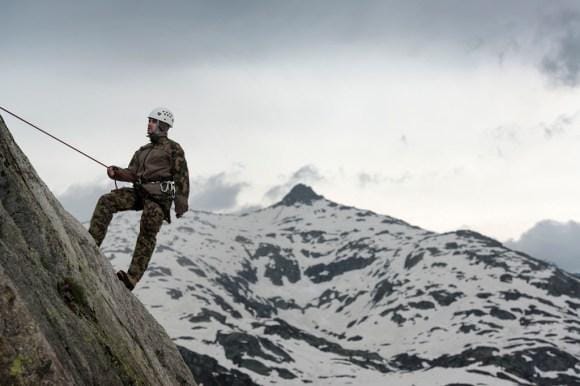
According to the report, overall feelings of personal and national security in Switzerland have dropped to their lowest level in the past 20 years. More than 80% of participants believe that the Swiss armed forces remain either “absolutely necessary” or “rather necessary” for national defence and crisis response.

The study also highlights growing support for increased defence investment. Around 29% of respondents believe that military spending is currently too low, the highest level recorded since 1986. This indicates a clear shift in public opinion toward strengthening national defence capabilities.

At the same time, attitudes toward compulsory military service are divided. About one-quarter of respondents support abolishing mandatory service, reflecting ongoing debate about the role of citizens in national defence.

Another key finding shows that a slight majority of Swiss citizens now support closer cooperation with NATO. This marks a notable shift in a country traditionally known for its long-standing policy of neutrality.

The report further states that more than half of respondents believe Switzerland’s neutrality can no longer be credibly defended in military terms. This signals a significant change in public perception regarding the country’s traditional foreign policy stance.

Overall, the “Security 2026” survey suggests that global instability is reshaping Swiss public opinion, with increasing support for stronger defence policies, higher military spending, and closer international security cooperation.