


Starting a Business in Switzerland: A Complete Guide.

Switzerland offers one of the most business-friendly environments in Europe, making it an attractive destination for entrepreneurs and small business owners. Whether you want to start a cleaning service, construction company, online store, restaurant, delivery service, or consulting business, understanding the registration process is essential for success.

The simplest option is to start as a Sole Proprietorship (Einzelfirma). This structure is suitable for self-employed individuals and freelancers. Entrepreneurs must register with the AHV/AVS social insurance office as self-employed. If annual revenue exceeds CHF 100,000, registration in the Commercial Register becomes mandatory. Businesses earning less than this amount may register voluntarily to increase credibility and visibility.

Another popular option is establishing a GmbH (Limited Liability Company). This structure requires a minimum share capital of CHF 20,000 and offers greater legal protection for business owners. A notary must prepare the incorporation documents before the company is officially registered in the Swiss Commercial Register.

For larger businesses, the AG (Aktiengesellschaft) structure is commonly used. This form is designed for companies seeking significant investment and expansion opportunities. AG companies require higher capital contributions and more extensive legal procedures, including mandatory notary certification and Commercial Register registration.

Entrepreneurs can complete many registration procedures through EasyGov, Switzerland’s official online business platform. The service allows users to register companies, complete AHV registrations, apply for VAT registration, and handle Commercial Register procedures through a single portal. Business owners can also verify registered companies using the Zefix central commercial register database.

Various organizations provide support for new entrepreneurs in Switzerland. Cantonal economic development offices, chambers of commerce, business consultants, startup incubators, and financial institutions offer guidance on legal requirements, taxation, accounting, and business planning. Their expertise can help entrepreneurs navigate the Swiss business environment more efficiently.

Before starting a business, entrepreneurs should evaluate their residence permit status, business activity, expected revenue, and legal obligations. Proper planning and compliance with Swiss regulations can significantly improve the chances of building a successful and sustainable business.
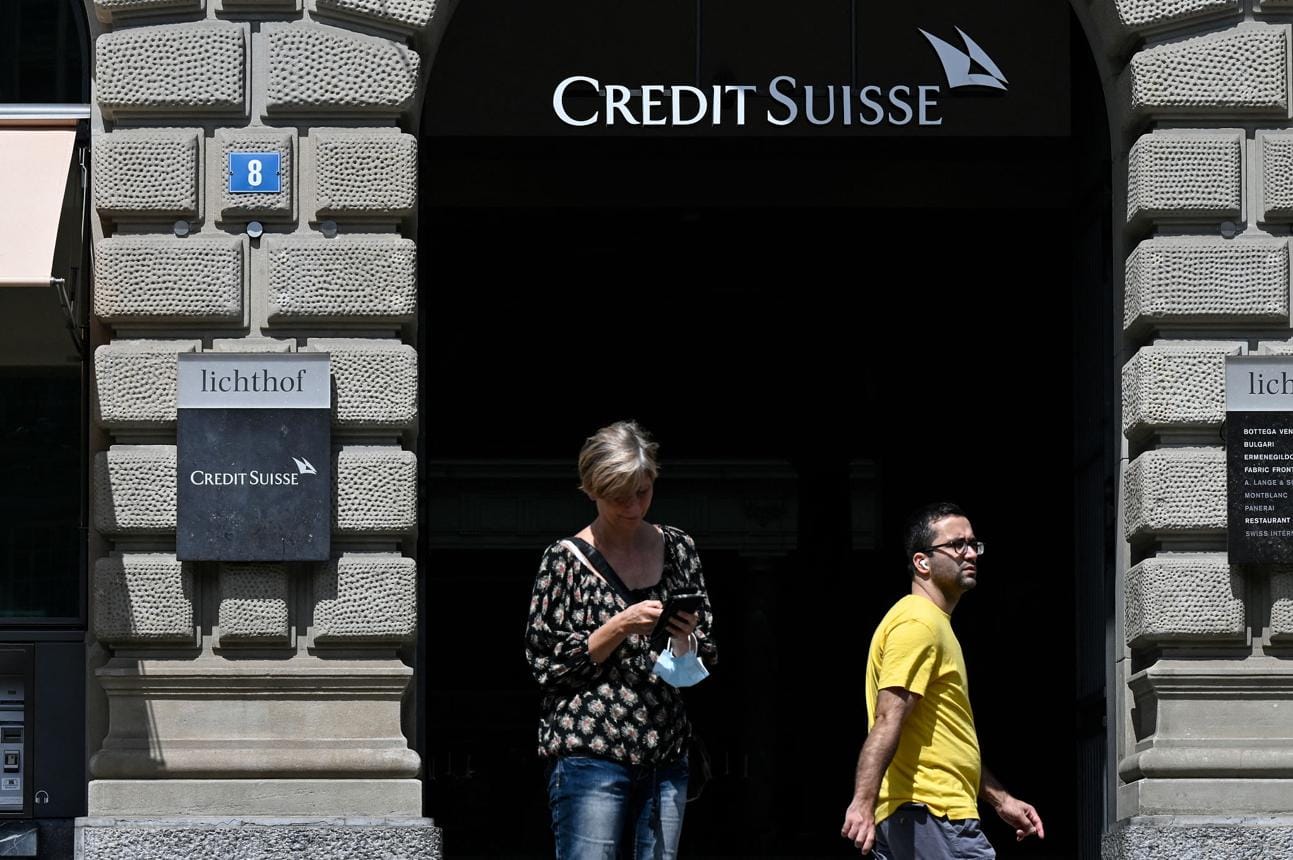
Swiss Bank Stops Loan Access for Refugees.

A well-known Swiss bank has reportedly ended loan facilities for individuals holding refugee status in Switzerland. The decision has sparked discussion among community groups, financial experts, and refugee support organizations regarding access to essential financial services.

Banks in Switzerland regularly review their lending policies based on risk assessments, regulatory requirements, and internal business strategies. Changes to loan eligibility criteria can affect specific customer groups, including foreign nationals and individuals with different residence permit categories.

The reported move has raised concerns among refugee communities who rely on financial products to support education, housing, transportation, and small business activities. Advocates argue that access to responsible credit plays an important role in helping individuals integrate into Swiss society and achieve financial stability.

Supporters of stricter lending policies, however, point out that banks must manage financial risks carefully and comply with regulatory obligations. Financial institutions often evaluate factors such as income stability, employment status, residency conditions, and repayment capacity before approving loans.

The development highlights the ongoing debate between financial risk management and equal access to banking services in Switzerland. Further clarification from the bank and relevant authorities may provide additional details regarding the scope and impact of the policy change.

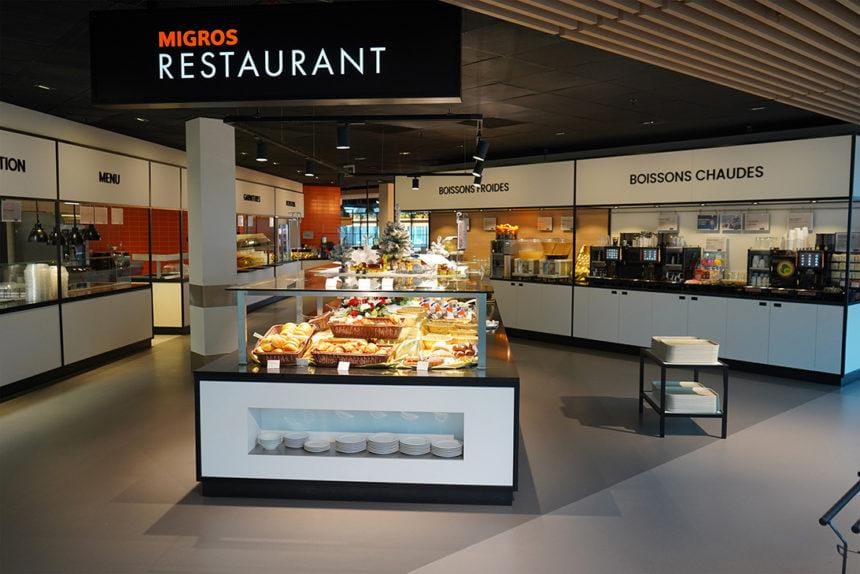
Migros Restaurant Food Quality in Switzerland.

Migros operates some of the most popular self-service restaurants across Switzerland and continues to attract thousands of customers every day. While Migros restaurants are not considered luxury dining destinations, many visitors appreciate them for offering fresh meals, affordable prices, and a comfortable dining environment.

Migros focuses on providing seasonal menus, freshly prepared dishes, salad buffets, vegetarian options, and family-friendly meals. The company aims to deliver quality food that meets Swiss standards while keeping prices accessible for everyday customers. This combination has helped Migros become a trusted choice for quick lunches and casual dining throughout the country.

Many customers praise Migros restaurants for offering good value for money. Fresh salads, buffet selections, clean dining spaces, and family-oriented meal options remain among the most appreciated features. Customers also value the use of ingredients that comply with Switzerland’s strict food quality standards.

However, customer experiences can vary between different Migros restaurant locations. Some visitors report that food quality and taste differ from branch to branch. Others believe that food standards have changed over recent years, while some diners feel the restaurants may not satisfy expectations for premium culinary experiences.

Overall, Migros remains a reliable option for people seeking a clean, affordable, and convenient meal in Switzerland. Although food enthusiasts looking for gourmet dining may prefer other restaurants, Migros continues to maintain its reputation as one of Switzerland’s most accessible and trusted self-service dining brands.