
Swiss Lakes Hit Record High Temperatures in May.

Switzerland’s lakes are experiencing unprecedented warmth, with many recording their highest-ever temperatures for the month of May. According to recent reports, 26 of the country’s 32 largest lakes have reached record surface temperatures, highlighting the growing impact of warmer weather and climate change.

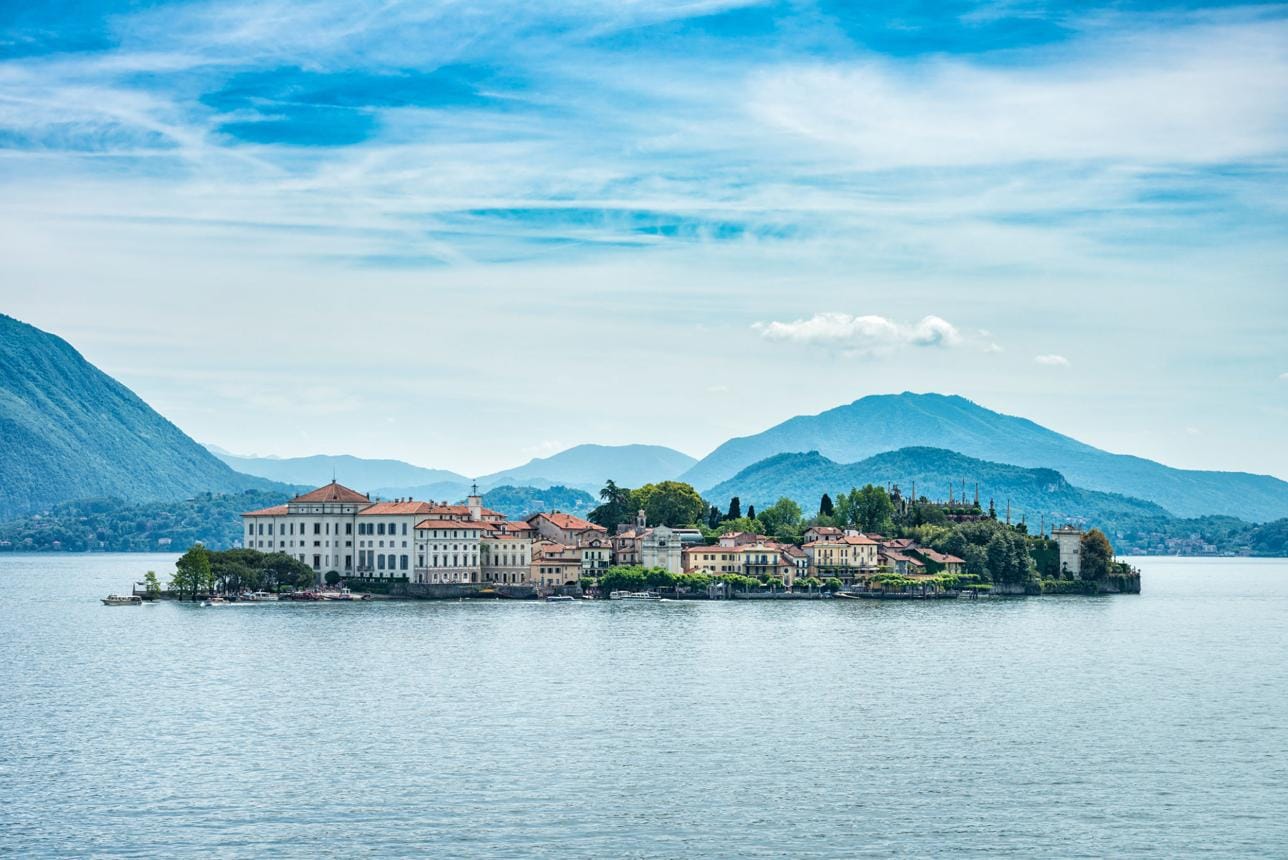
Several well-known lakes, including Lake Zurich, Lake Geneva, Lake Maggiore, Lake Lucerne, and Lake Brienz, have all recorded unusually high temperatures. On Saturday, many lakes exceeded 20°C, a level typically associated with warmer summer periods rather than late spring.

Lake Murten recorded the highest temperature at 24.6°C, followed by Lake Geneva at 23.6°C. Lake Zurich reached 22.4°C, while Lake Maggiore measured 21.8°C. Lake Lucerne and Lake Biel also exceeded seasonal averages, both recording temperatures of 20.3°C.

Scientists warn that warmer lake water can create environmental and health challenges. Higher temperatures encourage the growth of blue-green algae, bacteria, and cercaria, commonly known as duck fleas. These microscopic larvae can trigger allergic skin reactions and severe itching in swimmers.

Researchers from the Swiss Federal Institute of Aquatic Science and Technology (Eawag) believe that duck fleas could become more widespread in Swiss lakes during future summers as water temperatures continue to rise.

The warming trend also threatens aquatic wildlife. Cold-water fish species such as trout and char require oxygen-rich environments to survive. Experts explain that prolonged water temperatures above 20°C can become dangerous for these species, affecting their growth, health, and survival rates.

Climate specialists warn that rising lake temperatures are placing increasing pressure on freshwater ecosystems across Switzerland. As extreme weather patterns become more frequent, scientists are closely monitoring lake conditions and their impact on biodiversity.

The record-breaking temperatures serve as another reminder of the environmental challenges linked to a warming climate and the need for continued conservation efforts to protect Switzerland’s natural resources.
Thousands Rally Against Rising Rents in Zurich.

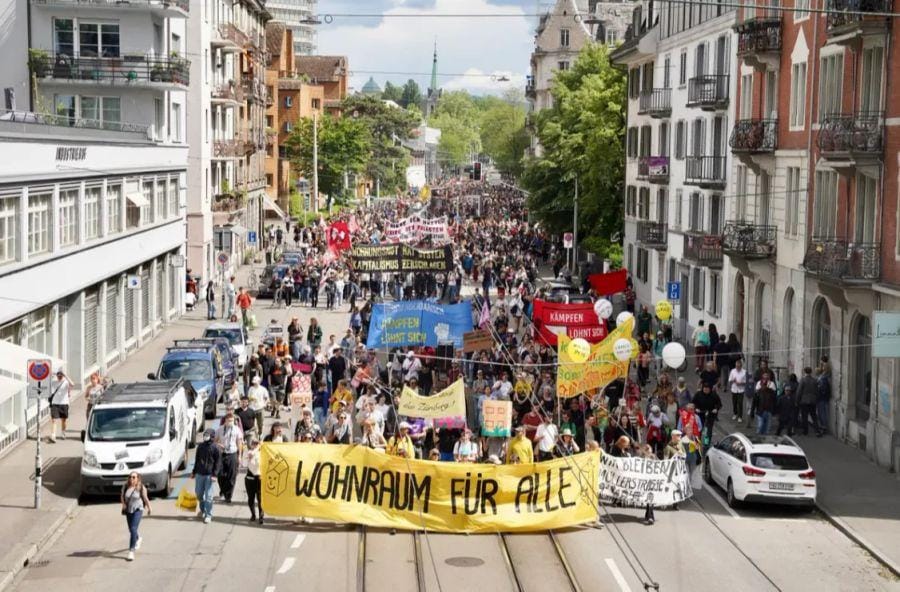
Thousands of people took to the streets of Zurich on Saturday to protest against rising housing costs, gentrification, and the growing shortage of affordable homes. Organisers estimated that around 2,500 demonstrators joined the authorised march, calling attention to what they described as a city increasingly becoming unaffordable for ordinary residents.

The demonstration began at Hardplatz and moved through several key areas of Zurich, including Hardbrücke, Escher-Wyss-Platz, Limmatplatz, and Langstrasse before ending at Kasernenwiese. Protesters carried banners and flags displaying messages such as “Housing is a basic right for all” and criticism of luxury real estate developments that many believe are driving up living costs.

A symbolic float featuring an “Immo-Hai” or “real-estate shark” led the march, representing concerns about property speculation and profit-driven housing policies. Throughout the demonstration, speakers highlighted the increasing rental prices in different neighbourhoods and accused landlords and investors of prioritising profits over affordable housing.

Participants also expressed concern about lease terminations and renovation projects that often result in significantly higher rents. Organisers argued that long-term residents are being forced out of their communities as neighbourhoods undergo rapid transformation and become increasingly expensive.

The protest coalition, made up of local groups, residents, and housing activists, criticised both property companies and political leaders. They claimed that despite years of public debate and promises from local authorities, affordable housing remains out of reach for many Zurich residents.

Zurich police maintained a strong presence throughout the event, while traffic disruptions affected several roads and public transport routes. Despite isolated incidents involving graffiti, pyrotechnics, and water balloons, the demonstration remained largely focused on raising awareness of the city’s housing challenges.

The protest reflects growing concerns across Switzerland’s largest city, where rising rents and limited housing availability continue to fuel public debate about the future of affordable urban living.