Swiss Technology SMEs Struggle Under Economic Pressure.

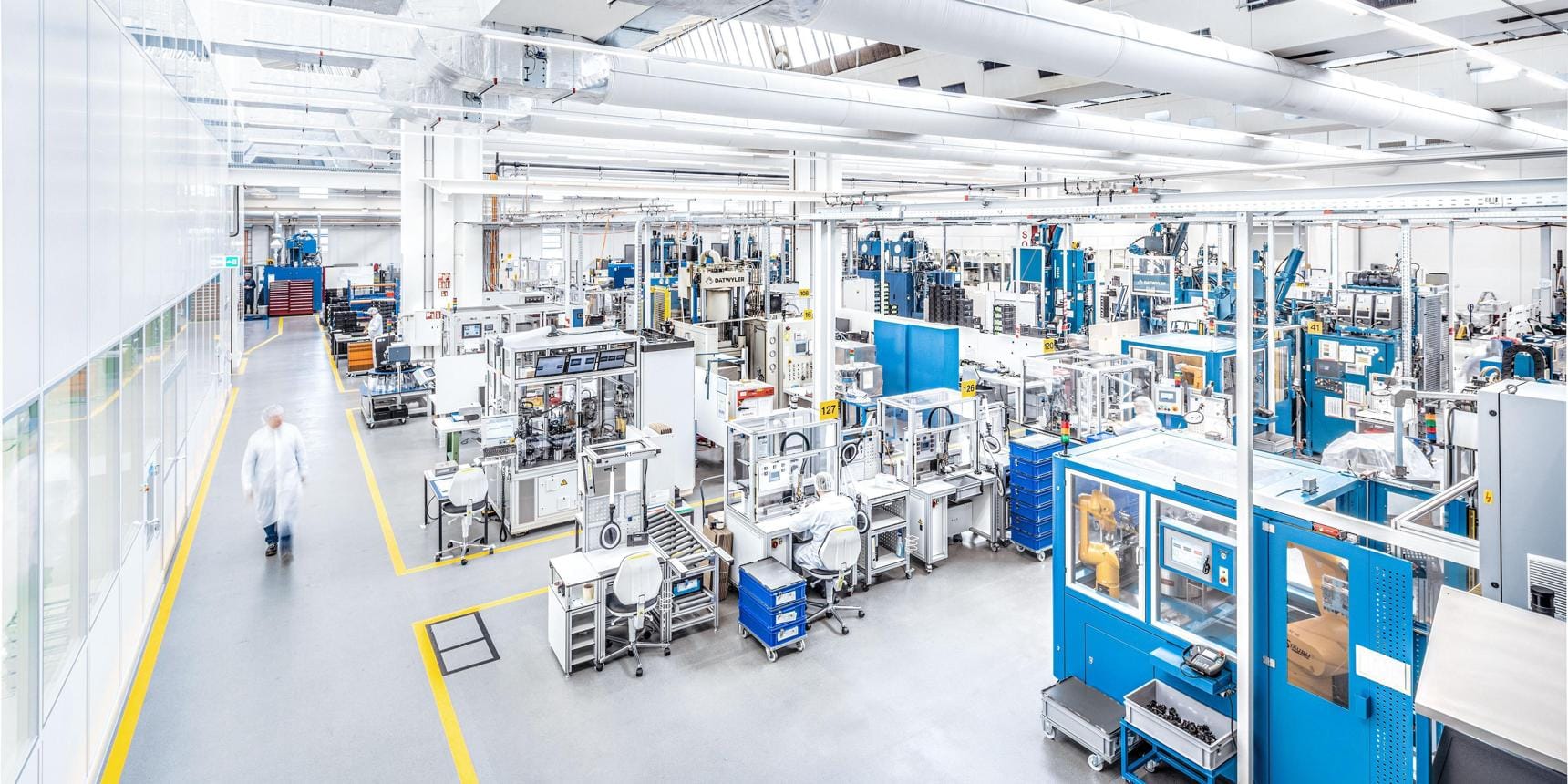
Small and medium-sized enterprises in Switzerland’s technology sector are facing growing economic pressure due to weak demand, currency challenges, and rising operating costs. According to the latest survey released by Swissmechanic, business confidence among SMEs in the machinery, electrical equipment, and metals industries remains deeply negative.

The business climate index for Swiss MEM industry SMEs stood at around minus 30 points in April 2026, continuing a prolonged downturn that has persisted since the end of 2023. Many companies report ongoing uncertainty and reduced customer demand across key industrial sectors.

The lack of incoming orders remains the biggest challenge, with 60% of surveyed companies identifying it as their main concern. Businesses are also struggling with the impact of the strong Swiss franc, which affects export competitiveness and profitability in international markets.

Around 41% of companies highlighted exchange rate fluctuations as a major issue, while 23% pointed to rising energy costs. These pressures have intensified since the beginning of 2026 and continue to affect operating margins across the industry.

Financial performance has weakened for many businesses. During the first quarter of 2026, approximately four out of ten SMEs reported a decline in EBIT margins, reflecting increasing cost pressure and reduced profitability.

Despite the difficult environment, some companies are attempting to protect jobs through short-time work programmes and internal efficiency measures. Around 18% of SMEs said they are maintaining their workforce despite declining earnings.

Investment activity also remains limited. Nearly one-quarter of surveyed companies stated they are unable to invest due to financial constraints, especially limited equity capital. Many firms are choosing to maintain current production capacity rather than expand operations during uncertain market conditions.

However, there are small signs of improvement in the Swiss technology industry. Exports from the MEM sector have increased for three consecutive quarters, and Switzerland’s purchasing managers’ index recently moved above the growth threshold for the first time since late 2022.

Even so, industry experts warn that a stable and long-term recovery has not yet been secured, and many SMEs continue to face significant economic uncertainty in 2026.


AI Brings Mixed Impact to Swiss Company Workforce.

Artificial intelligence is rapidly transforming workplaces across Switzerland, but its overall impact on jobs remains uncertain. A new survey conducted by EY reveals that Swiss companies are increasingly adopting AI technologies while still evaluating their long-term effects on employees and the labour market.

According to the survey, around 7% of Swiss companies have already reduced jobs because of artificial intelligence. In addition, 11% reported that vacant positions were not replaced due to the growing use of AI systems and automation tools.

At the same time, artificial intelligence is also creating new career opportunities. Around 18% of respondents stated that their companies had introduced additional positions linked to AI development and implementation. These new roles include specialists in data science, AI engineering, automation systems, and digital transformation.

The report highlights that many organisations are still in the early stages of AI adoption. A significant 42% of respondents said they could not yet clearly assess the overall impact of AI on their workforce. Researchers believe this reflects the ongoing transition as companies experiment with new technologies and workplace models.

The use of AI in Swiss companies has become highly widespread. Only 3% of surveyed employees said the use of artificial intelligence was prohibited within their workplace. Most companies now use AI tools pragmatically to support everyday business tasks.

Approximately 72% of respondents said they mainly use AI as a productivity assistant in daily work activities. Employees commonly rely on AI for brainstorming ideas, creating first drafts, organising information, and improving workflow efficiency.

In addition, 47% of participants reported that they already trust artificial intelligence in selected business applications. This growing confidence suggests that AI integration is becoming more accepted across multiple industries in Switzerland.

The survey included responses from 604 employees working in Swiss companies of different sizes, providing insight into how businesses are adapting to the rapidly changing digital economy.

Experts believe Switzerland’s labour market may continue evolving as AI technology develops further, balancing concerns over automation with opportunities for innovation and new digital professions.

Six in Ten Swiss Companies Now Use AI, UBS Study Finds

A new study by UBS shows that around six out of ten companies in Switzerland are now using artificial intelligence, highlighting rapid but uneven adoption across the business sector.

Economist Alessandro Bee noted that while AI is widely used, most companies are not yet applying it in a structured or systematic way. The study found that smaller firms mainly use AI for data analysis, while larger corporations focus more on automating business processes.

Overall, Swiss companies view AI more as an opportunity than a risk. Many businesses expect the technology to significantly improve productivity and efficiency in the coming years.

However, concerns remain. Companies highlighted data protection, cybersecurity risks, and the possibility of incorrect decisions caused by flawed algorithms or poor-quality data as key challenges.

The survey also found that just over half of the companies plan to expand their use of AI or adopt it for the first time within the next five years. At the same time, nearly one-third of businesses currently do not use AI and have no plans to implement it in the near future.

UBS economist Pascal Zumbühl emphasized that AI adoption in Switzerland is growing, but not uniformly, with a clear divide between early adopters and companies still hesitant about the technology.

The findings suggest that AI will play an increasingly important role in Switzerland’s economic future, but its integration will depend on how businesses address trust, regulation, and implementation challenges.

Swiss Army Expands Field Trials of Minidrones for Combat and Reconnaissance

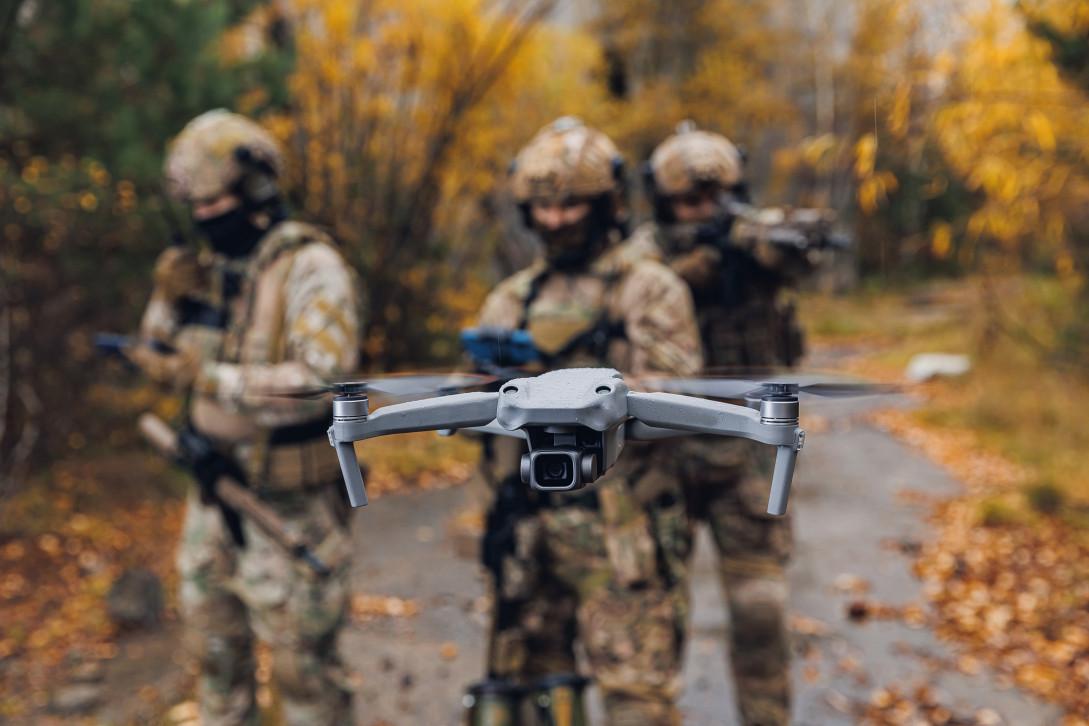
The Swiss Armed Forces are continuing field trials of advanced minidrones designed for reconnaissance and potential combat use, as modern warfare increasingly relies on unmanned systems.

The army stated that drones are rapidly expanding capabilities in both surveillance and attack operations. These minidrones are primarily used for reconnaissance missions, allowing forces to gather intelligence without putting soldiers at direct risk.

However, military officials also acknowledge that when equipped with explosive payloads, drones can function as precision weapons capable of targeting enemy positions. This dual-use capability reflects lessons learned from modern conflicts, including the war in Ukraine, where drone warfare has significantly changed battlefield strategies.

The army is actively training personnel in First Person View (FPV) drone piloting, a system where operators use immersive goggles to control drones through live video feeds. Around 20 recruits have already undergone training as part of upcoming field trials scheduled for autumn 2025.

Further tests are being carried out by the Defence UAV and Robotics Competence Centre, focusing on how FPV drone units can be integrated into traditional combat formations. The goal is to improve coordination between drone operators and ground troops during military operations.

According to the Swiss army, drone use has become a standard feature in modern crisis and conflict scenarios. In response to growing technological threats, the Federal Department of Defence, Civil Protection and Sport (DDPS) established a dedicated Drone Task Force in June 2024.

The ongoing trials highlight Switzerland’s efforts to adapt its defense strategy while maintaining its long-standing policy of neutrality in global conflicts.

Swiss-Built Smile Satellite Successfully Launches Into Space

The Smile satellite has successfully launched into space, marking a major achievement for Swiss and international space research.

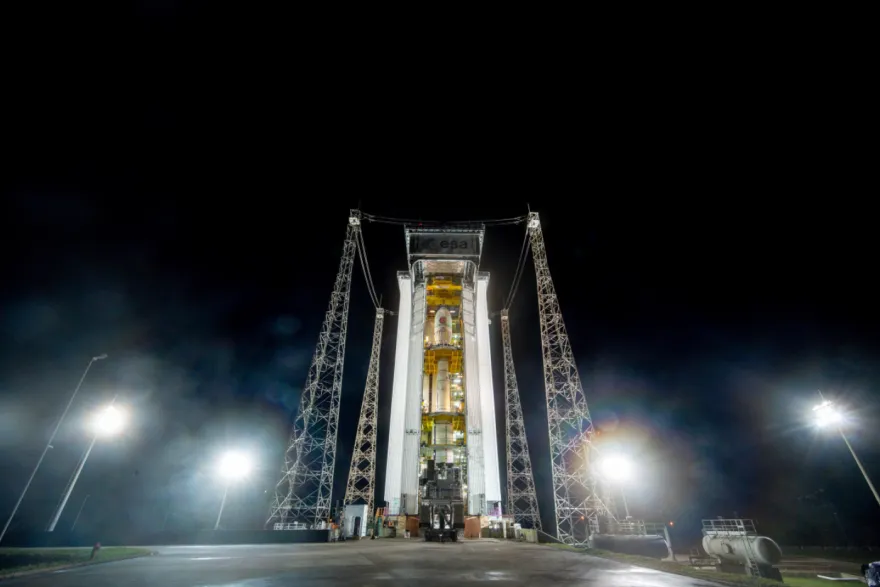
A Vega-C rocket carried the satellite to an altitude of more than 700 kilometres above Earth before the spacecraft safely separated and deployed its solar panels. Scientists confirmed the mission’s successful start shortly after launch.

Researchers from the University of Applied Sciences and Arts Northwestern Switzerland played a key role in developing important components for the mission. Project leader Säm Krucker described the launch as an exciting milestone and said the satellite will now begin collecting scientific data over the next three years.

The Smile mission is a joint project between European and Chinese space agencies. Its primary goal is to better understand space weather and the interaction between solar winds and Earth’s magnetic field.

Space weather is caused by charged particles released from the Sun during solar storms. When these particles collide with Earth’s magnetic field, they can create auroras while also disrupting satellites, navigation systems, communications, and even power grids.

Swiss researchers developed and tested a cooling system for the satellite’s telescope and also contributed advanced software algorithms designed to improve image quality captured by the onboard wide-angle camera.

Swiss technology also supported the rocket itself. Beyond Gravity manufactured the rocket’s protective nose cone, which shielded the satellite during launch.

The successful mission highlights Switzerland’s growing role in global aerospace innovation and scientific space exploration.

Android Show 2026: Android 17, Gemini & Googlebook Launch

Google has unveiled a major wave of updates during The Android Show 2026 — I/O Edition, introducing the next generation of Android, new AI capabilities, and a surprise platform expansion.

The highlight of the event was the introduction of Android 17, the latest version of the Android ecosystem. Google showcased improved performance, deeper AI integration, and smarter system-level automation designed to enhance user experience across mobile devices.

A major focus of the announcement was Gemini Intelligence, an advanced AI system built to bring more context-aware assistance across Android devices. The system is designed to integrate deeply into apps, system settings, and daily workflows, making AI interactions more natural and useful for users.

One of the biggest surprises of the event was the reveal of Googlebook, a new hybrid platform that combines elements of Android and ChromeOS. This new ecosystem is designed for future laptops and aims to unify mobile and desktop experiences under a single Google-driven system.

According to early details shared during the presentation, Googlebook will support a wide range of applications while offering seamless synchronization with Android devices and cloud services.

The Android team also highlighted improvements in security, battery optimization, and cross-device connectivity, suggesting a stronger push toward an AI-first ecosystem.

Industry observers say these announcements mark one of the most significant shifts in Google’s software strategy in recent years, as the company moves toward tighter integration between operating systems and artificial intelligence.

With Android 17 and Gemini Intelligence, Google appears to be positioning its ecosystem as a central hub for AI-powered computing across smartphones, tablets, and laptops.

Google Reduces Free Storage for New Users Without Phone Verification.

Google has announced a major change to its free cloud storage policy, reducing the default free storage allocation for new users from 15GB to 5GB unless they complete phone number verification.

Previously, Google offered 15GB of free storage shared across Gmail, Google Drive, and Google Photos for all users. Under the new policy, new accounts will initially receive only 5GB of free storage space.

According to Google, users can unlock the full 15GB storage limit by verifying their account with a mobile phone number. The company says the decision is aimed at reducing fake accounts, spam activity, and automated bot registrations.

Google explained that stronger verification systems are becoming increasingly necessary as online platforms face rising abuse from fake profiles and malicious automated systems.

However, the update has triggered privacy concerns among some users and digital rights advocates. Critics argue that mandatory phone verification could increase data tracking and raise concerns about personal information security.

Some users have also questioned whether linking mobile numbers to online accounts could lead to greater data collection or targeted advertising practices.

Google clarified that existing accounts will not be affected by the change. The new policy currently applies mainly to newly created Google accounts, which will start with 5GB and later gain access to the remaining storage after completing verification.

The announcement comes as cloud storage demand continues to grow globally, driven by increasing usage of email services, online backups, smartphones, and AI-powered digital tools.

Industry analysts say many major technology companies are tightening account verification policies in order to strengthen security systems and reduce misuse of free online services.

AI Data Centres May Strain Switzerland’s Water Supply

The rapid expansion of artificial intelligence infrastructure is raising concerns about water and energy consumption in Switzerland. Experts warn that the growing number of AI-powered data centres could place increasing pressure on the country’s natural resources, especially water supplies used for cooling systems.

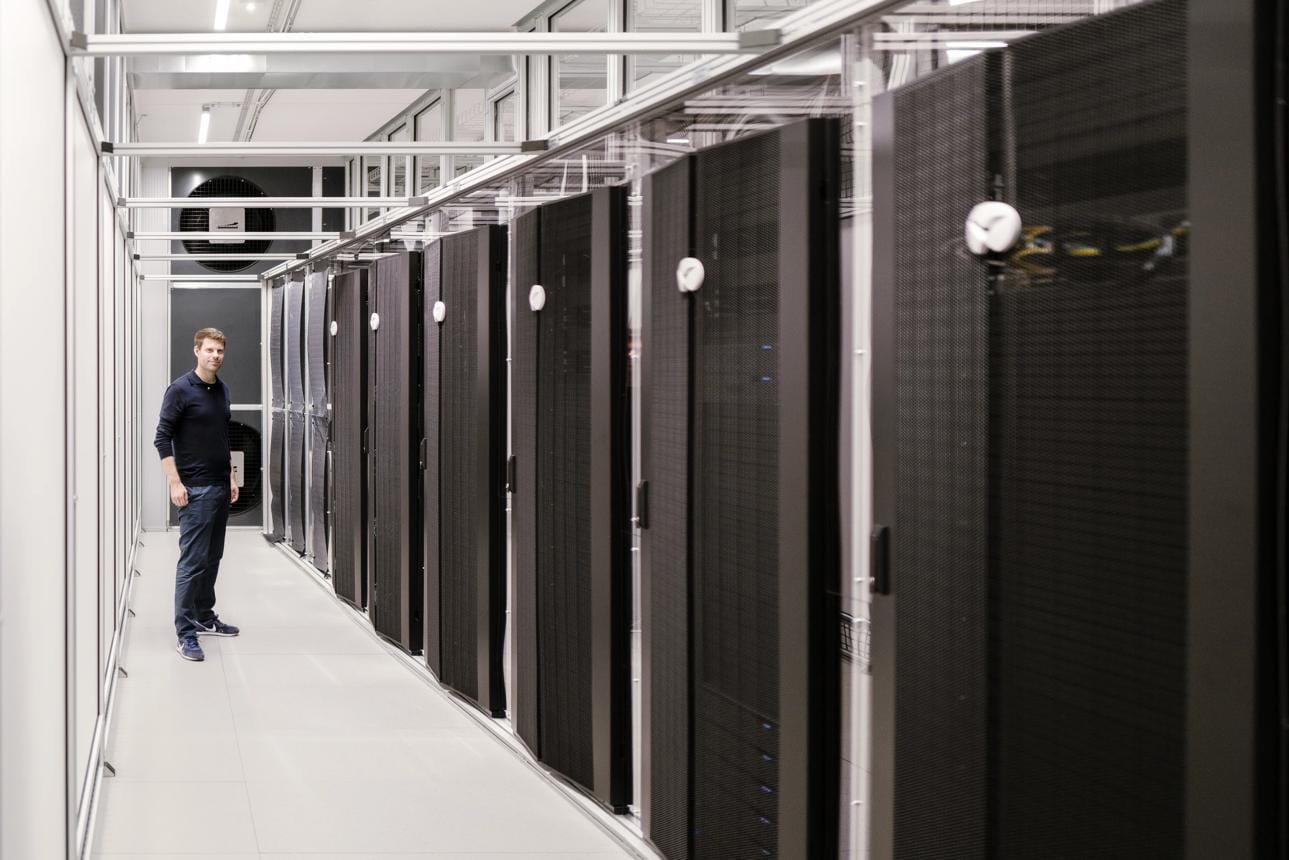
Switzerland currently hosts around 120 data centres, with approximately 20 additional facilities under construction. This gives the country one of the highest concentrations of data centres per capita in the world. The rise of artificial intelligence technologies is accelerating this growth as companies invest heavily in advanced computing infrastructure.

AI servers require significantly more processing power than traditional systems. As a result, they generate higher levels of heat and require intensive cooling methods to maintain safe operating temperatures. Many of these cooling systems depend heavily on water.

According to David Atienza Alonso, a professor at EPFL and an expert in AI computing systems, increasing AI adoption will continue driving demand for larger and more powerful data centres.

He explained that countries are also expanding domestic data infrastructure due to geopolitical tensions and concerns about digital sovereignty. Governments and companies increasingly want sensitive data to remain within national borders, leading to greater investment in local storage and computing facilities.

While Switzerland is often called the “water tower of Europe” because of its lakes, rivers, and glaciers, experts warn that resource availability should not be taken for granted. If AI infrastructure growth continues without long-term planning, some regions could eventually face challenges in supplying enough electricity and water.

Global estimates from the International Energy Agency suggest that data centres currently consume around 560 billion litres of water annually worldwide. This figure could rise to 1.2 trillion litres by 2030 as AI usage expands rapidly across industries.

Most of this water is used for cooling servers and generating electricity required to power data centre operations. Environmental experts say the issue remains largely invisible to the public despite its growing importance in the digital economy.

Researchers and policymakers are now calling for sustainable infrastructure planning, improved cooling technologies, and better resource management to ensure that Switzerland can support technological growth without placing excessive strain on natural resources.

5 Simple Ways to Overcome Mobile Phone Addiction

In today’s digital world, many people spend a significant amount of time on their smartphones every day. Excessive mobile phone usage can negatively affect work performance, personal relationships, sleep quality, and overall mental health. Experts recommend several simple methods to reduce mobile addiction and create healthier digital habits.

The first step is to monitor screen time regularly. Understanding how many hours are spent on mobile devices each day helps users identify unhealthy patterns and set realistic goals to reduce usage gradually.

The second recommendation is to limit unnecessary notifications. Constant alerts from apps often encourage people to check their phones repeatedly. Disabling non-essential notifications can significantly reduce distractions and improve focus.

Another effective strategy is creating phone-free periods during the day. Experts advise avoiding smartphone use during meals, family time, and before bedtime. Maintaining device-free moments can improve communication, sleep quality, and emotional wellbeing.

Reducing time spent on social media platforms such as Facebook, Instagram, and TikTok is also considered important. Setting daily time limits for these apps can help users avoid endless scrolling habits.

Finally, choosing alternative activities can make a major difference. Reading books, exercising, spending time outdoors, and having direct conversations with friends and family can naturally reduce dependency on smartphones.

Experts say that small lifestyle changes practiced consistently can help people regain control over their digital habits and maintain a healthier balance between online and offline life.

Driverless PostBus Hits Swiss Bank in Nunningen

A driverless public transport bus operated by PostBus Switzerland crashed into a bank building in Nunningen on Thursday evening, causing significant property damage but no injuries.

According to the cantonal police, the articulated autonomous bus began rolling for reasons that are still under investigation at around 8:35 pm while it was stationary at a stop on Zullwilerstrasse.

The vehicle crossed a traffic island before colliding directly with the façade of a local bank branch. Authorities confirmed that both the building and the bus sustained considerable damage in the impact.

Emergency services responded quickly to the scene, but no passengers or bystanders were injured in the incident.

Police in Switzerland have launched an investigation to determine what caused the driverless vehicle to move unexpectedly. Technical failure, system malfunction, or braking issues have not been ruled out at this stage.

Driverless and semi-autonomous public transport systems have been increasingly tested across Switzerland and Europe as part of efforts to modernise urban mobility and improve efficiency. However, the incident highlights ongoing safety challenges associated with autonomous transport technologies.

Authorities have not yet confirmed whether the bus was in fully autonomous mode at the time of the accident or whether a remote operator was monitoring the system.

The investigation is ongoing, and further technical assessments are expected in the coming days.