Special Screening of “Neelira” Film to Take Place in Kloten.

A special screening of the Tamil film Neelira and an interactive discussion with its director will take place in Kloten, Switzerland, on May 10, 2026.

The film, directed by Somitharan, is based on events that reportedly took place during a single night in Eelam in 1988. The production explores historical and emotional themes connected to the Sri Lankan Tamil experience.

The movie is presented by acclaimed filmmaker Karthik Subbaraj and actor Rana Daggubati, adding significant attention to the project among Tamil cinema audiences worldwide.

Alongside the screening, organizers have arranged a live discussion session with director Somitharan, giving audiences an opportunity to learn more about the film’s background, storytelling approach, and historical inspiration.

The event is scheduled to take place on Sunday, May 10, 2026, at 6:30 PM at Cinema Claudia in Kloten.

Tamil film enthusiasts and members of the Tamil diaspora community interested in Eelam history and culturally significant cinema are expected to attend the event.

Italian Ambassador Defends Diplomacy During Crans-Montana Fire Dispute.

The Italian ambassador to Bern has defended his diplomatic approach after criticism from Swiss Foreign Minister Ignazio Cassis during tensions linked to the deadly Crans-Montana fire tragedy.

Italian ambassador Gian Lorenzo Cornado stated in an interview with the newspaper Neue Zürcher Zeitung that he openly expresses his views as part of his diplomatic style.

“I speak my mind, that’s my style,” Cornado said while responding to criticism surrounding the handling of the bilateral dispute.

The diplomatic disagreement emerged following a fatal New Year’s Eve fire in Crans-Montana that reportedly killed 41 people and injured more than 100 others, including several Italian citizens.

Tensions increased after Italian authorities objected to Swiss hospital invoices being sent to Italian victims and their families following the disaster.

According to Cornado, he acted in line with the expectations of the Italian government and Prime Minister Giorgia Meloni, who requested special attention to the hospital billing issue.

Earlier, Ignazio Cassis criticized the ambassador during an interview with Ticinonews, saying the prolonged public discussions had worsened the situation instead of helping calm relations between the two countries.

Meanwhile, Guy Parmelin assured that similar problems would not happen again and confirmed that Swiss authorities are reviewing legal procedures related to cross-border medical billing.

Cornado later indicated that both sides are now close to reaching a solution and described ongoing discussions as positive.

The incident has drawn wider attention to diplomatic coordination, emergency response procedures, and international healthcare cost management following cross-border tragedies in Europe.

Russian Exiles Warn of Kremlin Victory Day Propaganda in Switzerland.

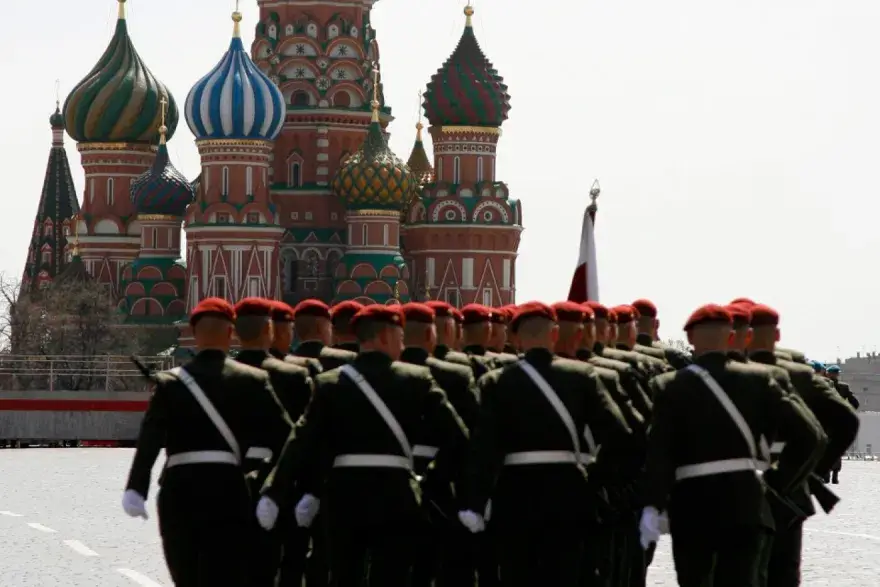
Russian exile groups in Switzerland have warned that upcoming Victory Day events linked to Russia may be used to spread Kremlin propaganda and political influence across Europe.

The concerns focus on “Immortal Regiment” rallies scheduled to take place in Geneva and Basel during Russia’s Victory Day commemorations.

According to the exile organization Russia of the Future – Switzerland, the original remembrance movement has been transformed into a political tool connected to Russian state messaging.

The group stated that what initially began as a civil society initiative to honor relatives who died during the Second World War has now been “completely appropriated by the Kremlin.”

Exiled activists argue that the events are increasingly being used to justify Russia’s actions in Ukraine and promote narratives aligned with Russian state ideology.

The association further warned that some participants often display symbols such as the St George’s Ribbon, which critics say has become associated with Russian military aggression and the war in Ukraine.

The debate highlights growing concerns across Europe regarding foreign influence operations, political symbolism, and propaganda activities linked to geopolitical conflicts.

Switzerland has faced increasing scrutiny in recent years over misinformation campaigns, cyber threats, and international political influence activities connected to the ongoing tensions between Russia and Western nations.

Authorities have not announced any bans on the planned gatherings, but security and political discussions surrounding such events continue to intensify throughout Europe.

Swiss Media Industry Adopts AI Code of Conduct.

The Switzerland media industry has officially adopted a new code of conduct for the responsible use of artificial intelligence in journalism and publishing.

The initiative aims to strengthen public trust in AI technologies while ensuring ethical standards remain central to modern media practices.

According to industry representatives, the framework is based on principles outlined in a Council of Europe convention and is designed to guide media companies in using AI responsibly and transparently.

Andrea Masüger, President of the German-language publishers’ association Schweizer Medien, emphasized the importance of public confidence in journalism.

“Trust is the media’s most precious asset,” Masüger stated while discussing the need for clear ethical standards around AI-generated content and automated technologies.

The new guidelines are expected to address issues such as transparency, accountability, editorial oversight, misinformation risks, and the protection of journalistic integrity.

Media organizations across Europe are increasingly introducing AI policies as artificial intelligence tools become more common in news production, content generation, translation, and audience engagement.

Swiss publishers hope the new code will encourage responsible innovation while maintaining high standards of accuracy, independence, and credibility in the digital media landscape.

The move reflects growing international concern about the impact of AI on journalism, democracy, and public trust in information.

Hantavirus Case Treated at Zurich University Hospital.

A man infected with hantavirus is currently receiving treatment at the Zurich University Hospital, according to the Swiss government. Authorities emphasized that there is no danger to the general population.

The patient was previously a passenger aboard the cruise ship MV Hondius, where several hantavirus cases were reported during a voyage in the Atlantic Ocean.

According to the Federal Office of Public Health, the man returned to Switzerland at the end of April after traveling in South America with his wife. He later developed symptoms and was immediately isolated upon arrival at Zurich University Hospital.

Laboratory testing conducted at the reference facility at Geneva University Hospital confirmed infection with the virus. His wife has not shown symptoms but has entered precautionary self-isolation.

Health authorities are currently investigating whether the patient had contact with other individuals after returning to Switzerland.

Officials stated that the risk to the Swiss population remains low. The European variant of hantavirus is typically transmitted through contact with infected rodents, while human-to-human transmission is extremely rare and mainly associated with the Andes virus strain.

The FOPH noted that hantavirus infections are uncommon in Switzerland, with only zero to six cases reported annually in recent years, most of which are linked to infections acquired abroad.

Meanwhile, the MV Hondius cruise ship, operated as part of luxury expedition voyages, has been linked to a wider outbreak affecting nearly 150 passengers and crew from multiple countries. Several deaths have been reported, and some patients are receiving intensive care treatment internationally.

The outbreak developed during a long expedition route from South America toward Antarctica and across the South Atlantic, raising concerns among global health authorities, including the World Health Organization, which continues to assess the situation.

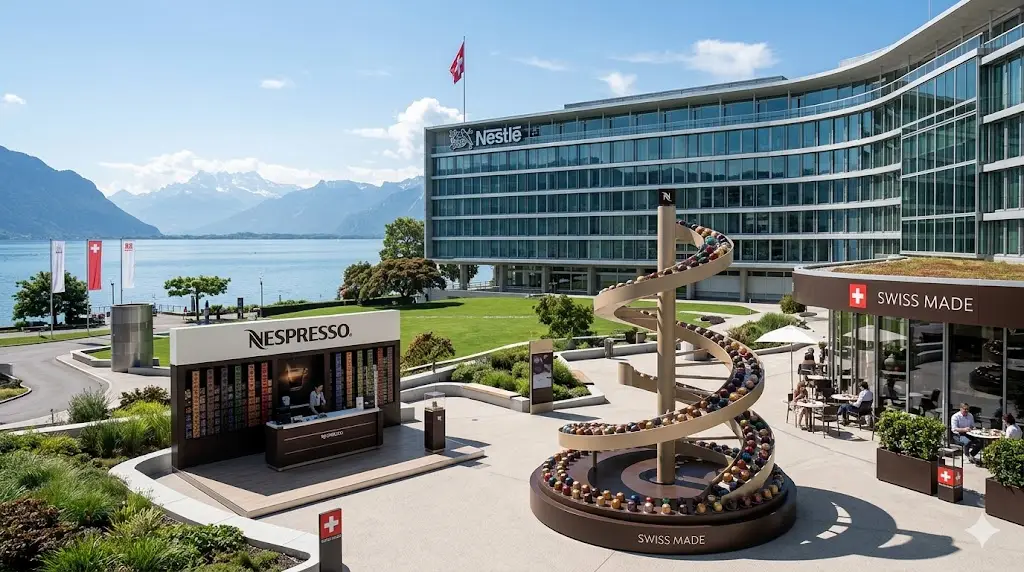
Nestlé Confirms Nespresso Production Will Stay in Switzerland.

Nestlé has confirmed that it will continue producing Nespresso capsules in Switzerland despite growing concerns over United States import tariffs.

Speaking to CH Media, Nestlé CEO Philipp Navratil stated that the company has no plans to move Nespresso capsule production outside Switzerland.

Nestlé, headquartered in Vevey, is currently reviewing options related to possible reimbursement of US customs duties. However, the company stressed that relocating manufacturing operations is not under consideration.

Navratil explained that Nestlé remains focused on long-term business stability and adapting to changing global market conditions rather than reacting to short-term political pressures.

Commenting on tariffs and trade barriers, he emphasized that the company continues to invest despite the additional costs created by international trade tensions.

The decision is seen as a positive signal for Switzerland’s manufacturing sector and workforce, particularly as global companies increasingly review supply chains and production locations due to economic uncertainty.

Nespresso remains one of Nestlé’s most recognized premium brands worldwide, and Switzerland continues to play a central role in the company’s coffee production and innovation strategy.

Industry observers note that maintaining production in Switzerland also reinforces the premium image and “Swiss-made” identity associated with Nespresso products globally.

Swiss Government Warns Food Waste Remains Too High.

The Switzerland government has warned that food waste levels across the country remain far too high, despite ongoing national efforts to reduce waste by 2030.

In an interim report released on Wednesday, authorities revealed that food waste declined by only around 5% between 2017 and 2024, falling well short of the targeted 25% reduction by 2025.

Switzerland launched its national action plan against food waste in 2022, aiming to cut avoidable food losses in half by the year 2030. While some sectors have shown measurable improvement, officials say overall progress remains too slow.

The retail industry achieved the strongest results, reducing food waste by approximately 20% through improved inventory management, discount systems, and food redistribution initiatives.

However, Swiss households continue to lag behind, remaining one of the biggest contributors to unnecessary food waste. Authorities say consumer behavior, over-purchasing, and poor meal planning remain major challenges.

The government emphasized that reducing food waste is essential for environmental protection, resource conservation, and climate goals, as discarded food contributes significantly to greenhouse gas emissions.

Officials are now calling for stronger public awareness campaigns and greater cooperation between households, businesses, and food service sectors to accelerate progress toward the 2030 target.

Food waste reduction has become a major sustainability issue across Europe as governments seek to improve resource efficiency and reduce environmental impact.

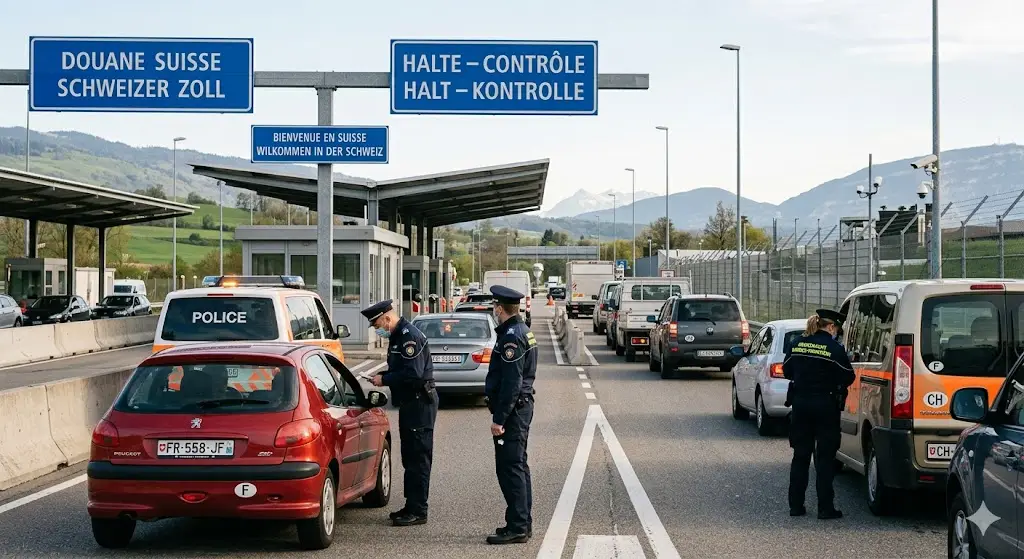
Switzerland Reintroduces French Border Checks for G7 Summit

Switzerland will temporarily reintroduce border checks along parts of its border with France ahead of the upcoming G7 Summit 2026 in Évian.

The Swiss government confirmed on Wednesday that the temporary controls will remain in effect from June 10 to June 19 as part of heightened security measures surrounding the summit.

Although the G7 meeting will take place in Évian, Swiss authorities stated that nearby regions including Geneva, Lausanne, and the wider Lake Geneva area face increased security risks during the international gathering.

Officials noted that previous G7 summits have sometimes resulted in violent protests, acts of sabotage, public disorder, and property damage. Authorities also highlighted concerns linked to the current geopolitical climate and the large concentration of international organizations based in Geneva.

The request to temporarily restore border controls was submitted by the Canton of Geneva, reflecting growing concerns about public safety and regional security during the summit period.

The G7 Summit is scheduled to take place from June 15 to June 17, bringing together leaders from major industrialized nations to discuss global political, economic, and security issues.

Swiss authorities are expected to increase police presence and strengthen monitoring around border crossings, transportation hubs, and sensitive areas during the event.

Swiss Luxury Property Prices Continue to Rise

Luxury real estate prices in Switzerland continued to rise in 2025, although the pace of growth has started to slow, according to a new report by UBS.

The bank’s latest “UBS Luxury Property Focus 2026” report shows that Swiss luxury properties increased in value by an average of 3% over the past year. Despite the rise, growth in the luxury market was lower than the overall property market.

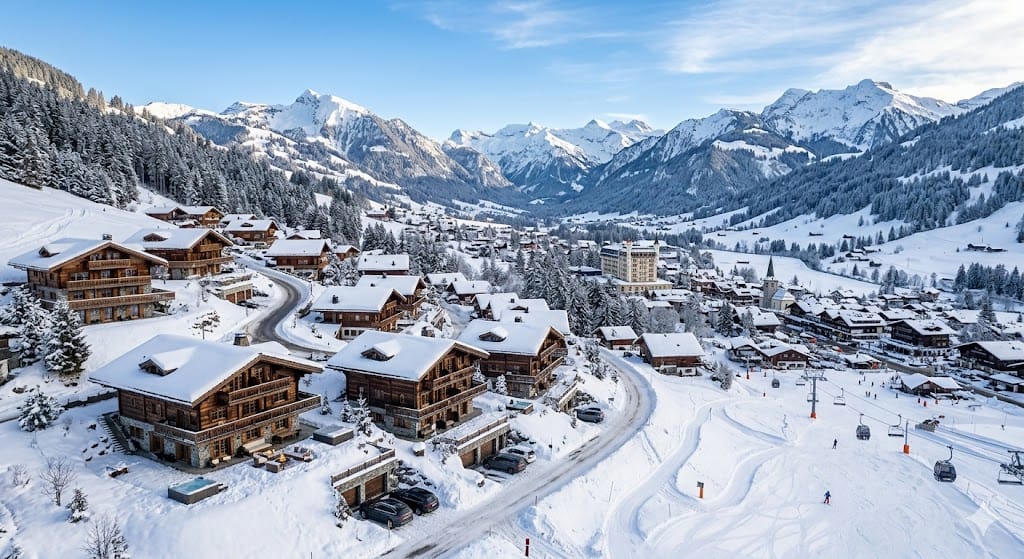
Luxury homes in mountain resort regions remained especially popular among wealthy buyers, particularly international investors seeking premium alpine properties.

According to the report, luxury property prices in Swiss mountain destinations climbed by around 6% last year, driven largely by demand from affluent foreign buyers.

St. Moritz remained the most expensive luxury property market in Switzerland, with average prices reaching approximately CHF52,000 per square metre.

It was followed by Gstaad and Verbier, where luxury real estate prices averaged around CHF45,000 per square metre.

UBS analysts noted that while demand for premium Swiss real estate remains strong, the market may soon stabilize as price growth slows and affordability pressures increase.

Switzerland’s political stability, secure economy, and attractive alpine lifestyle continue to make the country one of Europe’s most desirable destinations for high-end property investment.

Switzerland remains one of Europe’s most sought-after locations for luxury real estate investment due to its political stability, robust economy, and appealing alpine lifestyle.

Switzerland’s political stability, secure economy, and attractive alpine lifestyle continue to make the country one of Europe’s most desirable destinations for high-end property investment.

Switzerland Warns of Worsening Security Situation

The Switzerland government has warned that the country’s security situation has deteriorated significantly over the past year amid rising geopolitical tensions across Europe and the Middle East.

In its latest national security report released on Wednesday, Swiss authorities stated that growing international instability is increasing pressure on Switzerland to contribute more actively to European security efforts.

The report highlights that Switzerland is being directly affected by Russia’s hybrid warfare strategies, including cyber threats, disinformation campaigns, and espionage activities. Officials also noted that the ongoing conflict in the Middle East continues to create broader security risks and political instability.

According to the government, global geopolitical developments are now having a direct impact on Switzerland’s internal security environment.

Authorities warned that the terrorist threat remains heavily influenced by jihadist movements, while violent extremism from both far-left and far-right groups continues to pose risks inside Europe.