Swiss Nuclear Power Plants Could Operate Up to 80 Years, New Study Finds

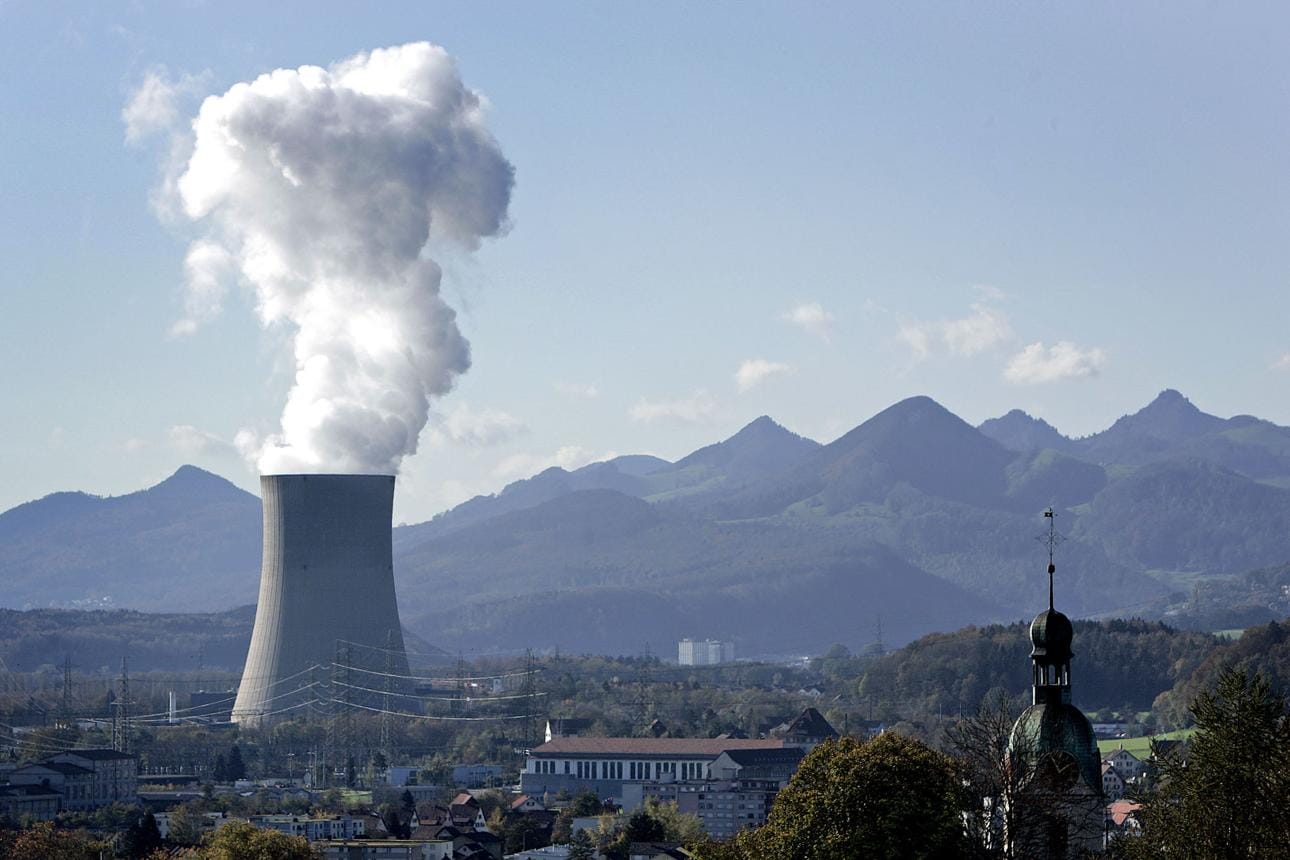
Switzerland is reconsidering the long-term future of its nuclear energy sector after a new government-commissioned study found that two major nuclear power plants could safely operate for up to 80 years.

The report focuses on the Gösgen Nuclear Power Plant and the Leibstadt Nuclear Power Plant, which were previously assumed to have economically viable lifespans of around 60 years.

According to the findings, extending their operational life by an additional 20 years is both technically feasible and largely economically viable, provided that necessary safety upgrades and maintenance investments are carried out.

The study was commissioned following a parliamentary request and has renewed debate about Switzerland’s long-term energy strategy, especially as the country continues to balance climate goals with energy security concerns.

The report suggests that the required modernization investments would likely be justified by continued electricity production, and it states that direct financial support from the government may not be necessary for long-term operation.

Energy industry leaders have supported the findings. Thomas Sieber stated that extending nuclear plant lifespans to 80 years appears technically realistic under proper maintenance and upgrades.

The discussion comes at a time when Switzerland is also reviewing its broader nuclear policy, including debates about whether to lift restrictions on building new nuclear power plants. Rising energy demand, climate change pressures, and geopolitical instability have all contributed to renewed interest in nuclear power across Europe.

If implemented, the extended operation of these plants could play a significant role in ensuring Switzerland’s electricity supply stability in the coming decades.

Bern Police Launch ‘Super-Recogniser’ Pilot Project to Identify Criminals.

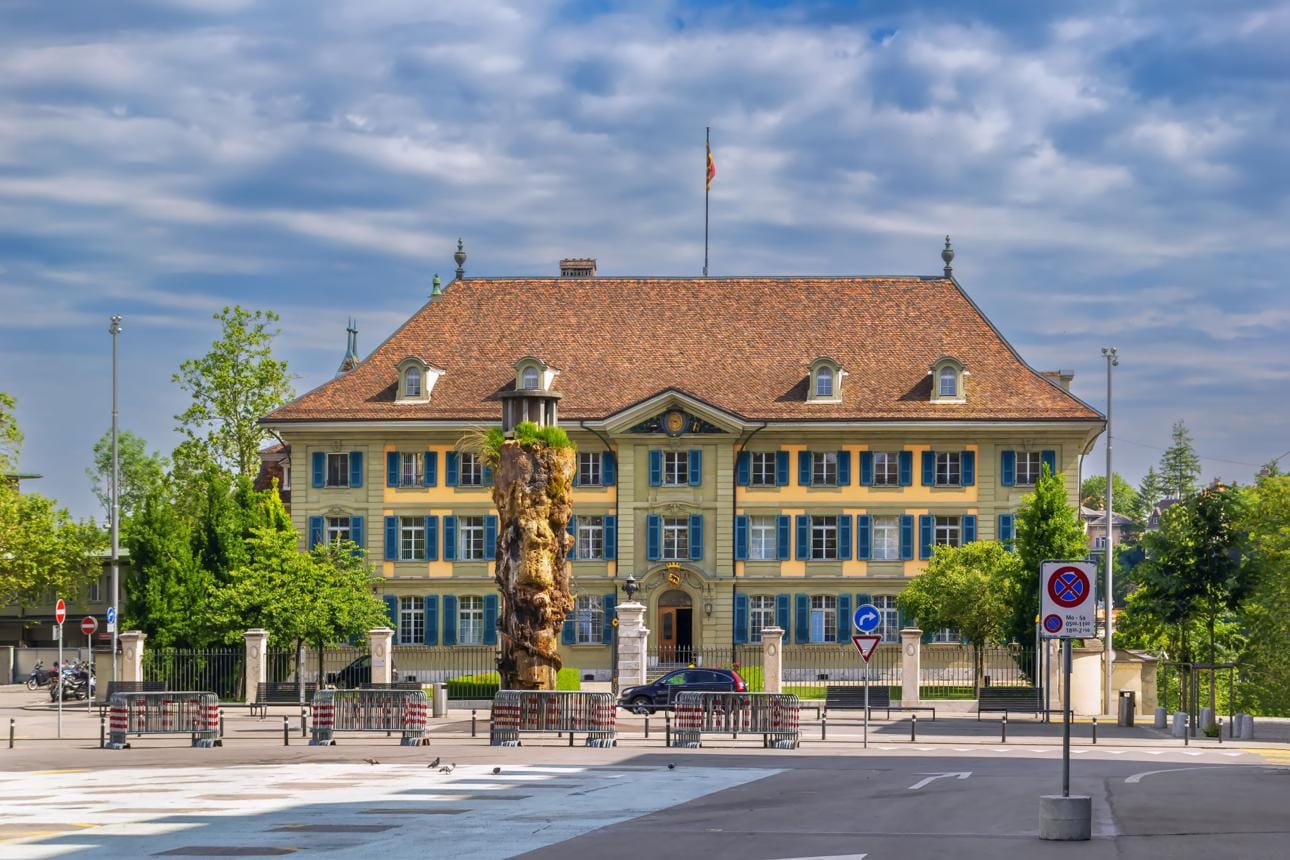
Bern Cantonal Police is launching a pilot project that uses officers with exceptional face-recognition abilities, known as “super-recognisers,” to support criminal investigations.

The initiative follows internal testing within the police force, where around 30 officers were identified as having above-average facial recognition skills. According to a police spokesperson, roughly 10% of participants in the screening demonstrated these enhanced abilities.

Super-recognisers have the rare capacity to accurately remember and identify faces even after brief or indirect encounters. Authorities say this capability can significantly assist in locating violent offenders and improving public safety operations.

The project development was already underway when the Canton of Bern parliament approved a motion from the Centre Party in March calling for the use of super-recognisers to strengthen policing capabilities.

Officials noted that recent public order challenges, including escalated demonstrations in the canton last October, contributed to political support for the initiative.

The Bern Cantonal Police confirmed that detailed planning for the pilot is now complete and implementation is scheduled for the summer. Officers selected for the program will be deployed to support investigations where facial identification is critical.

The pilot reflects a broader trend in European policing strategies that combine human cognitive skills with modern investigative methods to improve identification accuracy and response times.

Authorities will evaluate the effectiveness of the program after its initial rollout before deciding whether to expand it across the canton.

Former Official Remains Silent in Crans-Montana Fire Investigation

The investigation into the deadly fire at the Crans-Montana nightclub continues as a former municipal official has refused to answer questions from prosecutors, citing lack of access to the case file.

The fire, which broke out at the “Le Constellation” bar on New Year’s Eve, killed 41 people and injured more than 100 others, making it one of the most serious fire disasters in modern Swiss history.

Former public official Jean-Claude Savoy, who served as president of the municipality of Chermignon from 2009 to 2016, appeared before investigators at the Energypolis campus in Sion. However, he chose to remain silent during questioning.

According to his lawyer, Bryan Pitteloud, Savoy did not respond to questions because he had not yet been granted access to the investigation files. The lawyer stated that his client intends to fully cooperate once he has reviewed the evidence.

Prosecutors from the public investigation team, along with multiple legal representatives, are examining potential administrative and regulatory responsibilities linked to the operation of the venue.

Records show that in 2015, while serving in office, Savoy co-signed an operating permit for the Le Constellation establishment following renovation works commissioned by its manager.

Authorities are continuing to investigate the circumstances that led to the fire, focusing on safety compliance, permitting decisions, and emergency response procedures.

The case remains under active judicial review as officials seek to determine accountability for the tragedy.

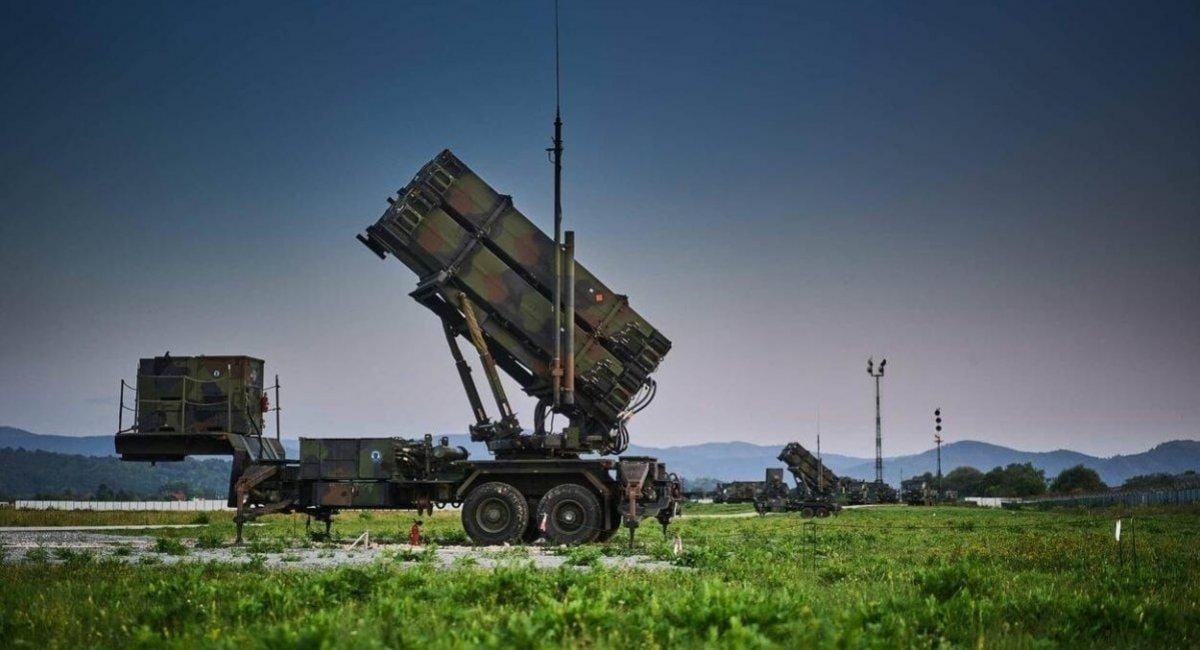
Switzerland Patriot System Costs May Double Amid Delays.

Switzerland is facing significantly higher costs and delays in its planned procurement of the US-made Patriot air defence system, according to reports from Swiss media outlets Tamedia and CHMedia.

The system, originally ordered for around CHF 2.3 billion, may now cost up to 50% more or even double, according to estimates cited by officials. A spokesperson from the Federal Office for Armaments (armasuisse) confirmed that expected additional costs are currently in the range of “50% plus,” although they did not confirm a full price doubling.

The Patriot system, developed by Raytheon, is a key component of Switzerland’s planned long-range air defence capability. However, its delivery timeline has been significantly disrupted.

Officials report that deliveries have already been delayed by several years due to global supply chain pressures and increased demand linked to the war in Ukraine. Media reports suggest that ongoing conflicts, including tensions in Iran, could cause further delays in production and deployment schedules.

Following the latest developments, the Swiss government has confirmed that procurement timelines will be pushed back by five to seven years, while overall costs are expected to rise substantially.

In April, the Swiss government decided to temporarily halt payments for the system. The Federal Council also stated that it has not ruled out cancelling the purchase entirely and instead considering alternative missile defence systems from European suppliers.

The government is expected to review options and make a final decision on the future of the project later this summer, as Switzerland reassesses its long-term air defence strategy.

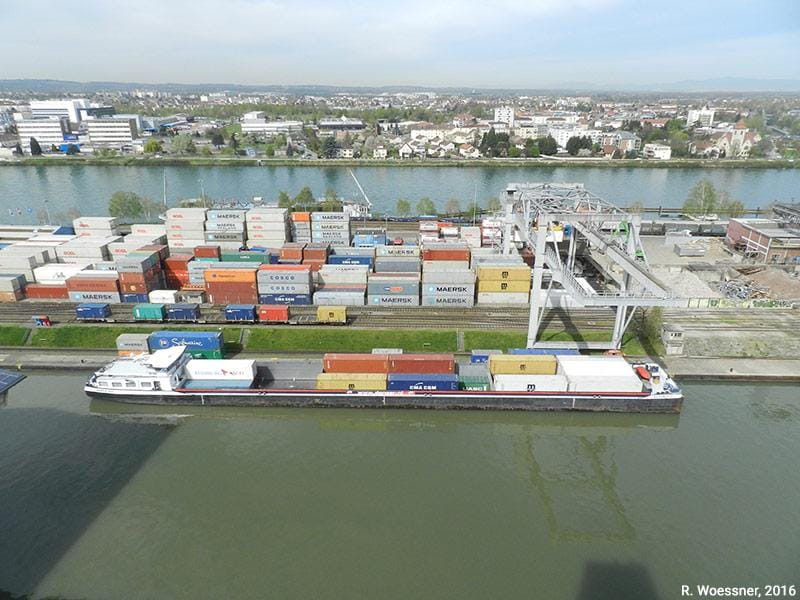
Switzerland Joins Rhine Transport Network.

The agreement was finalized through the signing of the European Corridor Management Agreement (ECMA) by Port of Switzerland (SRH) during a meeting of the European River Information Services (EuRIS) in Basel.

The EuRIS platform provides real-time shipping information including traffic conditions, waiting times, route disruptions, and navigation updates. Swiss authorities say the move will improve coordination and logistics efficiency across the Rhine corridor.

With Switzerland’s participation, all sections of the Rhine River are now integrated into the European system, creating more complete cross-border transport monitoring for commercial shipping operators.

Swiss waterway data is expected to become available on the platform in the coming months. The EuRIS system was launched in 2022 and currently connects over 29,500 kilometres of European waterways across 13 countries.

Switzerland’s three Rhine ports with direct access to the sea are located in Basel, Birsfelden, and Muttenz. These ports play a major role in the country’s freight transport infrastructure.

According to the SRH, around 80 port companies rely on the Rhine ports to manage goods transport by rail and road, as well as storage and logistics operations.

In addition to infrastructure management, Swiss Rhine authorities are responsible for overseeing navigation safety and ensuring compliance with both national and international shipping regulations.

The agreement highlights Switzerland’s growing integration into European transport coordination systems and reinforces the importance of the Rhine as a strategic trade route for the continent.

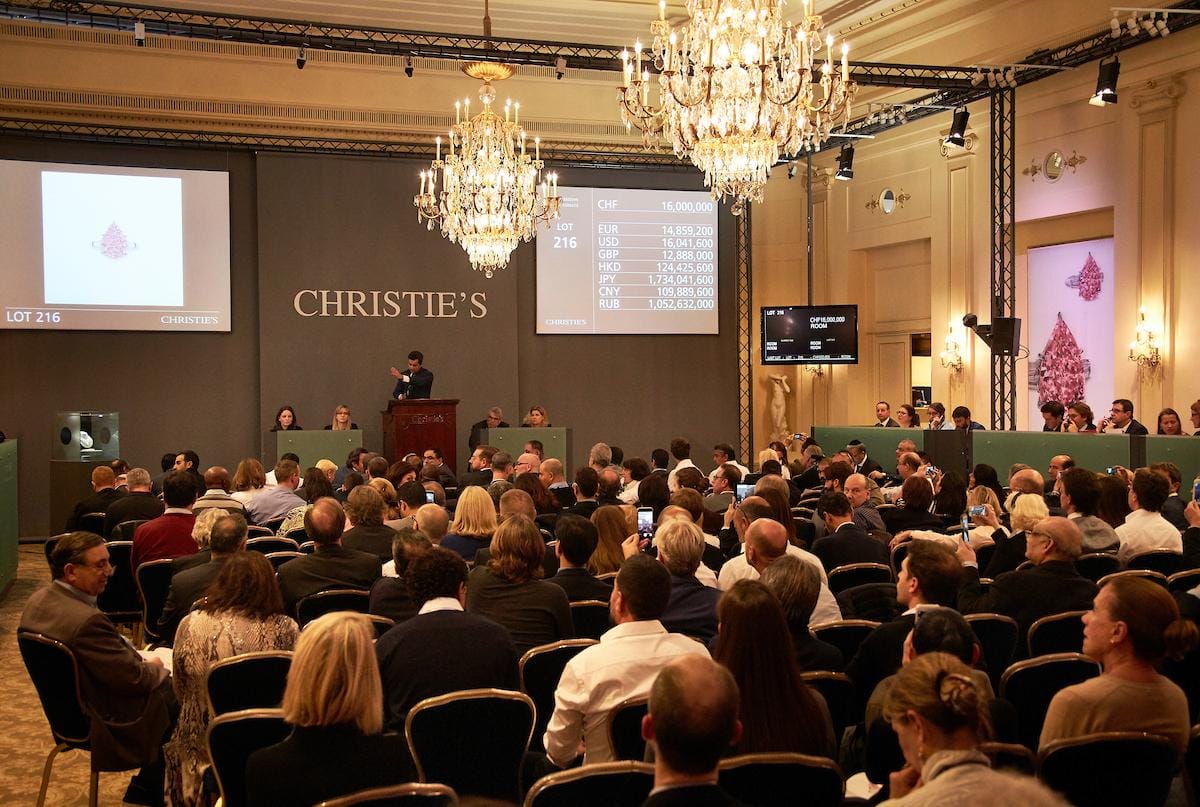
Rare Watch Auction in Geneva Breaks Records with CHF33 Million in Sales

A luxury watch auction in Geneva has set a new sales record after collectors spent more than CHF33 million on rare timepieces during a major event organised by Christie’s.

The “Rare Watches” auction achieved total sales of CHF33,054,441, marking the highest amount ever generated by Christie’s for a multi-owner watch auction. The event also recorded a remarkable 99% sale rate per lot, with average final prices reaching 188% above their minimum estimates.

One of the standout pieces was the highly sought-after Cartier Crash London watch from 1990, which sold for CHF1,585,000 — more than triple its initial estimate and a new world record for the model.

The most expensive item of the auction was the extremely rare F.P. Journe Platinum Tourbillon Souverain Ref. T, which sold for CHF2,439,000. Originally introduced at Baselworld in 1999, the watch attracted intense interest from international collectors.

Another major highlight included the Patek Philippe Tiffany Blue Nautilus Ref. 5711/1A-018, which sold for CHF1,270,000. A rare Patek Philippe Ref. 3970EP-047 previously owned by American entertainment executive Michael Steven Ovitz also exceeded expectations, reaching CHF1,016,000.

According to Christie’s, the auction attracted strong international participation. Buyers from Europe, the Middle East, and Africa accounted for 44% of sales, while Asia-Pacific represented 19% and the United States 28%. Around 30% of participants were new customers to Christie’s auctions.

Remi Guillemin said the results demonstrate continued confidence in the global luxury watch market and growing demand for rare collector timepieces.

The auction also recorded strong performances for brands such as Audemars Piguet, A. Lange & Söhne, Daniel Roth, and Krayon, reflecting broad interest across the premium watch industry.

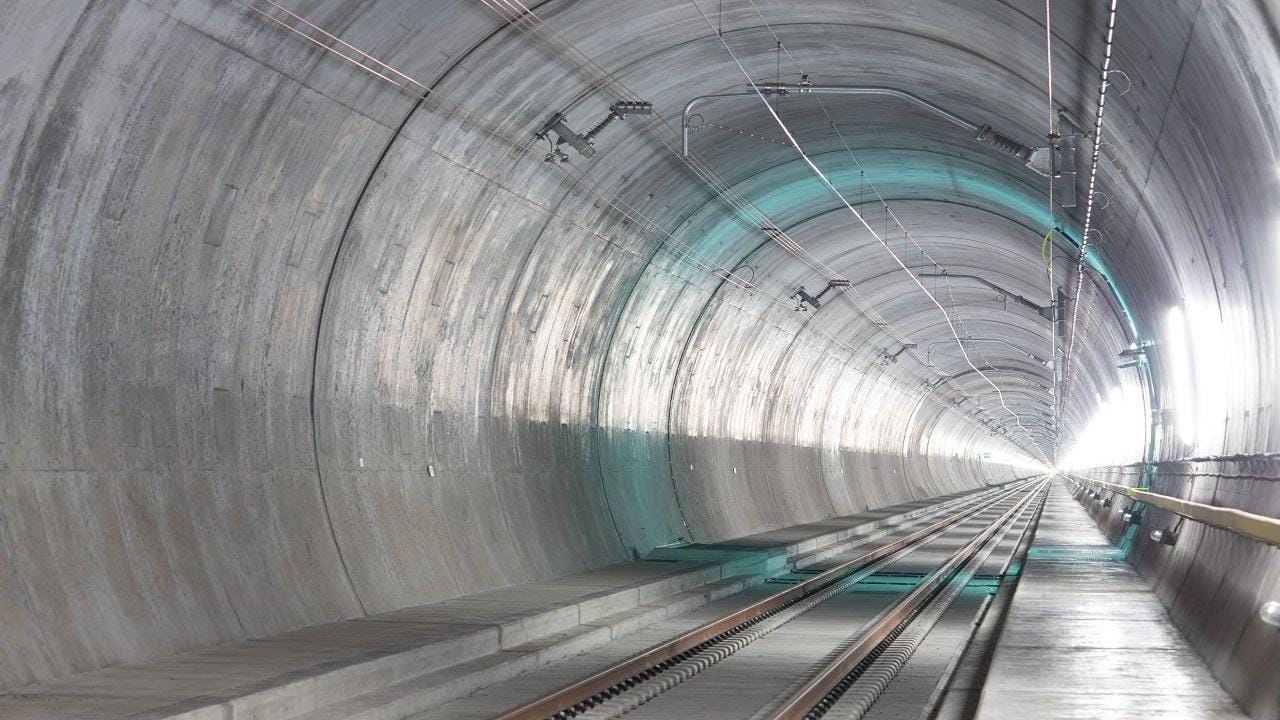
Expert Report Says Ignored Warning Signals Worsened Gotthard Train Derailment

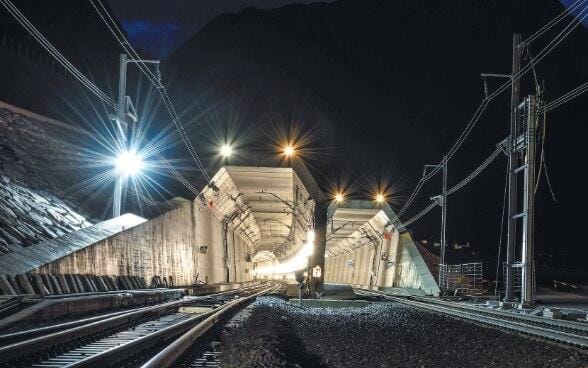
A new expert investigation into the 2023 Gotthard Base Tunnel derailment has revealed that warning signals were reportedly ignored before the major railway accident occurred.

According to a report commissioned by the Ticino public prosecutor’s office, Swiss Federal Railways (SBB) may have been able to prevent or reduce the severity of the derailment inside the Gotthard Base Tunnel.

The accident happened in August 2023 after a wheel on the eleventh freight wagon broke while the train was travelling through the tunnel. The failure caused extensive infrastructure damage, resulting in repair costs estimated at around CHF150 million and the closure of one tunnel tube for more than a year.

The newly released findings, obtained by Swiss broadcaster SRF, state that a series of warning alerts appeared in SBB’s operational systems after the wheel defect occurred. However, operators allegedly failed to react to the warning messages in time.

Investigators believe earlier intervention, including emergency measures to stop the train, could potentially have limited the scale of the destruction inside one of Europe’s most important rail corridors.

The report has sparked renewed debate over railway safety systems, operational procedures, and monitoring technology within Switzerland’s transport network.

Industry representatives and transport experts are now calling for a detailed review of emergency response protocols and automated warning systems to prevent similar incidents in the future.

The Gotthard Base Tunnel is a key part of European freight and passenger transport infrastructure, linking northern and southern Europe through the Swiss Alps. The prolonged closure following the derailment caused significant disruption to international rail traffic and logistics operations.

Authorities are expected to continue examining accountability and operational responsibilities as part of the ongoing legal investigation.

France Demands Switzerland Reform Cross-Border Jobless Benefits System

France is increasing pressure on Switzerland to reform unemployment benefit rules for cross-border workers following a new agreement between Switzerland and the European Union.

French Labour Minister Jean-Pierre Farandou urged Switzerland to accelerate implementation of the revised system, which would shift responsibility for unemployment payments to the country where a person works rather than where they live.

Under the current arrangement, France pays unemployment benefits to many French residents employed in Switzerland after they lose their jobs.

French officials argue that this system creates a major financial burden for neighbouring countries with large numbers of cross-border commuters.

Speaking before the French parliament, Farandou stated that France currently loses around €860 million annually under the existing rules.

He noted that a timetable for implementation has already been agreed with Luxembourg and stressed that Switzerland must also comply with agreements linked to the European Union.

The reform proposal follows nearly a decade of negotiations between EU member states and aims to modernise rules affecting thousands of cross-border workers across Europe.

However, Swiss authorities have raised concerns about the financial impact of the changes.

According to estimates from the State Secretariat for Economic Affairs (SECO), Switzerland could face additional annual costs ranging between CHF600 million and CHF900 million if the new rules are implemented.

The issue is particularly significant for border regions where many residents commute daily between France and Switzerland for work.

Analysts say the debate could become an important topic in future Switzerland-EU relations and labour market negotiations.

The proposed reform highlights the growing economic and political challenges surrounding cross-border employment in Europe as governments seek fairer distribution of social welfare costs.

New Report Claims Swiss Rail Operator Could Have Prevented Gotthard Tunnel Accident

A new expert report into the 2023 Gotthard Base Tunnel accident has concluded that Swiss Federal Railways (SBB) could potentially have prevented the severe incident that caused major damage and a prolonged tunnel closure.

The accident occurred in August 2023 when a broken wheel on a freight wagon led to serious damage inside the Gotthard Base Tunnel, resulting in losses estimated at around CHF 150 million and a closure lasting over a year.

According to the report commissioned by the Ticino public prosecutor’s office, multiple warning signals appeared on SBB’s operational monitoring systems after the wheel failure. However, the report claims that these alerts were not acted upon in time, allowing the train to continue through the tunnel.

The findings suggest that earlier intervention, including an emergency stop, could have reduced the severity of the damage or possibly prevented it altogether.

Criticism has since emerged from industry representatives. Josef Dittli, who also leads an association of freight wagon operators, stated that the system failed to respond appropriately despite clear warning signals.

Railway union representative Philipp Hadorn also questioned the lack of emergency braking, arguing that the response did not align with standard safety expectations in such situations.

The report highlights broader concerns about safety monitoring systems in complex rail infrastructure such as the Gotthard Base Tunnel, one of the most important transport corridors in Europe.

The findings are expected to prompt further discussions on operational safety procedures, digital monitoring systems, and emergency response protocols within Switzerland’s rail network.

Swiss Cardinal Emil Paul Tscherrig Dies at 79.

Emil Paul Tscherrig, a senior Swiss Catholic Church figure and Vatican diplomat, has died in Rome at the age of 79, according to a Vatican spokesperson confirmed on Tuesday.

Born in Unterems in the Swiss canton of Valais, Tscherrig came from a family of mountain farmers and later became one of the most influential Swiss figures in the Roman Catholic hierarchy. His death marks the loss of a prominent member of the global Catholic leadership.

Tscherrig served for decades in the diplomatic service of the Holy See, joining the Vatican’s foreign service in 1978 after completing studies in philosophy, theology, and canon law in Switzerland and Rome. He was ordained a priest in 1974 in the Diocese of Sion.

He later held several key diplomatic roles, including serving as the first non-Italian papal ambassador to Italy and San Marino. He remained active in Vatican diplomacy until his retirement in 2024 and lived in Rome thereafter.

In 2023, Pope Francis elevated him to the rank of Cardinal. Tscherrig was also a participant in the papal conclave that elected Pope Leo XIV last year, making him part of one of the most significant decision-making bodies in the Catholic Church.

At the time of his death, the College of Cardinals consisted of 242 members, including 118 electors under the age of 80 who are eligible to vote in future papal elections.

Swiss Church officials and Vatican representatives have highlighted Tscherrig’s long-standing contribution to international diplomacy, church governance, and interfaith relations. His career reflects a rare path from rural Switzerland to the highest levels of the global Catholic Church.