Swiss Entry Veronica Fusaro Fails to Qualify for Eurovision 2026 Final

The Eurovision Song Contest 2026 has advanced to its Grand Final in Vienna, but Switzerland has failed to secure a place in the final round.

The contest moved to Vienna after the 2025 winner, countertenor JJ, claimed victory in Basel with the song “Wasted Love,” bringing the competition to Switzerland for that year.

In the second semi-final held on Thursday, Swiss singer Veronica Fusaro performed her entry “Alice” in an attempt to reach the Grand Final scheduled for Saturday.

Despite a strong performance, Switzerland did not qualify for the final round, ending its Eurovision 2026 campaign at the semi-final stage.

The Eurovision Song Contest remains one of the world’s largest live music events, bringing together performers from across Europe and beyond in a highly competitive televised format. Each year, countries compete for both jury and public votes to reach the Grand Final.

Switzerland’s elimination marks a disappointing outcome for fans following its previous success as a host nation after the 2025 victory in Basel.

Organisers continue preparations for the Grand Final in Vienna, where the winner of Eurovision 2026 will be crowned.

Swiss Glacier Snow Levels Critically Low

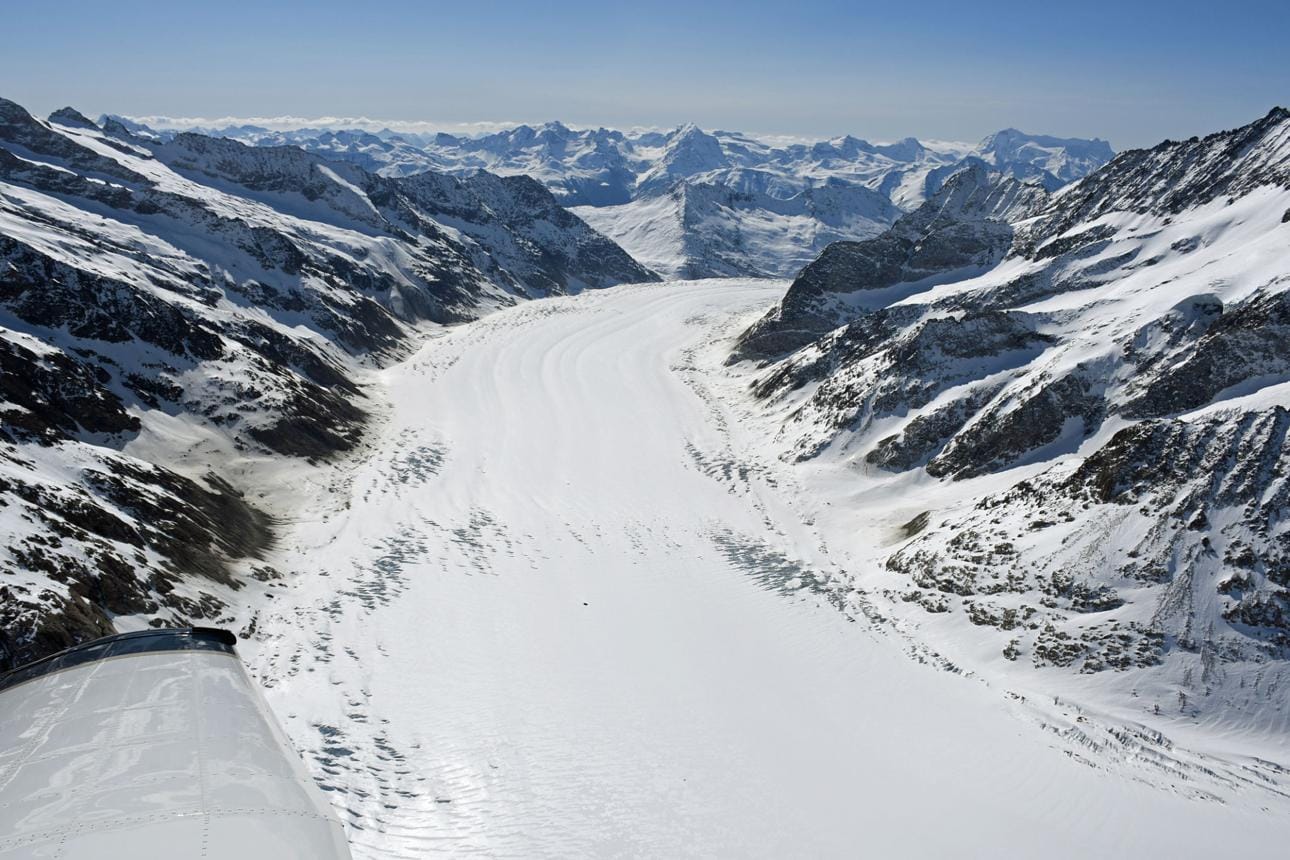
Glaciers across Switzerland are entering the summer season with significantly below-average snow cover, raising concerns about accelerated melting and long-term water availability.

According to the Swiss Glacier Monitoring Network (GLAMOS), snow cover across key Alpine glaciers is about 25% lower than the decade average, leaving ice masses unusually exposed at the start of the melt season.

Scientists report that the reduced winter snowfall has weakened the natural protective layer that normally shields glaciers from early summer heat. This layer typically reflects sunlight and slows ice loss, but current measurements show a much thinner snowpack across major glacier regions.

GLAMOS data collected from around 25 monitored glaciers indicates widespread deficits, with some areas experiencing snow shortages of several metres compared to long-term averages. The early onset of melting is already shifting the seasonal balance, causing glaciers to begin losing mass sooner than usual.

Regional variations are significant. In parts of southeastern Switzerland, including the Engadine region, snow deficits are particularly severe. Even major glacier systems such as the Great Aletsch Glacier and Rhône Glacier are reporting substantial reductions in winter accumulation.

Researchers warn that continued early-season melting could disrupt Switzerland’s role as the “Water Tower of Europe,” as glaciers regulate water flow into major river systems such as the Rhine, Rhône, and Po.

The reduced snow buffer may also impact hydroelectric power generation, agriculture, and downstream water availability across central and western Europe during late summer months.

Climate experts emphasize that while annual variability exists, the consistent pattern of reduced snow accumulation and earlier melt onset reflects a long-term trend linked to changing climate conditions in the Alps.

Isabella Rossellini to Receive Excellence Award at Locarno Film Festival

Isabella Rossellini will receive the Excellence Award at the upcoming Locarno Film Festival, celebrating her long-standing contribution to cinema, television, and fashion.

The award will be presented on August 5 during the opening night of the festival’s 79th edition, held on the iconic Piazza Grande in Locarno, Switzerland.

Rossellini, the daughter of Swedish actress Ingrid Bergman and Italian filmmaker Roberto Rossellini, built her career first as a model before becoming an internationally recognised film and television actor. She is widely known for her role as Dorothy Vallens in David Lynch’s Blue Velvet (1986).

Over the decades, she has collaborated with acclaimed directors such as Robert Zemeckis and the Taviani brothers, building a reputation as one of contemporary cinema’s most distinctive performers.

More recently, she appeared in La Chimera (2023) by Alice Rohrwacher and Conclave (2024) by Edward Berger, a performance that earned her an Academy Award nomination for Best Supporting Actress.

Beyond acting, Rossellini is also deeply involved in environmental and animal studies. She holds a Master’s degree in animal behaviour and conservation from Hunter College in New York and has created several short film projects, including the acclaimed series Green Porno (2008–2009), which humorously explores animal mating behaviours.

Festival artistic director Giona A. Nazzaro described her as a “visionary and incomparable performer” whose work has left a lasting impact on global cinema.

The 79th Locarno Film Festival will run from August 5 to 15, bringing international filmmakers, actors, and audiences together in Switzerland.

Farmers Shocked After Hundreds of Kilograms of Asparagus Stolen in Switzerland

Switzerland has witnessed an unusual agricultural theft after hundreds of kilograms of asparagus ready for harvest were stolen from farmland in the canton of Fribourg.

The incident took place in the village of Delley, where the Ruegsegger family had cultivated asparagus crops on their fields and were preparing for harvest season.

Asparagus is considered a high-value food product in Switzerland due to its nutritional benefits and market demand. The vegetable is rich in vitamins, minerals, and antioxidants and is widely associated with digestive health, blood sugar control, and immune system support.

In Swiss markets, asparagus can sell for between CHF8.50 and CHF20 per kilogram, making it one of the more valuable seasonal agricultural products.

According to reports, unknown individuals harvested and stole around 300 kilograms of asparagus from two separate fields belonging to the family.

The farmers believe the theft was not carried out by opportunistic trespassers. Instead, they suspect experienced individuals with professional knowledge of asparagus harvesting carefully removed the crops using specialised methods.

The incident has left the Ruegsegger family shocked and financially affected, especially at a time when food prices continue to rise internationally due to ongoing geopolitical tensions and supply chain disruptions.

Local farmers say the theft highlights growing concerns over agricultural security and increasing pressure on food production costs across Europe.

Authorities are expected to investigate the incident as the farming community calls for stronger protection measures for valuable crops during harvest periods.

Ebookers to Shut Down Swiss Travel Platform in September

Ebookers will officially close its Swiss operations later this year, ending its travel booking services in Switzerland from September 2, 2026.

The online travel provider confirmed on its website that its Swiss website, mobile application, and Bonus+ loyalty programme will all be discontinued in early September.

Customers can continue making bookings through Ebookers until the shutdown date. However, the company stated that any trips booked between June 12 and September 2, 2026, must be completed by November 1, 2026.

The closure affects all travel-related services offered by Ebookers in Switzerland, including hotel reservations, flights, holiday packages, car rentals, and activity bookings.

Existing reservations will still be eligible for changes or cancellations under normal conditions. After September 2, hotel bookings connected to Ebookers will continue through Hotels.com, which belongs to the same corporate group.

Both Ebookers and Hotels.com operate under the US-based travel company Expedia Group.

Swiss media outlet Blick first reported the closure of Ebookers’ Swiss services. The company has not publicly explained the reasons behind the decision to exit the Swiss market.

The move comes amid increasing competition in the online travel sector and changing consumer booking habits across Europe.

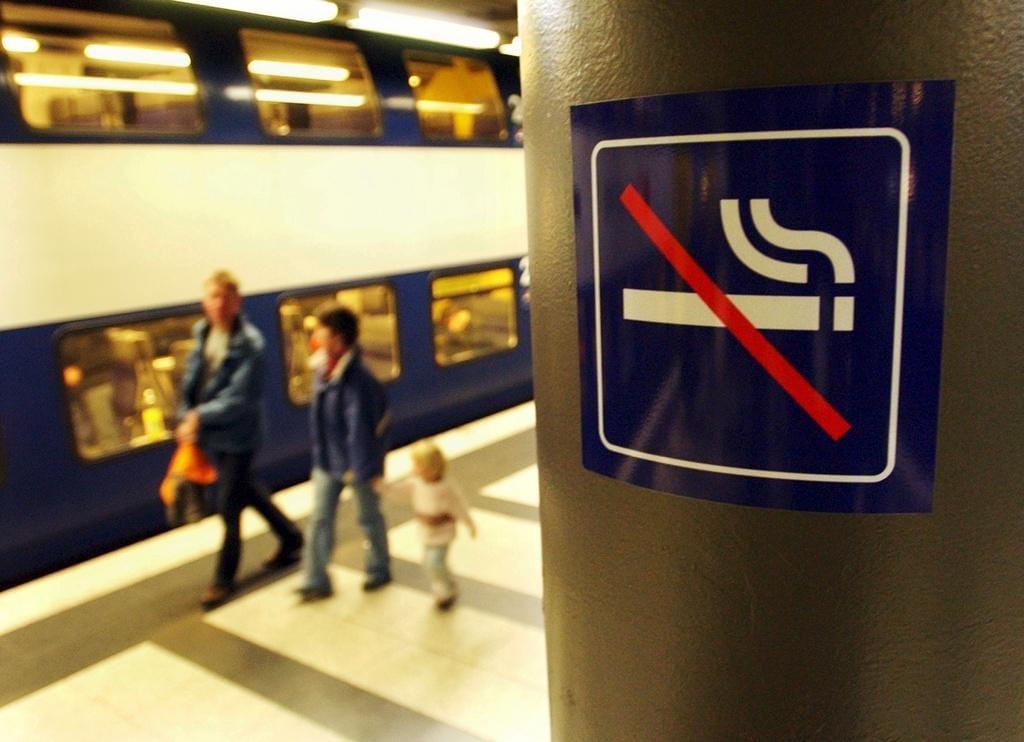
New Swiss Platform Highlights Dangers of Passive Smoking and Vaping

A new public health platform in Switzerland is raising awareness about the dangers of passive smoking and vaping as prevention groups express concern over the country’s tobacco control policies.

The platform, Passivesmoke.ch, was launched by the Swiss Association for Tobacco Prevention in partnership with the Swiss Lung League.

Campaigners say the initiative responds to growing nicotine consumption among young people and Switzerland’s continued refusal to ratify the World Health Organization Framework Convention on Tobacco Control.

According to new figures published by Addiction Switzerland, electronic cigarettes are increasingly becoming the main entry point to nicotine use among adolescents. The study found that around 45% of people aged 18 to 24 already consume nicotine-related products such as e-cigarettes, snus, and nicotine pouches.

Health advocates describe the trend as alarming and warn that passive exposure to smoke and vaping emissions remains a daily issue in homes, shared living spaces, and indoor public areas.

The new platform aims to educate the public about the health risks associated with second-hand smoke and passive vaping, topics that campaigners say have been largely overlooked in recent public debates.

The WHO Framework Convention on Tobacco Control recommends measures such as stricter advertising restrictions and higher tobacco taxes to reduce nicotine consumption. However, Switzerland remains one of the few European countries that has not fully adopted the agreement.

Earlier this year, a majority in the Swiss parliament rejected ratification of the convention, arguing that it could weaken national sovereignty by aligning Swiss policies with international standards.

Public health organizations continue to call for stronger tobacco prevention measures as nicotine product use rises among younger generations across Switzerland.

Long Traffic Jams Build Early at Switzerland’s Gotthard Tunnel.

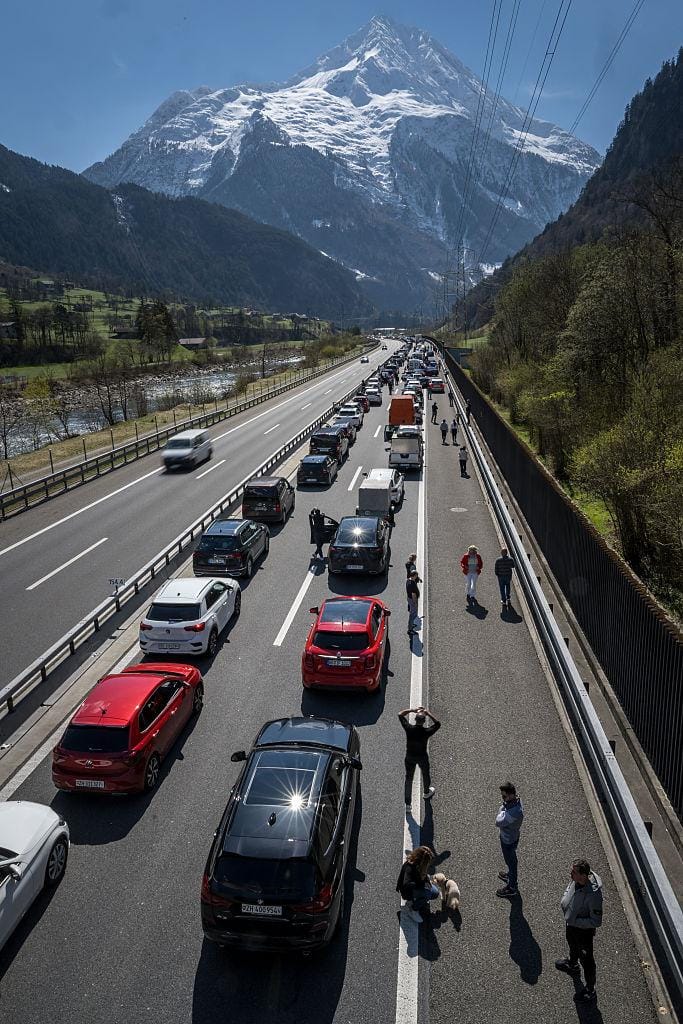
Heavy traffic congestion has already formed at the northern entrance of the Gotthard Road Tunnel as holiday and transit traffic intensifies across Switzerland.

According to the Touring Club Switzerland (TCS), a queue measuring approximately 9 kilometres had developed at the north portal by 7:20am on Thursday morning.

Motorists faced waiting times exceeding 90 minutes before entering the tunnel. Traffic authorities reported that the line of vehicles was divided into several sections between Erstfeld and Göschenen.

Drivers heading south were advised to use the alternative route via the A13 motorway and the San Bernardino Tunnel to avoid severe delays.

Traffic pressure at the Gotthard route has remained high in recent days. On Wednesday afternoon, authorities had already recorded a traffic jam stretching around 10 kilometres at the same location.

The Gotthard corridor is one of Europe’s most important north-south transit routes, particularly during holiday periods and long weekends, often leading to significant congestion at tunnel access points.

Swiss traffic authorities continue to monitor the situation and recommend that travelers check live traffic updates before beginning their journeys.

Swiss Court Convicts Businessman for Supplying Sensitive Goods to Russia

Switzerland’s Federal Criminal Court has sentenced a businessman to a suspended prison term after finding him guilty of illegally supplying sensitive materials to Russia in violation of Swiss export control laws.

The court handed the man a 16-month suspended prison sentence for multiple offences under the Swiss Goods Control Act, including attempted illegal exports linked to materials allegedly intended for a programme involving weapons of mass destruction.

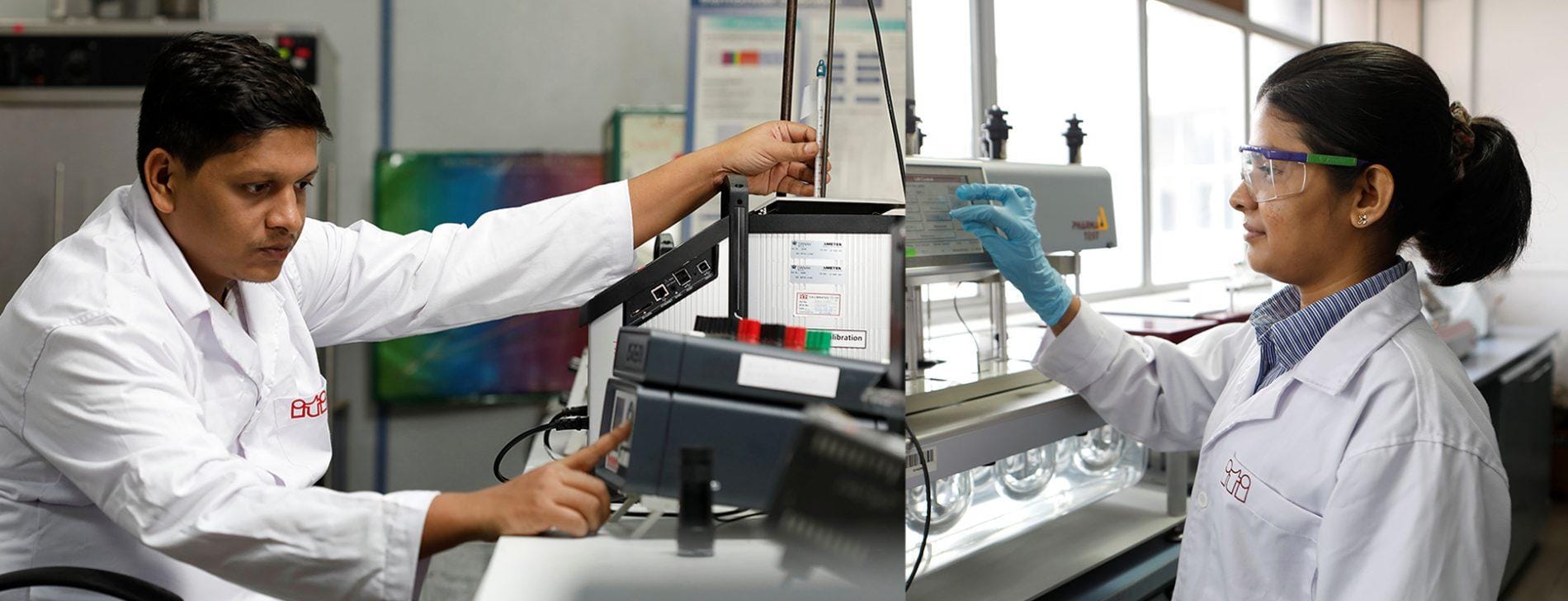
According to prosecutors, the businessman worked for a company that distributes laboratory equipment, medical products, and pharmaceutical materials. Over a period of four years, he supplied and offered to supply goods to two individuals connected to the Russian trade mission in Bern.

Investigators stated that products worth around CHF75,000 were successfully exported to Russia, while additional offers totaling approximately CHF934,000 were proposed but never completed due to intervention by Swiss authorities in 2024.

The case highlights Switzerland’s strict regulations on dual-use goods and sensitive technologies that could potentially support military or prohibited weapons programmes.

Swiss authorities have intensified monitoring of exports linked to Russia in recent years, particularly following international sanctions and heightened geopolitical tensions.

The ruling underscores the country’s commitment to enforcing international non-proliferation rules and preventing the transfer of controlled materials that could threaten global security.

Swiss Population Cap Could Cost Billions, Study Warns

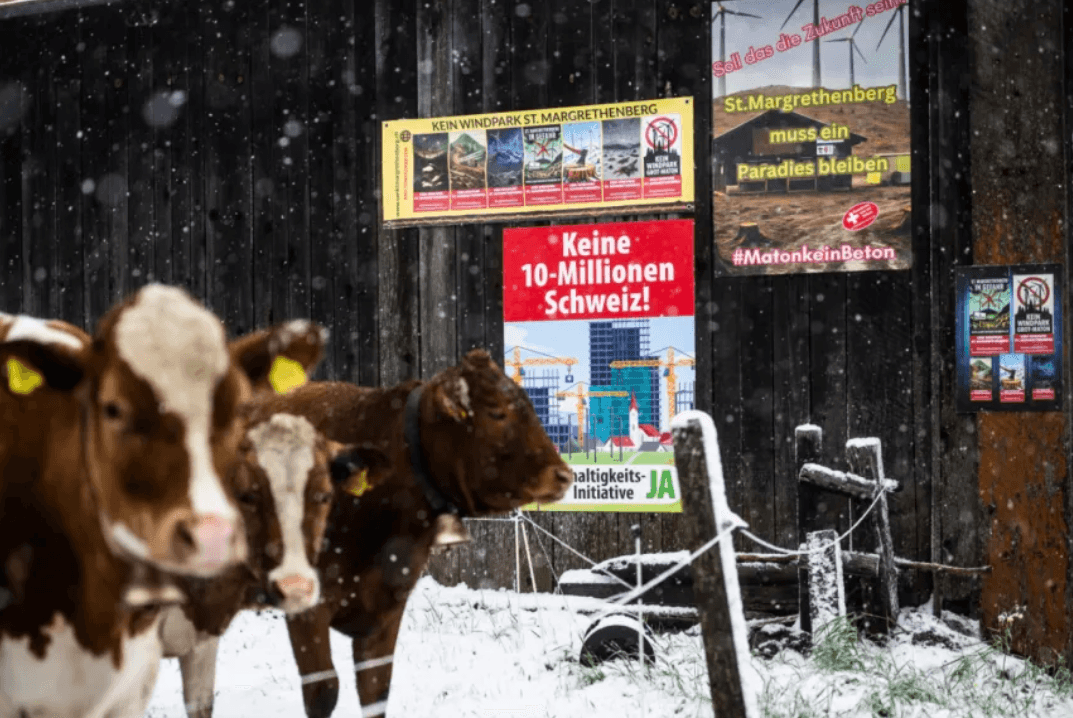
Switzerland could face significant long-term economic losses if the proposed “No to ten million” population cap initiative is approved, according to a new study published by the Swiss migration authorities ahead of the upcoming federal referendum.

The report, released by the government’s migration office, concludes that restricting immigration would provide only limited relief to housing pressure, while generating substantial financial costs for the economy and public finances.

While the study acknowledges that limiting population growth could slightly ease overcrowding in certain urban areas and the housing market, it states that these benefits would be far smaller than the broader economic consequences.

The analysis warns that Switzerland’s pension system would be severely affected, with the state pension fund potentially losing several billion francs annually over the coming decades due to a shrinking workforce.

It also projects a decline in tax revenues, noting that public income would fall more sharply than government spending reductions. As a result, the share of healthcare and social costs relative to national income would increase compared to a scenario without population limits.

The report further states that savings in social assistance and supplementary benefits would not be sufficient to compensate for reduced tax income. This imbalance could eventually lead to higher taxes for residents, particularly impacting the working-age population.

The initiative, which proposes limiting Switzerland’s population growth to around ten million people, has sparked strong political debate, especially regarding its impact on economic stability, labour shortages, and public services.

The study concludes that while migration control may offer short-term relief in specific sectors, the long-term fiscal impact could be significantly negative for the Swiss economy.

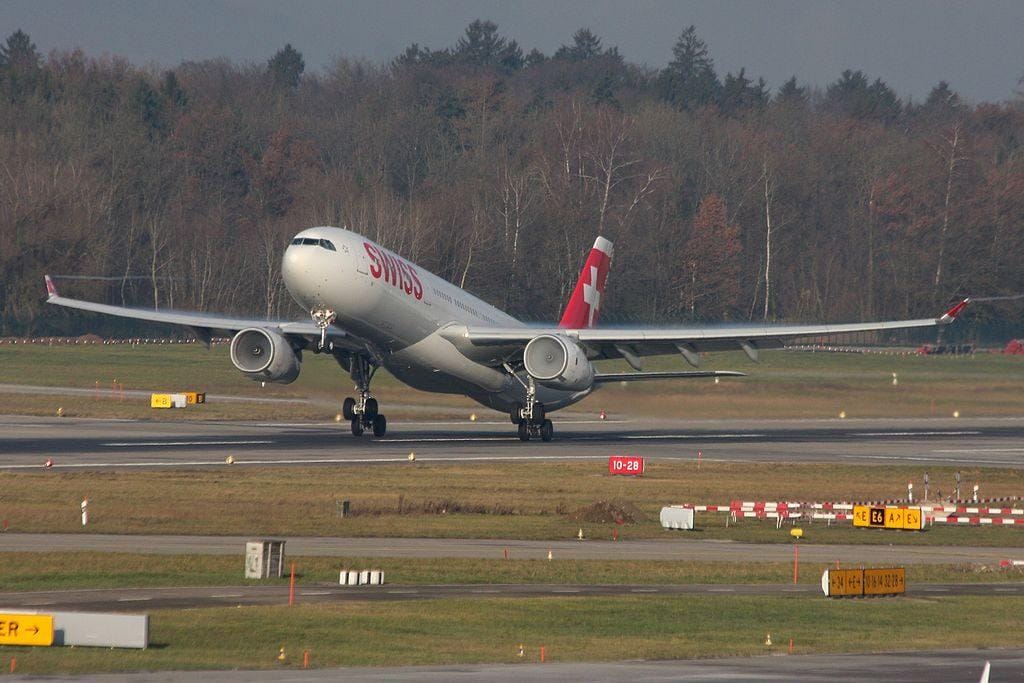
SWISS Airline to Resume Tel Aviv Flights in July After Suspension

SWISS International Air Lines has announced that it will resume flights between Switzerland and Tel Aviv in July, following a suspension that began in March due to the ongoing conflict in the Middle East.

The airline stated that it is currently carrying out operational preparations to restart the route, including crew scheduling, aircraft allocation, and coordination with internal and external partners. SWISS also confirmed that it is engaging in discussions with its social partners to ensure a smooth restart of operations.

Several airlines within the Lufthansa Group have already planned to resume Tel Aviv services from June, but SWISS has chosen a later restart date in July to ensure full operational readiness.

The suspension of flights was originally introduced in response to security concerns linked to the war in the Middle East. SWISS said passenger safety remains its top priority when adjusting flight schedules.

In addition to the Tel Aviv update, the airline confirmed extended suspensions on other routes. Flights to Dubai will remain suspended until September 13, 2026, while services to Beirut will stay suspended until October 24, 2026.

SWISS continues to adjust its international network based on geopolitical developments and operational feasibility. The airline said it will continue to monitor the situation closely and update schedules if conditions change.

The decision reflects the ongoing impact of regional instability on global aviation routes, particularly in the Middle East, where several airlines have modified or temporarily suspended operations.