Switzerland Issues High Alert Over African Swine Fever Risk

The Swiss government has issued a high-risk warning over the possible spread of African Swine Fever (ASF) into Switzerland. The alert was released by the Federal Food Safety and Veterinary Office (FSVO), which warned that the virus could reach the country at any time.

Although Switzerland has not yet recorded any ASF cases, authorities say the threat level has increased following a recent resurgence of infections in neighboring European countries, particularly Italy and Germany. Officials fear the disease could severely damage Switzerland’s pork industry and agricultural economy if it crosses the border.

African Swine Fever is a highly contagious viral disease that affects pigs and wild boars. While the virus does not pose a danger to humans, it can spread rapidly among animals and often results in large-scale livestock losses. Authorities warn that the virus can survive for long periods in meat products, animal carcasses, soil, and contaminated equipment.

The FSVO has strongly advised travelers not to bring pork or wild boar meat products into Switzerland from affected regions. Hunters returning from foreign hunting trips have also been instructed to thoroughly clean and disinfect their clothing, footwear, equipment, and vehicles before re-entering the country.

Swiss officials believe human activity is one of the biggest risks for transmission. A small amount of contaminated food waste or improperly cleaned hunting gear could potentially introduce the virus into local wild boar populations or domestic pig farms.

The government’s national monitoring program is currently conducting early detection testing across the country. Authorities confirmed that all recently tested wild boars have so far returned negative results for ASF. However, officials stress that continued vigilance is essential as the virus continues spreading in several European regions.

Recent setbacks in Germany and increasing cases in Spain have intensified concerns across Europe. Swiss authorities say the situation demonstrates how quickly ASF can return even after periods of apparent control.

Farmers and animal owners are now being urged to immediately report any unusual symptoms in pigs to veterinarians. The Swiss government says rapid reporting, strict hygiene measures, and border precautions are critical to preventing a national outbreak.
Swiss Army Conducts Helicopter Shooting Training in France.

The Swiss Armed Forces has begun a specialised helicopter shooting exercise in France as part of efforts to strengthen defence capabilities and improve international military cooperation.

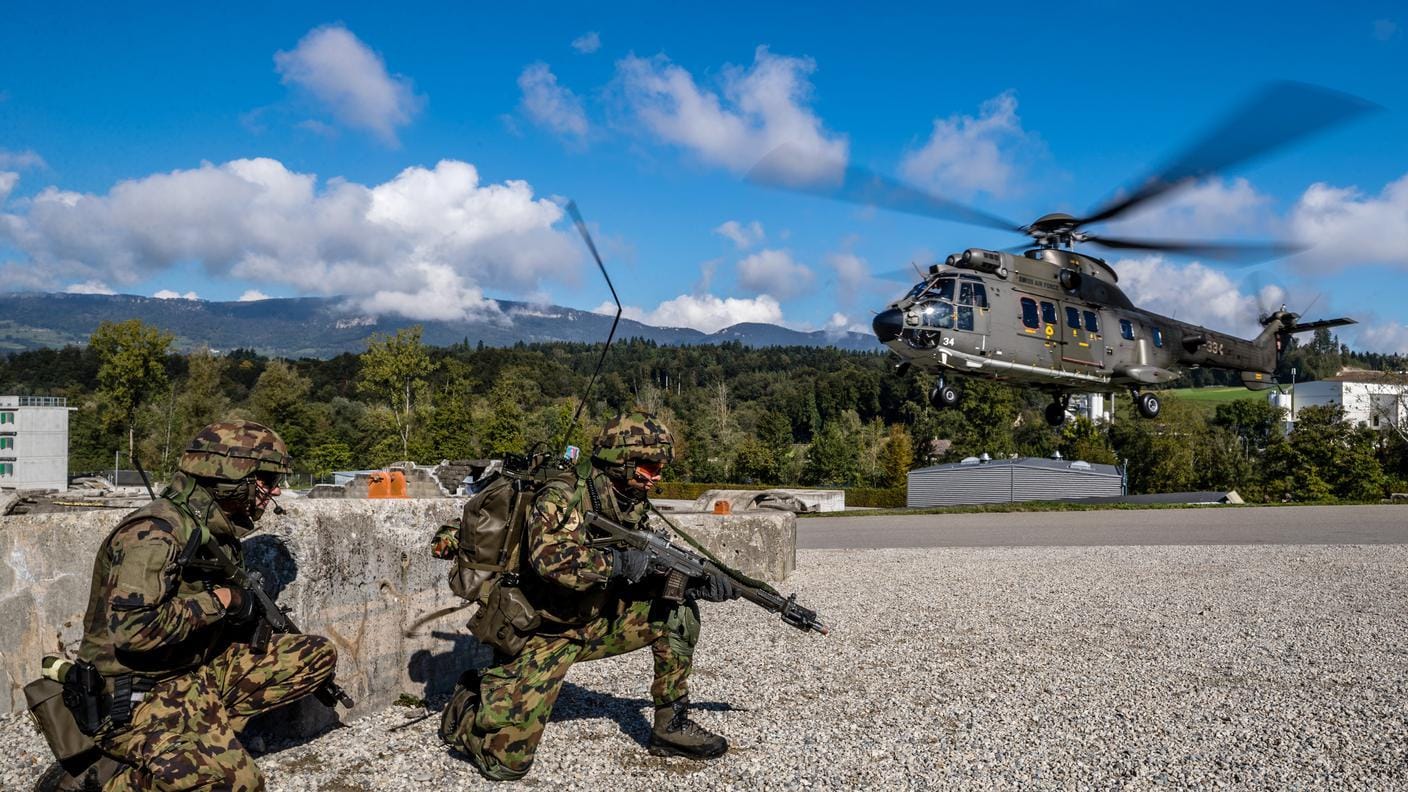
According to the Swiss Army, the training exercise is taking place from May 15 to May 22, 2026, in Solenzara, France. A Cougar military helicopter is being used for the operation, with soldiers practising live firing at moving targets while airborne.

The exercise focuses on improving operational procedures and tactical coordination during complex aerial combat situations. Shooting from helicopters is considered highly challenging because helicopters operate as unstable moving platforms while wind conditions continuously change during flight.

Military officials stated that the training follows strict safety regulations and can only be conducted in specially approved zones with clearly defined security areas. Due to Switzerland’s geographical limitations and restricted airspace, similar advanced exercises are difficult to organise within the country.

The Swiss government decided in 2024 to increase international military cooperation in order to modernise defence readiness and overcome domestic operational limitations. Training abroad allows Swiss forces to gain practical experience and learn from international defence partners.

The army also noted that these joint exercises improve interoperability between allied armed forces and help prepare soldiers for realistic operational environments. Defence experts say such international cooperation has become increasingly important as European nations focus more heavily on security and military preparedness.

The training exercise reflects Switzerland’s broader efforts to strengthen national defence capabilities amid changing geopolitical and security conditions across Europe.

93-Year-Old Chinese Widow Ordered to Leave Switzerland.

A 93-year-old Chinese woman has been ordered to leave Switzerland despite receiving intensive care from her daughter living in the country.

The decision was confirmed by the Bern Administrative Court after authorities ruled that the legal requirements for residency based on family dependency had not been sufficiently proven.

The elderly woman’s daughter, who holds a Swiss passport, lives with her family in the Bern region. In 2018, she travelled to China to care for her seriously ill father.

Following his death, she brought her mother to Switzerland in late 2021 on a visa and later applied for a residence permit on humanitarian and family grounds.

According to the appeal documents, the 93-year-old widow suffers from mild dementia and several age-related health conditions.

Her legal representatives argued that she was emotionally and psychologically dependent on her daughter for daily support and care.

However, the Bern Administrative Court ruled that Swiss immigration law requires proof of an “indispensable dependency” to justify a right to remain in the country for family reasons.

The judges concluded that this level of dependency had not been clearly established in the case.

The court also stated that medical diagnoses such as mild dementia do not automatically guarantee residency rights in Switzerland. Judges further argued that appropriate care could still be arranged in the woman’s hometown of Nanjing in China.

Additionally, the court found that the woman lacked sufficiently strong ties to Switzerland to qualify for a pensioner residence permit.

Authorities also rejected claims of humanitarian hardship, stating that there was insufficient evidence proving that returning to China would result in a premature death.

The woman has been ordered to leave Switzerland before June 17, 2026. However, the case may still be appealed to the Swiss Federal Court, leaving a final legal decision pending.

The ruling has sparked discussion among immigration observers and human rights advocates regarding elderly care, family reunification policies, and humanitarian considerations within the Swiss legal system.

Sri Lanka Mobile Embassy Service Successfully Held in Zurich, Switzerland

A mobile consular service organized by the Sri Lankan diplomatic mission in Zurich was successfully conducted on May 09 and 10, 2026, in collaboration with local Sri Lankan associations and community groups.

The initiative was coordinated by the Permanent Mission of Sri Lanka in Geneva to improve accessibility for Sri Lankans living in Switzerland. The service was designed to allow citizens to access essential embassy services without traveling long distances, ensuring greater convenience for the diaspora community.

The event was inaugurated by Sri Lanka’s Permanent Representative to the United Nations in Geneva, Ambassador Sumith Dassanayake. He stated that, under the guidance of Foreign Minister Vijitha Herath, similar mobile consular services will be expanded across Switzerland in the future, including cities such as Bern, Aargau, and Solothurn. The Zurich program marks the beginning of this broader initiative.

During the two-day service, the diplomatic team provided several important consular services. These included accepting passport applications, issuing birth registrations, providing e-BMD certified birth, marriage, and death certificates, processing dual citizenship applications, and certifying civil status documents and affidavits.

Alongside the consular work, the Ambassador also held discussions with key Sri Lankan community organizations in Switzerland, including the Swiss Sri Lanka Association and the Dharma Union (Hindu-Buddhist organization). These discussions focused on strengthening cooperation and improving services for the Sri Lankan community.

He also visited the Sri Bodhirajaramaya Buddhist Temple in Lenzburg and the Sri Sivasubramaniar Temple in Adliswil, where he engaged with community members and religious leaders to understand their concerns and needs.

This mobile embassy service is considered an important step toward improving diplomatic accessibility and delivering efficient public services to Sri Lankans living abroad.

Why Some Swiss Banks Avoid U.S. Citizens: The FATCA Effect Explained

Many people believe that citizens of the United States cannot open bank accounts in Switzerland. However, this is not entirely true. While it is possible for U.S. citizens to hold Swiss bank accounts, many Swiss banks choose not to accept them due to strict international tax regulations and compliance risks.

The main reason behind this situation is the U.S. law known as FATCA (Foreign Account Tax Compliance Act), introduced in 2010. This law requires all foreign banks to report financial information of U.S. citizens to the Internal Revenue Service (IRS). If banks fail to comply, they may face heavy penalties or restrictions from the U.S. financial system.

As a result, Swiss banks face significant operational challenges. One major issue is the increased administrative burden. Banks must collect additional tax documentation, maintain detailed reporting systems, and implement complex compliance software to track U.S. account holders.

Another concern is legal risk. Even small reporting errors can result in serious financial penalties. To avoid this risk, some banks prefer not to onboard U.S. clients at all and clearly state policies such as “U.S. persons not accepted.”

Historically, Switzerland was known for strong banking privacy laws. However, international pressure—especially from the U.S.—has significantly reduced banking secrecy. Investigations involving major banks like UBS played a major role in changing Swiss banking compliance rules.

Additionally, U.S. citizens are subject to worldwide taxation, meaning they must report global income regardless of where they live. This creates further reporting complexity for foreign banks handling their accounts.

Despite these challenges, not all Swiss banks reject U.S. citizens. Some institutions, including major banks and financial service providers such as PostFinance, may still allow accounts under strict conditions. These often include higher minimum balances, additional tax forms, enhanced compliance checks, and certain investment restrictions.

In summary, the issue is not discrimination against U.S. citizens. Instead, it is the result of strict U.S. tax laws, compliance costs, and regulatory risks that make it difficult for many Swiss banks to offer services to American clients.

Switzerland Banking Safety: Which Bank is Best for Savings?

Choosing a safe and reliable bank for savings in Switzerland is an important financial decision, especially for residents and expats looking for long-term security. Swiss banking is globally known for stability, strong regulation, and high trust levels, but some banks are considered safer and more practical for savings than others.

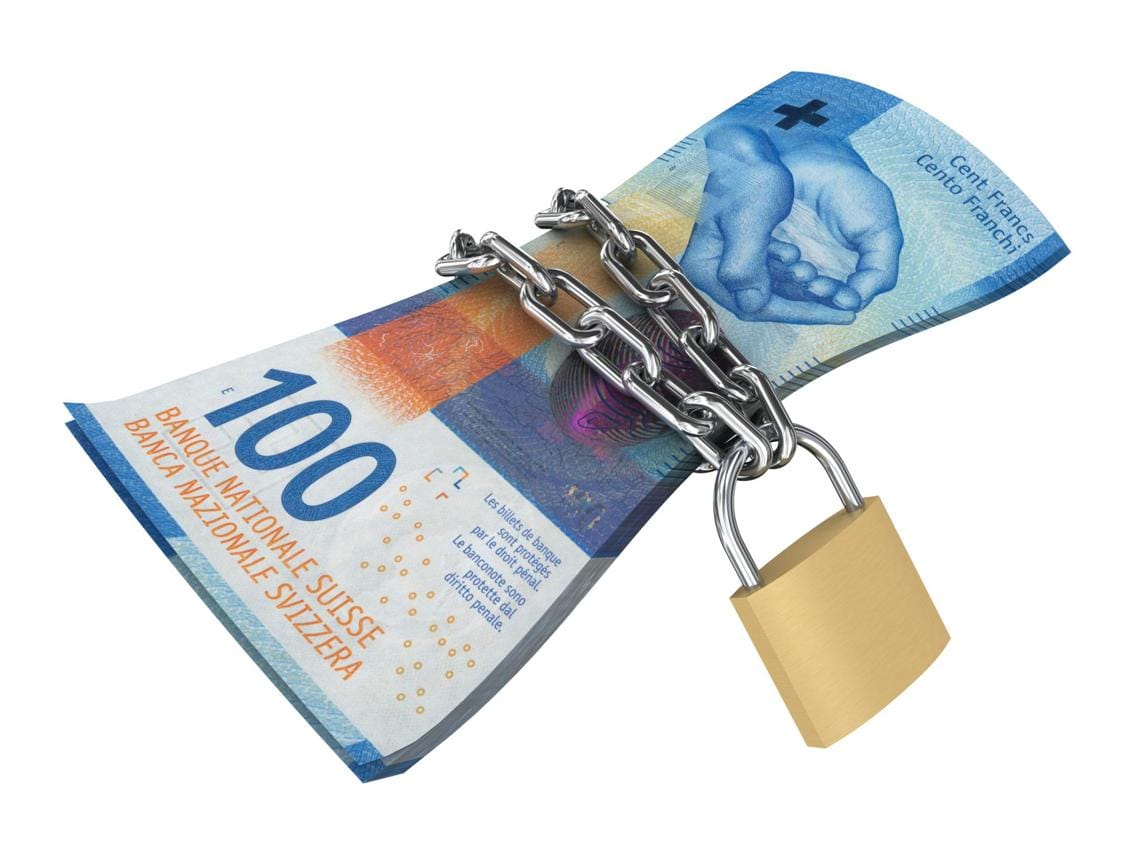
Among all banking options, Cantonal Banks are widely regarded as the most secure choice. These banks are backed by the individual cantons (regional governments), which adds an extra layer of financial protection beyond the standard Swiss deposit insurance system. In Switzerland, deposits are generally protected up to CHF 100,000 under the esisuisse guarantee scheme.

One of the strongest examples is the Zürcher Kantonalbank. It is considered one of the safest banks in the country because it has full backing from the Zurich canton government. This strong government guarantee, combined with high financial ratings, makes it a preferred option for conservative savers.

Another popular choice is Raiffeisen Switzerland. It is known for its community-based banking model and stable operations across the country. Many users choose Raiffeisen for its balance between safety and competitive savings interest rates.

The global banking giant UBS is also widely used in Switzerland. While it offers strong international services and wealth management solutions, its deposit protection follows the standard Swiss system without additional cantonal guarantees.

Additionally, PostFinance is considered a conservative option with government-linked trust perception, making it a popular choice for everyday savings and transactions.

Financial experts in Switzerland often recommend diversifying savings across multiple banks if deposits exceed CHF 100,000. This is because spreading funds reduces risk exposure and ensures full protection under Swiss deposit insurance rules. A common strategy includes splitting funds between Zürcher Kantonalbank, Raiffeisen, and investment platforms.

For residents in Zurich, Zürcher Kantonalbank is often seen as the most practical and secure choice due to its strong government backing, lower fees, and stable reputation in the Swiss financial system.

Swiss Immigration Vote Sparks Nationwide Debate Ahead of Referendum

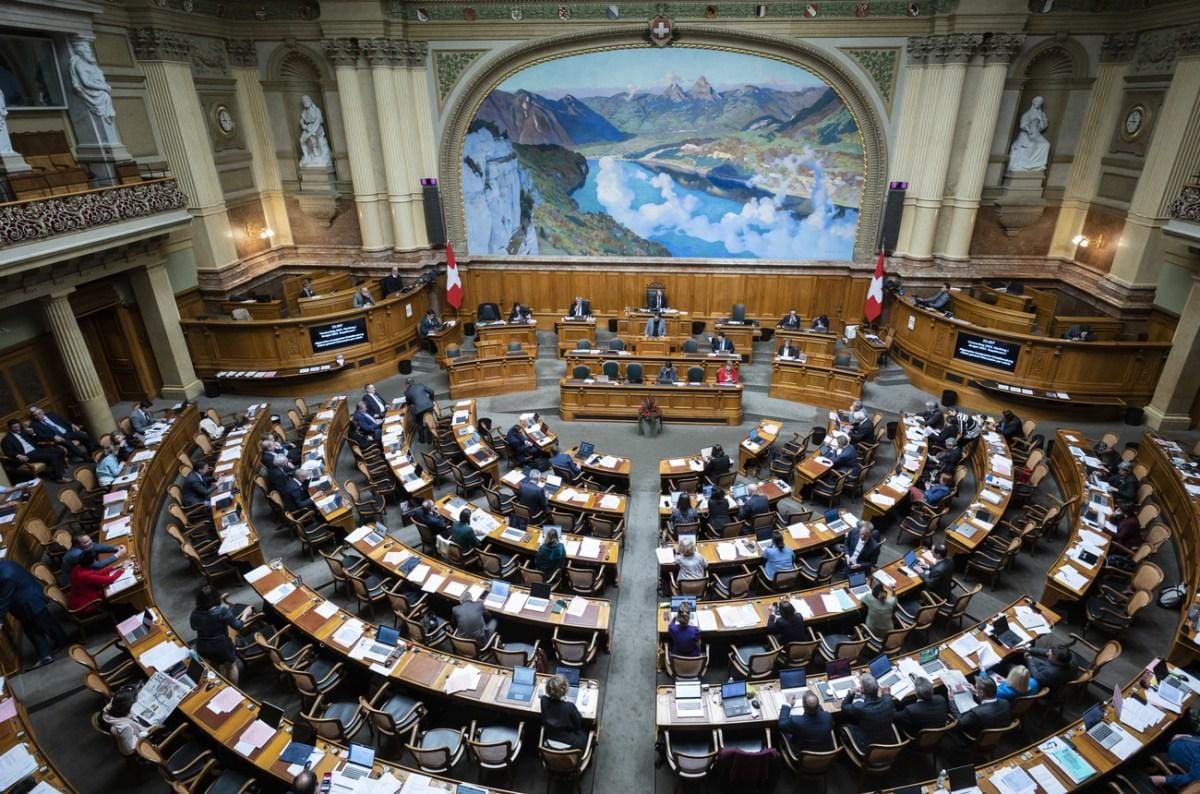
A major political debate is gaining momentum in Switzerland as the country prepares for a crucial national referendum on immigration. The proposal, widely known as “No to 10 Million Switzerland,” aims to limit the country’s population growth by introducing stricter immigration controls. The referendum is scheduled to take place on June 14 and has already attracted nationwide attention unlike any recent public vote in the country.

The proposal was introduced by the Swiss People’s Party, a political group known for its strong stance against large-scale immigration. Supporters of the initiative argue that rapid population growth is increasing pressure on housing, transportation, healthcare, and public infrastructure across Switzerland. They believe tighter immigration policies are necessary to protect the country’s long-term stability and quality of life.

However, strong opposition to the proposal is also growing across the country. Business leaders, economists, and several political groups warn that reducing immigration could create serious labor shortages in key sectors. Industries including healthcare, construction, hospitality, and technology heavily depend on foreign workers to maintain daily operations and economic growth.

Critics of the proposal argue that immigration plays a vital role in strengthening the Swiss economy. They say limiting the number of immigrants could slow economic development, reduce workforce availability, and negatively impact Switzerland’s international competitiveness. Many experts also point out that skilled migrants contribute significantly to innovation, productivity, and tax revenue.

As the referendum date approaches, both supporters and opponents are spending heavily on nationwide campaigns to influence voters. Political advertisements, public debates, social media campaigns, and television discussions have intensified in recent weeks, turning the immigration referendum into one of the most talked-about political issues in Switzerland this year.

The outcome of the vote could shape the future of immigration policy in Switzerland and influence debates across Europe. With public opinion sharply divided, the referendum is expected to become a defining political moment for the country.

Meghan Markle Travels to Switzerland for Online Child Safety Event

Meghan Markle will visit Geneva this weekend to support a major global initiative focused on online child safety and digital protection.

The Duchess of Sussex is expected to attend the inauguration of the Lost Screen Memorial at Place des Nations on May 17 alongside Tedros Adhanom Ghebreyesus, global health leaders, and families affected by online harm.

The event is being organised by World Health Organization and Archewell Foundation ahead of the 79th World Health Assembly.

The memorial will feature 50 illuminated lightboxes displaying the lock screen images of children who lost their lives due to online violence and digital harm. Meghan Markle is expected to honour the children remembered in the installation and call for stronger international protections for children online.

The exhibition will remain open in Geneva until May 22 and was created in partnership with The Parents’ Network.

Pope Leo XIV Honors Swiss Cardinal Tscherrig in Rome

Pope Leo XIV presided over the funeral mass of Cardinal Emil Paul Tscherrig at St. Peter’s Basilica on Friday afternoon, honouring the late Swiss cleric as a devoted and responsible servant of God.

Several dozen senior church dignitaries attended the ceremony in Vatican City to pay tribute to the Swiss cardinal, who passed away earlier this week at the age of 79.

During the homily, Pope Leo XIV reflected on a passage from the Gospel of John, quoting Jesus’ words: “I am the resurrection and the life.” The message focused on faith, eternal life, and dedication to spiritual service.

Biblical readings during the funeral were delivered by members of the Pontifical Swiss Guard. Tscherrig himself had briefly served in the Swiss Guard during his early years.

The pope highlighted Cardinal Tscherrig’s extensive diplomatic and ecclesiastical career, praising his decades of international service on behalf of the Holy See.

Since becoming Apostolic Nuncio in 1994, Tscherrig served in several countries across Africa, the Caribbean, Scandinavia, Asia, and South America. His diplomatic missions included Burundi, South Korea, Mongolia, Argentina, and multiple Caribbean nations.

Born in the canton of Valais in Switzerland, Cardinal Tscherrig became one of the country’s most prominent Catholic figures and represented the Vatican in international affairs for decades.

The funeral ceremony marked a final farewell to one of Switzerland’s highest-ranking church leaders in modern history.

Swiss Federal Music Festival Opens in Biel/Bienne Despite Weather.

The Swiss Federal Music Festival has officially begun in Biel/Bienne, with thousands of musicians taking part in one of the country’s largest cultural events despite concerns over heavy rain.

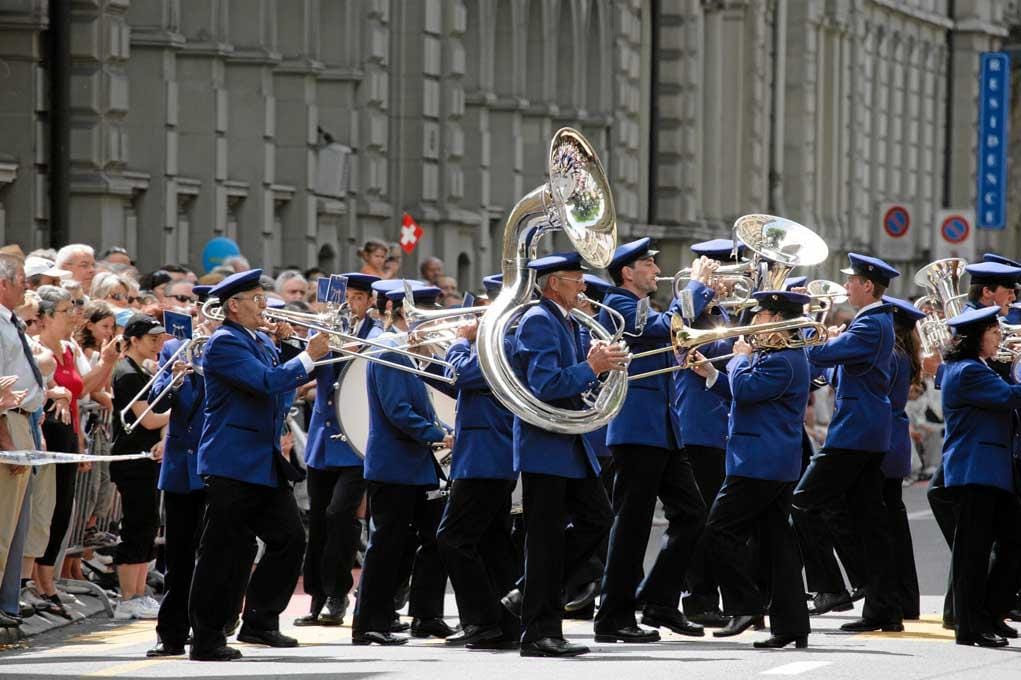
The opening parade started on Thursday at around 12:30 pm after organisers made a last-minute decision to proceed. While light drizzle was reported during parts of the day, the weather also improved at times, allowing the procession to continue through the city streets.

Organisers had earlier warned that the parade could be cancelled if conditions worsened, as wind instruments such as clarinets, saxophones, and oboes are particularly vulnerable to rain damage.

The festival’s communications manager, Théo Martin, confirmed that the decision to proceed depended heavily on weather conditions, with heavy rainfall remaining the main risk factor for cancellation.

A member of the organising committee, Jean-Marc Richard, highlighted the cultural importance of the event, stating that the festival showcases the “power and energy of wind instruments” and helps challenge common stereotypes about folk music.

The Swiss Federal Music Festival brings together around 532 music societies from across Switzerland, with more than 25,000 participants competing in various categories between Thursday and Sunday.

Held approximately every five years, the event is one of Switzerland’s most significant musical gatherings, attracting large audiences and celebrating the country’s strong tradition of amateur and professional wind music ensembles.