Swiss Committee Backs Double Majority for EU Deal.

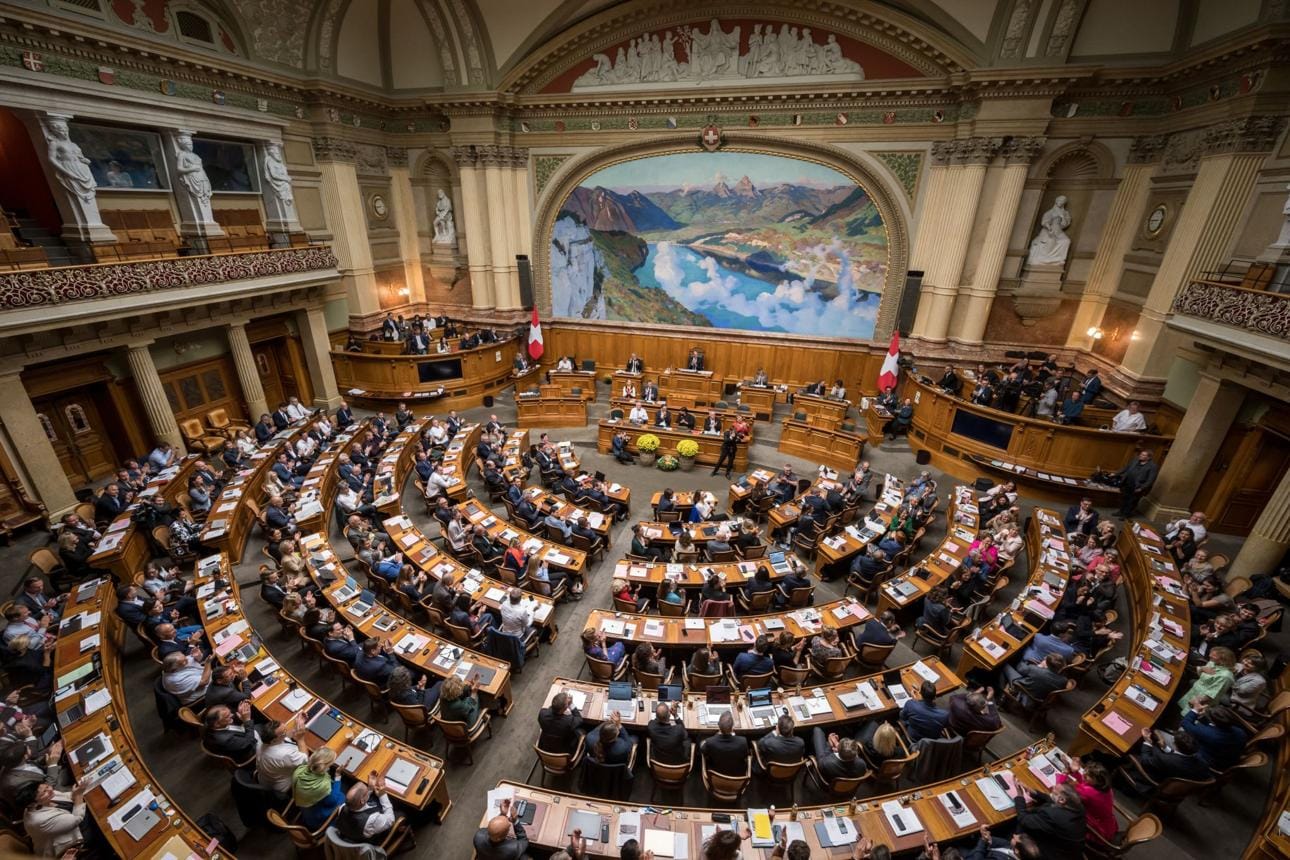
A parliamentary committee in Switzerland has supported a proposal requiring a double-majority vote—both of the people and the cantons—for the approval of the upcoming Swiss–EU agreement package.

The proposal, backed by the House of Representatives’ Committee of Political Institutions, reflects growing political debate over how major international agreements should be ratified within Switzerland’s direct democratic system.

The committee approved the plan by 15 votes to 10, stating that the agreement’s importance and constitutional implications justify a higher level of democratic approval.

Under the proposed system, the bilateral agreements between Switzerland and the European Union would need not only a majority of voters but also a majority of cantonal approval to be adopted.

The idea aligns with Switzerland’s tradition of direct democracy, where major constitutional or highly significant national decisions often require approval from both citizens and cantons.

At the same time, lawmakers are also exploring an alternative approach known as a “sui generis” referendum model, which would be a unique voting mechanism tailored specifically for this agreement package. The committee has requested further examination of this option, which was supported by a 16–9 vote.

The debate highlights the political sensitivity surrounding Switzerland’s relationship with the European Union and the constitutional questions linked to future bilateral cooperation.

Swiss Expert Rejects “10 Million Population” Fear Claim.

A Swiss population expert has stated that Switzerland is unlikely to reach the controversial 10 million population threshold, even as political debate intensifies over immigration and population growth limits.

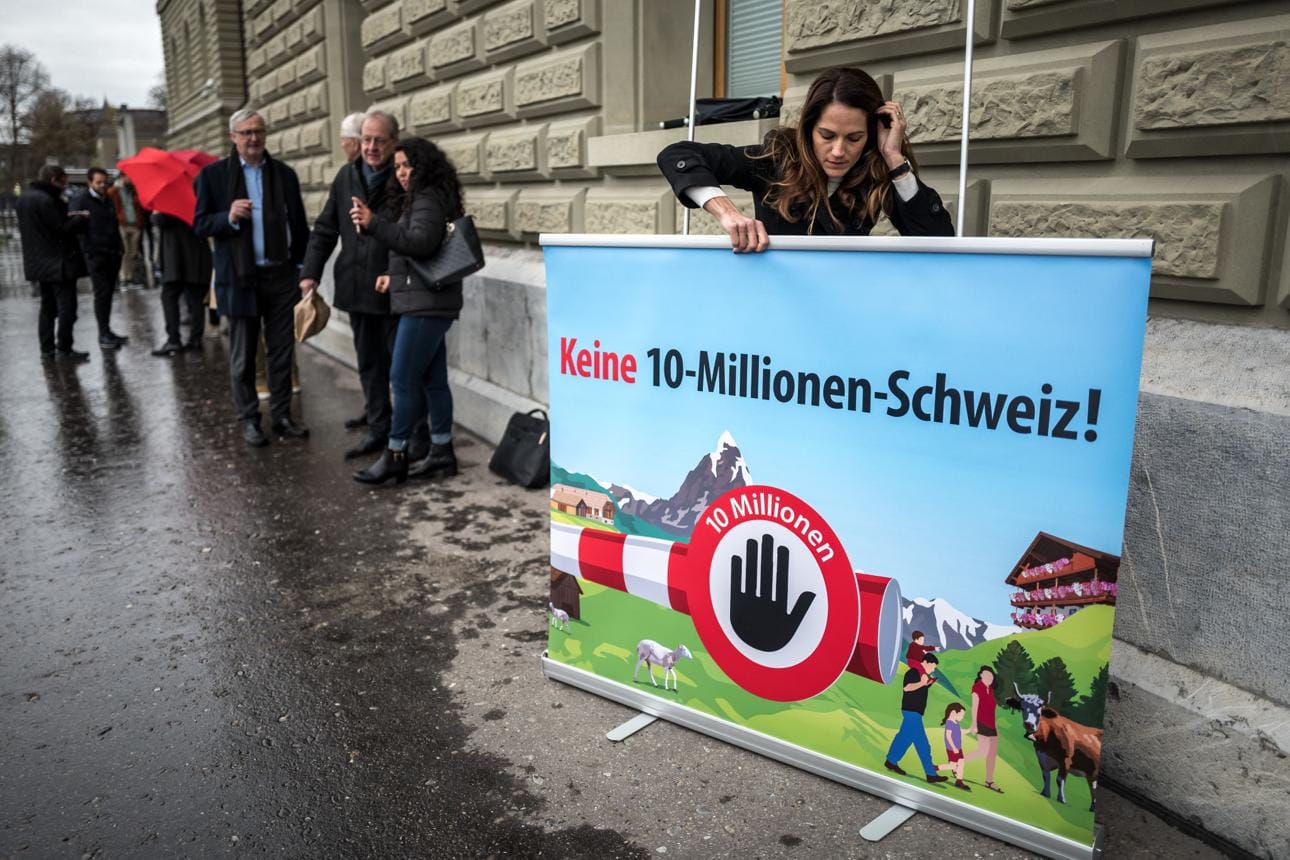
The discussion has been driven by a proposal titled “No to 10 Million Switzerland,” supported by the Swiss People’s Party, which aims to restrict population growth by limiting immigration into the country.

The initiative has gained significant public attention and is scheduled for a nationwide vote on June 14. The proposal argues that Switzerland should take stronger measures to prevent population growth from exceeding 10 million, mainly through tighter immigration controls.

However, a population specialist has challenged these concerns, stating that Switzerland is unlikely to reach the 10 million mark under current demographic trends. The expert’s remarks directly question the assumptions behind the initiative and its long-term projections.

The debate reflects broader tensions in Swiss politics over immigration, labor needs, housing pressure, and national identity. While supporters of the initiative emphasize limits on population growth, critics argue that Switzerland’s economy depends heavily on skilled migration.

As the vote approaches, the issue is expected to remain a central topic in Swiss political discourse, with strong opinions on both sides regarding the future direction of the country’s population policy.

Driverless Delivery Van Accident Kills Pensioner in Zurich.

A tragic accident in Zurich has claimed the life of a pensioner after she was struck by a driverless delivery van on a sidewalk in the city’s Höngg district.

According to Zurich city police, the elderly woman suffered life-threatening injuries after being hit on Thursday afternoon. She later died in hospital on the same evening despite medical efforts to save her.

Preliminary investigations suggest that a parked delivery van began moving unexpectedly around 1pm near the intersection of Michelstrasse and Engadinerweg. The vehicle reportedly rolled several metres onto the pavement before striking the pedestrian.

Authorities said the exact reason why the van started moving remains unclear and is currently under investigation. Police are examining whether a technical fault, mechanical failure, or other external factor may have caused the incident.

The accident has raised serious concerns about the safety of autonomous and semi-autonomous delivery systems being tested and used in urban environments across Switzerland and Europe.

Officials in Zurich have launched a full investigation to determine how the vehicle became uncontrolled and whether additional safety measures are required to prevent similar incidents in the future.

Urban mobility experts say such cases highlight the growing challenges of integrating automated delivery vehicles into busy pedestrian areas, where even minor technical errors can have severe consequences.

Swiss Airports Record 13.3 Million Passengers in Q1 2026.

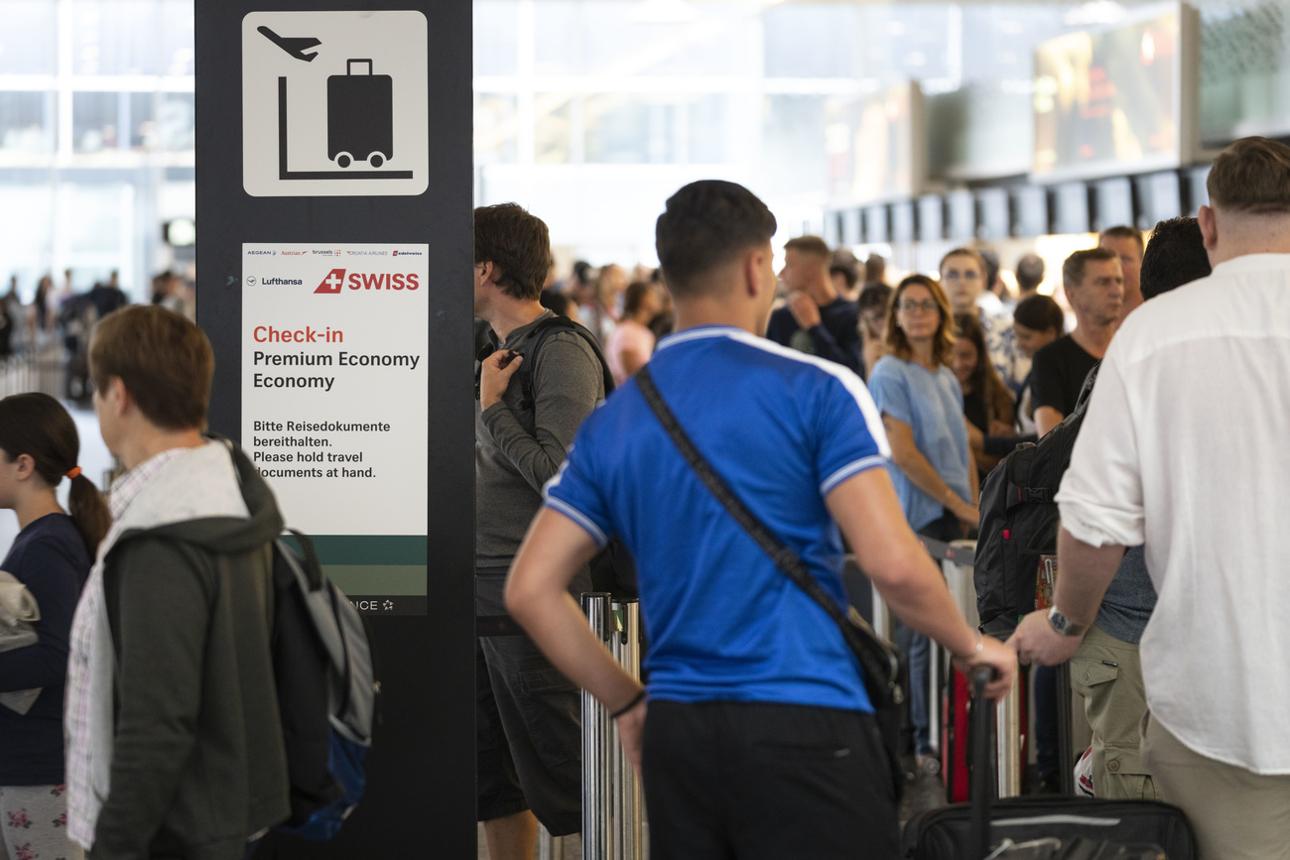
Swiss airports recorded a strong increase in passenger traffic during the first quarter of 2026, reaching a total of 13.3 million travellers on scheduled and charter flights, including transit passengers.

According to figures published by the Federal Statistical Office, this represents an increase of around 0.7 million passengers, or 5%, compared to the same period in 2025.

The growth highlights continued recovery and expansion in Switzerland’s aviation sector, supported by rising travel demand and strong international connectivity.

Among the country’s major airports, Zurich Airport recorded the highest passenger volume, handling 6.9 million travellers. This marks a 6% increase compared to the previous year.

Geneva Airport also saw steady growth, with passenger numbers rising by 3% to 4.6 million. Meanwhile, EuroAirport Basel Mulhouse Freiburg experienced the strongest percentage increase, up 7% to 1.8 million passengers.

Aviation analysts say the increase reflects stronger international travel demand, improved airline capacity, and Switzerland’s continued role as a key European travel hub.

The data suggests that despite global economic uncertainties, Swiss air travel remains resilient, with both tourism and business travel contributing to the upward trend.

Swiss Cultural Sector Employment Declines in 2025.

The number of people working in Switzerland’s cultural sector declined significantly in 2025, according to new figures published by the Federal Statistical Office.

The report showed that around 282,000 people were employed in cultural professions during the year, representing a decrease of 4.8% compared to 2024. Officials noted that the scale of the decline is similar to the employment drop experienced during the Covid-19 pandemic period between 2019 and 2020.

The decline affected several groups more heavily, particularly male workers, Swiss nationals, and professionals based in French-speaking regions of Switzerland.

The Federal Statistical Office uses a broad definition of the cultural sector. Alongside musicians, performers, and visual artists, the category also includes workers such as graphic designers, museum accountants, and other creative industry professionals.

The report also highlighted concerns about financial well-being among cultural workers. According to survey findings from 2024, people employed in the cultural economy were less satisfied with their income and living conditions compared to the wider Swiss workforce.

More than one quarter of professionals in the cultural sector reported dissatisfaction with their financial situation, while the figure for the general working population was around one fifth.

Experts say the findings underline ongoing challenges facing the arts and creative industries in Switzerland, including economic uncertainty, rising living costs, and unstable income opportunities for freelance and independent workers.

The Federal Statistical Office is expected to release more detailed income-related data for the sector on June 25.

Petition Filed Against Starlink Antennas in Switzerland.

Opponents of the planned Starlink antenna project in Leuk have submitted a petition with 14,550 signatures to Swiss authorities, calling for the cancellation of the project.

The petition was delivered in Bern and addressed to Swiss Defence Minister Martin Pfister. Campaign groups argue that the proposed installation of 40 satellite antennas could create long-term geopolitical and technological dependence.

The organisations behind the petition include Campax and a regional group known as “Protection against satellite radiation in the Leuk region.” Both groups raised concerns over national security, technological sovereignty, and possible environmental and health impacts linked to satellite communication infrastructure.

Critics claim the project could increase Switzerland’s dependence on foreign-controlled technology networks at a time when geopolitical tensions and digital security concerns are growing globally.

The proposed Starlink facility in Valais is part of broader efforts to expand satellite internet infrastructure across Europe. Supporters of such projects often highlight benefits including improved connectivity, faster communications, and advanced technological development for remote regions.

However, local resistance has increased in recent months as residents and activists question the long-term implications of large-scale satellite installations.

Swiss authorities have not yet announced any final decision regarding the future of the project. The petition now adds political pressure to ongoing discussions surrounding technology infrastructure, national independence, and environmental concerns in Switzerland.

Swiss March 8 Vote Campaigns Cost CHF11 Million.

Political campaigns linked to Switzerland’s March 8 national votes cost a total of CHF10.7 million, according to final figures released by the Swiss Federal Audit Office.

The published data revealed that actual campaign spending exceeded the budgets initially announced before the vote by around 22%, reflecting stronger political mobilisation and advertising efforts during the campaign period.

The largest share of spending focused on the SBC initiative concerning Switzerland’s radio and television licence fee. Campaigns related to this proposal alone accounted for approximately CHF7.5 million.

Opponents of the initiative declared spending around CHF5.7 million, while supporters reported approximately CHF1.8 million in campaign costs. The proposal was ultimately rejected by voters.

The SBC initiative aimed to reduce the national radio and television licence fee to CHF200 and eliminate mandatory corporate contributions. Supporters argued the changes would reduce financial pressure on households and businesses, while opponents warned the cuts could weaken public broadcasting services in Switzerland.

Switzerland’s system of direct democracy often involves intensive public campaigns ahead of nationwide votes, with political groups, organisations, and industry associations investing heavily in advertising and outreach efforts.

The latest figures highlight the growing financial scale of political campaigning in Switzerland, particularly for issues related to media, public services, and national policy reforms.

Valais Refinery Chimneys Demolished for Tech Future.

The final two chimneys of the former Tamoil Switzerland refinery in Collombey-Muraz were demolished on Thursday as redevelopment efforts continue to transform the industrial site into a future technology hub.

The massive chimneys, each standing approximately 100 metres high and weighing a combined 4,000 tonnes, collapsed within seconds during the carefully planned demolition. Officials described the structures falling “like a house of cards” after controlled explosives were triggered.

The operation required nearly three months of preparation and around 50 kilograms of explosives. Authorities temporarily closed nearby roads and surrounding areas for safety during the demolition process.

According to Stéphane Trachsler, extensive environmental studies, technical reviews, and risk assessments had been conducted since 2024 to ensure the demolition could proceed safely. Field tests were also carried out in 2025 to monitor possible ground vibrations and environmental impact.

The demolition marks another important step in the transformation of the former refinery site, which authorities and developers hope to convert into a centre for new technologies and innovation in the canton of Valais.

Project leaders also confirmed that rubble and construction materials from the demolished chimneys will be recycled and reused in regional construction projects, supporting sustainability efforts linked to the redevelopment.

The refinery site redevelopment is seen as part of Switzerland’s broader shift toward cleaner industries, technological innovation, and modern infrastructure development.

Swiss Police Probe Another Moretti Property Fire.

Authorities in Switzerland have expanded the investigation linked to the deadly Le Constellation Bar Fire tragedy by examining another property owned by the Moretti couple in the canton of Valais.

According to reports from RTS, prosecutors and cantonal police are now investigating a 2024 fire at the “Le Vieux Chalet” restaurant. The property also belongs to Jessica and Jacques Moretti, who are connected to the ongoing Crans-Montana case.

The “Le Vieux Chalet” restaurant was destroyed by fire on February 29, 2024. At that time, authorities concluded that a technical malfunction was the likely cause of the incident. Prosecutors previously ruled out deliberate or accidental human involvement and closed the case without pursuing criminal charges.

However, following the devastating fire at “Le Constellation” bar on January 1, investigators reopened their interest in the earlier restaurant fire. Valais prosecutors officially assigned a new investigative mandate to the cantonal police on April 29.

The investigation aims to analyse suspicions reportedly raised by the Federal Office of Police, including possible insurance fraud linked to the previous fire incident.

Valais cantonal public prosecutor Beatrice Pilloud confirmed the investigation to media outlets. Meanwhile, lawyer representatives for Jacques Moretti criticised the decision to reopen scrutiny into the earlier case.

The broader Crans-Montana fire tragedy continues to attract major public attention in Switzerland after the disaster claimed dozens of lives and triggered extensive legal and criminal investigations.

Authorities have not announced any formal charges related to the latest inquiry, and investigations remain ongoing.

Swiss Gaza Flotilla Activists Transferred to Turkey After Diplomatic Tensions.

All eight Swiss nationals who took part in an international Gaza aid flotilla have been flown to Turkey, according to the Swiss Federal Department of Foreign Affairs. The transfer took place on Thursday afternoon as diplomatic discussions continued between Switzerland, Israel, and Turkey.

The activists were among participants in a humanitarian mission aimed at delivering aid to Gaza. Following their detention, Switzerland confirmed that it remains in close contact with both Israeli and Turkish authorities regarding their situation and treatment.

The Swiss government has expressed concern over the handling of the activists. Earlier this week, the Swiss Federal Department of Foreign Affairs called in the Israeli ambassador to address issues related to the fundamental rights of those detained during the flotilla operation.

On Thursday, Monika Schmutz Kirgöz, head of the Middle East Division at the FDFA, held talks with the Israeli ambassador. During the meeting, Switzerland reportedly criticised remarks and actions attributed to Israeli Security Minister Itamar Ben-Gvir, highlighting concerns over the treatment of the activists.

The incident has added further tension to already sensitive international relations surrounding the Gaza conflict and humanitarian access to the region.

Switzerland continues to emphasize the importance of respecting international law and ensuring the protection of citizens involved in humanitarian missions abroad.