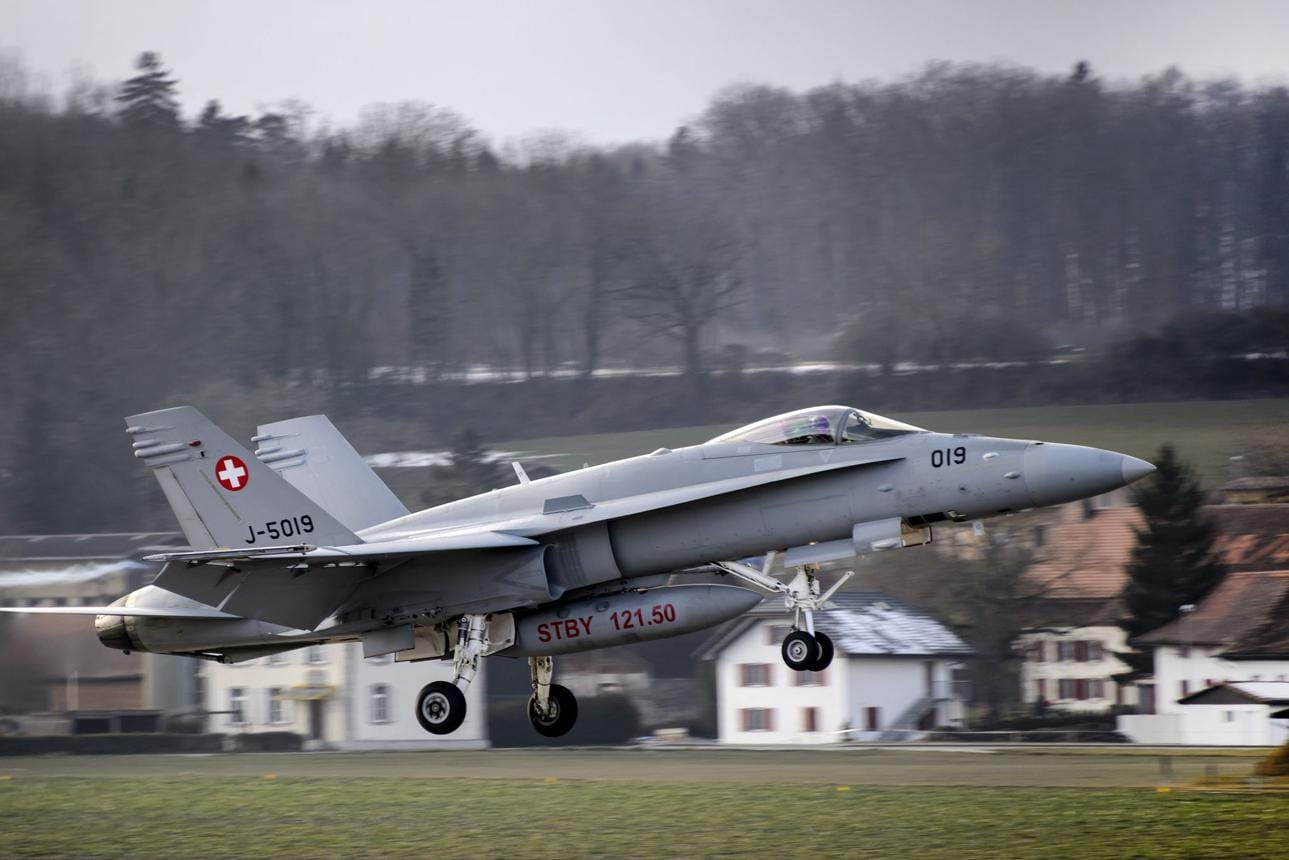
Swiss Air Force Extends Life of F/A-18 Fighter Jets.

The Swiss Air Force has successfully completed a major inspection and refurbishment program for its fleet of F/A-18C/D fighter jets, extending their operational life until the next generation of aircraft enters service.

According to the Federal Armaments Office (Armasuisse), structural inspections and refurbishment work on all 30 F/A-18 fighter jets were completed at the end of April 2026. The upgrades will allow the aircraft to continue operating safely and effectively for several more years.

The extension is designed to bridge the gap until Switzerland’s new F-35A fighter jets are fully introduced into service during the early 2030s. Regular maintenance and periodic inspections will continue to ensure the aircraft remain mission-ready.

The Swiss Parliament approved CHF450 million for the life-extension project as part of the 2017 Armed Forces program. The initiative was carried out through cooperation between Armasuisse, the Swiss Air Force, Ruag, and several industry partners.

The modernization program was implemented in multiple phases. One of the most significant milestones was completed in 2021 with the installation of advanced communication, navigation, and identification systems, improving the aircraft’s operational capabilities.

Originally, the F/A-18 fleet was expected to be retired by 2025. However, delays in the transition to the new F-35A fleet made the extension necessary to maintain Switzerland’s air defense capabilities.

The project ensures that Switzerland can continue to protect its airspace while preparing for the arrival of its future generation of fighter aircraft. The successful completion of the maintenance program represents an important step in maintaining national security and operational readiness during the transition period.

With the upgraded F/A-18 fleet remaining active, the Swiss Air Force will continue to play a vital role in air policing, national defense, and security operations until the F-35A aircraft become fully operational.


Switzerland Expands Domestic Violence Awareness Campaign.

The Swiss government has officially launched the second phase of its national campaign against domestic, sexual, and gender-based violence. The new stage focuses on increasing public awareness of available support services, particularly the nationwide victim support hotline, 142, which has been available 24 hours a day, seven days a week since May 2026.

The campaign is led by Interior Minister Elisabeth Baume-Schneider and builds upon the first phase introduced in late 2025. According to the Federal Office for Gender Equality (FOGE), the objective is to ensure that prevention messages and support resources reach as many people as possible across Switzerland.

A significant expansion of the campaign has been made possible through additional funding approved by Parliament. The initiative is supported by the federal government, cantonal authorities, municipalities, and numerous civil society organizations.

Two important new topics have been added to the campaign. One focuses on children who are exposed to domestic violence within their homes, while the other highlights the growing issue of digital surveillance and online control within abusive relationships. These themes will be promoted through a nationwide poster campaign and informational materials available in 13 languages.

Domestic violence remains a serious concern in Switzerland. Police recorded approximately 22,000 domestic violence-related offences during 2025. Authorities also reported 34 domestic violence-related homicides during the same year. Among those victims, 21 people lost their lives in the context of a current or former intimate relationship, including 19 women and two men.

Swiss authorities hope the expanded campaign will encourage more victims and witnesses to seek help, raise awareness of available support services, and contribute to reducing violence across the country.

Indian Tourist Fined in Switzerland for Traffic Violation.

An Indian tourist has reportedly received a substantial traffic violation fine after visiting Switzerland nearly a year ago, highlighting the strict enforcement of road laws in the country.

According to reports shared on social media, the young woman traveled to Switzerland for tourism and later received a notice alleging that she had violated traffic regulations during her stay. The fine demanded is estimated to be around ₹1.5 lakh in Indian currency.

The incident gained attention after the tourist posted about it online, asking whether others had experienced similar situations. Several users responded, stating that such delayed fines are not uncommon in Switzerland and other European countries, including Germany and Italy.

Some travelers shared similar experiences where they received penalty notices months after returning from their trips abroad. In some cases, fines were significantly lower, while others reported unexpected charges linked to rental vehicles or road violations.

However, many users noted that Switzerland is known for its strict traffic laws and consistent enforcement. Authorities in European countries often track violations through automated systems such as speed cameras, toll systems, and rental car agreements, which can result in delayed notices being sent internationally.

Reports also suggest that such fines are typically non-negotiable once issued. Failure to pay may lead to increased penalties over time or legal complications in future travel within the region. Some users advised that installment payment options may sometimes be available depending on the issuing authority.

The incident serves as a reminder for international travelers to carefully follow local traffic rules when visiting foreign countries, especially in Europe where enforcement systems are highly automated and strictly regulated.

Swiss authorities are known for maintaining strong road safety standards, and penalties are often enforced without exceptions, reinforcing the importance of compliance for all visitors.

Swiss Ski Resort Opens Europe’s Highest Habitable Tower at 3,020 Metres

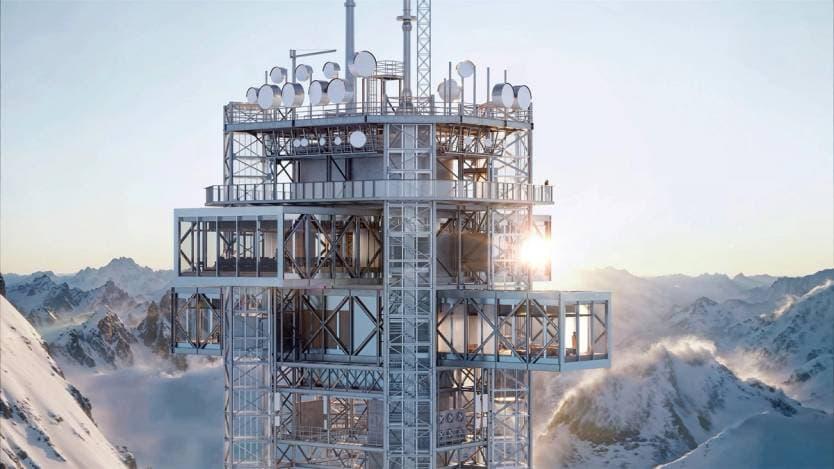
A major new attraction has opened in the Swiss Alps as the Engelberg ski resort in canton Obwalden unveiled the newly transformed Titlis Tower, now recognized as Europe’s highest habitable tower.

Located at an altitude of 3,020 metres above sea level, the tower was officially presented on Friday after three years of construction and redevelopment. The structure, originally built in the 1980s as a telecommunications transmission tower, has been converted into a modern visitor destination overlooking the spectacular Alpine landscape.

New Attraction on Mount Titlis

The Titlis Tower stands near the glacier area and close to the summit of Mount Titlis, one of Switzerland’s most popular mountain destinations. Visitors can access a viewing platform capable of accommodating up to 500 people, offering panoramic views of the surrounding Swiss Alps.

Entry to the observation platform will cost CHF 19.

Restaurant and Luxury Facilities

The tower also features two glass-enclosed luxury containers housing a 125-seat restaurant operated by an award-winning chef. In addition, visitors can explore a boutique luxury watch store and enjoy upgraded facilities including new lifts and stairways.

The CHF 150 million project was designed by renowned Swiss architects Herzog & de Meuron and aims to strengthen the region’s tourism appeal.

Respectful Opening

Officials confirmed that no official inauguration ceremony would be held. The decision was made out of respect for the victim of a fatal ski lift accident that occurred in the Engelberg ski area on March 18.

The attraction is scheduled to open to the public from Monday.

Future Development Plans

The Titlis cable car company has also announced plans to construct a new arrival station by 2029, replacing the existing facility located at the foot of the tower.

The project additionally involved a land exchange of approximately 1,500 square metres between the cantons of Obwalden and Bern, ensuring that the new infrastructure remains entirely within Obwalden territory.

With its record-breaking altitude and luxury visitor experience, the Titlis Tower is expected to become one of Switzerland’s most iconic mountain attractions.

Swiss Research Calls for Strong Action on AI and Digital Transformation Across Society

Swiss researchers are urging policymakers, businesses, and society to work together to manage the rapid rise of digital technologies and artificial intelligence (AI), according to findings from a major national research programme.

Digital Transformation Requires Coordination

The Swiss National Science Foundation (SNSF) emphasizes that Switzerland can only fully benefit from digital transformation if all sectors—government, industry, and society—coordinate their efforts. Without collaboration, both opportunities and risks linked to AI could increase significantly.

Large-Scale National Research Programme

The findings come from the National Research Programme “Digital Transformation” (NRP 77), which was commissioned by the Swiss government. Over five years, researchers completed 46 separate projects with a total budget of CHF 30 million.

Key Finding: Technology Alone Is Not the Deciding Factor

Researchers concluded that the impact of AI and digital tools is not determined by the technology itself, but by how people choose to use it. This highlights the importance of policy, education, and training in shaping outcomes.

Challenges in Education

One of the major findings shows that digital tools are often underused in Swiss schools. The main reasons include a lack of structured implementation strategies and insufficient training for teachers.

Labour Market Skills Gap

The report also warns that companies must invest more consistently in employee digital skills. Without continuous upskilling, workers may struggle to adapt to AI-driven changes in the labour market.

Media and Democracy Concerns

Researchers further stress the importance of maintaining a strong and independent media landscape. They argue that digital transformation can only support democracy if reliable information systems are protected.

Conclusion

The study highlights that AI and digital transformation are not just technological issues but societal challenges. Switzerland is encouraged to strengthen education, workforce training, and media independence to fully benefit from the digital future.

Cannabis and Testosterone: What a New Study Reveals.

A new Swiss study suggests that cannabis use may be linked to higher testosterone levels in young men, challenging earlier assumptions that the substance lowers male hormone levels.

Study Overview

Researchers from the University of Geneva analyzed blood samples from 94 Swiss military recruits aged between 18 and 23. The participants were divided into two groups: 47 cannabis users and 47 non-users.

The findings showed that testosterone levels were approximately 23% higher in the cannabis-using group compared to non-users.

Biological Mechanism

According to researchers, the increase in testosterone appears to originate in the testicles, specifically in the Leydig cells, which are responsible for producing male sex hormones. The adrenal glands, however, showed no significant change in hormone production.

This suggests that cannabis may have a direct biological effect on testosterone production mechanisms in the male reproductive system.

No Direct Link to Fertility

Despite the increase in testosterone levels, researchers caution against interpreting the results as improved fertility. The relationship between testosterone and reproductive health is complex and cannot be measured by hormone levels alone.

Scientists propose that the increase may be a compensatory response to reduced sensitivity in hormone receptors. Another possibility is that individuals with naturally higher testosterone levels may be more likely to engage in risk-taking behaviors, including cannabis use.

Wider Scientific Context

The study aligns with earlier research from Denmark and the United States, which also observed a correlation between cannabis use and increased testosterone levels. However, earlier smaller studies had produced mixed or contradictory findings.

Conclusion

Researchers emphasize that while cannabis appears to influence hormone levels, its long-term effects on fertility and reproductive health remain unclear. Further large-scale studies are needed to understand the full clinical implications.

EU Antibiotic Security at Risk, Warns Sandoz.

Swiss-based pharmaceutical company Sandoz has raised serious concerns over the growing import of low-cost antibiotics from China, warning that it could threaten Europe’s healthcare security and industrial stability.

Complaint Filed to European Commission

Sandoz has submitted a draft complaint to the European Commission targeting imports of penicillin-based antibiotics, particularly the active ingredient used in amoxicillin. The company argues that heavily subsidized Chinese production is distorting global competition.

Concerns Over Market Dependency

According to Sandoz CEO Richard Saynor, up to 90% of global antibiotic active substances are now produced outside Europe, mainly in China. He warned that this creates a critical strategic vulnerability for public health systems and crisis preparedness across Europe.

Pricing and Industry Pressure

Sandoz claims that antibiotics are being systematically undervalued in global markets, with pricing structures failing to reflect their importance in healthcare systems. The company argues that this focus on low-cost supply is weakening long-term production sustainability.

Risk to European Production Capacity

The company is actively trying to maintain Europe’s last remaining major antibiotic production facility in Kundl, Austria, which marks its 80th anniversary this year. Industry leaders warn that without stronger protections, Europe risks losing domestic production capability entirely.

Policy Response in Europe

Some progress has been made through initiatives such as the “Alpbach Communiqué,” which proposes that at least 30% of essential medicine supplies should come from European producers.

The EU’s proposed Critical Medicines Act is also seen as a step forward, although implementation details remain uncertain.

Global Comparison and Policy Debate

Sandoz has pointed to India’s policy model, where minimum import pricing is used to protect domestic pharmaceutical production. The company argues that Europe may need similar measures to secure long-term supply stability.

Conclusion

The dispute highlights growing global tensions over pharmaceutical supply chains, pricing fairness, and strategic independence in essential medicines, particularly antibiotics.

Switzerland Records Fourth Hottest May Since 1864 Amid Severe Dry Conditions

Switzerland is set to record its fourth hottest May since weather records began in 1864, according to the national meteorological service MeteoSwiss. The country is also experiencing unusually dry conditions across many regions.

Temperature Above Average

Meteorological data shows that temperatures in May 2026 have been approximately 1.8°C above the long-term average. The nationwide average daily temperature has reached 10.7°C so far this month.

Early rainfall at the beginning of May was not sufficient to compensate for a significant precipitation deficit that has developed since March.

Severe Rainfall Deficit

Rainfall levels across Switzerland have dropped sharply, with only around 56% of the average precipitation recorded nationally. In some regions, rainfall has fallen to just 40% of normal levels.

Canton Graubünden and the Engadine region have been particularly affected, receiving less than half of their typical rainfall.

Comparison With Historic Droughts

Experts note that current conditions resemble historic drought years such as 1944 and 1976. The ongoing spring season is also expected to rank among the driest since modern records began in 1901.

Government Weather Alert

The Swiss government has issued a Level 2 drought alert, currently affecting the Alps and eastern Plateau regions. Authorities classify this as a mild drought, with no immediate improvement expected in the short term.

Early Heatwave Conditions

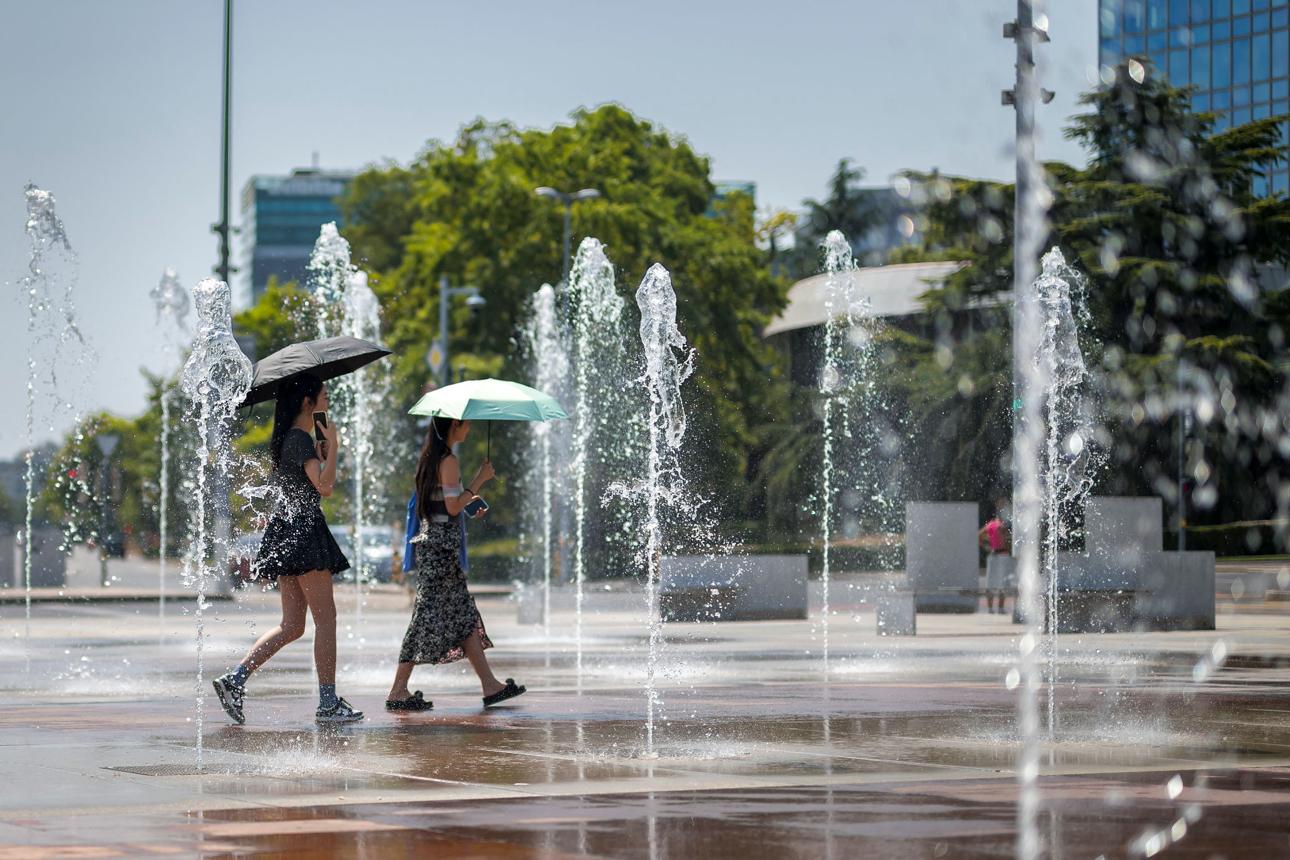
Switzerland has already experienced early heatwave conditions, with temperatures exceeding 30°C in several regions. In Ticino and parts north of the Alps, temperatures have climbed above 34°C.

In Valais, the temperature reached 34.2°C in Sion, marking one of the earliest intense heat events of the season.

Impact on High Altitudes

Even high mountain regions have been affected. The 0°C isotherm rose to 4,328 metres above sea level during Whitsun weekend, making it one of the highest recorded levels for May.

Climate Change Influence

Meteorologists highlight that climate change is influencing seasonal patterns in Switzerland. Heatwaves are occurring earlier, lasting longer, and affecting higher altitudes with increasing intensity.

The Federal Office of Meteorology and Climatology warns that such extreme conditions are becoming more frequent across the Alpine region.

43 Lives Lost in Swiss Rivers and Lakes in 2025: Lifesaving Society Warns on Prevention

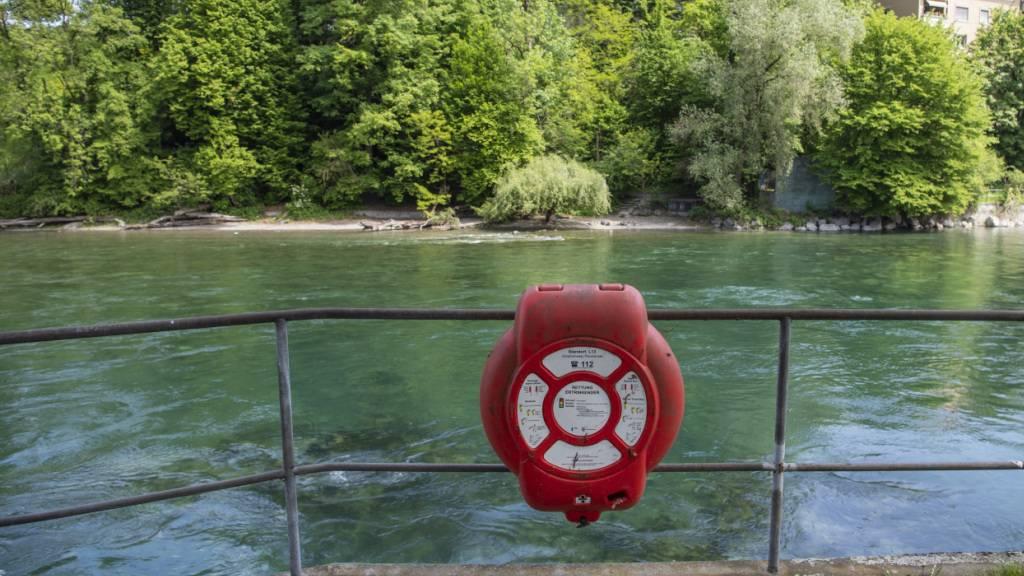
Switzerland recorded 43 drowning deaths in rivers and lakes in 2025, according to the Swiss Lifesaving Society (SSS). Almost all incidents occurred in open water, highlighting ongoing risks in natural swimming areas.

Overall Trend in Drowning Cases

The number of fatal drownings in 2025 marks a decline compared to previous years. There were 59 deaths in 2024 and 66 in 2022, which was recorded as a peak year. For the first time since 2021, fatalities dropped below 50.

Despite the improvement, experts emphasize that water safety remains a serious public concern.

Who Is Most Affected?

Data shows that men account for around 80% of all drowning victims. Two age groups are particularly affected:

  • Young adults (17–32 years): 10 deaths
  • Senior citizens (65+): 17 deaths

Older victims represent about 40% of total fatalities. The SSS explains this may be linked to increased water activity among seniors, combined with health issues and reduced physical capacity.

Children and Accidents

Fatal accidents involving young children remain rare. However, tragic cases still occur, including a two-year-old child who drowned in a private swimming pool and a 14-year-old boy found in a stream.

Where Do Most Incidents Occur?

Most drownings happened in natural waters:

  • Lakes: 23 cases
  • Rivers: 15 cases
  • Other incidents include diving accidents in Lake Thun and during a police operation in the Limmat River

Prevention Still a Major Concern

Although the overall numbers have decreased, the Swiss Lifesaving Society warns that prevention efforts must not be reduced. Authorities stress that vigilance is especially important for children near water.

Experts also highlight a growing concern: distractions such as mobile phone use by adults supervising children near pools or open water.

Conclusion

While Switzerland has seen a decline in drowning deaths, the SSS emphasizes that water safety awareness and prevention campaigns remain essential to avoid further tragedies in rivers, lakes, and swimming areas.

Geneva Authorities Question Security Costs for France-Based G7 Summit

Authorities in Switzerland’s Geneva canton have raised concerns over who should bear the financial burden of security operations linked to an upcoming G7 summit taking place in Évian, France.

Background of the Issue

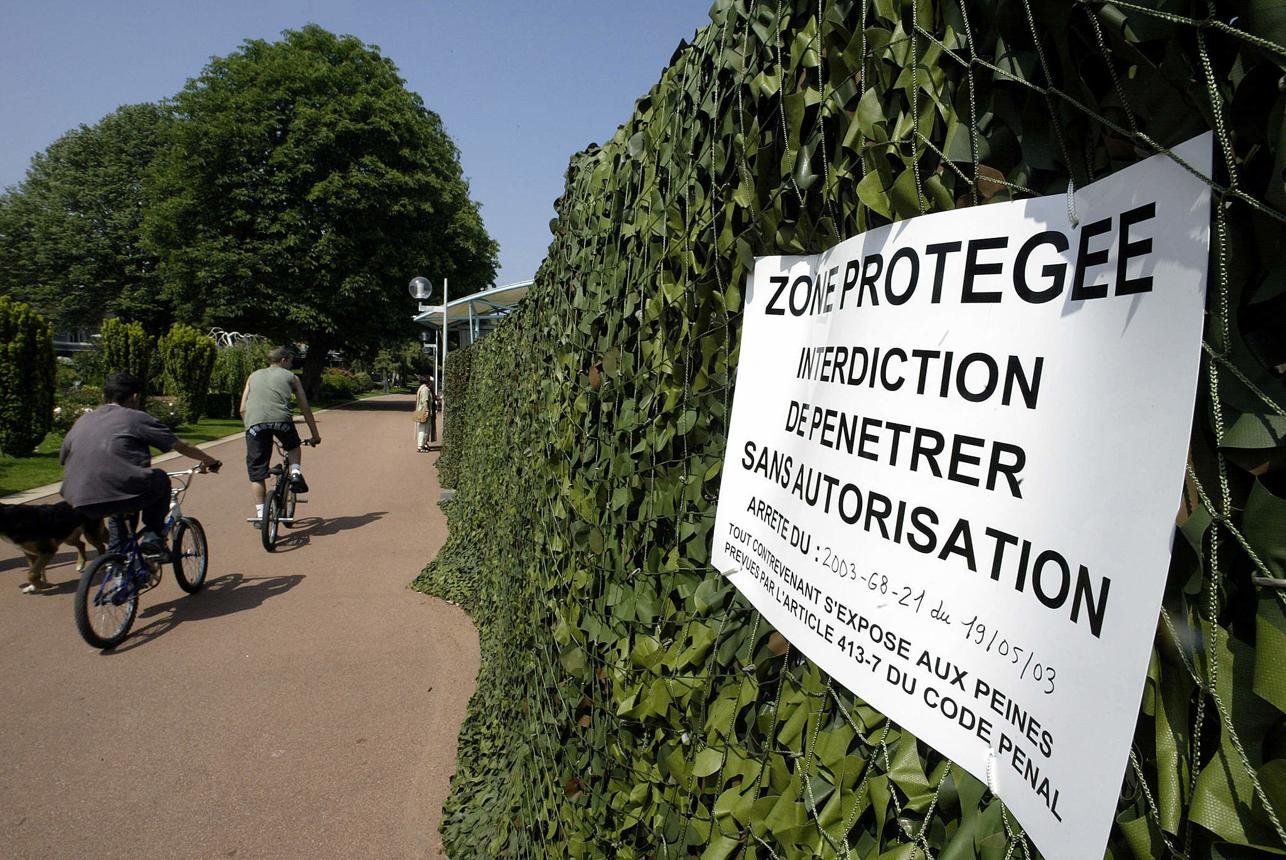
The debate traces back to events surrounding the 2003 G8 summit in Évian, where protests in nearby Geneva escalated into violent riots and looting. The incident left long-lasting concerns about public safety and cross-border security coordination.

Renewed Concerns Ahead of G7 Summit

With another major G7 summit scheduled in Évian next month, Swiss authorities fear that similar protests or unrest could spill over into Geneva. As a result, Geneva police have already begun preparing enhanced security measures.

Financial Responsibility Dispute

Geneva officials argue that Switzerland is being forced to bear significant security costs for an event taking place in France. They have requested that the French government share the expenses due to the cross-border impact of the summit.

However, French authorities have reportedly rejected the request, stating that protests in Switzerland are not directly caused by the summit itself, but are influenced by domestic political developments within Switzerland.

Political Tensions Rising

The disagreement has sparked frustration among some Swiss lawmakers, who question why Swiss taxpayers should fund security for an international event hosted in another country.

At the same time, Geneva authorities fear that the financial burden could become significant if large-scale protests or cross-border incidents occur again during the summit period.

Conclusion

The dispute highlights the challenges of managing security in highly interconnected border regions like Geneva, where international events in neighboring countries can have direct domestic consequences.