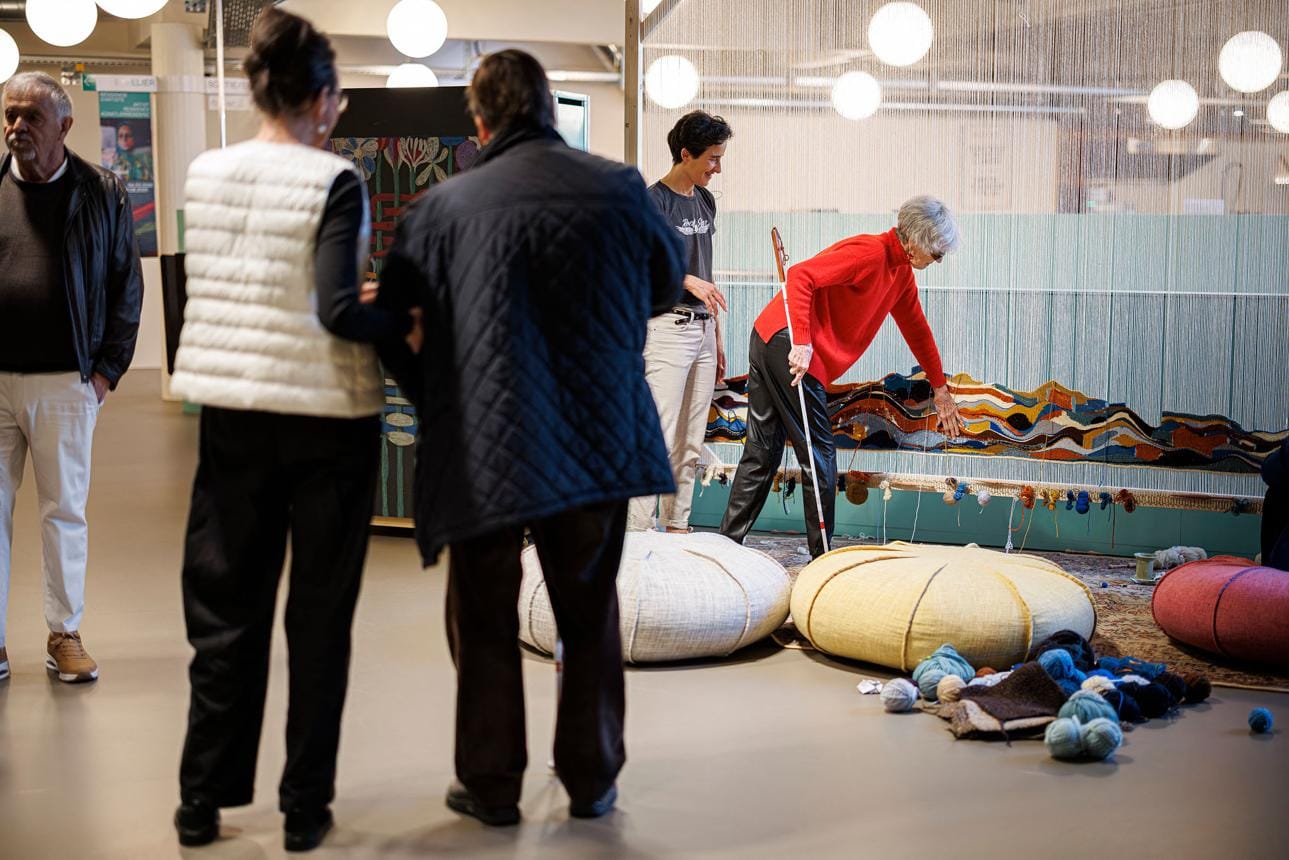
Swiss Cultural Sector Employment Declines in 2025.

The number of people working in Switzerland’s cultural sector declined significantly in 2025, according to new figures published by the Federal Statistical Office.

The report showed that around 282,000 people were employed in cultural professions during the year, representing a decrease of 4.8% compared to 2024. Officials noted that the scale of the decline is similar to the employment drop experienced during the Covid-19 pandemic period between 2019 and 2020.

The decline affected several groups more heavily, particularly male workers, Swiss nationals, and professionals based in French-speaking regions of Switzerland.

The Federal Statistical Office uses a broad definition of the cultural sector. Alongside musicians, performers, and visual artists, the category also includes workers such as graphic designers, museum accountants, and other creative industry professionals.

The report also highlighted concerns about financial well-being among cultural workers. According to survey findings from 2024, people employed in the cultural economy were less satisfied with their income and living conditions compared to the wider Swiss workforce.

More than one quarter of professionals in the cultural sector reported dissatisfaction with their financial situation, while the figure for the general working population was around one fifth.

Experts say the findings underline ongoing challenges facing the arts and creative industries in Switzerland, including economic uncertainty, rising living costs, and unstable income opportunities for freelance and independent workers.

The Federal Statistical Office is expected to release more detailed income-related data for the sector on June 25.


Petition Filed Against Starlink Antennas in Switzerland.

Opponents of the planned Starlink antenna project in Leuk have submitted a petition with 14,550 signatures to Swiss authorities, calling for the cancellation of the project.

The petition was delivered in Bern and addressed to Swiss Defence Minister Martin Pfister. Campaign groups argue that the proposed installation of 40 satellite antennas could create long-term geopolitical and technological dependence.

The organisations behind the petition include Campax and a regional group known as “Protection against satellite radiation in the Leuk region.” Both groups raised concerns over national security, technological sovereignty, and possible environmental and health impacts linked to satellite communication infrastructure.

Critics claim the project could increase Switzerland’s dependence on foreign-controlled technology networks at a time when geopolitical tensions and digital security concerns are growing globally.

The proposed Starlink facility in Valais is part of broader efforts to expand satellite internet infrastructure across Europe. Supporters of such projects often highlight benefits including improved connectivity, faster communications, and advanced technological development for remote regions.

However, local resistance has increased in recent months as residents and activists question the long-term implications of large-scale satellite installations.

Swiss authorities have not yet announced any final decision regarding the future of the project. The petition now adds political pressure to ongoing discussions surrounding technology infrastructure, national independence, and environmental concerns in Switzerland.

Swiss March 8 Vote Campaigns Cost CHF11 Million.

Political campaigns linked to Switzerland’s March 8 national votes cost a total of CHF10.7 million, according to final figures released by the Swiss Federal Audit Office.

The published data revealed that actual campaign spending exceeded the budgets initially announced before the vote by around 22%, reflecting stronger political mobilisation and advertising efforts during the campaign period.

The largest share of spending focused on the SBC initiative concerning Switzerland’s radio and television licence fee. Campaigns related to this proposal alone accounted for approximately CHF7.5 million.

Opponents of the initiative declared spending around CHF5.7 million, while supporters reported approximately CHF1.8 million in campaign costs. The proposal was ultimately rejected by voters.

The SBC initiative aimed to reduce the national radio and television licence fee to CHF200 and eliminate mandatory corporate contributions. Supporters argued the changes would reduce financial pressure on households and businesses, while opponents warned the cuts could weaken public broadcasting services in Switzerland.

Switzerland’s system of direct democracy often involves intensive public campaigns ahead of nationwide votes, with political groups, organisations, and industry associations investing heavily in advertising and outreach efforts.

The latest figures highlight the growing financial scale of political campaigning in Switzerland, particularly for issues related to media, public services, and national policy reforms.

Valais Refinery Chimneys Demolished for Tech Future.

The final two chimneys of the former Tamoil Switzerland refinery in Collombey-Muraz were demolished on Thursday as redevelopment efforts continue to transform the industrial site into a future technology hub.

The massive chimneys, each standing approximately 100 metres high and weighing a combined 4,000 tonnes, collapsed within seconds during the carefully planned demolition. Officials described the structures falling “like a house of cards” after controlled explosives were triggered.

The operation required nearly three months of preparation and around 50 kilograms of explosives. Authorities temporarily closed nearby roads and surrounding areas for safety during the demolition process.

According to Stéphane Trachsler, extensive environmental studies, technical reviews, and risk assessments had been conducted since 2024 to ensure the demolition could proceed safely. Field tests were also carried out in 2025 to monitor possible ground vibrations and environmental impact.

The demolition marks another important step in the transformation of the former refinery site, which authorities and developers hope to convert into a centre for new technologies and innovation in the canton of Valais.

Project leaders also confirmed that rubble and construction materials from the demolished chimneys will be recycled and reused in regional construction projects, supporting sustainability efforts linked to the redevelopment.

The refinery site redevelopment is seen as part of Switzerland’s broader shift toward cleaner industries, technological innovation, and modern infrastructure development.

Swiss Police Probe Another Moretti Property Fire.

Authorities in Switzerland have expanded the investigation linked to the deadly Le Constellation Bar Fire tragedy by examining another property owned by the Moretti couple in the canton of Valais.

According to reports from RTS, prosecutors and cantonal police are now investigating a 2024 fire at the “Le Vieux Chalet” restaurant. The property also belongs to Jessica and Jacques Moretti, who are connected to the ongoing Crans-Montana case.

The “Le Vieux Chalet” restaurant was destroyed by fire on February 29, 2024. At that time, authorities concluded that a technical malfunction was the likely cause of the incident. Prosecutors previously ruled out deliberate or accidental human involvement and closed the case without pursuing criminal charges.

However, following the devastating fire at “Le Constellation” bar on January 1, investigators reopened their interest in the earlier restaurant fire. Valais prosecutors officially assigned a new investigative mandate to the cantonal police on April 29.

The investigation aims to analyse suspicions reportedly raised by the Federal Office of Police, including possible insurance fraud linked to the previous fire incident.

Valais cantonal public prosecutor Beatrice Pilloud confirmed the investigation to media outlets. Meanwhile, lawyer representatives for Jacques Moretti criticised the decision to reopen scrutiny into the earlier case.

The broader Crans-Montana fire tragedy continues to attract major public attention in Switzerland after the disaster claimed dozens of lives and triggered extensive legal and criminal investigations.

Authorities have not announced any formal charges related to the latest inquiry, and investigations remain ongoing.

Swiss Gaza Flotilla Activists Transferred to Turkey After Diplomatic Tensions.

All eight Swiss nationals who took part in an international Gaza aid flotilla have been flown to Turkey, according to the Swiss Federal Department of Foreign Affairs. The transfer took place on Thursday afternoon as diplomatic discussions continued between Switzerland, Israel, and Turkey.

The activists were among participants in a humanitarian mission aimed at delivering aid to Gaza. Following their detention, Switzerland confirmed that it remains in close contact with both Israeli and Turkish authorities regarding their situation and treatment.

The Swiss government has expressed concern over the handling of the activists. Earlier this week, the Swiss Federal Department of Foreign Affairs called in the Israeli ambassador to address issues related to the fundamental rights of those detained during the flotilla operation.

On Thursday, Monika Schmutz Kirgöz, head of the Middle East Division at the FDFA, held talks with the Israeli ambassador. During the meeting, Switzerland reportedly criticised remarks and actions attributed to Israeli Security Minister Itamar Ben-Gvir, highlighting concerns over the treatment of the activists.

The incident has added further tension to already sensitive international relations surrounding the Gaza conflict and humanitarian access to the region.

Switzerland continues to emphasize the importance of respecting international law and ensuring the protection of citizens involved in humanitarian missions abroad.

Swiss Tourism Set for Decline in Summer 2026 Due to Global Conflict Impact.

Swiss tourism is expected to record fewer overnight stays in summer 2026, marking the first decline since the end of the pandemic recovery period. According to a report by BAK Economics, the downturn is mainly linked to reduced demand from long-distance travel markets affected by the ongoing conflict involving Iran War.

The forecast, prepared for the State Secretariat for Economic Affairs (SECO), estimates around 24.9 million overnight stays in the summer season. This represents a decrease of approximately 255,000 stays, or 1% lower compared to the previous year.

Experts say the main pressure comes from declining international travel dem

Airspace restrictions and higher energy prices have made long-distance travel more expensive, reducing visitor numbers from key markets. The report highlights that Asia is the most affected region, with India and Southeast Asia experiencing significant declines due to disrupted air routes via Middle Eastern hubs.

Several Swiss tourism operators have already felt the impact. Companies such as Jungfraubahn Holding AG and Titlis-Bahnen recently issued profit warnings, citing a drop in visitors from Asian markets.

The tourism sector, which plays a crucial role in Switzerland’s economy, is now facing uncertainty as global geopolitical tensions continue to influence travel patterns. Analysts warn that recovery may depend on the stabilization of international travel routes and energy prices.and, particularly from Asia and other long-haul markets. Flight disruptions, rising fuel costs, and increased travel expenses have all contributed to weaker tourism flows into Switzerland.

Swiss Finance Minister Urges Banks to Strengthen Financial Stability.

Swiss Finance Minister Karin Keller-Sutter has called on banks operating in Switzerland to actively contribute to the country’s financial stability amid ongoing global geopolitical tensions and economic uncertainty.

Speaking at a private banking symposium in Bern organised by the Swiss Association of Private Banks and the Association of Swiss Asset Management and Institutional Banks, she stressed that Switzerland’s stability remains one of its most valuable economic assets.

She warned that institutions benefiting from this stability must also take responsibility in maintaining it. According to her remarks, any actions that could weaken the financial system in the future must be carefully managed to protect the wider economy and taxpayers.

The comments come amid ongoing discussions involving UBS Group AG, which has recently expressed concerns about proposed government plans to tighten capital requirements for systemically important banks.

Keller-Sutter acknowledged the importance of large banking institutions to Switzerland’s economy but emphasized the need to limit risks that could ultimately fall on taxpayers. She rejected the idea that the government is obstructing business growth, instead framing regulation as a safeguard for long-term stability.

She also highlighted that Switzerland continues to attract international clients seeking secure financial environments, particularly during periods of global instability. The country’s reputation for safety and trust remains a key driver of its financial sector strength.

Referring to past financial challenges, including the collapse of Credit Suisse, she reminded industry leaders that stability is essential to maintaining confidence in the banking system.

Experts note that Switzerland’s financial sector continues to play a central role in global wealth management, but regulatory debates remain crucial as authorities seek to balance competitiveness with systemic risk protection.

Rents Expected to Rise Again in Switzerland Amid Housing Shortage.

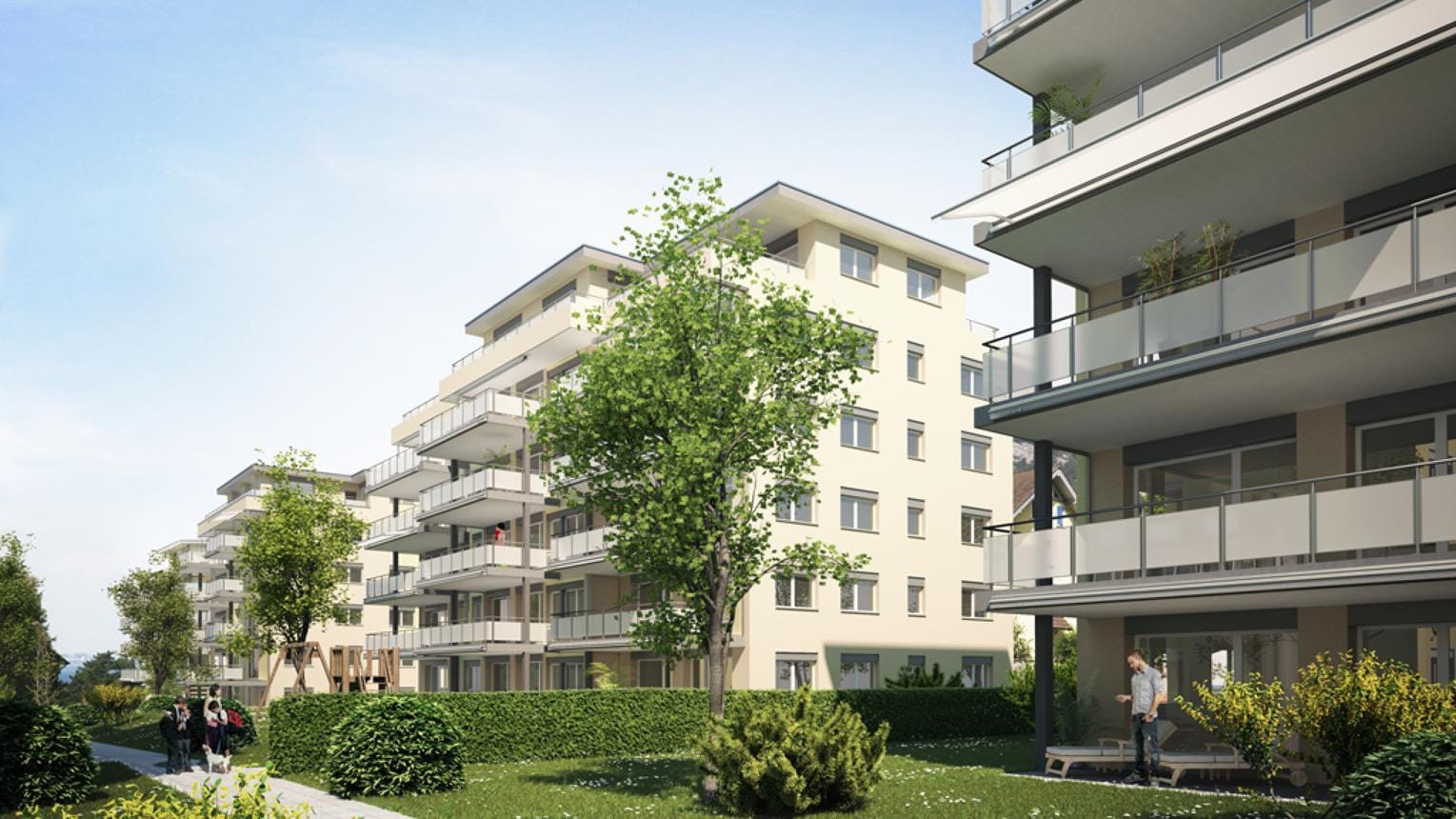
Rents in Switzerland are expected to increase again after a period of slower growth, according to a new study published by Raiffeisen Switzerland. The report suggests that the country’s rental market is entering a new phase of stronger price growth due to ongoing housing shortages and rising costs.

Experts from the bank warn that the temporary stabilisation in rent prices is likely coming to an end. One key reason is that the previous dampening effect from lower interest rates is fading, while new pressures are emerging in the housing sector.

The study highlights that rising energy prices and increased construction costs are also contributing to upward pressure on rents. These cost increases are linked to broader global economic factors, including geopolitical tensions affecting energy markets.

A major concern identified in the report is Switzerland’s extremely low vacancy rate. According to the analysis, demand for rental housing continues to exceed supply, creating strong competition among tenants searching for homes.

Fredy Hasenmaile, chief economist at Raiffeisen Switzerland, stated that the current market conditions point toward significant rent increases. He explained that historically, such low vacancy levels have always led to much stronger rent growth than what has been observed recently.

The report also notes a rise in rental search subscriptions, further confirming sustained excess demand in the Swiss housing market. Experts say this imbalance between supply and demand is likely to keep pushing prices upward in the coming months.

Overall, the outlook suggests that Switzerland’s rental market may experience renewed pressure, affecting both urban and suburban tenants across the country.

Extremely Rare Bat Species Detected in Schaffhausen, Switzerland After Decades

A rare greater horseshoe bat has been detected in the canton of Schaffhausen in eastern Switzerland for the first time in decades, according to wildlife conservation authorities. The discovery has raised optimism among experts working to protect one of the country’s most endangered bat species.

The sighting was confirmed after an automatic wildlife camera captured photographic evidence of the bat a few weeks ago. The image, recorded from a manhole, was reviewed by the Regional Coordination Centre for Bat Conservation in Schaffhausen, which confirmed the presence of the species.

Experts identified the animal as a greater horseshoe bat, a species currently facing a high risk of extinction in Switzerland. Only four known colonies of this bat remain in the country, making every confirmed sighting highly significant for conservation efforts.

According to the conservation centre, the photographed bat was unringed, meaning it did not carry a metal or plastic identification tag. This suggests it may be part of a previously undocumented movement or population in the region.

The discovery is being considered an important signal for biodiversity monitoring in Switzerland. Conservationists hope the finding could indicate that the species may still be more widely distributed than previously believed, or that small hidden populations are surviving in eastern regions.

Wildlife experts are now expected to increase monitoring efforts in the area to better understand the bat’s movement patterns and habitat needs. The finding highlights the importance of long-term ecological surveillance and modern wildlife camera technology in protecting endangered species.