Swiss Industrial Production Falls 6.1% in First Quarter 2026.

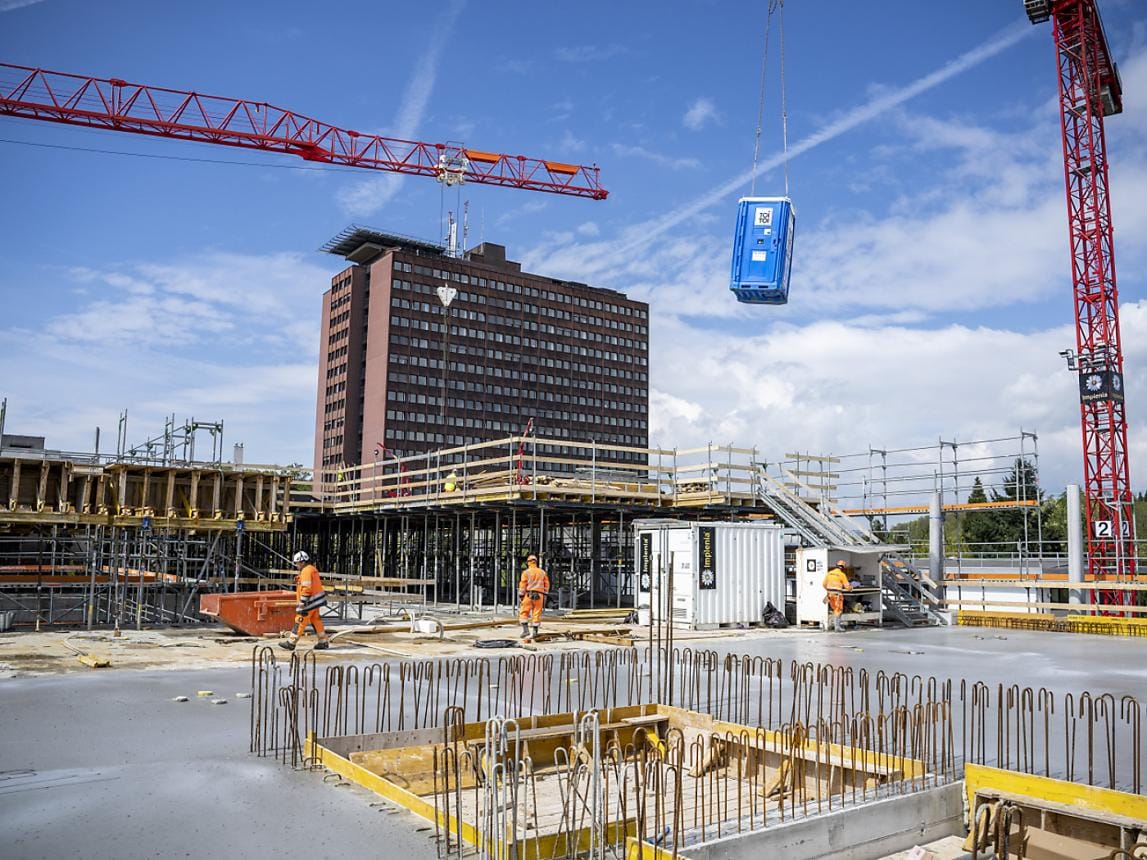
Industrial production in Switzerland’s secondary sector recorded a significant decline in the first quarter of 2026, according to the Federal Statistical Office. Overall production in industry and construction dropped by 6.1% between January and March compared to the same period last year.

Turnover in the sector also declined by 5.8%, reflecting weaker demand and reduced output in several key industries across the Swiss economy. The data highlights continued pressure on Switzerland’s manufacturing base amid global economic uncertainty.

The industrial sector experienced the sharpest downturn, with production falling by 7.1%. The most significant declines were seen in pharmaceutical manufacturing, which dropped by 20.4%, and vehicle construction, which fell by 15.0%.

Despite the overall negative trend, some sectors showed positive performance. Production increased in metal product manufacturing by 8.8%, while data processing equipment and watch production rose by 6.6%, indicating resilience in high-value Swiss industries.

The construction sector performed comparatively better during the same period. Production increased by 0.8%, continuing a modest recovery trend seen in late 2025. Building construction grew by 2.8% and civil engineering by 3.8%, although other construction activities saw a slight decline of 0.6%.

Overall turnover in construction rose by 1.5%, suggesting steady demand in infrastructure and housing projects despite broader economic challenges.

Economists note that while Switzerland continues to maintain stability in certain high-tech and construction segments, the sharp decline in industrial output reflects ongoing global supply chain pressures and weaker international demand.
Crans-Montana Fire Victim Seeks €8.2M Compensation.

A French woman seriously injured in the deadly Crans-Montana Fire Disaster has filed a compensation claim worth €8.2 million (CHF7.5 million) in a Paris court. Her lawyer stated that the claim aims to cover urgent medical expenses and lifelong care costs following the tragic incident.

The victim’s lawyer, Sébastien Fanti, explained that the legal request includes €2 million as an immediate payment for emergency treatment and ongoing support. The remaining amount would help cover medical care, rehabilitation, loss of earnings, and future living expenses for the victim.

According to the lawyer, the woman suffered severe physical injuries during the devastating fire and will require permanent care for the rest of her life. An expert reportedly prepared the preliminary compensation estimate submitted to the court in Paris.

The legal action was filed with the Compensation Commission for Victims of Crime in Paris. It follows a criminal complaint submitted to the Valais public prosecutor’s office on April 1. The complaint includes allegations of negligent arson, negligent grievous bodily harm, and violations of building regulations connected to the disaster.

Lawyer Sébastien Fanti said he currently represents 26 victims and family members affected by the tragedy. He also stated that he believes France could eventually pay compensation to the injured woman and later seek accountability from local Swiss authorities.

The tragic fire disaster took place in Crans-Montana on New Year’s Day. The incident claimed the lives of 41 people and injured 115 others, making it one of the most devastating recent tragedies in Switzerland.

Authorities in the canton of Valais continue investigating the causes of the fire and possible violations of safety regulations. The case has attracted significant public attention across both Switzerland and France due to the scale of the disaster and the ongoing legal proceedings.

Foreign Investment in Switzerland Drops in 2025.

Foreign investment in Switzerland declined significantly in 2025 as global companies slowed expansion plans across Europe. According to a recent report released by EY, the number of foreign investment projects in Switzerland dropped by nearly 24%, falling to only 84 projects during the year.

US companies, which remain the largest foreign investors in Switzerland, also reduced their investment activities. The report showed that investment projects from American firms declined by 7% compared to previous years. Economic uncertainty, geopolitical tensions, and changing global trade policies influenced many companies to delay or reduce expansion plans.

Across Europe, investment activity also weakened. Total foreign investment projects across European countries fell by 7%, reaching the lowest level recorded in the last eleven years. Analysts believe that rising energy costs, inflation pressures, geopolitical instability, and economic concerns continue to affect investor confidence throughout the continent.

Despite the decline, Switzerland continues to maintain its strong reputation as an important business destination in Europe. Experts highlight that the country still offers major advantages such as political stability, legal security, a skilled workforce, advanced infrastructure, and an attractive tax system for international companies.

According to André Bieri from EY, Switzerland still acts as a “gateway to Europe” for many US companies. Businesses continue to value Switzerland for its strategic location and reliable economic environment even during uncertain global conditions.

France and the United Kingdom ranked among the most attractive investment destinations in Europe during 2025, while Germany secured third place. Switzerland ranked 13th overall in Europe for foreign investment projects.

Economic experts warn that ongoing geopolitical developments and support programs introduced in the United States could continue to impact investment activity in Europe, including Switzerland. However, Switzerland’s strong financial system and international business environment may help the country recover investment growth in the coming years.

Swiss Criticize Gaza Flotilla Arrests.

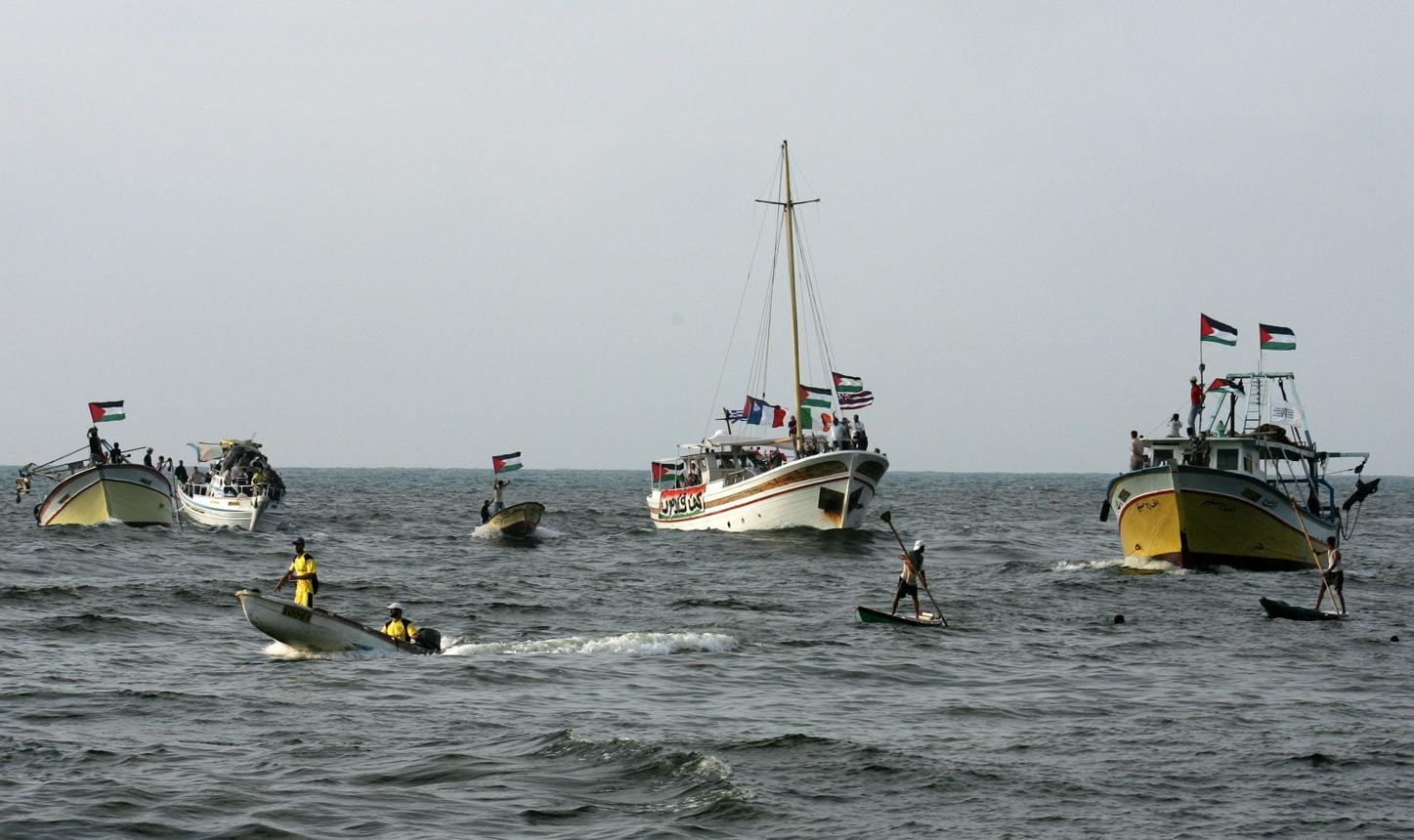
The Swiss government strongly criticized the treatment of activists involved in the Gaza aid flotilla and called on Israel to fully respect international law and fundamental human rights.

In an official statement shared on social media, Switzerland’s Federal Department of Foreign Affairs (FDFA) described the reported treatment of some flotilla participants as “unacceptable.” The government said the actions appeared inconsistent with previous assurances given by Israeli authorities regarding the protection of human rights and international legal standards.

Swiss officials emphasized that all commitments related to humane detention conditions, procedural guarantees, and the right to legal defence must be respected in practice. Bern also stressed the importance of protecting humanitarian principles during sensitive international operations.

The FDFA confirmed that several Swiss nationals were believed to be among the participants in the Gaza aid flotilla. However, authorities stated they had not yet received official confirmation from Israel regarding the exact identities or number of Swiss citizens detained.

The incident has drawn international attention as humanitarian organizations continue to raise concerns about access to Gaza and the safety of aid missions in the region. Switzerland reiterated its support for international law and diplomatic dialogue while monitoring developments closely.

Political observers say the statement highlights Switzerland’s commitment to human rights and neutral diplomacy in global conflicts. The Swiss government continues to seek clarification from Israeli authorities regarding the situation involving Swiss citizens.

The Gaza flotilla issue remains a major topic in international discussions about humanitarian access, regional tensions, and the protection of civilian activists involved in aid operations.

93-Year-Old Chinese Widow Ordered to Leave Switzerland.

A 93-year-old Chinese woman has been ordered to leave Switzerland despite receiving intensive care from her daughter living in the country.

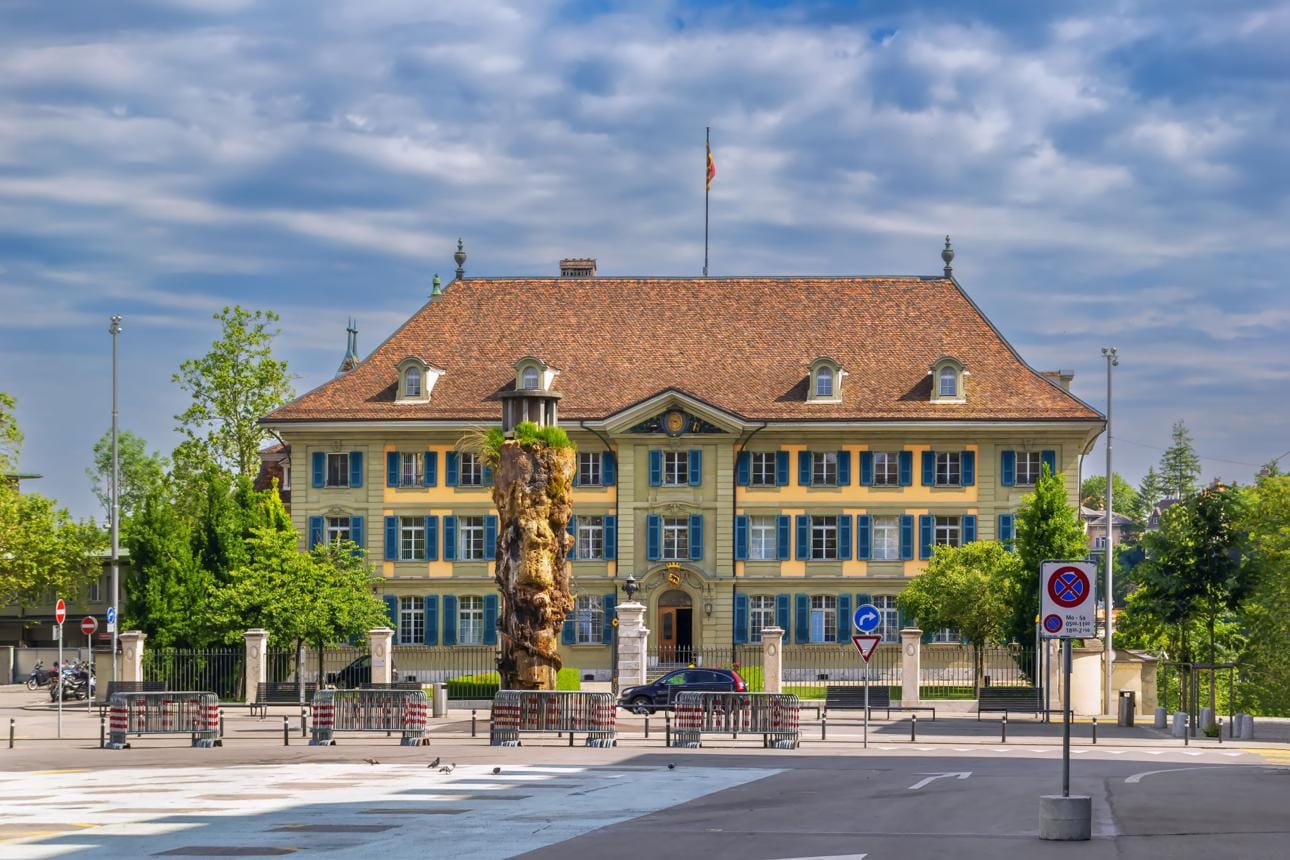
The decision was confirmed by the Bern Administrative Court after authorities ruled that the legal requirements for residency based on family dependency had not been sufficiently proven.

The elderly woman’s daughter, who holds a Swiss passport, lives with her family in the Bern region. In 2018, she travelled to China to care for her seriously ill father.

Following his death, she brought her mother to Switzerland in late 2021 on a visa and later applied for a residence permit on humanitarian and family grounds.

According to the appeal documents, the 93-year-old widow suffers from mild dementia and several age-related health conditions.

Her legal representatives argued that she was emotionally and psychologically dependent on her daughter for daily support and care.

However, the Bern Administrative Court ruled that Swiss immigration law requires proof of an “indispensable dependency” to justify a right to remain in the country for family reasons.

The judges concluded that this level of dependency had not been clearly established in the case.

The court also stated that medical diagnoses such as mild dementia do not automatically guarantee residency rights in Switzerland. Judges further argued that appropriate care could still be arranged in the woman’s hometown of Nanjing in China.

Additionally, the court found that the woman lacked sufficiently strong ties to Switzerland to qualify for a pensioner residence permit.

Authorities also rejected claims of humanitarian hardship, stating that there was insufficient evidence proving that returning to China would result in a premature death.

The woman has been ordered to leave Switzerland before June 17, 2026. However, the case may still be appealed to the Swiss Federal Court, leaving a final legal decision pending.

The ruling has sparked discussion among immigration observers and human rights advocates regarding elderly care, family reunification policies, and humanitarian considerations within the Swiss legal system.

Sri Lanka Mobile Embassy Service Successfully Held in Zurich, Switzerland

A mobile consular service organized by the Sri Lankan diplomatic mission in Zurich was successfully conducted on May 09 and 10, 2026, in collaboration with local Sri Lankan associations and community groups.

The initiative was coordinated by the Permanent Mission of Sri Lanka in Geneva to improve accessibility for Sri Lankans living in Switzerland. The service was designed to allow citizens to access essential embassy services without traveling long distances, ensuring greater convenience for the diaspora community.

The event was inaugurated by Sri Lanka’s Permanent Representative to the United Nations in Geneva, Ambassador Sumith Dassanayake. He stated that, under the guidance of Foreign Minister Vijitha Herath, similar mobile consular services will be expanded across Switzerland in the future, including cities such as Bern, Aargau, and Solothurn. The Zurich program marks the beginning of this broader initiative.

During the two-day service, the diplomatic team provided several important consular services. These included accepting passport applications, issuing birth registrations, providing e-BMD certified birth, marriage, and death certificates, processing dual citizenship applications, and certifying civil status documents and affidavits.

Alongside the consular work, the Ambassador also held discussions with key Sri Lankan community organizations in Switzerland, including the Swiss Sri Lanka Association and the Dharma Union (Hindu-Buddhist organization). These discussions focused on strengthening cooperation and improving services for the Sri Lankan community.

He also visited the Sri Bodhirajaramaya Buddhist Temple in Lenzburg and the Sri Sivasubramaniar Temple in Adliswil, where he engaged with community members and religious leaders to understand their concerns and needs.

This mobile embassy service is considered an important step toward improving diplomatic accessibility and delivering efficient public services to Sri Lankans living abroad.

Switzerland Banking Safety: Which Bank is Best for Savings?

Choosing a safe and reliable bank for savings in Switzerland is an important financial decision, especially for residents and expats looking for long-term security. Swiss banking is globally known for stability, strong regulation, and high trust levels, but some banks are considered safer and more practical for savings than others.

Among all banking options, Cantonal Banks are widely regarded as the most secure choice. These banks are backed by the individual cantons (regional governments), which adds an extra layer of financial protection beyond the standard Swiss deposit insurance system. In Switzerland, deposits are generally protected up to CHF 100,000 under the esisuisse guarantee scheme.

One of the strongest examples is the Zürcher Kantonalbank. It is considered one of the safest banks in the country because it has full backing from the Zurich canton government. This strong government guarantee, combined with high financial ratings, makes it a preferred option for conservative savers.

Another popular choice is Raiffeisen Switzerland. It is known for its community-based banking model and stable operations across the country. Many users choose Raiffeisen for its balance between safety and competitive savings interest rates.

The global banking giant UBS is also widely used in Switzerland. While it offers strong international services and wealth management solutions, its deposit protection follows the standard Swiss system without additional cantonal guarantees.

Additionally, PostFinance is considered a conservative option with government-linked trust perception, making it a popular choice for everyday savings and transactions.

Financial experts in Switzerland often recommend diversifying savings across multiple banks if deposits exceed CHF 100,000. This is because spreading funds reduces risk exposure and ensures full protection under Swiss deposit insurance rules. A common strategy includes splitting funds between Zürcher Kantonalbank, Raiffeisen, and investment platforms.

For residents in Zurich, Zürcher Kantonalbank is often seen as the most practical and secure choice due to its strong government backing, lower fees, and stable reputation in the Swiss financial system.

Swiss Immigration Vote Sparks Nationwide Debate Ahead of Referendum

A major political debate is gaining momentum in Switzerland as the country prepares for a crucial national referendum on immigration. The proposal, widely known as “No to 10 Million Switzerland,” aims to limit the country’s population growth by introducing stricter immigration controls. The referendum is scheduled to take place on June 14 and has already attracted nationwide attention unlike any recent public vote in the country.

The proposal was introduced by the Swiss People’s Party, a political group known for its strong stance against large-scale immigration. Supporters of the initiative argue that rapid population growth is increasing pressure on housing, transportation, healthcare, and public infrastructure across Switzerland. They believe tighter immigration policies are necessary to protect the country’s long-term stability and quality of life.

However, strong opposition to the proposal is also growing across the country. Business leaders, economists, and several political groups warn that reducing immigration could create serious labor shortages in key sectors. Industries including healthcare, construction, hospitality, and technology heavily depend on foreign workers to maintain daily operations and economic growth.

Critics of the proposal argue that immigration plays a vital role in strengthening the Swiss economy. They say limiting the number of immigrants could slow economic development, reduce workforce availability, and negatively impact Switzerland’s international competitiveness. Many experts also point out that skilled migrants contribute significantly to innovation, productivity, and tax revenue.

As the referendum date approaches, both supporters and opponents are spending heavily on nationwide campaigns to influence voters. Political advertisements, public debates, social media campaigns, and television discussions have intensified in recent weeks, turning the immigration referendum into one of the most talked-about political issues in Switzerland this year.

The outcome of the vote could shape the future of immigration policy in Switzerland and influence debates across Europe. With public opinion sharply divided, the referendum is expected to become a defining political moment for the country.

Bern Police Launch ‘Super-Recogniser’ Pilot Project to Identify Criminals.

Bern Cantonal Police is launching a pilot project that uses officers with exceptional face-recognition abilities, known as “super-recognisers,” to support criminal investigations.

The initiative follows internal testing within the police force, where around 30 officers were identified as having above-average facial recognition skills. According to a police spokesperson, roughly 10% of participants in the screening demonstrated these enhanced abilities.

Super-recognisers have the rare capacity to accurately remember and identify faces even after brief or indirect encounters. Authorities say this capability can significantly assist in locating violent offenders and improving public safety operations.

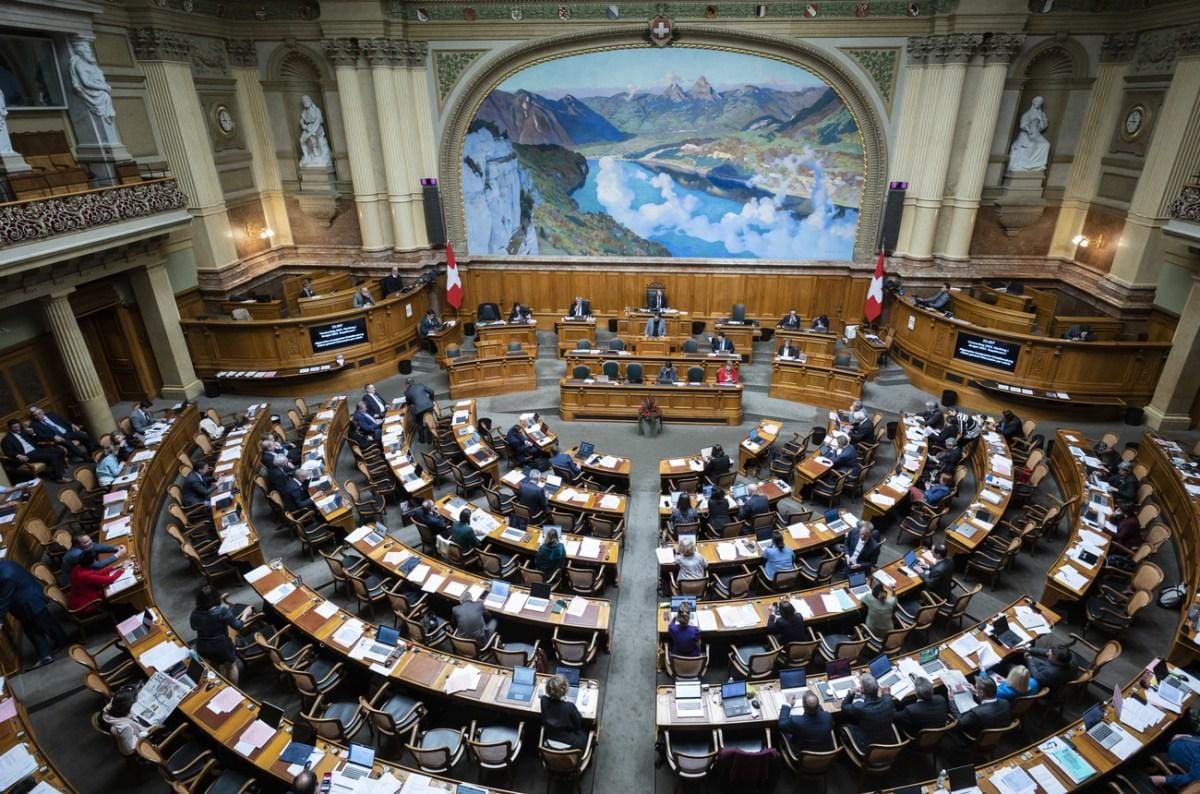
The project development was already underway when the Canton of Bern parliament approved a motion from the Centre Party in March calling for the use of super-recognisers to strengthen policing capabilities.

Officials noted that recent public order challenges, including escalated demonstrations in the canton last October, contributed to political support for the initiative.

The Bern Cantonal Police confirmed that detailed planning for the pilot is now complete and implementation is scheduled for the summer. Officers selected for the program will be deployed to support investigations where facial identification is critical.

The pilot reflects a broader trend in European policing strategies that combine human cognitive skills with modern investigative methods to improve identification accuracy and response times.

Authorities will evaluate the effectiveness of the program after its initial rollout before deciding whether to expand it across the canton.

Italian Ambassador Defends Diplomacy During Crans-Montana Fire Dispute.

The Italian ambassador to Bern has defended his diplomatic approach after criticism from Swiss Foreign Minister Ignazio Cassis during tensions linked to the deadly Crans-Montana fire tragedy.

Italian ambassador Gian Lorenzo Cornado stated in an interview with the newspaper Neue Zürcher Zeitung that he openly expresses his views as part of his diplomatic style.

“I speak my mind, that’s my style,” Cornado said while responding to criticism surrounding the handling of the bilateral dispute.

The diplomatic disagreement emerged following a fatal New Year’s Eve fire in Crans-Montana that reportedly killed 41 people and injured more than 100 others, including several Italian citizens.

Tensions increased after Italian authorities objected to Swiss hospital invoices being sent to Italian victims and their families following the disaster.

According to Cornado, he acted in line with the expectations of the Italian government and Prime Minister Giorgia Meloni, who requested special attention to the hospital billing issue.

Earlier, Ignazio Cassis criticized the ambassador during an interview with Ticinonews, saying the prolonged public discussions had worsened the situation instead of helping calm relations between the two countries.

Meanwhile, Guy Parmelin assured that similar problems would not happen again and confirmed that Swiss authorities are reviewing legal procedures related to cross-border medical billing.

Cornado later indicated that both sides are now close to reaching a solution and described ongoing discussions as positive.

The incident has drawn wider attention to diplomatic coordination, emergency response procedures, and international healthcare cost management following cross-border tragedies in Europe.