Six in Ten Swiss Companies Now Use AI, UBS Study Finds

A new study by UBS shows that around six out of ten companies in Switzerland are now using artificial intelligence, highlighting rapid but uneven adoption across the business sector.

Economist Alessandro Bee noted that while AI is widely used, most companies are not yet applying it in a structured or systematic way. The study found that smaller firms mainly use AI for data analysis, while larger corporations focus more on automating business processes.

Overall, Swiss companies view AI more as an opportunity than a risk. Many businesses expect the technology to significantly improve productivity and efficiency in the coming years.

However, concerns remain. Companies highlighted data protection, cybersecurity risks, and the possibility of incorrect decisions caused by flawed algorithms or poor-quality data as key challenges.

The survey also found that just over half of the companies plan to expand their use of AI or adopt it for the first time within the next five years. At the same time, nearly one-third of businesses currently do not use AI and have no plans to implement it in the near future.

UBS economist Pascal Zumbühl emphasized that AI adoption in Switzerland is growing, but not uniformly, with a clear divide between early adopters and companies still hesitant about the technology.

The findings suggest that AI will play an increasingly important role in Switzerland’s economic future, but its integration will depend on how businesses address trust, regulation, and implementation challenges.

Android Show 2026: Android 17, Gemini & Googlebook Launch

Google has unveiled a major wave of updates during The Android Show 2026 — I/O Edition, introducing the next generation of Android, new AI capabilities, and a surprise platform expansion.

The highlight of the event was the introduction of Android 17, the latest version of the Android ecosystem. Google showcased improved performance, deeper AI integration, and smarter system-level automation designed to enhance user experience across mobile devices.

A major focus of the announcement was Gemini Intelligence, an advanced AI system built to bring more context-aware assistance across Android devices. The system is designed to integrate deeply into apps, system settings, and daily workflows, making AI interactions more natural and useful for users.

One of the biggest surprises of the event was the reveal of Googlebook, a new hybrid platform that combines elements of Android and ChromeOS. This new ecosystem is designed for future laptops and aims to unify mobile and desktop experiences under a single Google-driven system.

According to early details shared during the presentation, Googlebook will support a wide range of applications while offering seamless synchronization with Android devices and cloud services.

The Android team also highlighted improvements in security, battery optimization, and cross-device connectivity, suggesting a stronger push toward an AI-first ecosystem.

Industry observers say these announcements mark one of the most significant shifts in Google’s software strategy in recent years, as the company moves toward tighter integration between operating systems and artificial intelligence.

With Android 17 and Gemini Intelligence, Google appears to be positioning its ecosystem as a central hub for AI-powered computing across smartphones, tablets, and laptops.

AI Data Centres May Strain Switzerland’s Water Supply

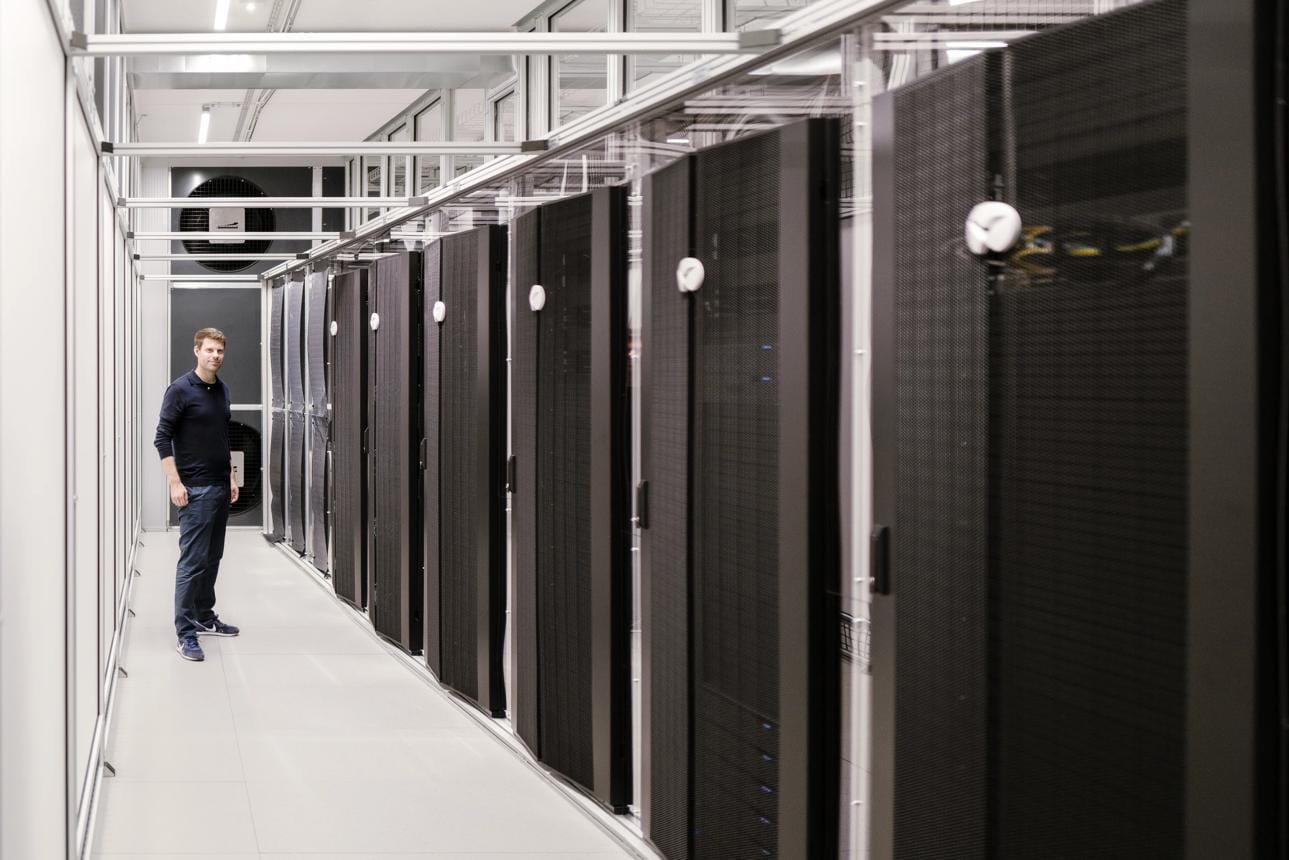
The rapid expansion of artificial intelligence infrastructure is raising concerns about water and energy consumption in Switzerland. Experts warn that the growing number of AI-powered data centres could place increasing pressure on the country’s natural resources, especially water supplies used for cooling systems.

Switzerland currently hosts around 120 data centres, with approximately 20 additional facilities under construction. This gives the country one of the highest concentrations of data centres per capita in the world. The rise of artificial intelligence technologies is accelerating this growth as companies invest heavily in advanced computing infrastructure.

AI servers require significantly more processing power than traditional systems. As a result, they generate higher levels of heat and require intensive cooling methods to maintain safe operating temperatures. Many of these cooling systems depend heavily on water.

According to David Atienza Alonso, a professor at EPFL and an expert in AI computing systems, increasing AI adoption will continue driving demand for larger and more powerful data centres.

He explained that countries are also expanding domestic data infrastructure due to geopolitical tensions and concerns about digital sovereignty. Governments and companies increasingly want sensitive data to remain within national borders, leading to greater investment in local storage and computing facilities.

While Switzerland is often called the “water tower of Europe” because of its lakes, rivers, and glaciers, experts warn that resource availability should not be taken for granted. If AI infrastructure growth continues without long-term planning, some regions could eventually face challenges in supplying enough electricity and water.

Global estimates from the International Energy Agency suggest that data centres currently consume around 560 billion litres of water annually worldwide. This figure could rise to 1.2 trillion litres by 2030 as AI usage expands rapidly across industries.

Most of this water is used for cooling servers and generating electricity required to power data centre operations. Environmental experts say the issue remains largely invisible to the public despite its growing importance in the digital economy.

Researchers and policymakers are now calling for sustainable infrastructure planning, improved cooling technologies, and better resource management to ensure that Switzerland can support technological growth without placing excessive strain on natural resources.

iPhone 18 Series Price Leak: Apple May Keep Pro Prices Stable

The upcoming flagship lineup from Apple Inc., the iPhone 18 series, is expected to launch around September 2026, and early leaks suggest that Apple may follow a stable pricing strategy for its premium models.

According to industry reports, Apple could maintain the price of its high-end models despite increasing competition in the premium smartphone market. The iPhone 18 Pro Max is expected to follow a similar pricing strategy seen in rival flagship devices from Samsung, particularly the Galaxy S26 series.

Initial estimates suggest that the iPhone 18 Pro may start at around $1,099, while the iPhone 18 Pro Max could be priced at approximately $1,199 in global markets. This indicates that Apple may avoid significant price hikes for its top-tier models.

Experts believe this strategy is aimed at strengthening Apple’s dominance in the premium smartphone segment while responding to increasing demand for advanced features such as improved photography, AI-powered performance, and long-term device durability.

Interestingly, Samsung has also reportedly followed a mixed pricing strategy in its Galaxy S26 lineup, keeping the Ultra model price stable while slightly increasing the prices of base and Plus variants in select markets.

If these reports are accurate, both Apple and Samsung appear to be focusing on balancing profitability with customer retention in a highly competitive flagship smartphone market.

Mythos AI: World’s Ultimate Cyber Defender or a Super Hacker in Disguise?

A new advanced AI system reportedly called Mythos AI has sparked global debate in the cybersecurity world. Developed under Anthropic, the model is described as a “frontier AI system” capable of independently analyzing software code, detecting vulnerabilities, and generating security insights at a scale far beyond human capability.

Unlike traditional chatbots, Mythos AI is designed to operate autonomously. Once given a task, it can plan, analyze, and execute complex cybersecurity assessments without continuous human guidance. This makes it a powerful tool for identifying weaknesses in modern software systems.

According to reports, Mythos AI demonstrated extraordinary capability by discovering a long-hidden vulnerability in OpenBSD, a system widely considered one of the most secure operating systems in the world. The flaw had reportedly remained undetected for over 27 years, even after repeated manual audits by security experts.

Beyond this discovery, the AI system is also said to have identified thousands of vulnerabilities across major web browsers such as Google Chrome, Mozilla Firefox, Microsoft Edge, and Safari. Some of these include deep system-level flaws that could potentially allow attackers to gain elevated access within operating systems.

The development has raised two major perspectives in the cybersecurity community. On one side, experts see Mythos AI as a breakthrough digital guardian that could revolutionize how software security is maintained. It could significantly reduce the time required to detect vulnerabilities and improve global cyber defense systems.

On the other side, concerns are being raised about the dual-use nature of such technology. A system capable of identifying vulnerabilities at this scale could also be misused if it falls into the wrong hands, effectively turning a defensive tool into a highly advanced hacking engine.

While the technology is still under observation and not fully deployed in public systems, the emergence of Mythos AI highlights a growing trend: artificial intelligence is rapidly becoming a central force in cybersecurity—both as a protector and a potential threat.

Europe’s AI Defence Revolution Gains Momentum

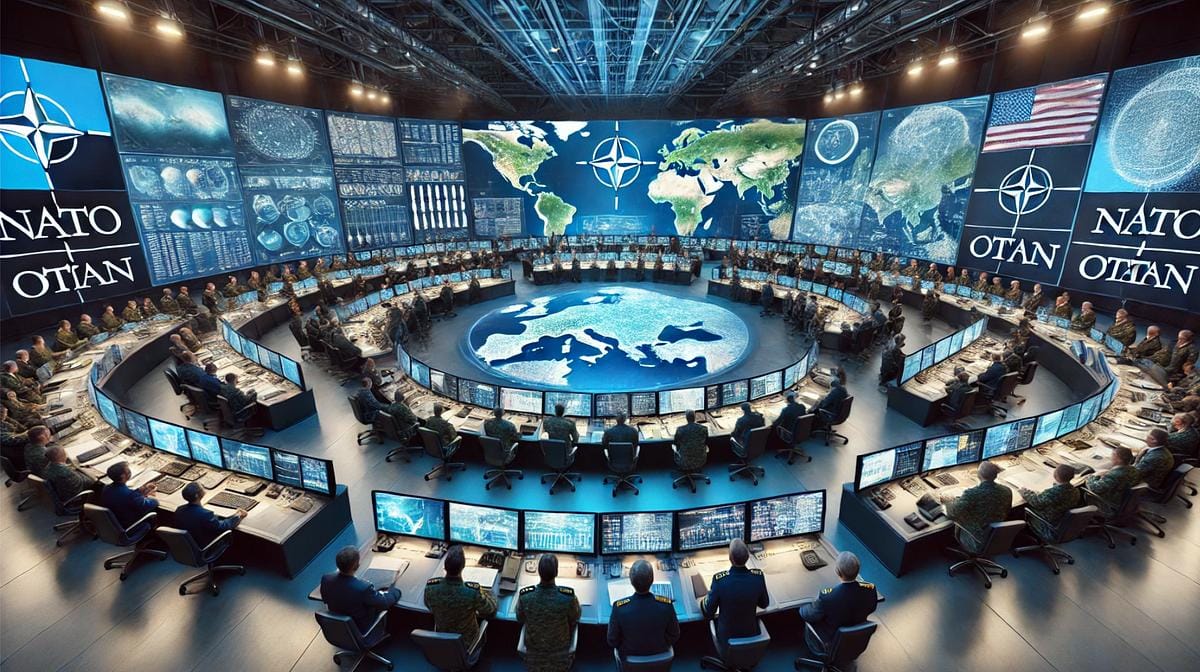
European defence forces are rapidly accelerating the integration of artificial intelligence into military systems, marking a major shift from experimental use to operational deployment across the continent.

According to defence analysts speaking to Euronews, countries including Germany, France, Ukraine, and the United Kingdom are leading Europe’s push to integrate AI into modern warfare systems.

One of the most significant recent developments is the “Brave Germany” programme, launched by Germany and Ukraine, which aims to deploy approximately 5,000 joint AI-enabled medium-range strike drones. The initiative reflects growing collaboration between European states on advanced defence technologies.

Experts say Europe’s militaries have already used artificial intelligence for years in logistics, human resources, and equipment maintenance. However, recent developments show a shift toward integrating AI into core operational and tactical decision-making systems.

Stockholm International Peace Research Institute (SIPRI) researcher Laura Bruun explains that early military AI adoption began around 2015, when the technology became advanced enough to significantly improve operational efficiency.

She notes that even basic AI systems can optimise battlefield logistics and route planning, similar to navigation tools used in everyday applications.

Current AI defence investment in Europe is largely focused on two key areas: semi-autonomous weapon systems and AI-driven decision-support systems that assist commanders in real time.

Analysts say the rapid expansion of military AI raises strategic, ethical, and security questions as countries balance innovation with regulation and international law.

As AI integration deepens, Europe’s defence landscape is expected to continue evolving, with increased collaboration, competition, and investment shaping the next phase of military modernization.

Google Introduces “Googlebook” AI-Powered Laptop with Gemini Intelligence

Google has announced a new generation of AI-powered laptops called Googlebook, marking a major evolution beyond the Chromebook lineup. The devices are built using Gemini Intelligence and integrate both Android and ChromeOS technologies into a single unified ecosystem.

The new Googlebook laptops are designed to provide advanced artificial intelligence assistance for everyday computing tasks. A key feature called Magic Pointer allows users to interact more intelligently with content. For example, clicking a date inside an email automatically creates a calendar event, while selecting images enables instant visual organization and display.

Googlebook also introduces a feature called Create Your Widget, which allows users to build personalized dashboards by combining apps such as Gmail, Calendar, and other Google services. This enables users to manage travel plans, family events, hotel bookings, countdowns, and more from a single interface.

The devices operate fully within the Android ecosystem, allowing seamless integration between mobile phones and laptops. Users can access mobile applications directly from the laptop, such as ordering food or completing learning apps like Duolingo without switching devices.

Another feature, Quick Access, enables users to view and manage mobile files directly within the laptop’s file system, improving cross-device productivity.

AI Triggers 96,000 Tech Layoffs in 2026.

The rapid expansion of Artificial Intelligence is transforming the global technology industry, with nearly 96,000 employees reportedly losing their jobs in 2026 alone.

Technology companies across the world are increasingly replacing traditional workforce structures with AI-powered systems to improve efficiency, reduce operational costs, and automate tasks previously handled by humans.

Industry reports indicate that many startup IT firms can now perform work previously managed by 250 employees using only around 50 staff members supported by advanced AI tools.

Major technology companies have also accelerated restructuring efforts as artificial intelligence becomes more deeply integrated into business operations.

Meta recently announced plans to reduce approximately 10% of its workforce, affecting nearly 8,000 employees.

The company reportedly confirmed that the layoffs would begin from May 20 and stated that it currently has no plans to refill around 6,000 vacant positions.

Meanwhile, Amazon has reportedly cut nearly 30,000 jobs since October as part of broader operational restructuring and automation strategies.

Experts say companies are increasingly relying on AI systems for coding, customer support, data analysis, marketing automation, and content generation.

The growing adoption of AI technologies has sparked debate across the global workforce, with many professionals expressing concern about job security and the future of traditional employment.

At the same time, technology leaders argue that AI will also create new opportunities in fields such as machine learning, cybersecurity, robotics, and AI system management.

Economists believe the global labour market is entering a major transition period where companies will prioritize digital automation and AI-driven productivity.

As competition intensifies in the tech industry, businesses are expected to continue investing heavily in artificial intelligence to remain competitive in the rapidly evolving digital economy.

Swiss Media Industry Adopts AI Code of Conduct.

The Switzerland media industry has officially adopted a new code of conduct for the responsible use of artificial intelligence in journalism and publishing.

The initiative aims to strengthen public trust in AI technologies while ensuring ethical standards remain central to modern media practices.

According to industry representatives, the framework is based on principles outlined in a Council of Europe convention and is designed to guide media companies in using AI responsibly and transparently.

Andrea Masüger, President of the German-language publishers’ association Schweizer Medien, emphasized the importance of public confidence in journalism.

“Trust is the media’s most precious asset,” Masüger stated while discussing the need for clear ethical standards around AI-generated content and automated technologies.

The new guidelines are expected to address issues such as transparency, accountability, editorial oversight, misinformation risks, and the protection of journalistic integrity.

Media organizations across Europe are increasingly introducing AI policies as artificial intelligence tools become more common in news production, content generation, translation, and audience engagement.

Swiss publishers hope the new code will encourage responsible innovation while maintaining high standards of accuracy, independence, and credibility in the digital media landscape.

The move reflects growing international concern about the impact of AI on journalism, democracy, and public trust in information.

Splash Singapore Set to Debut After Successful Geneva Dry Forum.

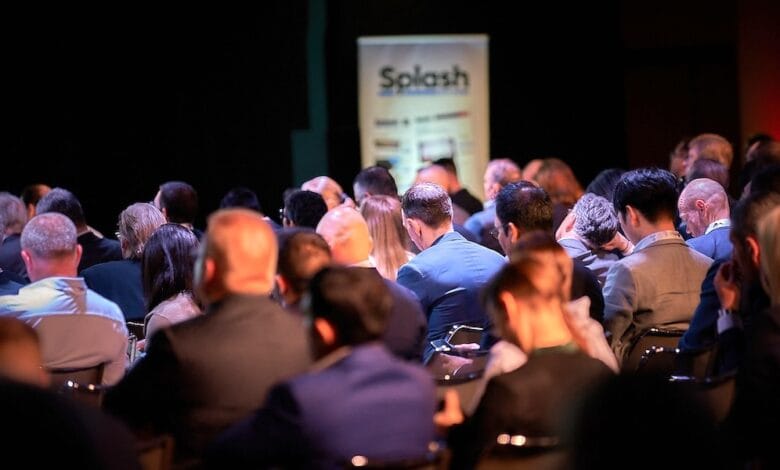
After the strong success of Geneva Dry Forum 2026, organisers are preparing to launch a new global shipping conference called Splash Singapore, scheduled for September 24 at the Fairmont Hotel in Singapore.

The event is organised by the team behind maritime news platform Splash and the Geneva Dry forum. It aims to bring senior global shipping leaders together for direct, unscripted discussions on key industry challenges.

A New Style of Maritime Conference

Splash Singapore will follow a unique format with no presentations or sales pitches. Instead, it will focus on open conversations among top industry professionals. The event is supported by the Singapore Maritime Foundation and will feature shipowners, ship managers, and charterers from around the world.

Key Industry Topics

The conference will include several major sessions such as:

  • Global shipping market challenges
  • Tanker and dry bulk sector outlook
  • Future of ship chartering
  • AI and digitalisation in maritime industry
  • Workforce transformation in shipping

A special highlight will be the new “SplashTech Digital Leaders Forum,” focusing on how digital tools and AI are reshaping global shipping operations.

Focus on AI and Maritime Innovation

One of the most anticipated sessions will explore how artificial intelligence and digital systems are transforming shipping efficiency, decision-making, and workforce roles. Industry leaders are expected to debate both the benefits and challenges of rapid digitalisation in maritime operations.

Global Industry Leaders Confirmed

The event will feature CEOs and senior executives from major shipping companies, including leaders from Performance Shipping, Norden, Hafnia, BW Group, Vale, and other global maritime firms. Veteran moderator Tim Huxley will guide discussions, adding expert insight and real-world industry experience.

Strategic Timing in Singapore

The event is strategically scheduled just before the Singapore Shipping Association annual dinner, making it part of a major maritime week in the region. Other global shipping events will also take place during the same period.