Meta Legal Action Silences Facebook Whistleblower at Hay Festival.

Facebook whistleblower Sarah Wynn-Williams was unable to speak during a panel discussion at the Hay Festival after legal warnings linked to ongoing action by Meta, the parent company of Facebook and Instagram.

Wynn-Williams, who authored the bestselling memoir Careless People, was scheduled to appear in conversation with investigative journalist Carole Cadwalladr and academic Tim Wu. However, she remained silent on stage throughout the hour-long event, following legal advice that speaking could risk further sanctions.

Her book details allegations about her experience working at Facebook, including claims related to internal company culture, political influence, and concerns about the platform’s impact on young users. Meta has strongly disputed the claims made in the publication.

During the session, Wynn-Williams was physically present but unable to speak, respond, or even gesture, as she faced restrictions stemming from an emergency legal order obtained by Meta. The order reportedly prohibits her from publicly discussing certain aspects of her book and imposes significant financial penalties for breaches.

The unusual situation drew strong reactions from the audience and speakers. Carole Cadwalladr described the moment as unprecedented, while audience members later gave Wynn-Williams a standing ovation in a show of support.

Festival organisers also referred to the moment as an act of solidarity with someone they described as being silenced under legal pressure. The event has since sparked wider debate about free speech, corporate power, and the limits of legal action in restricting public discussion.

Meta has maintained that the legal measures are necessary and continues to challenge the claims made in the whistleblower’s book through legal channels. The case highlights ongoing tensions between large technology companies and former employees who publish critical accounts of their internal operations.

As discussions around tech accountability grow, the incident at the Hay Festival has become a focal point in the broader debate over transparency, whistleblower protections, and freedom of expression in the digital age.

Swiss Cantonal Banks Hold More Capital Than Required

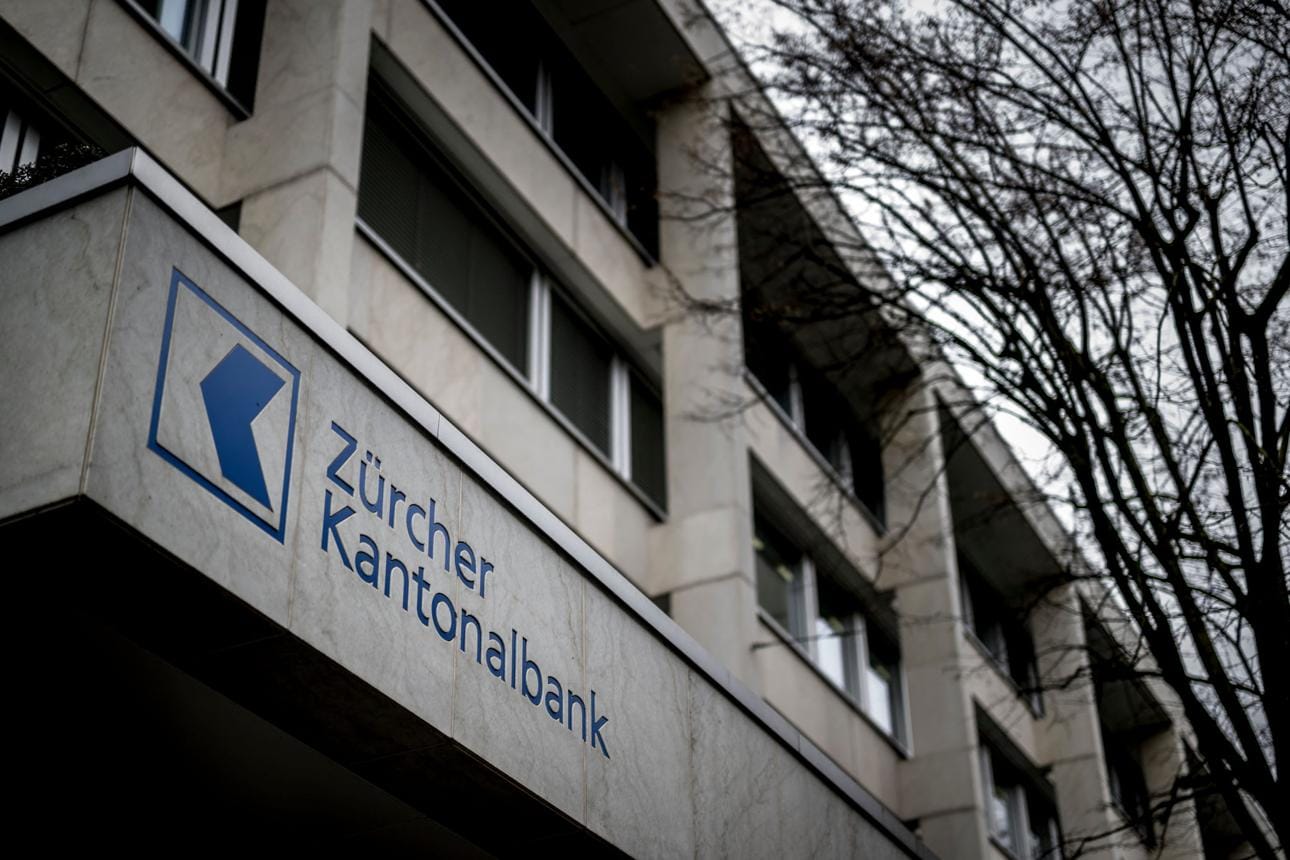
Swiss cantonal banks are holding substantially more equity capital than required by law, according to a new study by Zurich-based Independent Credit View (I-CV). The findings highlight the strong financial position of these regional institutions, even as public attention remains largely focused on major banks such as UBS.

The study reveals that Switzerland’s 24 cantonal banks have continued to expand steadily, with total assets growing by more than 3% annually. Combined, these banks now manage total assets worth approximately CHF839 billion, surpassing the CHF501 billion held by UBS’s Swiss business operations.

A bank’s total assets include customer deposits, investments, mortgages, and loans. As these figures increase, banks are generally expected to maintain sufficient capital reserves to absorb potential losses and ensure financial stability. According to the report, cantonal banks are maintaining capital buffers significantly above the minimum legal requirements.

Financial experts view these additional reserves as a sign of strength and resilience. Strong capital levels help banks withstand economic downturns, market volatility, and unexpected financial shocks. They also provide greater confidence for customers, investors, and regulators.

Despite their growing size and importance within the Swiss financial system, cantonal banks often receive less public scrutiny than global banking giants such as UBS. However, their collective balance sheet now represents a major component of Switzerland’s banking sector.

The report suggests that while the debate around banking regulations frequently focuses on systemically important institutions, cantonal banks have quietly built substantial financial safeguards over many years.

Analysts note that maintaining higher-than-required capital levels may help support long-term stability, particularly during periods of economic uncertainty. As Switzerland continues to strengthen its financial sector, cantonal banks remain a key pillar of the country’s banking and lending system.

The study also highlights the important role these institutions play in regional economic development by providing mortgages, loans, and financial services to households and businesses across Switzerland.

Lady O Becomes First Swiss Winner of The Voice France.

Swiss singer Lady O has made history by becoming the first Swiss artist to win the French version of The Voice. The 19-year-old performer from the canton of Vaud secured victory in the 2026 edition of the popular television singing competition, broadcast on French channel TF1.

Coached by renowned French musician Florent Pagny, Lady O impressed both judges and viewers throughout the competition with her powerful vocals and unique artistic style. Her victory marks a significant achievement for Swiss music on an international stage.

During the grand finale, Lady O opened the show with a memorable performance of Tina Arena’s “Aller Plus Haut.” She later captivated the audience with her original song “Little Me,” showcasing her talent not only as a singer but also as a songwriter and producer.

The young artist also delivered impressive renditions of Billie Eilish’s “The Greatest” and Ginette Reno’s “Un peu plus haut, un peu plus loin,” further demonstrating her versatility and emotional depth as a performer.

Known off-stage as Oriane, Lady O comes from a family of winemakers in canton Vaud. Despite never receiving formal musical training, she developed her skills independently from a young age. Inspired by her father, a bassist, and her brother, a drummer, she built a self-taught career rooted in creativity and passion.

Today, Lady O writes, composes, and produces her own music, making her one of the most promising young talents in the French-speaking music world. Her victory on The Voice France is expected to open new opportunities and bring international recognition to the rising Swiss star.

The achievement has been widely celebrated across Switzerland, with many praising her dedication, originality, and remarkable journey from a self-taught musician to a national and international success story.

Swiss Lakes Hit Record High Temperatures in May.

Switzerland’s lakes are experiencing unprecedented warmth, with many recording their highest-ever temperatures for the month of May. According to recent reports, 26 of the country’s 32 largest lakes have reached record surface temperatures, highlighting the growing impact of warmer weather and climate change.

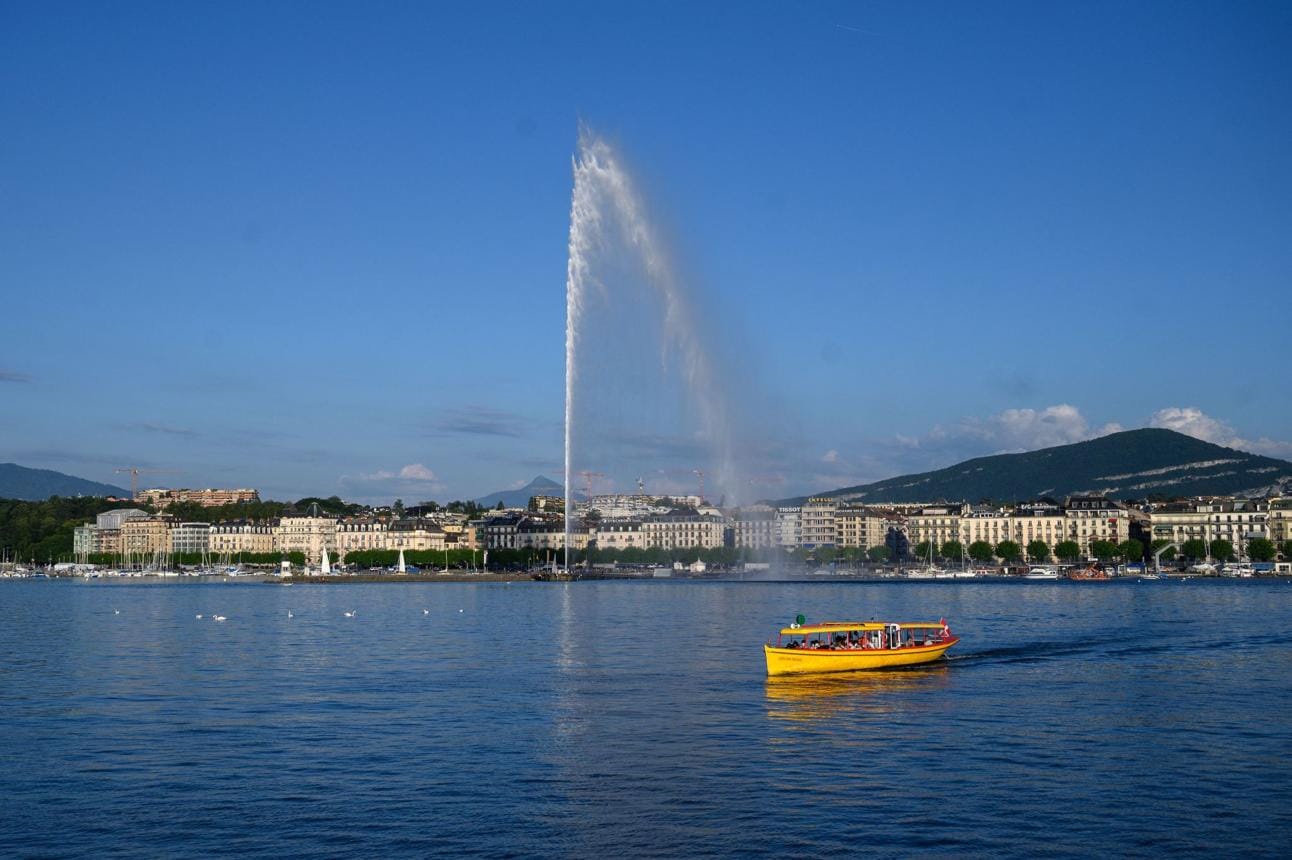
Several well-known lakes, including Lake Zurich, Lake Geneva, Lake Maggiore, Lake Lucerne, and Lake Brienz, have all recorded unusually high temperatures. On Saturday, many lakes exceeded 20°C, a level typically associated with warmer summer periods rather than late spring.

Lake Murten recorded the highest temperature at 24.6°C, followed by Lake Geneva at 23.6°C. Lake Zurich reached 22.4°C, while Lake Maggiore measured 21.8°C. Lake Lucerne and Lake Biel also exceeded seasonal averages, both recording temperatures of 20.3°C.

Scientists warn that warmer lake water can create environmental and health challenges. Higher temperatures encourage the growth of blue-green algae, bacteria, and cercaria, commonly known as duck fleas. These microscopic larvae can trigger allergic skin reactions and severe itching in swimmers.

Researchers from the Swiss Federal Institute of Aquatic Science and Technology (Eawag) believe that duck fleas could become more widespread in Swiss lakes during future summers as water temperatures continue to rise.

The warming trend also threatens aquatic wildlife. Cold-water fish species such as trout and char require oxygen-rich environments to survive. Experts explain that prolonged water temperatures above 20°C can become dangerous for these species, affecting their growth, health, and survival rates.

Climate specialists warn that rising lake temperatures are placing increasing pressure on freshwater ecosystems across Switzerland. As extreme weather patterns become more frequent, scientists are closely monitoring lake conditions and their impact on biodiversity.

The record-breaking temperatures serve as another reminder of the environmental challenges linked to a warming climate and the need for continued conservation efforts to protect Switzerland’s natural resources.

Thousands Rally Against Rising Rents in Zurich.

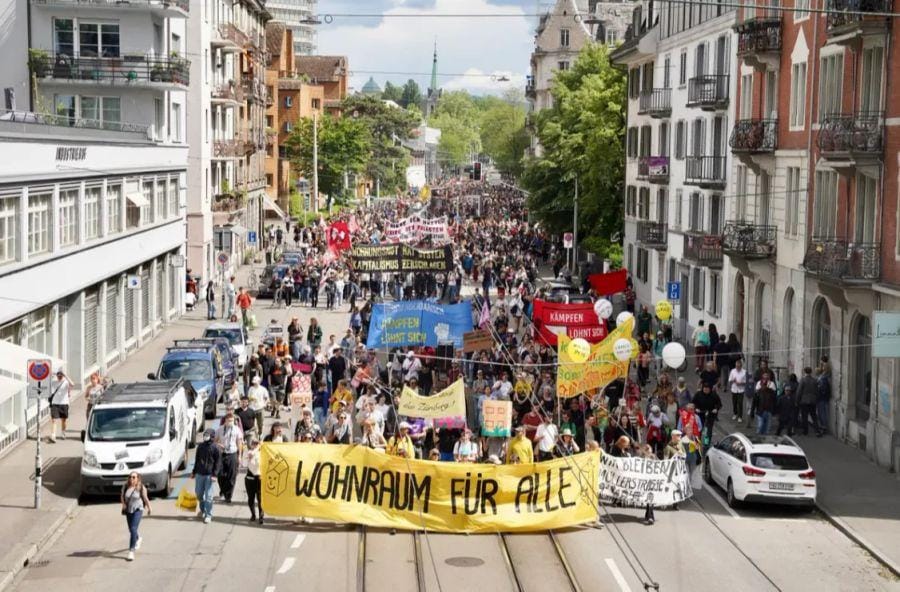
Thousands of people took to the streets of Zurich on Saturday to protest against rising housing costs, gentrification, and the growing shortage of affordable homes. Organisers estimated that around 2,500 demonstrators joined the authorised march, calling attention to what they described as a city increasingly becoming unaffordable for ordinary residents.

The demonstration began at Hardplatz and moved through several key areas of Zurich, including Hardbrücke, Escher-Wyss-Platz, Limmatplatz, and Langstrasse before ending at Kasernenwiese. Protesters carried banners and flags displaying messages such as “Housing is a basic right for all” and criticism of luxury real estate developments that many believe are driving up living costs.

A symbolic float featuring an “Immo-Hai” or “real-estate shark” led the march, representing concerns about property speculation and profit-driven housing policies. Throughout the demonstration, speakers highlighted the increasing rental prices in different neighbourhoods and accused landlords and investors of prioritising profits over affordable housing.

Participants also expressed concern about lease terminations and renovation projects that often result in significantly higher rents. Organisers argued that long-term residents are being forced out of their communities as neighbourhoods undergo rapid transformation and become increasingly expensive.

The protest coalition, made up of local groups, residents, and housing activists, criticised both property companies and political leaders. They claimed that despite years of public debate and promises from local authorities, affordable housing remains out of reach for many Zurich residents.

Zurich police maintained a strong presence throughout the event, while traffic disruptions affected several roads and public transport routes. Despite isolated incidents involving graffiti, pyrotechnics, and water balloons, the demonstration remained largely focused on raising awareness of the city’s housing challenges.

The protest reflects growing concerns across Switzerland’s largest city, where rising rents and limited housing availability continue to fuel public debate about the future of affordable urban living.

Switzerland Ready for June G7 Summit.

Switzerland is making final preparations for the upcoming G7 Summit in Evian, France, with Swiss President Guy Parmelin expressing confidence that the country will be ready for the high-profile international event. The summit, scheduled to take place from June 15 to 17, will bring together some of the world’s most influential political leaders.

As part of the event, several heads of state are expected to arrive through Geneva before attending meetings in nearby Evian. Parmelin said authorities are working closely on security, logistics, and diplomatic arrangements to ensure smooth operations throughout the summit period.

Speaking in Geneva, the Swiss president acknowledged that major international events often come with unexpected challenges. He recalled the 2021 summit between former US President Joe Biden and Russian President Vladimir Putin, noting that numerous unforeseen issues emerged during preparations.

Swiss authorities continue to coordinate with their French counterparts regarding security measures and financial responsibilities linked to the event. Discussions are ongoing concerning a potential French contribution toward Switzerland’s security costs, which Parmelin indicated could be significant.

The president also met with Geneva police commander Monica Bonfanti to review preparations. Authorities aim to maintain public safety while managing expected diplomatic activities and potential demonstrations. A planned protest in Geneva on June 14 is also being monitored as part of the broader security strategy.

Parmelin emphasized that both Switzerland and France share a common objective: ensuring the summit proceeds smoothly and securely. The event is expected to place Geneva at the center of international attention as world leaders gather to discuss global political and economic challenges.

With security planning intensifying and diplomatic coordination continuing, Switzerland is preparing to play an important supporting role in one of the year’s most significant international meetings.

NHS Cancer Blood Test Trial Fails Main Goal.

A large NHS-led clinical trial of a multi-cancer blood test has failed to meet its main objective, according to results presented at a major oncology conference in Chicago. The study evaluated the Galleri test, designed to detect more than 50 types of cancer through a single blood sample.

The trial involved 142,942 participants in the United Kingdom aged between 50 and 77 who showed no symptoms of cancer at the start of the study. Participants were randomly assigned to either receive annual Galleri blood testing in addition to standard NHS screening, or to receive standard screening alone.

Over a three-year period, researchers aimed to determine whether the test could shift cancer detection toward earlier, more treatable stages. The primary endpoint of the study was to reduce the number of stage three and stage four cancer diagnoses among those who received the test.

However, results showed no statistically significant reduction in late-stage cancer diagnoses compared with the control group. This means the test did not achieve its key goal of improving early detection outcomes at a measurable level.

Experts presenting the findings at the American Society of Clinical Oncology (ASCO) annual meeting described mixed results. ASCO’s chief medical officer, Dr Julie Gralow, noted that while there were some encouraging signs of tumour downstaging, the primary endpoint was not met.

Some researchers and attendees at the conference were more direct in their assessment, suggesting that the trial did not deliver the expected breakthrough in early cancer detection.

The Galleri test remains one of the most widely discussed innovations in oncology due to its potential to detect multiple cancers from a single blood sample. However, this landmark study highlights the challenges of translating early promise into proven clinical benefit at scale.

Further analysis of the trial data is expected, and researchers continue to explore whether refinements to the technology or its application could improve future outcomes in cancer screening.

UBS Continues Job Cuts During Credit Suisse Merger.

UBS has reportedly eliminated several hundred additional jobs across Europe, the Middle East, and Africa as part of its ongoing integration of Credit Suisse. The latest workforce reductions mainly affect support roles, although some client advisory positions have also been impacted, according to media reports.

The Swiss banking giant has not officially confirmed the number of affected employees. However, UBS has consistently stated that it aims to reduce overlapping functions created by the acquisition of Credit Suisse while minimizing compulsory redundancies wherever possible.

A UBS spokesperson reiterated that workforce reductions will occur gradually over several years through natural staff turnover, early retirement programs, internal mobility, and the replacement of external contractors with internal employees. This approach was first outlined after UBS completed the historic takeover of Credit Suisse in 2023.

The bank’s latest financial results show that its workforce declined from 103,177 full-time positions at the end of 2025 to 101,594 by the end of March 2026. Industry analysts estimate that the total workforce could eventually fall to around 80,000 employees as integration efforts continue.

Since acquiring Credit Suisse, UBS is believed to have reduced approximately 17,500 positions globally. In Switzerland alone, the bank previously announced plans for around 3,000 job reductions as part of the merger process.

UBS Chief Executive Officer Sergio Ermotti stated earlier this year that most of the planned Swiss job cuts are expected during the second half of 2026 and early 2027. The reductions are closely linked to the completion of the migration of former Credit Suisse clients and operations onto UBS systems.

Despite the ongoing restructuring, UBS maintains that the integration remains on track and is focused on creating a stronger and more efficient global banking group. The merger continues to be one of the largest banking consolidations in Swiss financial history, with significant implications for employment and the future of the country’s banking sector.

Zurich Buildings Host 1,859 Bird Nesting Sites.

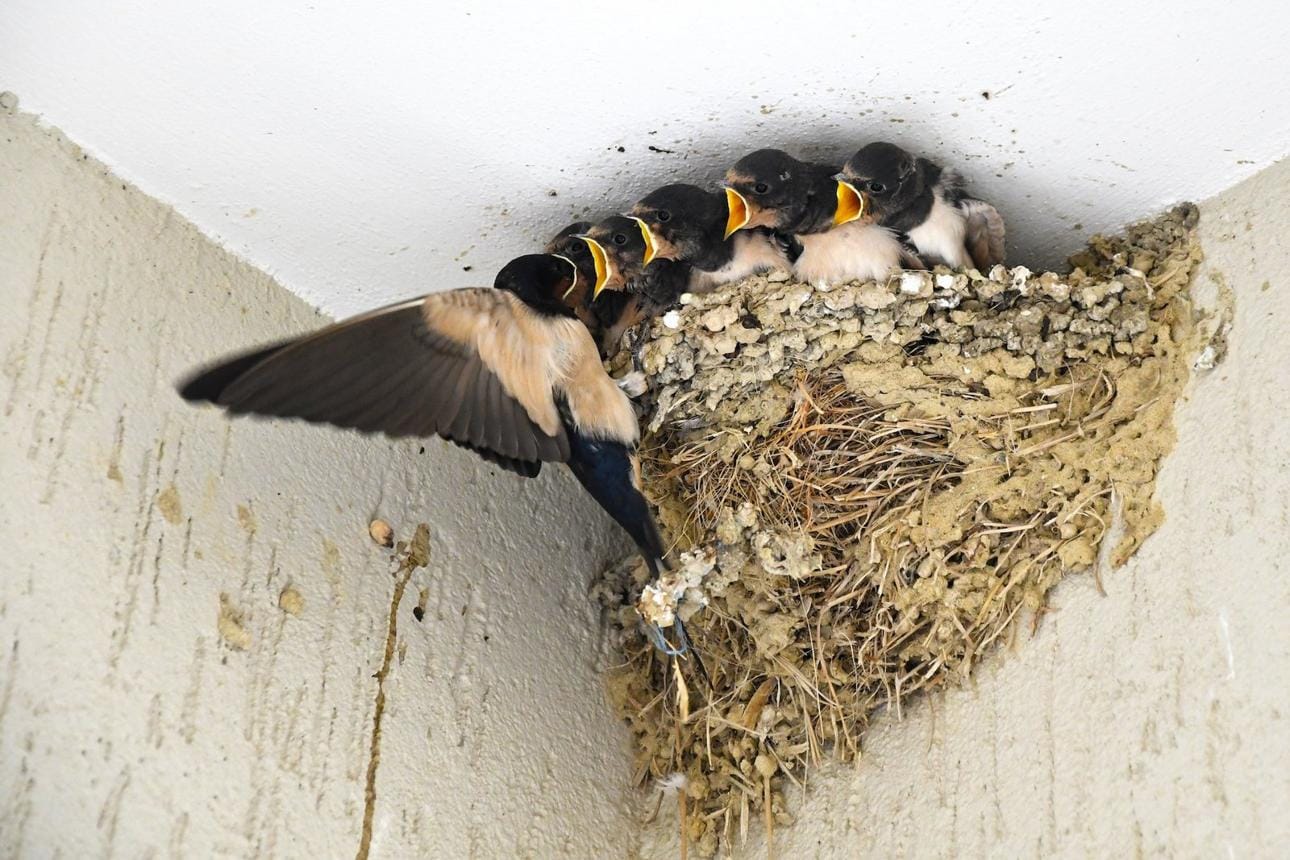
The city of Zurich has recorded 1,859 bird breeding sites on buildings, highlighting the importance of urban areas for wildlife conservation. Volunteers spent several years identifying nesting locations for species such as common swifts, Alpine swifts, house martins, and barn swallows, helping authorities better understand and protect these vulnerable bird populations.

Common swifts are the most widespread species in Zurich, with 1,176 breeding pairs documented. Alpine swifts and house martins each account for around 190 breeding pairs, while barn swallows, jackdaws, and kestrels are less frequently found. Many of these birds nest in colonies, with dozens of pairs sharing a single site.

Between 2023 and 2025, volunteers discovered hundreds of additional nesting locations, including 354 new sites for common swifts. These findings have significantly expanded Zurich’s inventory of urban breeding habitats.

To support future conservation efforts, the city has launched a new online reporting platform that allows residents to submit bird observations. The collected information helps authorities monitor populations and implement targeted protection measures for endangered nesting sites.

Bird conservation groups have warned that populations of swifts, swallows, and martins are declining across Switzerland due to the loss of nesting spaces on buildings and a reduction in insect populations. Renovation and construction projects often destroy hidden nesting sites located behind roofs, facades, and gutters.

Zurich authorities emphasize that all identified building-nesting bird species are considered potentially endangered. The current inventory represents only a minimum estimate, as many nesting sites remain hidden from view. Continued public participation and conservation efforts will play a key role in safeguarding these important urban bird populations for future generations.