Global Ukrainian Summit Brings Leaders to Bern.

Bern hosted the Global Ukrainian Summit for the first time in Switzerland, bringing together more than 300 representatives of the global Ukrainian community from 50 countries. The three-day event highlighted international cooperation, reconstruction efforts, and the growing role of civil society in supporting Ukraine.

Government officials, diplomats, community leaders, and international partners attended the summit in the Swiss capital. Swiss government delegate for Ukraine, Jacques Gerber, joined discussions focused on strengthening partnerships between Switzerland and Ukraine.

A major theme of the summit was the role of civil society in defending Ukraine’s sovereignty and supporting the country’s long-term recovery. Participants discussed how communities around the world can contribute to rebuilding Ukraine and maintaining international awareness of ongoing challenges.

Ukraine’s Deputy Foreign Minister Mariana Betsa emphasized that Ukrainians living abroad play an important role in shaping the country’s future. She noted that support from global communities continues to strengthen Ukraine’s position on the international stage.

Leaders also highlighted the efforts of the Ukrainian diaspora in mobilizing humanitarian assistance, advocating for international support, and helping maintain global attention on the impact of the war. Delegates agreed that cooperation between governments, organizations, and communities remains essential.

The summit addressed a wide range of topics, including international security, economic reconstruction, youth engagement, cultural diplomacy, and the future role of Ukrainians living abroad. Participants exchanged ideas on how global partnerships can contribute to long-term stability and development.

Officials stressed that security remains a key requirement for the return of millions of displaced Ukrainians. Ukrainian representatives explained that long-term strategies are already being developed to support future resettlement and national recovery efforts.

The event also highlighted the importance of international coordination, including economic measures, legal accountability, and continued diplomatic support. Organizers described Switzerland as an increasingly important platform for dialogue, cooperation, and long-term partnerships with Ukraine.

The successful summit in Bern demonstrated the growing importance of international collaboration and showcased Switzerland’s role in hosting global discussions on peace, reconstruction, and humanitarian cooperation.
Swiss Boarding School Evacuated After Threat.

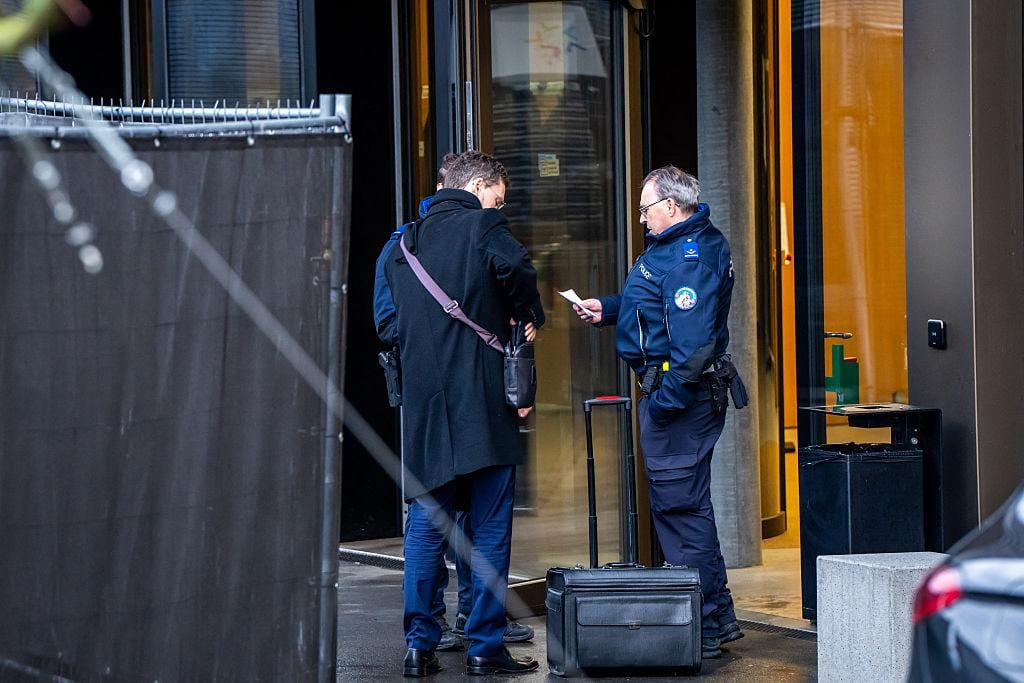
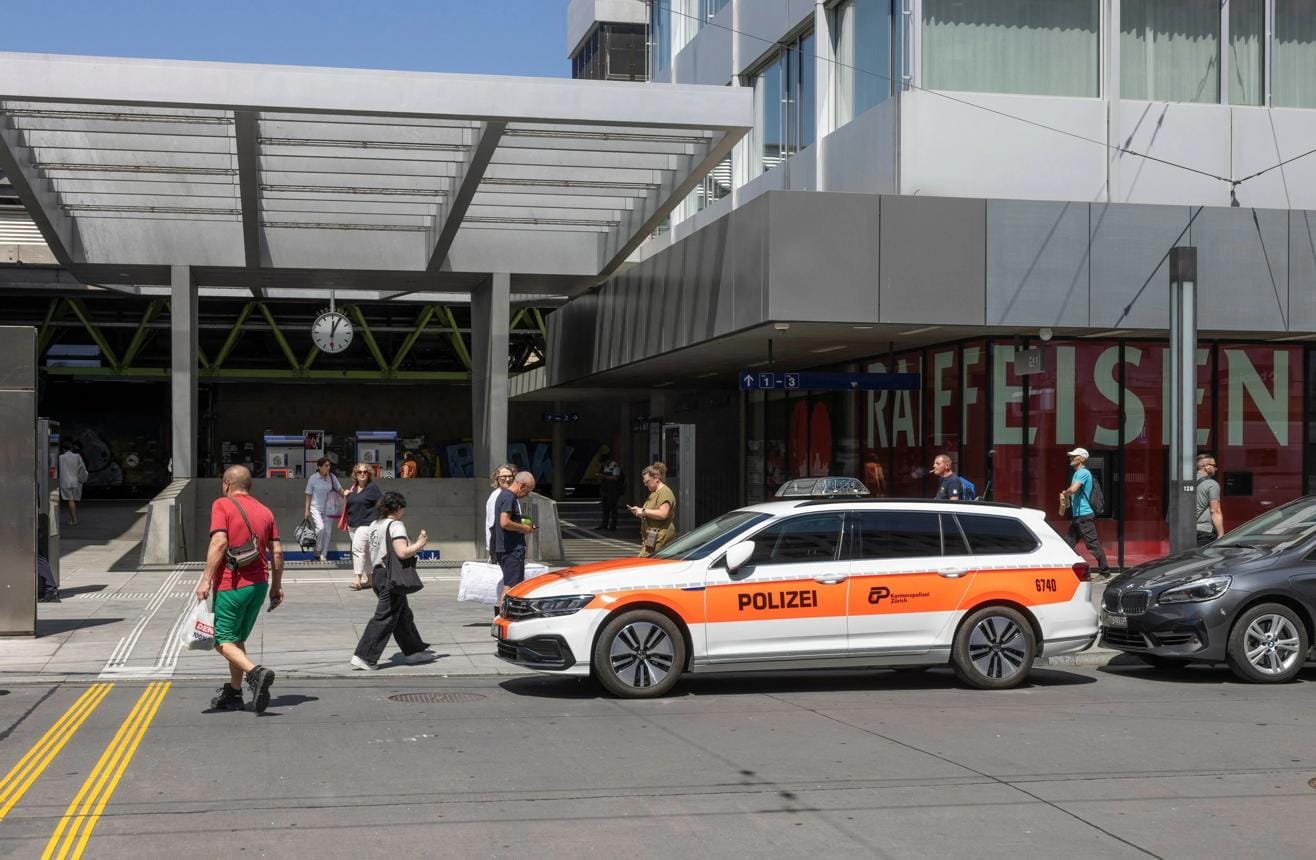
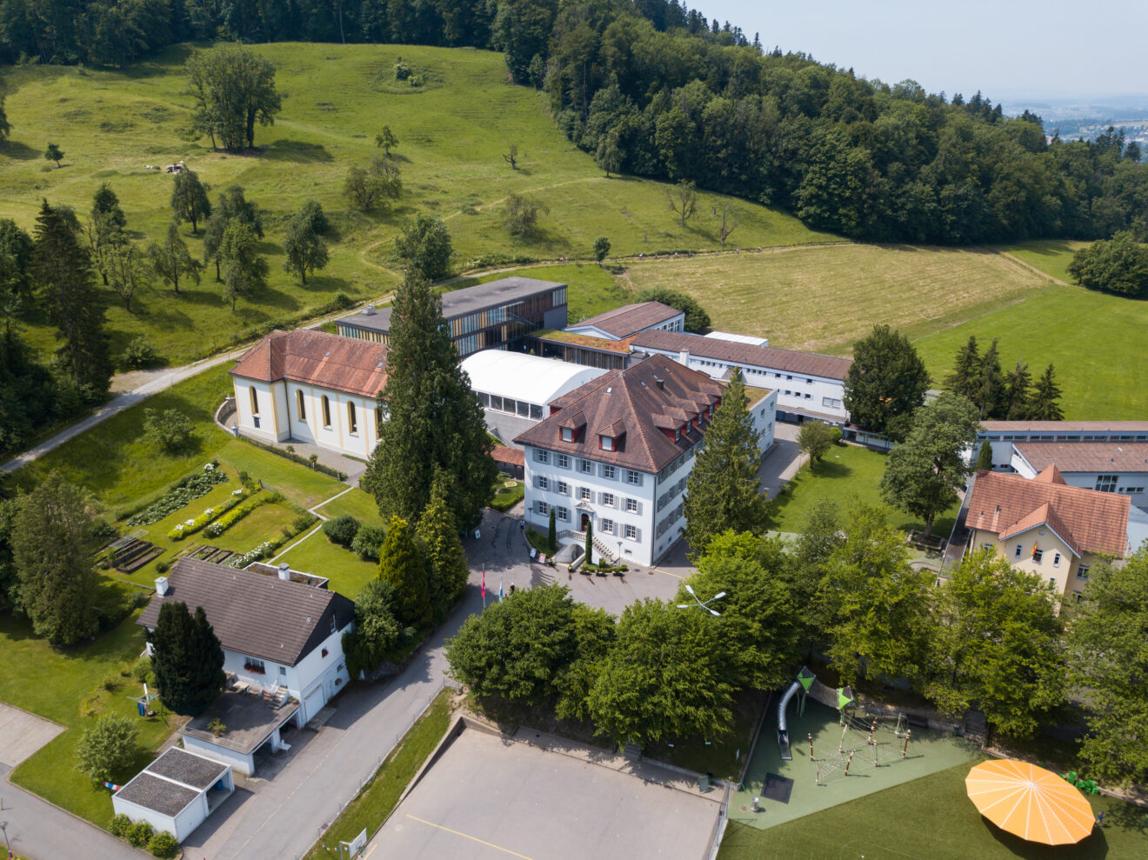
A boarding school in Zug, central Switzerland, was evacuated on Saturday after authorities received a written threat. Police and emergency services quickly responded to the incident, moving students and staff to safety while conducting a thorough security operation.

The threat was reported shortly after 4:00 PM, prompting Swiss police to deploy emergency teams to the area. Officers immediately secured the location, established a safety perimeter, and evacuated the affected buildings as a precautionary measure.

Around 30 students and caretakers were present at the school when the threat was received. Emergency personnel safely relocated everyone to a secure location, where they remained under supervision during the investigation.

Police carried out a detailed search of the school premises to identify any potentially dangerous or suspicious objects. After several hours of inspections, authorities confirmed that no suspicious items were found anywhere on the property.

The operation concluded at approximately 8:00 PM when emergency services declared the area safe. Students and staff were then allowed to return to the boarding school without incident.

Swiss police emphasized that there was never any danger to the wider public. Authorities acted swiftly to ensure the safety of everyone involved while maintaining security throughout the operation.

Investigators are now working to determine who was responsible for the threat and what motives may have been behind it. The case remains under active investigation, and officials have not yet released further details.

The incident highlights the rapid response procedures used by Swiss emergency services when potential threats are reported at educational institutions. Authorities continue to encourage the public to report suspicious activities to help maintain public safety.

Swiss SEM to Cut 108 Jobs as Asylum Applications Decline.

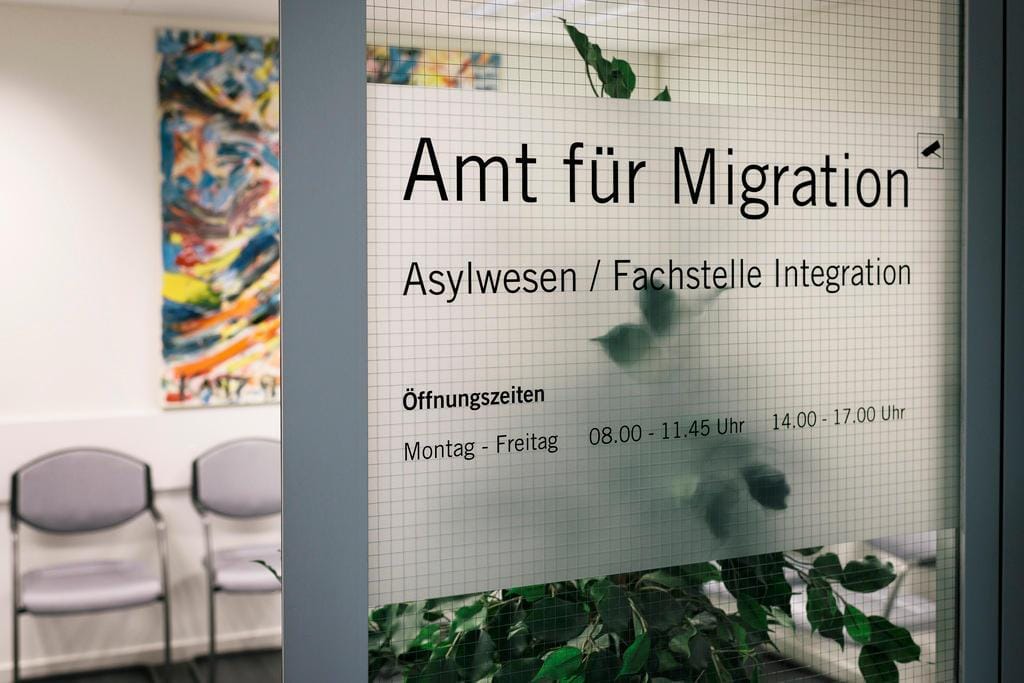
Switzerland’s State Secretariat for Migration (SEM) has announced plans to reduce its workforce by 108 positions as asylum applications continue to decline across the country. The move reflects changing migration trends and ongoing government efforts to manage public spending efficiently.

According to the SEM, most of the positions being eliminated were temporary roles that were originally created to help process a backlog of asylum applications. With pending cases falling significantly in recent years, the agency says these additional resources are no longer required.

The federal government’s cost-saving measures will also result in the removal of several permanent positions. Officials stated that the reductions will affect different departments within the migration authority and are part of a broader effort to control spending across federal institutions.

Employees affected by the restructuring are expected to receive official notification during June. The planned reductions will take effect at the beginning of 2027. Despite the cuts, the SEM will continue to employ around 1,280 full-time staff members.

The agency had already reduced its workforce by 83 positions at the start of 2026. Authorities explained that staffing levels within the asylum sector are directly linked to the number of applications received each year.

Switzerland recorded fewer asylum applications during 2025, and officials expect application numbers to remain lower throughout 2026 compared with the higher levels seen between 2022 and 2024. As a result, the demand for additional processing staff has decreased.

The SEM also reported strong progress in handling pending asylum cases. By the end of March, unresolved applications had fallen by 45%, leaving approximately 8,600 cases still awaiting decisions. The reduction highlights the agency’s efforts to improve processing efficiency and shorten waiting times.

The latest workforce adjustment signals a significant shift in Switzerland’s migration administration as authorities adapt to lower asylum demand while maintaining essential services and operational efficiency.

Crans-Montana Fire Case Expands.

Swiss prosecutors have widened their investigation into the deadly Crans-Montana fire after new allegations emerged against one of the owners of Le Constellation bar. Authorities conducted a lengthy confrontation hearing involving the owners as they continue to examine the circumstances surrounding the tragic New Year’s Day blaze that claimed lives and injured several people.

During the hearing, prosecutors informed one of the owners that she now faces an additional forgery allegation linked to documentation concerning polyurethane acoustic foam installed in the venue. Investigators are reviewing records connected to the material that caught fire during the incident. The development marks a significant step in the ongoing criminal investigation.

Lawyers representing victims’ families welcomed the new line of inquiry and questioned the origins, purchase details, and suitability of the foam used inside the establishment. They argued that several important questions remain unanswered and called for complete transparency regarding the materials present in the venue before the tragedy occurred.

The defense team rejected suggestions of wrongdoing and stated that the purchase was legitimate. According to the lawyers, the issue relates to accounting records rather than the cause of the fire itself. They described the allegation as unrelated to the tragic events that unfolded in Crans-Montana.

Prosecutors also examined internal messages exchanged between the owners and employees. Some communications reportedly included warnings about sparkler candles used during celebrations. Investigators are assessing whether those messages demonstrate prior awareness of potential fire risks inside the premises.

Another message reviewed during the hearing concerned an emergency exit reportedly blocked at the venue. The exchange has attracted attention from lawyers representing victims, who believe it could become an important element of the investigation. Defense lawyers maintain that the messages should not be interpreted without proper context.

The Crans-Montana tragedy remains one of the most closely followed legal cases in Switzerland this year. Authorities continue to gather evidence while prosecutors evaluate the responsibilities of all individuals connected to the operation, management, and approval of the establishment.

As the investigation progresses, victims’ families continue to seek answers and accountability. The findings of Swiss prosecutors are expected to play a crucial role in determining whether additional charges or legal actions will follow in the coming months.

Winterthur Stabbing Case: Swiss Probe Digital Evidence.

The Swiss Attorney General’s Office is currently unable to access the electronic devices of a 31-year-old Turkish-Swiss man accused of a knife attack that injured three people in Winterthur, as legal proceedings over data access continue.

Federal prosecutor Stefan Blättler confirmed that the suspect has objected to the search of his laptop and mobile phone. As a result, authorities have submitted an application to the coercive measures court requesting permission to unlock and examine the devices. A decision is still pending.

Blättler explained that investigators are currently unable to review critical digital evidence, including communication records and messages that could reveal the suspect’s contacts before the attack. He emphasized that such information is essential for understanding potential links to other individuals or networks.

According to the prosecutor, electronic devices have become one of the most important sources of evidence in modern criminal investigations. However, legal protections around data “sealing” can delay access. This procedure was originally designed to protect sensitive or unrelated personal data, such as privileged legal correspondence or private information not relevant to investigations.

Blättler noted that while sealing was appropriate in an earlier legal era dominated by paper documents, it has become increasingly challenging in the digital age. He warned that prolonged delays in accessing data could hinder investigations, particularly in urgent cases involving public safety risks.

The federal prosecutor suggested that reforms may be needed to balance privacy protections with investigative urgency. He indicated that authorities may need faster access to seized data in certain cases, while still protecting legally privileged or irrelevant information.

The suspect is currently in pre-trial detention. He is accused of carrying out a violent attack at Winterthur station on May 28, where three men were injured, one seriously. The day before the incident, he had reportedly been in a psychiatric facility.

Swiss authorities have opened a criminal investigation for attempted multiple murder and alleged involvement in or support of a terrorist organization. The case remains under active judicial review as investigators await access to key digital evidence.

Fatal Wingsuit Accident Reported in Switzerland Alps.

A 47-year-old German man has died following a wingsuit accident during a jump in the Swiss Alps near Vättis in the canton of St Gallen.

According to St Gallen cantonal police, the incident occurred on Friday evening shortly after 17:00 in the Chüefad area at an altitude of around 2,080 metres. The man took off alongside another jumper, aged 37, but lost control shortly after launch and fell to his death.

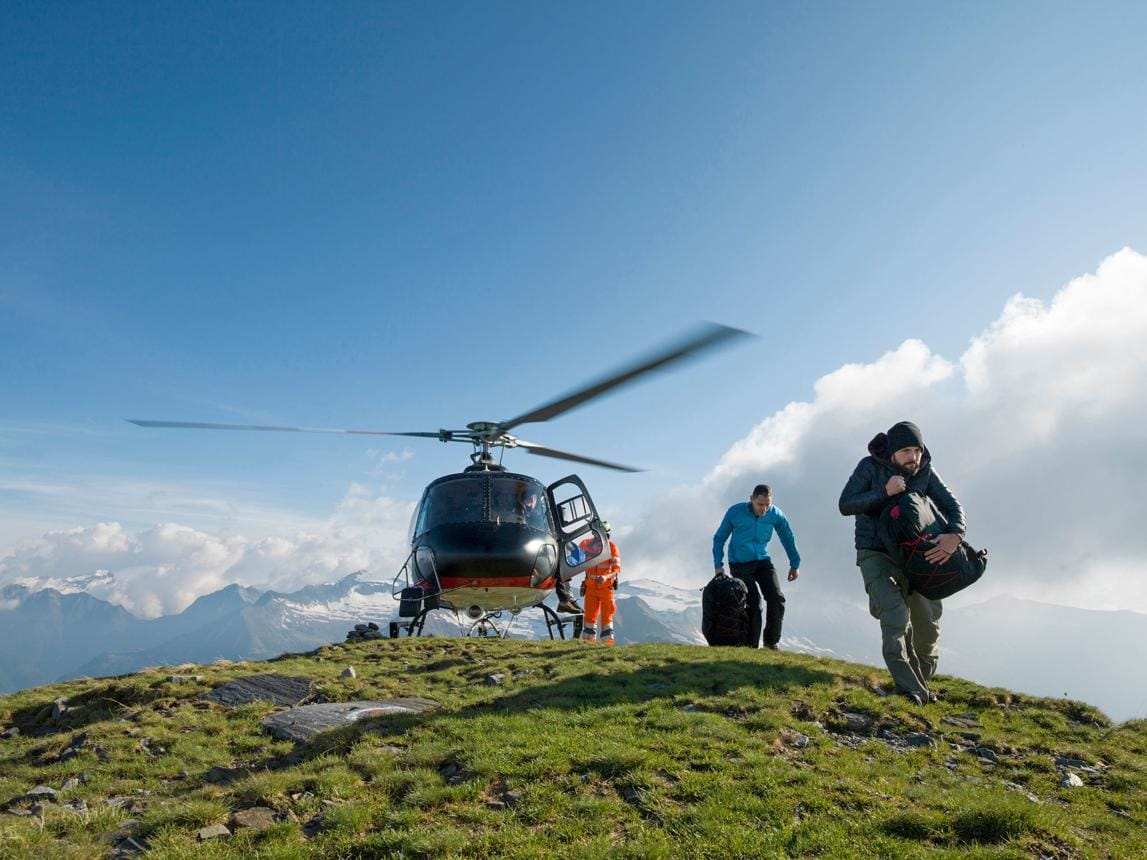
Emergency services, including the Rega air rescue helicopter, were deployed to the scene and later recovered the man’s body. Authorities confirmed that the exact cause of the accident is still unknown.

The Alpine Brigade of the St Gallen cantonal police has launched an official investigation under the supervision of the Swiss Attorney General’s Office to determine the circumstances leading to the fatal incident.

This marks the second wingsuit-related death in Switzerland within the same week. On Thursday, a 29-year-old pilot also died during a wingsuit flight in central Valais, highlighting the ongoing risks associated with extreme aerial sports in mountainous terrain.

Wingsuit flying is an extreme sport that allows participants to glide through the air using a specially designed suit with fabric wings between the arms and legs. While it offers a controlled descent before parachute deployment, the activity carries significant risks, particularly in alpine environments with challenging terrain and weather conditions.

Authorities continue to emphasize the importance of safety measures and experience requirements for high-risk adventure sports in Switzerland.

Swiss Government Targets Better Endometriosis Treatment.

The Swiss government has announced new measures to improve the diagnosis and treatment of endometriosis, a condition that affects approximately one in ten women of childbearing age. Officials say there is a clear need for action to ensure earlier diagnosis, better treatment quality, and stronger support for women living with the disease.

According to a newly approved government report, many women with endometriosis experience symptoms for years before receiving an accurate diagnosis. The condition can cause severe menstrual pain, chronic pelvic pain, fatigue, anxiety, and fertility difficulties, significantly affecting daily life, education, employment, and personal relationships.

The government acknowledges that challenges surrounding endometriosis reflect broader structural weaknesses in the healthcare system when it comes to managing conditions that primarily affect women. As a result, improving care for endometriosis patients has become part of a wider effort to strengthen women’s health services across Switzerland.

Several initiatives are already underway. The Federal Commission for Quality has been instructed to include female-specific diseases in its strategic objectives. In addition, a national study examining the quality of treatment for these conditions is currently in progress, with endometriosis included among the key focus areas.

The Federal Office of Public Health (FOPH) has also been tasked with exploring ways to analyze existing healthcare data related to women affected by endometriosis. This work will be carried out in collaboration with the Swiss Health Observatory to better understand patient experiences and treatment outcomes.

While the government is supporting research and policy improvements, it emphasizes that healthcare professionals, hospitals, medical societies, educational institutions, and patient organizations also play a critical role in ensuring timely diagnosis and effective treatment.

Officials are calling for greater awareness of endometriosis in healthcare settings, workplaces, and educational institutions. They believe that increased public understanding, improved research, and coordinated care strategies can help reduce diagnosis delays and improve the quality of life for thousands of women across Switzerland.

The initiative represents an important step toward addressing long-standing gaps in women’s healthcare and ensuring that endometriosis receives the attention it deserves within the Swiss healthcare system.

NZZ Fights Swissmedic Over Drug Advertising Claims.

One of Switzerland’s leading newspapers, Neue Zürcher Zeitung (NZZ), is taking legal action against Swissmedic after the regulator ordered the removal of several editorial publications that it classified as unauthorized advertising for prescription-only medicines.

According to reports, two separate cases are currently before Swiss courts. The dispute centers on whether journalistic content discussing medical treatments can be considered independent reporting or promotional material for pharmaceutical products.

In one case, Swissmedic challenged a first-person article written by a journalist about living with migraines. The Federal Administrative Court ruled in favor of Swissmedic in May 2025, stating that the article created a promotional impression and presented information in a one-sided manner. NZZ has appealed that decision to the Federal Supreme Court, seeking a final ruling on the matter.

The controversy extends beyond migraine reporting. Swissmedic also instructed NZZ to remove several publications related to weight-loss injections. These reportedly include a video feature, a personal weight-loss experiment series, and multiple journalistic articles discussing the treatments.

NZZ argues that the publications fall within the scope of legitimate journalism and public-interest reporting. The newspaper is challenging Swissmedic’s orders before the Federal Administrative Court, raising broader questions about media freedom, editorial independence, and health communication in Switzerland.

The legal battle highlights the growing tension between media organizations and regulatory authorities over the reporting of medical treatments and healthcare innovations. As prescription medicines become more widely discussed in the public sphere, courts may play a crucial role in defining the boundaries between journalism and advertising.

The outcome of these cases could have significant implications for Swiss media outlets, healthcare reporting, and the future regulation of medical content in Switzerland.

Swiss Government Boosts Funding for Global Sports Events.

The Swiss government has announced additional financial support for major international sporting events scheduled to take place across the country between 2027 and 2029. The Federal Council is proposing two supplementary credits totaling CHF8.24 million to help Switzerland host world-class competitions and strengthen the nation’s sporting profile.

Officials believe that international sporting events generate significant benefits beyond athletics. Major tournaments contribute to economic growth, tourism, community engagement, and the promotion of both elite and grassroots sports. Recent successes, including the Ice Hockey World Championship and the UEFA Women’s Euro tournament, demonstrated the positive impact such events can have on Switzerland.

The proposed funding package includes CHF5.24 million to support the organization and hosting of international competitions. An additional CHF3 million will be allocated to sports development initiatives linked to these events, helping to encourage participation and long-term growth in various sports disciplines.

Several major championships are set to benefit from the funding. The 2028 Judo World Championships in Lausanne will receive CHF1.4 million, while the 2028 European Men’s Handball Championship in Zurich will be supported with CHF1.15 million. The 2027 World Rowing Championships in Lucerne will receive CHF825,000.

Additional funding has been proposed for the 2029 Women’s European Basketball Championship in Geneva, the 2027 European Figure Skating Championships in Lausanne, and the 2027 Short Course Swimming Championships in Basel. Support will also be provided for the 2028 World Bobsleigh and Skeleton Championships in St. Moritz.

The government also plans to extend the deadline for financial assistance under the National Sports Facilities Programme (CISIN 5), ensuring continued support for sports infrastructure projects of national importance.

By investing in these events, Switzerland aims to strengthen its reputation as a leading international sports destination while creating lasting economic and social benefits for local communities.

Switzerland Leads in Europe Transport Safety Ranking.

Switzerland has once again been ranked among the safest countries in Europe for public transport, according to data released by the Federal Office of Transport (FOT).

The report places Switzerland third in Europe for passenger safety in public transport systems, behind the United Kingdom and the Netherlands. The evaluation is based on safety performance across multiple transport modes, including trains, cable cars, ferries, trams, and buses.

Officials confirmed that Switzerland’s railways, cable car networks, and boat services have maintained an excellent safety record in recent years, with no reported fatalities or serious injuries in these sectors. This strong performance highlights the country’s continued investment in transport infrastructure, maintenance, and safety standards.

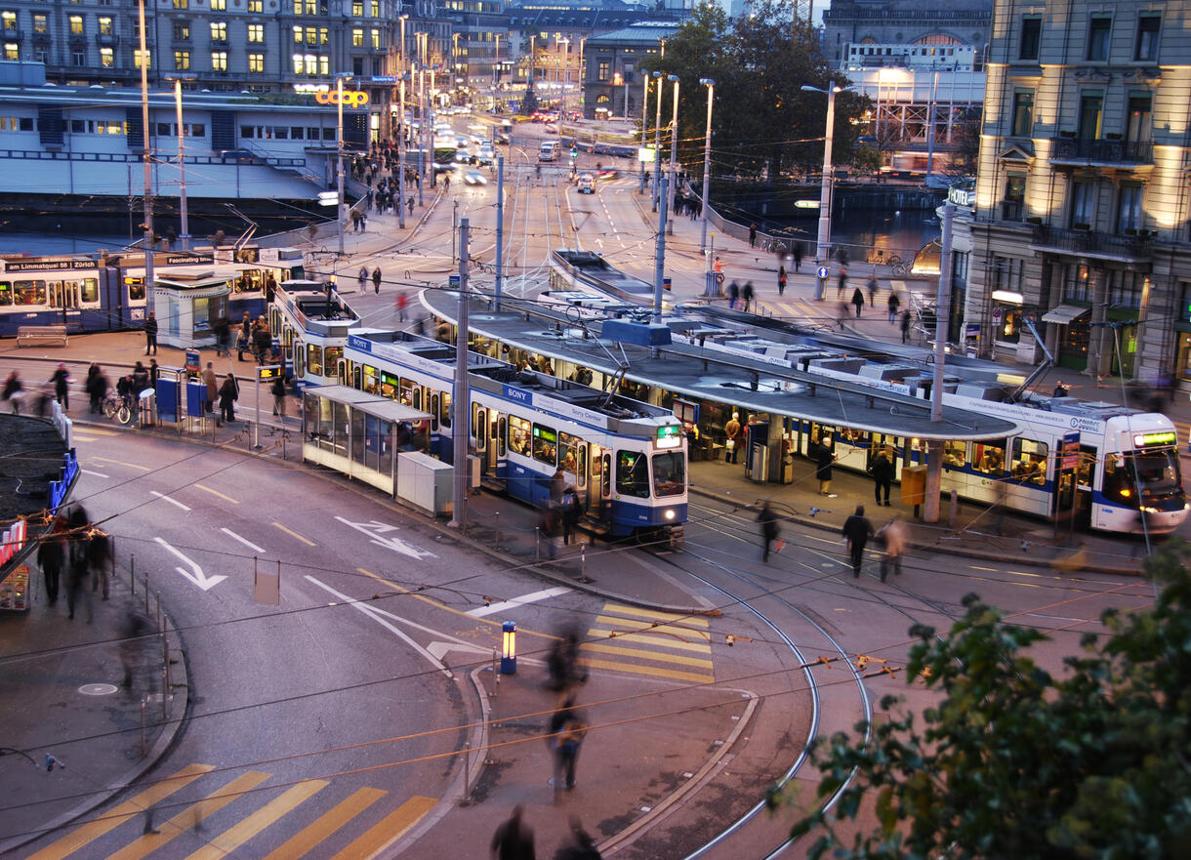
However, the report also notes growing safety concerns in urban transport systems. In particular, tram and bus networks in major cities have seen an increase in serious injuries and, in some cases, fatalities in recent years. Authorities attribute this trend to rising urban traffic density, increased pedestrian movement, and complex road-sharing conditions in city environments.

Transport experts explain that while Switzerland’s long-distance and mountain transport systems remain highly secure, urban mobility presents new challenges. Higher population movement in cities, combined with congestion and mixed traffic conditions, has made safety management more difficult.

Despite these challenges, Switzerland continues to maintain one of the most reliable and well-regulated public transport systems in Europe. Authorities emphasize ongoing efforts to improve safety in urban areas through better infrastructure planning, awareness campaigns, and updated traffic regulations.

The latest ranking reinforces Switzerland’s reputation as a global leader in transport reliability and safety, particularly in rail and alpine transport systems.