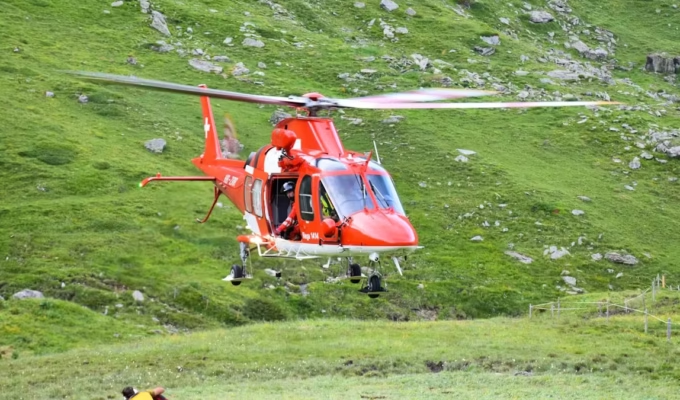
Helicopter Crash in Ticino Leaves Six Injured, One in Critical Condition

A serious helicopter crash in Ticino has left six people injured, including one person in critical condition, raising concerns over aviation safety in Switzerland.

The incident occurred in Mezzovico-Vira on Monday afternoon shortly after 4:30 PM. According to authorities, the helicopter was attempting to land at a construction site when it suddenly fell from a height of approximately 20 meters.

The aircraft belonged to a private company, and all six people on board, including the pilot, sustained injuries. Local police identified as Kantonspolizei Tessin confirmed that one passenger is in life-threatening condition, while two others suffered moderate injuries. The remaining individuals were treated for minor injuries.

Emergency response teams, including fire services from Lugano and Rivera, the rescue organization Rega, and medical teams from Croce Verde, were quickly deployed to the scene to assist in rescue operations.

Authorities have launched a full investigation into the cause of the crash. The Swiss Transportation Safety Investigation Board, known as SUST, is currently examining the incident alongside federal police officials.

At this stage, the exact reason for the crash remains unknown. Investigators are focusing on technical failure, weather conditions, and landing procedures as possible factors.

This incident has once again raised serious questions about aviation safety standards in Switzerland, particularly in construction and low-altitude flight operations.
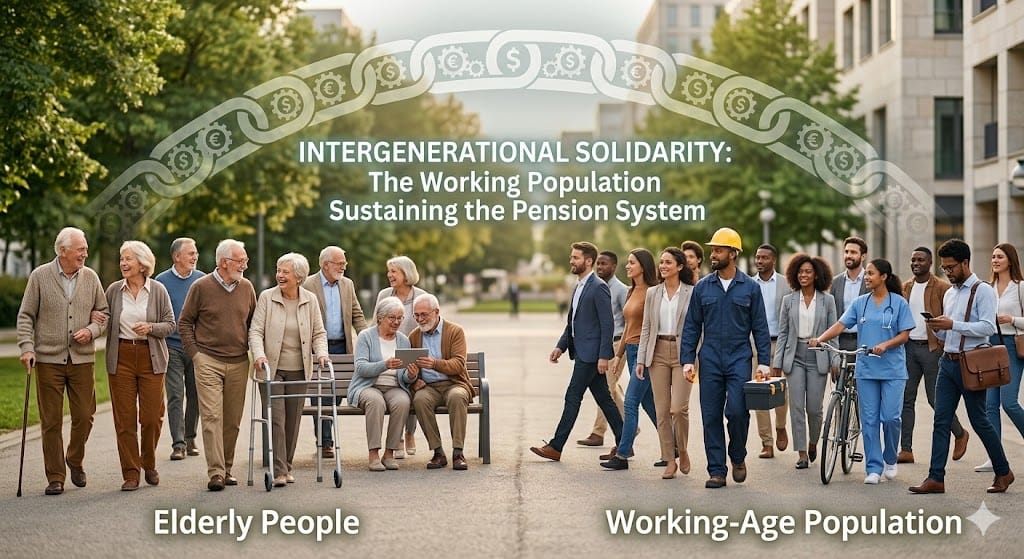

Migrants Essential for Switzerland’s Pension System, Minister Says

Elisabeth Baume-Schneider has stated that migrant workers play a crucial role in sustaining Switzerland’s public pension system. Speaking in a recent media interview, the minister responsible for social insurance highlighted the importance of immigration in maintaining the financial stability of the country’s pension scheme.

According to Baume-Schneider, many residents in Switzerland receive more in pension benefits than they contribute during their working years. This imbalance makes the contributions of foreign workers essential to keeping the system financially balanced. She emphasized that migrant workers typically pay more into social insurance programs than they withdraw in benefits.

The minister’s remarks come amid ongoing political debate surrounding the “No to 10 million” immigration control initiative. The proposal, supported by Swiss People’s Party, argues that foreign nationals place a burden on Switzerland’s social welfare system.

However, Baume-Schneider strongly rejected this claim. She warned that Switzerland’s aging population is increasing rapidly, and without migrant workers actively participating in the labor market, it would become increasingly difficult to sustain the pension system in the long term.

Switzerland’s AHV Pension System operates on a pay-as-you-go model, where current workers fund the pensions of retirees. In this system, a steady and sufficient workforce is critical to ensure continuous payments. The minister stressed that immigration remains a key factor in maintaining this balance.

This issue has become a central topic in Switzerland’s economic and political discussions, as the country seeks to balance demographic challenges with sustainable social security policies. The outcome of the ongoing debate will significantly influence the future of Switzerland’s pension system and immigration strategy.

Migros CEO Warns Foreign Workers Are Essential for Switzerland’s Economy

The debate over immigration in Switzerland has intensified as the upcoming “No to 10 million” referendum approaches. Amid this discussion, Mario Irminger, CEO of Migros, has issued a strong warning about the critical role of migrant workers in sustaining the country’s economy.

Speaking ahead of the June 14 national vote, Irminger emphasized that Switzerland’s retail and food sectors depend heavily on foreign labor. He stated that migrant workers play a vital role in maintaining current service standards and ensuring a stable supply of goods across the country.

Switzerland is currently facing a significant labor shortage, and foreign workers have become essential in filling workforce gaps. Irminger highlighted that in Micarna, a major meat processing subsidiary, around 60% of employees are foreign nationals. This statistic clearly demonstrates the extent to which key industries rely on international labor.

He further warned that reducing immigration could directly impact service quality and disrupt supply chains. According to Irminger, the Swiss economy will continue to depend on migrant workers not only in the present but also in the future to maintain operational stability.

The “No to 10 million” proposal aims to limit Switzerland’s population growth by tightening immigration policies. While some political and social groups support the initiative due to concerns about rapid population increase, business leaders fear it could worsen labor shortages, particularly in retail and manufacturing sectors.

This issue has now evolved into a major national debate, balancing population control against economic sustainability. The outcome of the upcoming referendum will play a decisive role in shaping Switzerland’s future immigration policy and its economic stability.

Toxic Chemicals Found in Vegetables Sold in Switzerland, Study Reveals

A recent study has revealed alarming findings about vegetables sold in Switzerland, raising serious concerns about food safety and public health. According to a report published by the Swiss consumer magazine K-Tipp, many vegetables available in supermarkets contain harmful chemical substances that could negatively affect human health.

Researchers tested 25 different vegetable samples as part of the investigation. The results showed that 16 of these samples contained detectable levels of PFAS (per- and polyfluoroalkyl substances), a group of toxic chemicals known for their persistence in the environment and the human body. Scientists have already linked PFAS exposure to several long-term health risks, including hormonal disruptions, immune system damage, and increased risk of chronic diseases.

The study identified higher concentrations of PFAS in commonly consumed vegetables such as carrots and potatoes. Meanwhile, cucumbers, lettuce, and tomatoes also contained traces of these harmful chemicals, although at comparatively lower levels. These findings indicate that contamination is widespread across different types of vegetables.

Interestingly, the study found that organic vegetables were less affected by PFAS contamination. For example, organic carrots sold by Coop and Lidl contained nearly half the level of PFAS compared to conventional carrots from Migros and Aldi. This suggests that organic farming practices may help reduce exposure to harmful substances.

Although Switzerland maintains some of the highest food safety standards in the world, these findings have triggered fresh concerns among consumers. Experts are now urging authorities to strengthen monitoring systems and implement stricter regulations to control chemical contamination in food products.

The issue has sparked a broader debate in Switzerland about environmental pollution, food safety, and consumer protection. As awareness grows, consumers are becoming more cautious about their food choices, with many considering organic alternatives to minimize health risks.