
Switzerland Plans Tougher Punishments for Bicycle Theft

Switzerland is preparing stricter legal measures to combat rising bicycle theft cases across the country, where nearly 50,000 bicycles are reportedly stolen every year.

The proposed legal changes have received support from the Swiss Federal Council following a proposal introduced by Lukas Reimann of the Swiss People’s Party.

Under current Swiss law, offenders can sometimes avoid serious punishment by claiming they only intended to use a bicycle temporarily. In many cases, this results in only minor fines or light penalties.

The new proposal aims to remove this loophole, especially for thefts involving expensive bicycles and e-bikes.

If approved, high-value bicycle theft would no longer be treated as a minor offence, and offenders could face stronger criminal penalties under Swiss law.

Authorities indicated that limited exceptions may still apply in specific situations, such as disputes within families or cases where previous permission to use the bicycle existed.

However, cycling advocates argue that tougher punishments alone will not fully solve the growing problem.

Experts say many Swiss cities still lack secure bicycle parking infrastructure, making bicycles easier targets for theft.

Traditional inverted-U bicycle racks often protect only the main frame while leaving wheels and other components vulnerable.

Cycling organisations point to safer systems used in cities such as New York City, where closed-loop locking stations offer better protection for the entire bicycle structure.

Advocates are calling for Switzerland to combine stronger laws with improved urban cycling infrastructure and modern secure parking facilities.

The issue has gained increasing public attention as cycling and e-bike usage continue to grow rapidly across Switzerland.

Swiss Crew Member Identified on Hantavirus-Hit Cruise Ship

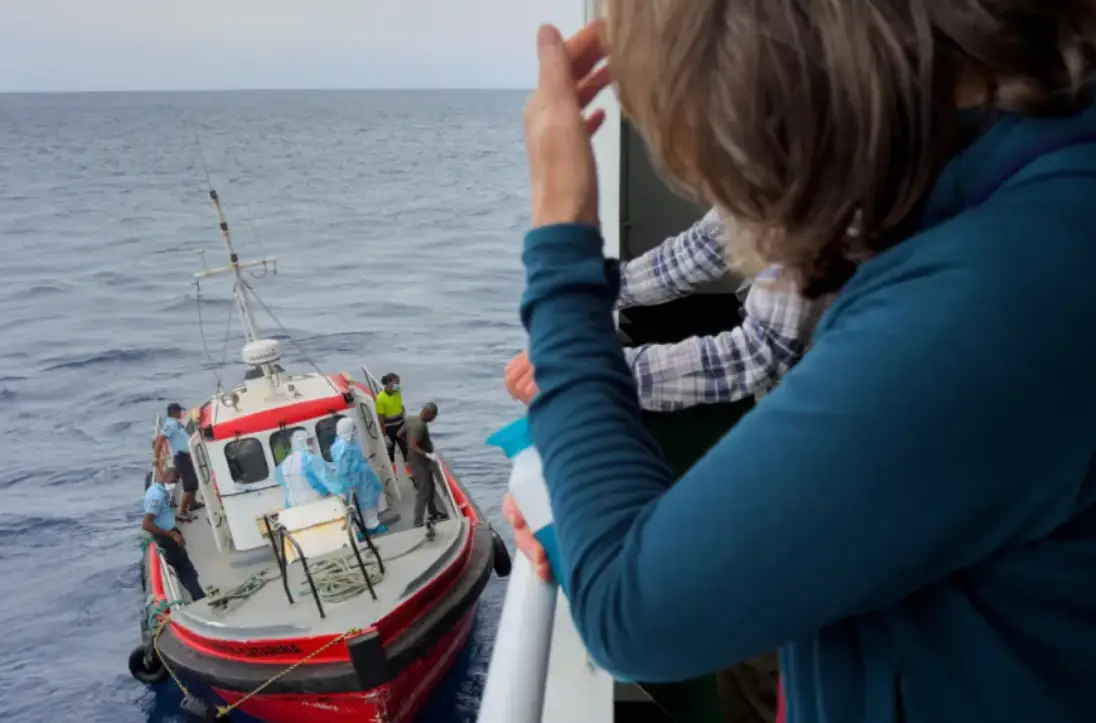
A Swiss national has been identified among the crew members aboard the MV Hondius, which recently experienced a hantavirus outbreak during an expedition voyage.

According to Anne Lévy, the Swiss crew member had contact with infected individuals but is currently not showing any symptoms.

Speaking to Swiss public broadcaster SRF, Lévy confirmed that the man remains onboard the ship and is being monitored as a precautionary contact case.

The outbreak aboard the Hondius has already resulted in multiple confirmed hantavirus infections and several deaths, attracting international health attention.

The World Health Organization has now taken responsibility for coordinating the public health response connected to the ship.

Officials stated that once the vessel arrives in Tenerife, WHO experts will decide on further medical procedures and patient management.

Cruise operator Oceanwide Expeditions said that no passengers or crew members are currently displaying symptoms onboard the ship.

According to the company, the MV Hondius is expected to arrive at the port of Granadilla in Tenerife on Sunday morning.

Swiss authorities continue to monitor the situation closely while maintaining that the public health risk in Switzerland remains low.

Health experts say hantavirus infections are rare and are usually linked to contact with infected rodents, although limited human-to-human transmission has been reported in certain virus variants.

International health agencies are continuing contact tracing and precautionary monitoring efforts following the outbreak.

Man Fined in Switzerland After Frightening Horses in Zurich Oberland

A man in Switzerland has reportedly received a fine after frightening horses in the Zurich Oberland region in a bizarre incident that injured one of the animals.

According to reports, several horses were peacefully grazing in a field when the man appeared wearing a horse costume and started dancing in front of them.

The unexpected behaviour reportedly frightened the horses, causing them to panic and run in different directions.

During the chaos, one horse attempted to jump over a fence but fell badly and suffered a broken leg.

Authorities later investigated the incident and imposed a fine on the individual for causing distress and injury to the animals.

The unusual case has attracted significant public attention across Switzerland and sparked discussions about animal welfare and irresponsible public behaviour.

Animal experts say horses are highly sensitive animals that can easily become frightened by sudden movements, loud sounds, or unusual appearances.

Swiss animal protection laws are considered among the strictest in Europe, and authorities can impose penalties when actions unnecessarily endanger or stress animals.

The incident also serves as a reminder for the public to act responsibly around animals and avoid behaviour that could put their safety at risk.

Swiss Supermarkets Face Tampon Shortage During Price Talks With P&G

Several major retailers in Switzerland are experiencing shortages of feminine hygiene products as price negotiations continue with American consumer goods giant Procter & Gamble (P&G).

Products from well-known brands such as Tampax, Always, and Gillette have reportedly disappeared from shelves in some Swiss supermarkets in recent weeks.

According to reports, retailer Migros temporarily removed Tampax products from stores while negotiations with P&G over pricing continue.

Migros stated that future restocking will depend on the outcome and progress of the discussions between both companies.

Despite the shortages, Migros downplayed the impact on customers, explaining that its own-brand hygiene products make up around 80% of its feminine care product range.

The retailer also reassured consumers that it will continue providing affordable and high-quality menstrual hygiene products during the negotiations.

At Denner, which operates under Migros ownership, some shortages involving Always products have also been reported.

However, Denner said it expects supply conditions to improve soon and remains optimistic about resolving the situation.

Meanwhile, discount supermarket chains Aldi and Lidl have not reported major supply disruptions related to the ongoing negotiations.

The situation highlights growing tensions between large global manufacturers and European retailers over pricing pressures and supply chain costs.

Consumers across Switzerland are closely monitoring the availability of essential hygiene products as negotiations continue.

WHO Reassures Public Over Hantavirus Cases Linked to Cruise Ship Outbreak

The World Health Organization has moved to calm growing public concern over recent hantavirus infections linked to a cruise ship outbreak, stressing that the situation is not developing into an epidemic or pandemic.

Health officials confirmed that eight hantavirus cases have been identified so far, including five laboratory-confirmed infections. Three people — a Dutch couple and a German national — have died following the outbreak connected to the MV Hondius expedition cruise.

Speaking at a press conference in Geneva, WHO officials emphasized that the virus behaves very differently from COVID-19 and currently presents a low public health risk.

Maria Van Kerkhove, WHO Director for Epidemic and Pandemic Management, stated that hantavirus is far less contagious than coronavirus and insisted that the current situation should not be compared to the global pandemic experienced in 2020.

WHO Director-General Tedros Adhanom Ghebreyesus also confirmed that health authorities are closely monitoring people who had contact with infected individuals and are showing symptoms.

Experts believe the outbreak may remain limited if countries continue applying strict public health measures and maintain international cooperation.

Hantavirus is typically transmitted through infected rodents and their excretions. However, certain variants, including the Andes virus, can occasionally spread through close human contact in rare situations.

WHO officials warned that additional infections could still emerge because the incubation period can last up to six weeks.

Authorities in several countries are continuing retrospective contact tracing efforts to identify and monitor individuals who may have been exposed during the cruise.

In Switzerland, contact tracing measures were launched after an infected patient was admitted to Zurich University Hospital.

Despite international attention surrounding the outbreak, WHO continues to classify the overall risk to the general public as low.

Health experts are encouraging people to remain informed while avoiding unnecessary panic, noting that hantavirus outbreaks remain rare and typically limited in scale.

Last Swiss Victim of Crans-Montana Fire Set to Return Home

Only one Swiss national injured in the devastating Crans-Montana fire tragedy remains hospitalised abroad and is expected to return to Switzerland next week, according to Swiss authorities.

The tragic fire at the Le Constellation bar on New Year’s Eve claimed the lives of 41 people and left 115 others injured, making it one of Switzerland’s deadliest recent disasters.

Swiss officials confirmed that 38 victims are still receiving specialist medical treatment or remain hospitalised in Switzerland.

The Federal Office for Civil Protection (FOCP) announced that it will no longer publish weekly updates on the number of hospitalised victims linked to the tragedy.

According to the FOCP, the primary purpose of collecting nationwide injury data was to coordinate medical repatriations and manage hospital capacity across Switzerland.

Authorities stated that this process has now largely been completed, reducing the need for ongoing public reporting.

The latest available figures showed that six victims were receiving treatment at Lausanne University Hospital (CHUV), while four others remained under care in Zurich hospitals.

The fire disaster deeply shocked Switzerland and triggered national mourning, particularly within the Crans-Montana community and among families affected by the tragedy.

Investigations into the cause of the fire and safety conditions at the venue continue as authorities work to prevent similar incidents in the future.

The return of the final Swiss patient marks an important moment in the country’s long recovery process following the devastating incident.

Swiss and French Ministers Meet in Geneva Ahead of G7 Summit

Ignazio Cassis and Jean-Noël Barrot held a high-level bilateral meeting in Geneva on Friday evening to discuss preparations for the upcoming G7 summit in France.

The meeting focused mainly on security coordination, diplomatic cooperation, and organisational planning for the G7 summit scheduled to take place next month in Évian.

Speaking after the discussions, Swiss Foreign Minister Ignazio Cassis described the summit as a significant international event for both Europe and the wider global community.

Cassis stated that Switzerland is proud to support France in organising the summit and ensuring strong regional security cooperation during the event.

He also highlighted the importance of International Geneva in supporting global diplomacy and managing international events during a period marked by geopolitical instability and global tensions.

The upcoming G7 summit is expected to attract major world leaders and international delegations, increasing the need for enhanced security measures across the Lake Geneva region.

Authorities in Switzerland and France have already announced additional border controls and security preparations ahead of the summit.

Recent concerns surrounding protests, cyber threats, and regional security challenges have led both countries to strengthen cooperation between law enforcement and diplomatic agencies.

The bilateral meeting reflects the growing strategic partnership between Switzerland and France on international security and diplomatic matters.

Officials say continued coordination will remain essential in the coming weeks to ensure the successful and secure organisation of the G7 summit.

Comédie de Genève Removes Artistic Director Séverine Chavrier Amid Controversy

Comédie de Genève has officially dismissed its artistic director Séverine Chavrier amid growing controversy surrounding the theatre’s management and workplace environment.

The decision was announced on Friday by the Fondation d’art dramatique, which confirmed that it had ended its professional relationship with Chavrier after a majority vote by the foundation’s board.

The board meeting took place shortly after Philippe Juvet was elected as the new chairperson earlier this week, replacing Lorella Bertani, who recently resigned from the position.

Following the decision, staff members at Comédie de Genève were informed that Chavrier would no longer continue in her role as artistic director.

The dismissal comes during an ongoing controversy linked to a human resources audit involving nearly 150 employees and collaborators connected to the theatre institution.

However, the results of the audit have not yet been publicly released after Chavrier’s lawyer, Romain Jordan, secured a legal ban preventing publication through emergency judicial measures.

In a strongly worded statement, Jordan criticised the foundation and accused it of misconduct. He claimed the institution had become “dysfunctional” and alleged that the board intended to remove his client “at any cost.”

The controversy has attracted attention across Geneva’s cultural sector, with growing debate surrounding leadership, workplace management, and governance within major Swiss arts institutions.

Comédie de Genève is one of Switzerland’s most prominent theatre venues and plays an important role in Geneva’s cultural landscape.

Observers say the dispute could have long-term effects on the institution’s reputation and future artistic direction.

Swiss Solar Aircraft Crashes in Gulf of Mexico

Solar Impulse 2, the historic solar-powered aircraft developed in Switzerland, has been completely destroyed after crashing into the Gulf of Mexico during a test operation.

According to preliminary findings released by the National Transportation Safety Board (NTSB), the aircraft experienced a loss of power before going down in international waters near St. Louis Bay in the Gulf of Mexico.

Authorities confirmed that no passengers or crew members were on board at the time of the crash, and no injuries were reported.

The aircraft reportedly took off at dawn on May 4 from Stennis International Airport in Mississippi before the incident occurred. Investigators are continuing to examine the exact cause of the crash, while a final investigation report is expected at a later stage.

Solar Impulse 2 became globally famous after completing a historic round-the-world journey without using fuel in 2016. The aircraft was developed by Swiss aviation pioneers Bertrand Piccard and André Borschberg.

The groundbreaking mission demonstrated the potential of renewable energy and clean aviation technology, earning worldwide recognition for Switzerland’s innovation in sustainable transport.

After the successful mission, the aircraft was sold in 2019 to a Spanish-American company and was later used in testing operations connected to the United States Navy.

The destruction of Solar Impulse 2 marks the end of one of the world’s most iconic experimental aircraft projects and represents a significant moment in the history of solar-powered aviation.

Experts say the aircraft played a major role in promoting renewable energy solutions and inspiring future developments in sustainable aerospace engineering.

Financial Pressure Growing Among Switzerland’s Middle Class.

Financial pressure is increasing for many middle-class families in Switzerland, according to new data released by the Federal Statistical Office.

Although the majority of people in Switzerland are classified as middle income, many households are struggling with financial insecurity and rising living costs.

The Federal Statistical Office reported that around one in four people in the lower middle class would be unable to cover an unexpected expense of CHF 2,500 (approximately $3,200).

The findings are based on Switzerland’s household budget survey and research into income and living conditions.

According to the FSO, approximately 4.9 million people in Switzerland belonged to the middle-income category in 2024.

The classification includes single adults earning between CHF 4,228 and CHF 9,061 per month, as well as couples with two children earning a combined gross monthly income between CHF 8,800 and CHF 19,028.

However, the data show that financial difficulties are especially severe among the lower middle class, which represents roughly 2.3 million residents.

This category includes single individuals earning below CHF 6,041 monthly and families with two young children earning less than CHF 12,685 combined income.

Experts say rising housing costs, healthcare expenses, inflation, and everyday living costs continue to place increasing pressure on middle-income households across Switzerland.

The report highlights growing concerns over financial vulnerability even among people traditionally considered economically stable.

Economists warn that continued increases in living expenses could further weaken household purchasing power and long-term financial security for many Swiss residents.