


Swiss Health Insurance Premiums to Rise by 3.7% Next Year, But Slowdown Expected

Switzerland residents will face higher health insurance costs next year, although the increase is expected to be more moderate than in recent years, according to new market forecasts.

A report from comparison platform Comparis predicts an average premium increase of 3.7% for the upcoming year. While this still adds pressure on households, it represents a slowdown compared to the sharp rises seen in previous cycles.

The report explains that health insurers are currently rebuilding financial reserves after years of relatively low premiums and political pressure to keep insurance buffers limited. This restructuring phase has contributed to gradual premium adjustments.

According to Comparis, stronger-than-expected investment returns have helped stabilize the financial position of insurers in the short term. However, the report warns that global economic uncertainty could quickly reverse this stability, as insurers depend heavily on financial market performance to support their reserves.

Health insurance costs remain one of the largest recurring expenses for Swiss households, and even moderate increases can significantly impact household budgets.

The forecast suggests that while the pace of premium growth is slowing, cost pressure in the Swiss healthcare system is unlikely to disappear in the near future.

Authorities and insurers continue to debate long-term reforms aimed at controlling healthcare spending while maintaining high-quality medical services.
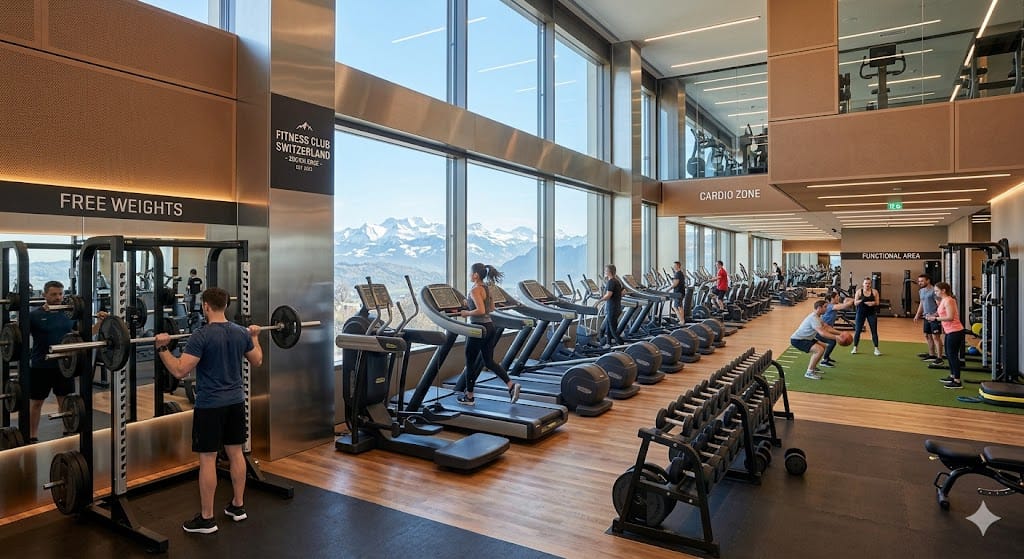

Swiss Fitness Memberships Reach Record High

Fitness participation in Switzerland has reached a new record, with gym memberships and industry revenue rising significantly over the past year, according to the latest Key Data Study 2026.

The report shows that around 1.45 million people were registered in fitness centres last year—roughly one-fifth of the adult population. This growth has contributed to a 4.4% increase in industry turnover, bringing total revenue to approximately CHF 1.36 billion.

The data also indicates a steady rise in the number of fitness centres across the country, reflecting growing demand for health and wellness services.

Young adults aged 20 to 29 were the most active group in gym memberships. Industry body Swiss Active linked this trend to a broader “health megatrend,” particularly influencing younger generations who are more focused on fitness, lifestyle, and wellbeing.

Demand has increased for services such as personal training, nutritional guidance, and wellness coaching. However, the study also found a slight decline in participation in digital training programs and group fitness classes.

Experts say the rise in gym participation reflects a stronger national focus on preventive health, physical fitness, and mental wellbeing, especially among younger adults.

The Swiss fitness industry continues to expand as lifestyle changes and health awareness drive more people toward structured exercise routines.

Zurich Study Shock: Orphanage Children Live 12 Years Less

A new study from University of Zurich has revealed concerning long-term effects on individuals who grew up in childcare institutions in Switzerland.

According to the research, people who were placed in orphanages during childhood—particularly in the 1950s—lived on average up to 12 years less than those raised in family environments.

Researchers highlight that the primary cause behind this difference is not physical care, but emotional deprivation. Although children in institutions received adequate medical attention and basic physical care, they lacked stable emotional bonds, affection, and consistent developmental support.

In many cases, children spent most of their day alone, with limited interaction with caregivers—sometimes less than one hour per day. This isolation was largely due to institutional practices aimed at preventing disease transmission.

The study analyzed data from 830 individuals. More than half of the participants had grown up in childcare institutions between 1958 and 1961, while the rest were raised in family settings.

Findings showed that premature deaths before the age of 40 were approximately twice as common among those raised in institutions compared to those raised in families.