Expert Report Says Ignored Warning Signals Worsened Gotthard Train Derailment

A new expert investigation into the 2023 Gotthard Base Tunnel derailment has revealed that warning signals were reportedly ignored before the major railway accident occurred.

According to a report commissioned by the Ticino public prosecutor’s office, Swiss Federal Railways (SBB) may have been able to prevent or reduce the severity of the derailment inside the Gotthard Base Tunnel.

The accident happened in August 2023 after a wheel on the eleventh freight wagon broke while the train was travelling through the tunnel. The failure caused extensive infrastructure damage, resulting in repair costs estimated at around CHF150 million and the closure of one tunnel tube for more than a year.

The newly released findings, obtained by Swiss broadcaster SRF, state that a series of warning alerts appeared in SBB’s operational systems after the wheel defect occurred. However, operators allegedly failed to react to the warning messages in time.

Investigators believe earlier intervention, including emergency measures to stop the train, could potentially have limited the scale of the destruction inside one of Europe’s most important rail corridors.

The report has sparked renewed debate over railway safety systems, operational procedures, and monitoring technology within Switzerland’s transport network.

Industry representatives and transport experts are now calling for a detailed review of emergency response protocols and automated warning systems to prevent similar incidents in the future.

The Gotthard Base Tunnel is a key part of European freight and passenger transport infrastructure, linking northern and southern Europe through the Swiss Alps. The prolonged closure following the derailment caused significant disruption to international rail traffic and logistics operations.

Authorities are expected to continue examining accountability and operational responsibilities as part of the ongoing legal investigation.


France Demands Switzerland Reform Cross-Border Jobless Benefits System

France is increasing pressure on Switzerland to reform unemployment benefit rules for cross-border workers following a new agreement between Switzerland and the European Union.

French Labour Minister Jean-Pierre Farandou urged Switzerland to accelerate implementation of the revised system, which would shift responsibility for unemployment payments to the country where a person works rather than where they live.

Under the current arrangement, France pays unemployment benefits to many French residents employed in Switzerland after they lose their jobs.

French officials argue that this system creates a major financial burden for neighbouring countries with large numbers of cross-border commuters.

Speaking before the French parliament, Farandou stated that France currently loses around €860 million annually under the existing rules.

He noted that a timetable for implementation has already been agreed with Luxembourg and stressed that Switzerland must also comply with agreements linked to the European Union.

The reform proposal follows nearly a decade of negotiations between EU member states and aims to modernise rules affecting thousands of cross-border workers across Europe.

However, Swiss authorities have raised concerns about the financial impact of the changes.

According to estimates from the State Secretariat for Economic Affairs (SECO), Switzerland could face additional annual costs ranging between CHF600 million and CHF900 million if the new rules are implemented.

The issue is particularly significant for border regions where many residents commute daily between France and Switzerland for work.

Analysts say the debate could become an important topic in future Switzerland-EU relations and labour market negotiations.

The proposed reform highlights the growing economic and political challenges surrounding cross-border employment in Europe as governments seek fairer distribution of social welfare costs.

New Report Claims Swiss Rail Operator Could Have Prevented Gotthard Tunnel Accident

A new expert report into the 2023 Gotthard Base Tunnel accident has concluded that Swiss Federal Railways (SBB) could potentially have prevented the severe incident that caused major damage and a prolonged tunnel closure.

The accident occurred in August 2023 when a broken wheel on a freight wagon led to serious damage inside the Gotthard Base Tunnel, resulting in losses estimated at around CHF 150 million and a closure lasting over a year.

According to the report commissioned by the Ticino public prosecutor’s office, multiple warning signals appeared on SBB’s operational monitoring systems after the wheel failure. However, the report claims that these alerts were not acted upon in time, allowing the train to continue through the tunnel.

The findings suggest that earlier intervention, including an emergency stop, could have reduced the severity of the damage or possibly prevented it altogether.

Criticism has since emerged from industry representatives. Josef Dittli, who also leads an association of freight wagon operators, stated that the system failed to respond appropriately despite clear warning signals.

Railway union representative Philipp Hadorn also questioned the lack of emergency braking, arguing that the response did not align with standard safety expectations in such situations.

The report highlights broader concerns about safety monitoring systems in complex rail infrastructure such as the Gotthard Base Tunnel, one of the most important transport corridors in Europe.

The findings are expected to prompt further discussions on operational safety procedures, digital monitoring systems, and emergency response protocols within Switzerland’s rail network.

Google Introduces “Googlebook” AI-Powered Laptop with Gemini Intelligence

Google has announced a new generation of AI-powered laptops called Googlebook, marking a major evolution beyond the Chromebook lineup. The devices are built using Gemini Intelligence and integrate both Android and ChromeOS technologies into a single unified ecosystem.

The new Googlebook laptops are designed to provide advanced artificial intelligence assistance for everyday computing tasks. A key feature called Magic Pointer allows users to interact more intelligently with content. For example, clicking a date inside an email automatically creates a calendar event, while selecting images enables instant visual organization and display.

Googlebook also introduces a feature called Create Your Widget, which allows users to build personalized dashboards by combining apps such as Gmail, Calendar, and other Google services. This enables users to manage travel plans, family events, hotel bookings, countdowns, and more from a single interface.

The devices operate fully within the Android ecosystem, allowing seamless integration between mobile phones and laptops. Users can access mobile applications directly from the laptop, such as ordering food or completing learning apps like Duolingo without switching devices.

Another feature, Quick Access, enables users to view and manage mobile files directly within the laptop’s file system, improving cross-device productivity.

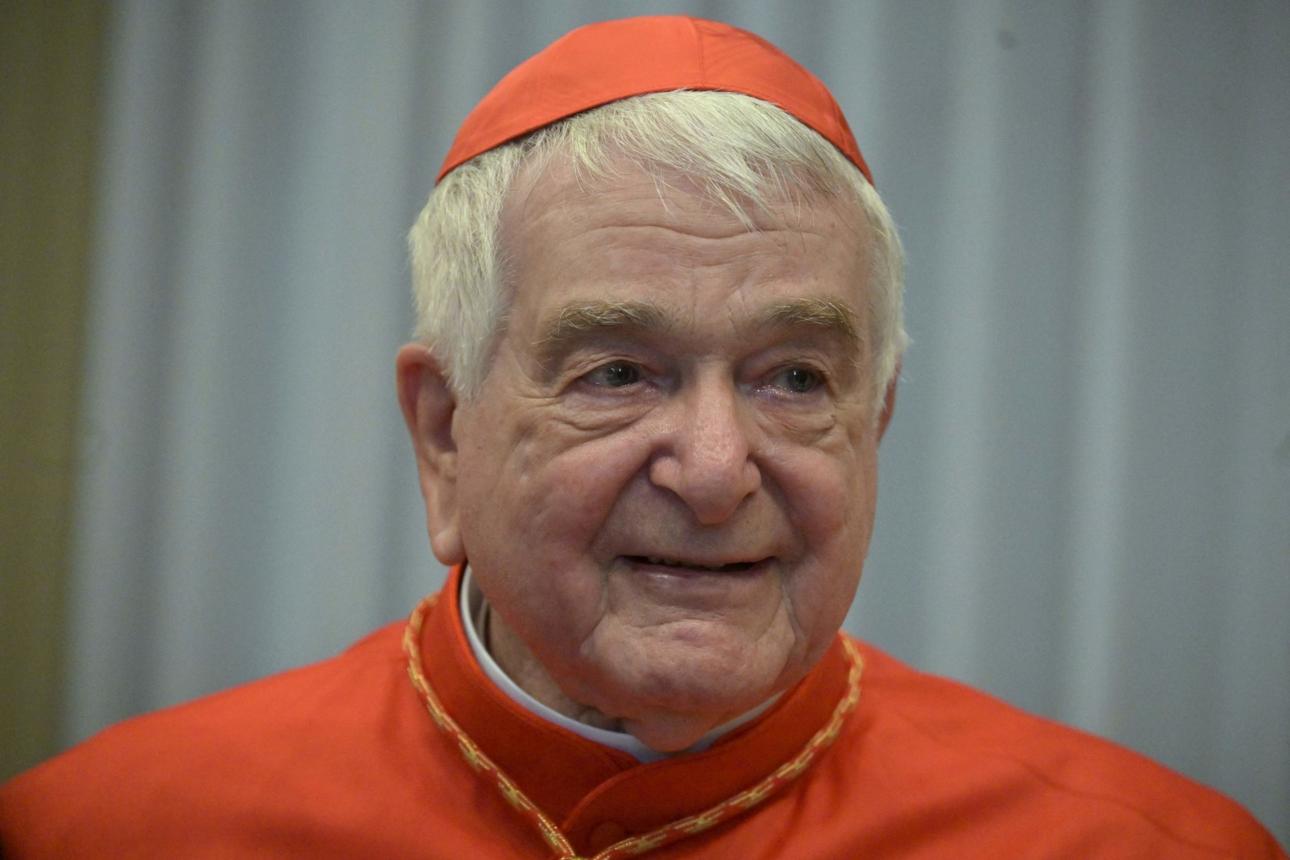
Swiss Cardinal Emil Paul Tscherrig Dies at 79.

Emil Paul Tscherrig, a senior Swiss Catholic Church figure and Vatican diplomat, has died in Rome at the age of 79, according to a Vatican spokesperson confirmed on Tuesday.

Born in Unterems in the Swiss canton of Valais, Tscherrig came from a family of mountain farmers and later became one of the most influential Swiss figures in the Roman Catholic hierarchy. His death marks the loss of a prominent member of the global Catholic leadership.

Tscherrig served for decades in the diplomatic service of the Holy See, joining the Vatican’s foreign service in 1978 after completing studies in philosophy, theology, and canon law in Switzerland and Rome. He was ordained a priest in 1974 in the Diocese of Sion.

He later held several key diplomatic roles, including serving as the first non-Italian papal ambassador to Italy and San Marino. He remained active in Vatican diplomacy until his retirement in 2024 and lived in Rome thereafter.

In 2023, Pope Francis elevated him to the rank of Cardinal. Tscherrig was also a participant in the papal conclave that elected Pope Leo XIV last year, making him part of one of the most significant decision-making bodies in the Catholic Church.

At the time of his death, the College of Cardinals consisted of 242 members, including 118 electors under the age of 80 who are eligible to vote in future papal elections.

Swiss Church officials and Vatican representatives have highlighted Tscherrig’s long-standing contribution to international diplomacy, church governance, and interfaith relations. His career reflects a rare path from rural Switzerland to the highest levels of the global Catholic Church.

Switzerland Ranks 3rd Globally in R&D Intensity

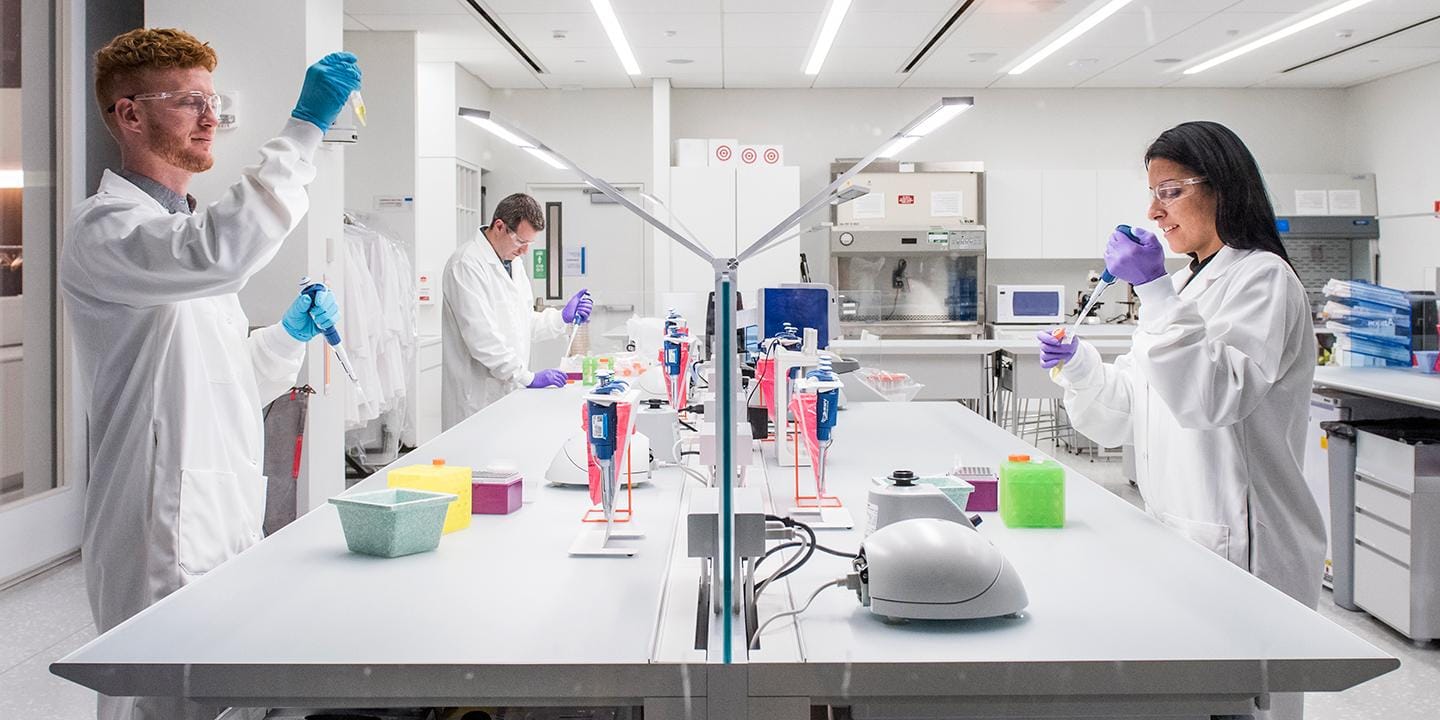
Switzerland continues to strengthen its position as a global innovation hub, with major companies ranking among the world’s top investors in research and development (R&D), according to a new EY study published on Tuesday.

The analysis of the world’s 500 largest corporate R&D spenders shows that Swiss firms achieved the third-highest research intensity globally in 2025, measured by the ratio of R&D spending to revenue. Only companies in the United States and the Netherlands ranked higher.

Swiss corporations recorded an average R&D intensity of 8.4%, significantly above the European average of 6.7%, although still below the United States, which leads with 9.2%.

In total, Swiss companies invested approximately €34 billion (CHF 31.2 billion) in innovation last year, placing Switzerland sixth worldwide in total R&D expenditure.

The study highlights the strong contribution of Basel-based pharmaceutical giants. Roche remains one of the world’s leading investors in innovation, spending €14.3 billion on R&D. Novartis also plays a key role, investing €9.9 billion and ranking among the top global companies.

According to EY analysts, medicines continue to be the most research-intensive industry worldwide, reflecting the importance of pharmaceutical innovation in Switzerland’s economy.

However, the report also highlights a growing gap between Europe and the United States. While American companies increased R&D spending by 12% in 2025, European firms saw only a 5% increase, with relatively stagnant revenue growth.

At the global level, technology giants dominate absolute R&D spending. Companies such as Amazon, Alphabet (Google), and Meta (Facebook) lead the rankings, with Amazon alone investing more than €96 billion, largely driven by artificial intelligence development.

EY concludes that global companies are prioritising innovation more than ever, with R&D budgets growing faster than overall revenues. This trend reinforces the importance of research investment in maintaining long-term competitiveness.

GemGenève Hits Record Attendance Amid Market Uncertainty.

The international fine jewellery exhibition GemGenève has closed its 10th edition with record attendance, despite ongoing global economic and geopolitical uncertainty.

Held at Palexpo Geneva from May 7 to 10, the event attracted 5,365 visitors, surpassing the previous edition’s 4,970 attendees. Organisers confirmed that this marks one of the most successful editions since the show began in 2018.

The event brought together exhibitors including traders, jewellers, designers, and artisans from around the world. Participants reported strong engagement, high-quality business discussions, and favourable conditions for completing transactions, even in a challenging global market environment.

Co-founder Ronny Totah said the show demonstrated that the jewellery market remains resilient, driven by rarity, craftsmanship, and trust. He added that despite geopolitical tensions and slowing markets, demand for fine jewellery continues to show strong international interest.

This year’s edition featured participants from 109 nationalities, with notable increases in repeat visitors. Attendance rose by more than 10% compared with the previous year, with strong representation from Switzerland, France, Italy, Belgium, the United Kingdom, and the United States.

Organisers stated that GemGenève continues to position itself as a global hub for the jewellery industry, connecting traditional craftsmanship with modern design innovation. The strong turnout signals ongoing confidence in the high-end luxury sector despite global financial uncertainty.

UNICEF: Family Background Strongly Shapes Educational Success in Switzerland

A new analysis by UNICEF shows that children’s educational opportunities in Switzerland are strongly influenced by their social and family background, raising concerns about growing inequality at the start of life.

The report highlights that Switzerland remains a country with strong social support systems, but significant disparities persist between privileged and disadvantaged children. In an international comparison, Switzerland is among the countries where the gap in academic performance between these groups is particularly wide.

According to UNICEF, around 91% of children from privileged households achieve basic educational skills, while only 46% of children from disadvantaged backgrounds reach the same level. The organisation states that parents’ education level, financial stability, and ability to provide daily support play a major role in determining outcomes.

The study also finds that inequality extends beyond education. Children from lower-income households report significantly lower life satisfaction compared to their more privileged peers, indicating wider social and emotional impacts.

In terms of lifestyle differences, the report shows that 52% of children from privileged families eat vegetables daily, compared to 43% among disadvantaged children, reflecting broader inequality in health and nutrition.

UNICEF warns that these disparities have been worsening in recent years. Both child poverty and income inequality in Switzerland have increased by more than 10% over the past decade. The organisation notes that Switzerland is among OECD countries experiencing some of the strongest increases in inequality-related indicators.

The findings are based on a UNICEF survey examining child well-being in wealthy nations. The report calls attention to the need for stronger policy measures to reduce inequality and ensure equal opportunities for all children regardless of background.

Swiss Patients Return Home After Treatment Abroad

Following the major fire disaster at the “Le Constellation” bar in Crans-Montana, all Swiss patients who were treated abroad have now safely returned home, according to the Federal Office for Civil Protection.

The blaze, which occurred on New Year’s Eve, resulted in 41 deaths and 115 injuries. In total, 38 injured individuals were transferred to specialised burn units across Europe, including clinics in Belgium, Germany, France, and Italy. Among them, 22 were Swiss residents.

The Federal Office for Civil Protection (FOCP) confirmed that a specialised coordination body, known as the Medical Board, managed the international repatriation process and ensured patients received appropriate care abroad before returning to Switzerland.

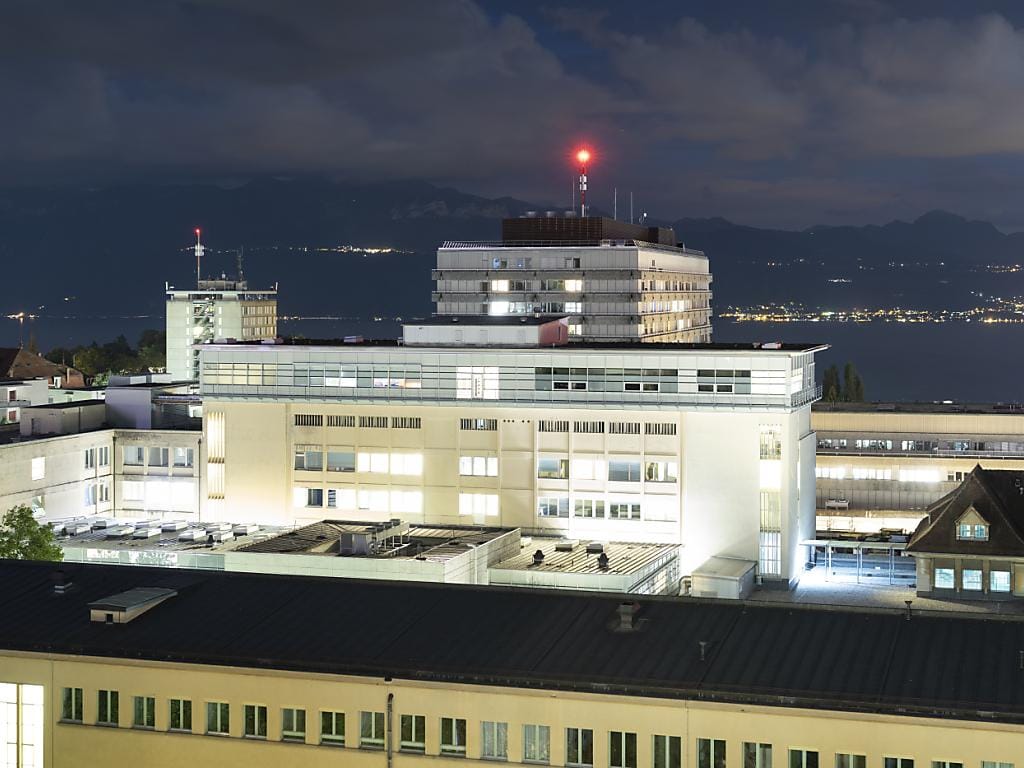
Most patients have now been transferred to hospitals in western Switzerland as well as the SUVA Clinic Sion for continued treatment close to their homes. Some critically injured patients are still being treated in intensive care units at the Lausanne University Hospital (CHUV) and the University Hospital Zurich (USZ).

Authorities reported that European cooperation played a crucial role in managing the disaster response. Under the Union Civil Protection Mechanism, 24 countries offered medical support, specialist burn units, and emergency transport services to assist Switzerland during the crisis.

Swiss officials emphasized that managing mass casualty events involving severe burn injuries requires strong international collaboration. However, Switzerland is not yet part of the EU’s civil protection mechanism, although preparations are underway for possible future participation.

The Federal Office for Civil Protection stated that ongoing cooperation between hospitals across Switzerland helped stabilize patients and also allowed additional burn victims from other incidents to receive treatment.

Authorities confirmed that recovery efforts are still ongoing, but the return of Swiss patients marks a significant milestone in the post-disaster response.

New Report Highlights Anti-Semitic History Linked to Richard Wagner in Lucerne

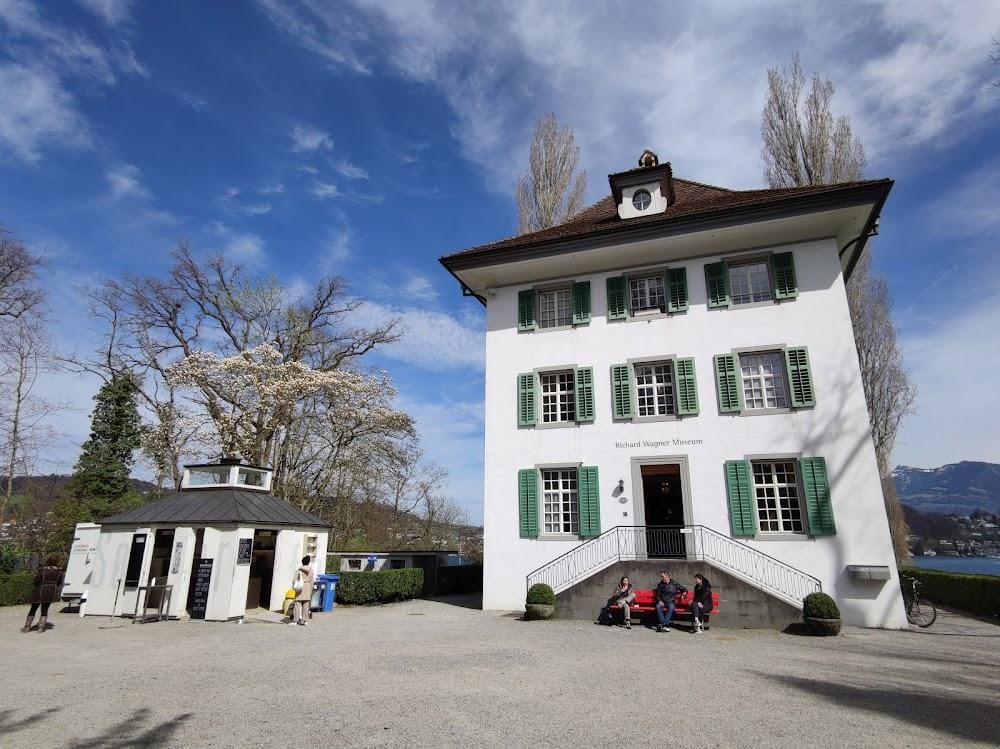
Lucerne has released a new historical report examining the anti-Semitic views of Richard Wagner and the origins of the Richard Wagner Museum. The 58-page investigation concludes that Wagner’s anti-Semitism was “very clear and unmistakable.”

The city of Lucerne and the museum commissioned the research after political parties in the city parliament called for a critical review of the museum’s permanent exhibition in 2023. The study was conducted by the Swiss Society for History with oversight from an independent scientific advisory board.

Wagner lived on the Tribschen peninsula in Lucerne between 1866 and 1872. During this period, he completed major operas including Die Meistersinger von Nürnberg and Siegfried, while also working on Götterdämmerung and composing the Siegfried Idyll.

According to historian Patrik Süess, Wagner strengthened his radical nationalist and anti-Semitic ideology during his years in Lucerne. The report also identified historical links between individuals involved in establishing the museum and Nazi-affiliated circles during the 1930s and 1940s.

In response, Lucerne city officials stated that anti-Semitism is completely incompatible with the city’s values. Authorities emphasized that the Richard Wagner Museum now addresses Wagner’s anti-Semitic statements openly and critically rather than ignoring or minimizing them.

The city announced that the findings will be integrated into future museum projects, including a special exhibition, educational programmes for schools, guided tours, and a revised museum publication beginning in 2027.

The report has reopened discussions across Switzerland and Europe about how cultural institutions should present the legacy of influential historical figures whose works are connected to discriminatory ideologies.