

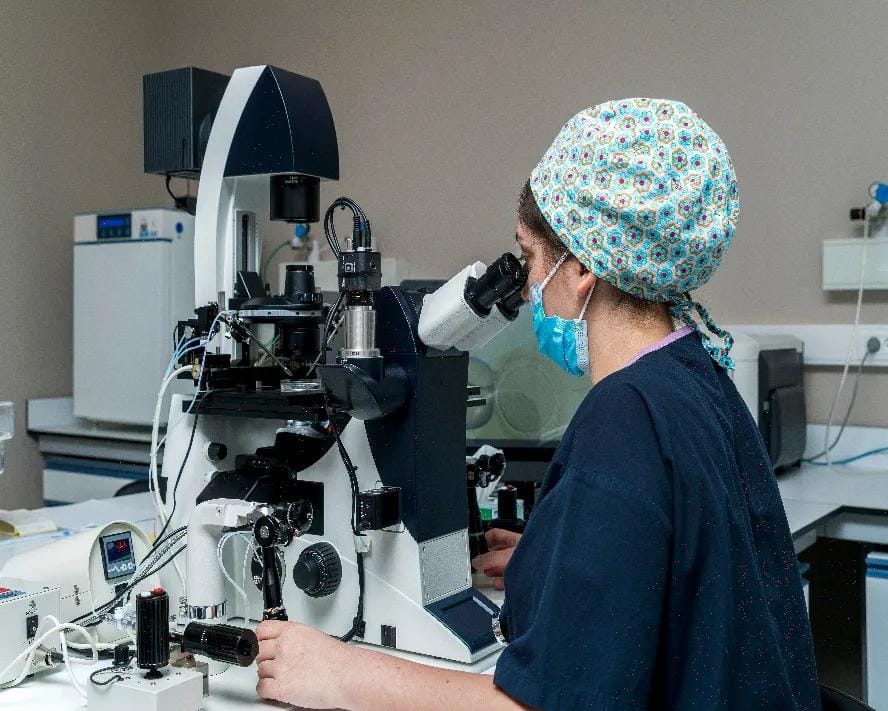

Sperm Quality in Swiss Recruits Remains Stable, Study Shows.
A new scientific study has found that sperm quality among young Swiss men has remained stable over recent years, contrasting with global reports of declining male fertility indicators.
The research was conducted by the University of Zurich and the Zurich University Hospital and published in the journal New Microbes and New Infections. It compared data from 194 Swiss army recruits examined in 2021 with findings from 2,523 young men tested between 2005 and 2017.
Researchers evaluated key indicators of reproductive health, including semen volume, total sperm count, sperm concentration, and sperm motility. The results showed that these measurements have remained relatively consistent over time, suggesting no further decline in sperm quality among the study groups.
According to the study, 41% of men tested in 2021 had at least one sperm parameter below World Health Organisation reference standards. In the earlier dataset, this figure was significantly higher at 62%, indicating an apparent improvement.
However, researchers caution that the results should be interpreted carefully. They note that differences in participant selection may have influenced the findings, meaning the apparent stability or improvement could partly reflect sampling bias rather than a true population-wide trend.
Despite these limitations, the study provides important insight into reproductive health trends in Switzerland and contributes to the ongoing global discussion about potential changes in male fertility. Scientists emphasize the need for further long-term research to confirm whether sperm quality trends are truly stable.