


Weight Loss Drugs May Impact Brain Reward System.
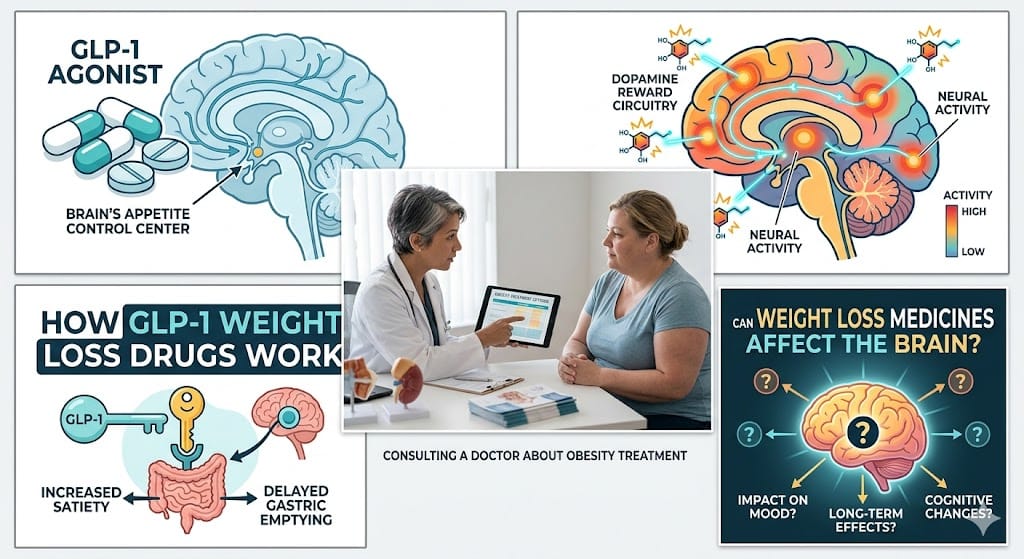
Researchers have raised concerns that new-generation weight loss medications may directly affect the brain’s pleasure and reward system in addition to reducing appetite.
Recent studies on GLP-1 based weight loss drugs suggest that these medications may influence dopamine activity in the brain. Dopamine is a chemical linked to pleasure, motivation, reward, and addictive behavior.
The research, supported by the National Institutes of Health and conducted by scientists at University of Virginia, found that GLP-1 medications may alter how the brain responds to food cravings and reward signals.
Experts say these medicines not only reduce hunger but also decrease cravings for high-calorie foods by affecting brain pathways related to pleasure and satisfaction. Scientists believe this could help people better control overeating and manage obesity more effectively.
However, researchers also warn that altering dopamine-related brain activity could potentially influence emotional responses, addictive behaviors, and feelings of enjoyment. Medical experts stress that further long-term studies are needed to fully understand the neurological impact of these drugs.
Health specialists recommend that people use weight loss medications only under professional medical supervision. Doctors say careful monitoring is important because these treatments may affect both physical and mental health.
GLP-1 based medicines have become increasingly popular worldwide for obesity treatment and diabetes management, but scientists continue to study their broader effects on the human brain and behavior.