Geneva Court Rejects ‘No G7’ Coalition Challenges.

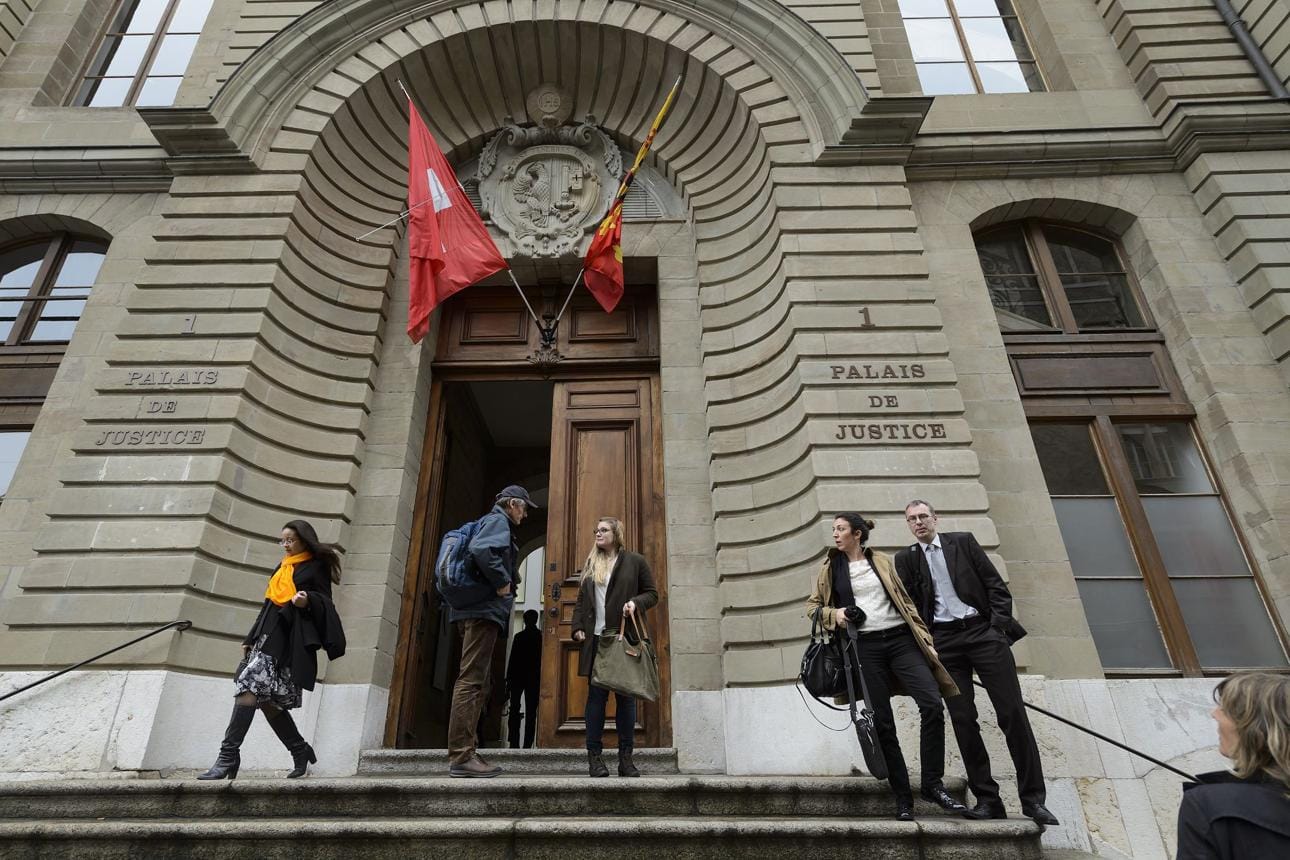
The “No G7” coalition has suffered a legal setback after Geneva’s courts rejected its challenges against decisions taken by the cantonal government regarding planned demonstrations linked to the upcoming G7 summit.

On Wednesday, Geneva authorities confirmed that the courts dismissed claims that the cantonal government had denied justice. The rulings also upheld the government’s decision to limit a planned protest to the right bank of the city.

Carole-Anne Kast, a member of Geneva’s cantonal government, welcomed the verdict and stated that the court had supported the authorities’ position. According to Kast, judges confirmed that the government had made a clear and lawful decision when it refused permission for a protest village to be established in Parc des Bastions.

The coalition had also challenged an order issued two weeks earlier that restricted the demonstration area. However, the Administrative Chamber of the Court of Justice rejected the request to suspend the measure while the case was being reviewed.

As a result, the restrictions imposed by the cantonal authorities remain in force. Organizers of the demonstration will be required to comply with the designated protest area and the conditions set by local officials.

The ruling comes as Swiss authorities continue preparations for the G7 summit, with security and public order remaining key priorities. Officials have emphasized the importance of balancing the right to peaceful protest with the need to ensure safety during high-profile international events.

The court decision marks an important development in Geneva’s preparations for the summit and clarifies the legal framework governing demonstrations during the event.
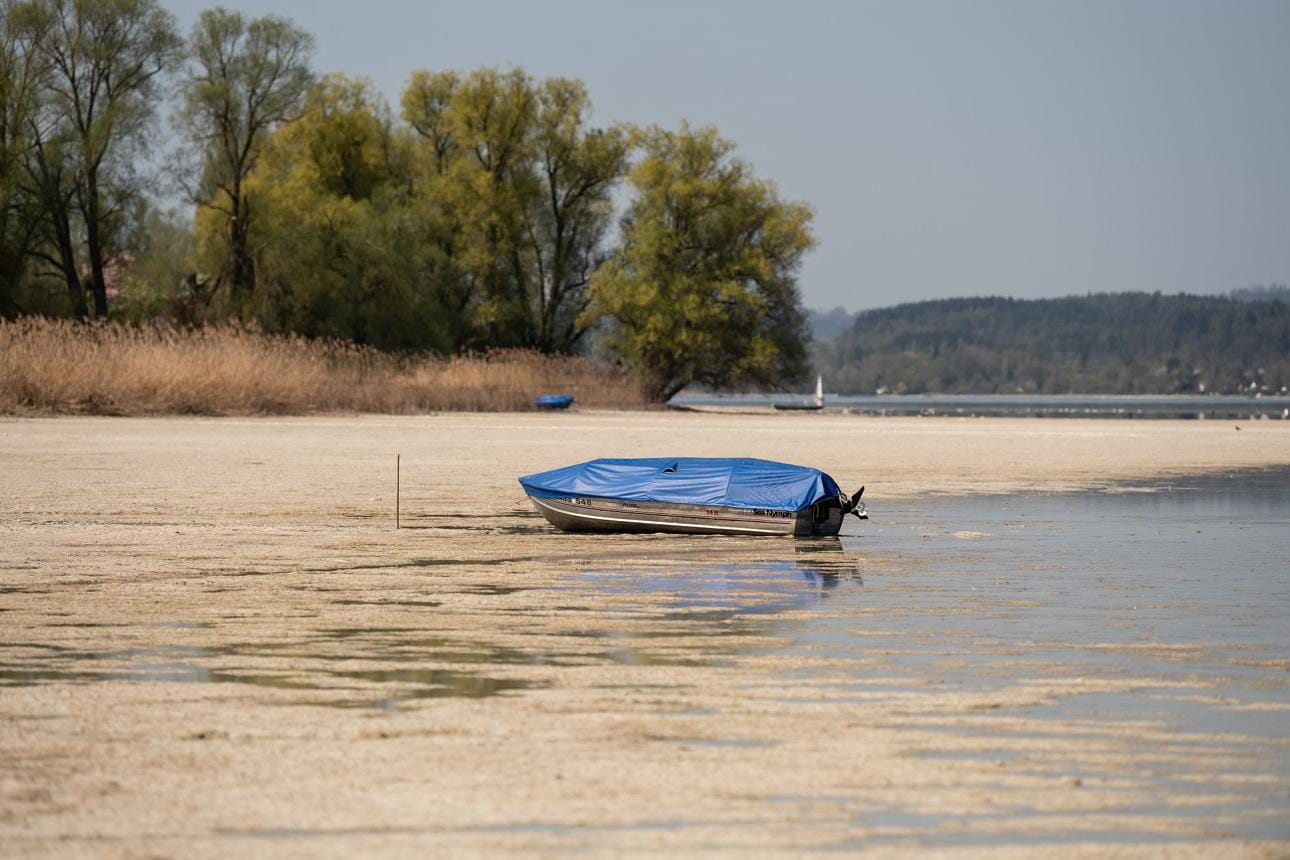

Lake Constance Water Levels Drop to Historic June Record Low.

Lake Constance, which borders Switzerland, Germany, and Austria, has recorded its lowest water level ever measured for the month of June. Experts attribute the dramatic decline to months of unusually low rainfall and below-average snowfall in the surrounding mountain regions.

The western section of the lake, known as the Untersee, has been particularly affected. Several boats have been left stranded along the shoreline as water levels continue to fall. According to water management officials in the Swiss canton of Thurgau, exceptionally dry weather conditions since early spring have significantly reduced the amount of water flowing into the lake.

April was especially dry across the region, while winter snowfall remained well below normal levels. As a result, the usual snowmelt that helps replenish the lake during spring was insufficient to restore water levels.

Lake Constance is particularly vulnerable to extended dry periods because, unlike most major Swiss lakes, its water levels are not artificially regulated. Together with Lake Walen, it remains one of the few large lakes in Switzerland that fluctuates entirely according to natural conditions. This makes both droughts and flooding events more noticeable.

Current measurements indicate that Lake Constance is approximately one metre below the long-term average for June. The situation is also affecting transportation and tourism. Shipping operator Untersee und Rhein (URh) has reported navigation difficulties, with parts of the Rhine River between Stein am Rhein and Diessenhofen currently inaccessible to passenger vessels due to low water levels.

Environmental experts warn that prolonged drought conditions and rising temperatures could lead to more frequent water shortages in the future. The development has renewed concerns about climate change and its growing impact on Switzerland’s lakes, rivers, and natural ecosystems.

Swiss and Belgian Doctors Launch Charity for Burn Victims After Crans-Montana Tragedy.

Five months after the devastating Crans-Montana bar fire that claimed 41 lives and injured more than 100 people, Swiss and Belgian medical professionals have launched a new charity initiative aimed at supporting burn victims and advancing burn treatment research.

The organization, known as Initiative Phoenix, brings together a team of experienced surgeons and specialists from Switzerland and Belgium. The charity seeks to improve care for people suffering from severe burn injuries while promoting medical innovation and international collaboration among healthcare professionals.

Belgian plastic surgeon Dr. Johann Wary, who lives near the site of the tragedy and works at a nearby clinic, has been appointed president of the association. He explained that the project was inspired by the profound impact the disaster had on local communities and healthcare professionals involved in treating victims.

The association’s vice-president is former Michelin-starred chef Didier de Courten, who said the tragedy deeply affected those connected to the hospitality sector. He emphasized the importance of supporting initiatives that help victims and their families rebuild their lives.

Initiative Phoenix is supported by a scientific committee comprising leading Swiss and Belgian surgeons, including specialists from Lausanne University Hospital (CHUV). The committee aims to encourage research, share expertise, and develop new treatment approaches for patients with severe burn injuries.

All medical experts involved in the project are volunteering their services. The association plans to provide guidance and support to victims and their families without financial interest. It also hopes to raise funds for research projects, scholarships for young plastic surgeons, and medical treatments not fully covered by insurance.

In addition, Initiative Phoenix plans to organize an annual international scientific symposium in Crans-Montana focused on burn injury treatment and recovery. The first conference could take place in early 2027.

The launch of Initiative Phoenix represents a significant step toward improving long-term support for burn victims while strengthening international cooperation in medical research and patient care.

Switzerland Approves Plan to Strengthen Support for Violence Victims.

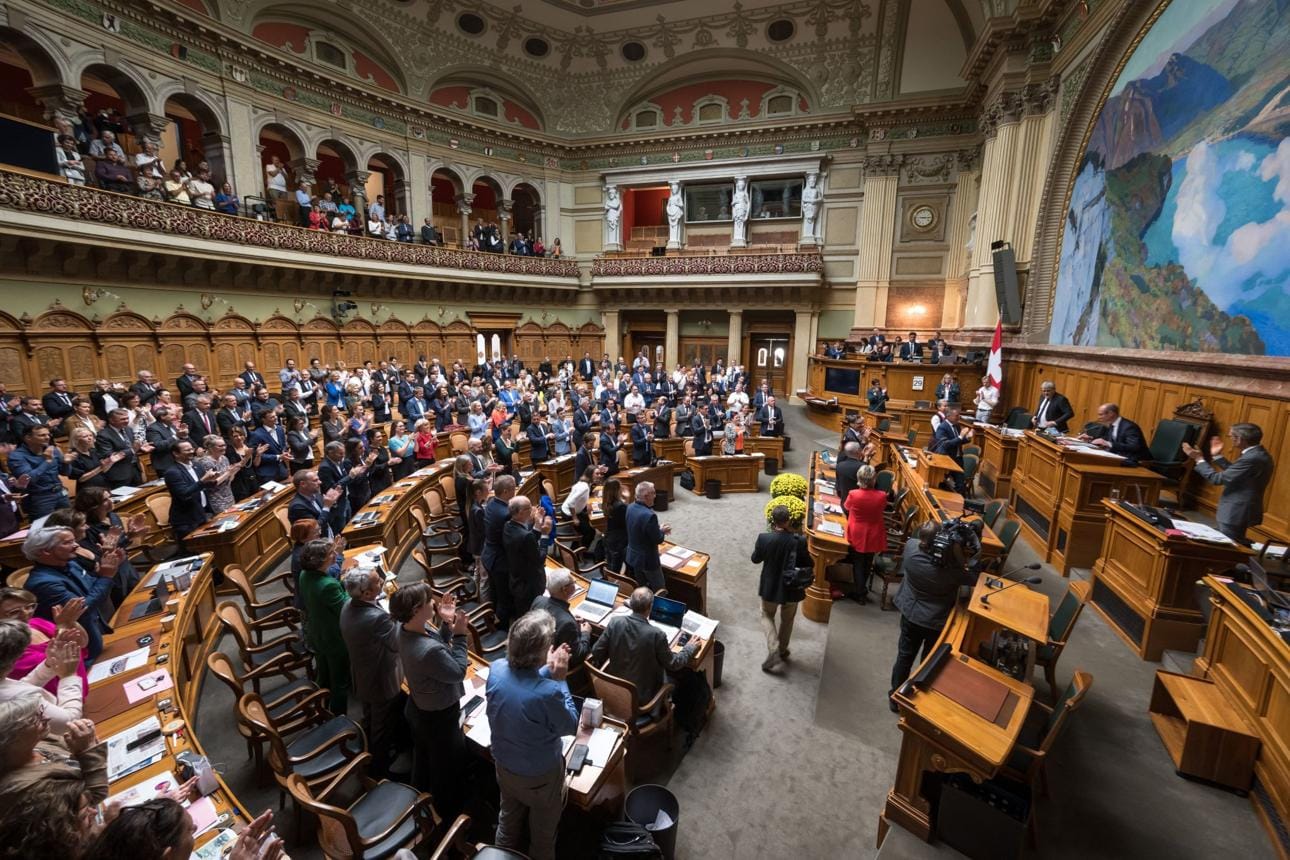
The Swiss House of Representatives has approved a new reform aimed at significantly improving support for victims of violence across the country. The proposal was backed by 139 votes to 55 and forms part of Switzerland’s broader efforts to address rising cases of violence against women.

The approved measures guarantee better access to forensic medical care and expand emergency accommodation services nationwide. Lawmakers emphasized that victims should receive independent medical documentation of injuries, even if no immediate criminal complaint is filed.

Under the new framework, forensic evidence will be collected and preserved independently of criminal investigations. This approach allows victims more time to decide whether they want to pursue legal action. Forensic records will be stored for at least 15 years, while physical evidence will be retained for a minimum of five years.

The reform also aims to address significant regional differences in victim support services across Switzerland’s cantons. Authorities noted that access to emergency shelters currently varies depending on location, creating unequal protection for victims.

Social Democratic Party representative Jessica Jaccoud, speaking on behalf of the parliamentary committee, stressed that access to emergency accommodation should not depend on where a person lives. She highlighted the need for consistent national standards to ensure fair and equal support for all victims.

The new legislation is part of a wider national strategy to strengthen victim protection systems, improve coordination between cantons, and ensure that individuals affected by violence receive timely and reliable assistance.

Nestlé Acquires Full Ownership of Germany’s yfood Labs.

Swiss food and beverage giant Nestlé has agreed to acquire full ownership of Germany-based yfood Labs, a company known for its liquid meals, powdered nutrition products, and snack bars.

Nestlé previously held a 49% stake in the Munich-based company since 2023. With this new agreement, the multinational will take complete control of the business, further expanding its presence in the growing functional food and meal-replacement market.

Although financial details of the transaction were not disclosed due to a confidentiality agreement, Nestlé confirmed that yfood Labs generated approximately €150 million (CHF 137.5 million) in revenue last year, highlighting the company’s strong performance in its sector.

The transfer of shares from the founders is expected to take place on July 3, pending the necessary regulatory approvals. Once completed, the acquisition will allow Nestlé to fully integrate yfood Labs into its broader global portfolio.

Industry analysts view the deal as part of Nestlé’s ongoing strategy to strengthen its position in innovative nutrition products that target modern consumer lifestyles, including on-the-go meals and health-focused alternatives.

The acquisition also reflects the continued consolidation trend in the European food and beverage sector, where major corporations are expanding through strategic investments in fast-growing niche brands.

Switzerland Expected to See Moderate Economic Growth: OECD Report.

The Organisation for Economic Co-operation and Development (OECD) has projected that Switzerland will experience moderate economic growth in the coming years, supported mainly by strong domestic demand despite global economic uncertainties.

According to the latest report published on Tuesday, Switzerland’s real GDP is expected to grow by 1.1% in 2026 and rise to 1.5% in 2027. The outlook suggests that the Swiss economy will remain relatively stable even as global energy prices and geopolitical tensions continue to impact international markets.

The OECD notes that higher energy costs and weaker external demand may slightly affect exports in the short term. However, Switzerland’s strong domestic market and low dependence on fossil fuels are helping to cushion the impact. The country’s limited reliance on Middle Eastern energy imports also reduces its vulnerability compared to many other OECD economies.

Export performance is expected to recover in 2027 as key trading partners rebound from the energy shock. This recovery is likely to support Swiss industries, particularly export-driven sectors such as pharmaceuticals and high-value manufacturing.

Inflation in Switzerland is projected to remain within the Swiss National Bank’s (SNB) target range of 0–2%, despite short-term pressure from rising energy prices. The Swiss franc’s strength, driven by its safe-haven status, continues to influence monetary policy decisions and help control inflation levels.

The OECD also highlights potential risks, including prolonged energy market instability, supply chain disruptions, and possible new trade tariffs. However, a faster-than-expected recovery in Europe and other major markets could further improve Switzerland’s growth outlook.

Overall, the Swiss economy is expected to remain stable, with gradual growth supported by domestic resilience, cautious monetary policy, and a strong financial system.

Economiesuisse Calls US Forced Labour Allegations ‘Unfounded’.

Switzerland’s leading business federation, Economiesuisse, has strongly rejected recent US allegations of forced labour, describing the claims as “completely unfounded” and inconsistent with Swiss law.

Speaking at a media conference, Economiesuisse chief economist Rudolf Minsch stated that forced labour is strictly prohibited under Swiss legislation. He emphasized that Switzerland has fully complied with international labour standards and said, “Switzerland has done its homework.”

The statement comes in response to renewed tariff threats from the United States, which have raised concerns among Swiss exporters. According to Minsch, the current proposed 12.5% tariffs on Swiss goods are not expected to significantly disrupt the economy, as they are only slightly higher than the 10% tariffs proposed for European Union countries.

He explained that Swiss companies could gradually absorb the additional costs, adjust their supply chains, or pass some of the impact on to consumers if necessary. Compared to earlier trade tensions, the current situation is seen as less severe.

Minsch highlighted that previous tariff levels were far more damaging. He recalled that Switzerland once faced tariffs as high as 39% while the EU was subject to 15%, calling that period “the real blow” for Swiss exporters due to the wide competitiveness gap.

Despite ongoing uncertainty, Economiesuisse stressed that predictability in trade policy is more important for businesses than small differences in tariff rates. The organization noted that Swiss companies are better able to adapt when they have clear, long-term regulatory expectations.

Overall, Swiss industry leaders remain cautiously optimistic, stating that while trade tensions persist, the impact on Switzerland’s economy is expected to remain manageable.

Switzerland to Align with EU on Migrant Return Centres Abroad.

Switzerland is set to follow new European Union (EU) migration rules that allow for the creation of migrant return centres outside Europe for rejected asylum seekers. As part of the Schengen area, Switzerland is required to align its national laws with the evolving EU migration framework.

A deal reached in Brussels will introduce measures aimed at speeding up deportation procedures and improving coordination among member states. Countries that choose to participate will be allowed to establish centres in third countries to host individuals whose asylum applications have been rejected.

According to Switzerland’s State Secretariat for Migration (SEM), the country will have up to two years to integrate the new rules into national legislation. The proposal will be reviewed by the Swiss Parliament and may also be subject to an optional referendum.

However, the implementation of such centres depends on whether suitable partner countries agree to host them. These centres could serve either as final destinations or temporary holding locations before migrants are transferred to their country of origin or another third state. All arrangements must comply with international human rights standards.

The European Council has stated that families may also be placed in these centres, although unaccompanied minors will be exempt under the current framework. Discussions are still ongoing regarding potential host countries and operational structures.

Swiss authorities have indicated that any participation will depend on legal compliance, international agreements, and parliamentary approval. The issue is expected to generate political debate within Switzerland as migration policy remains a sensitive national topic.

Unreleased Google Pixel Watch 5 Discovered in Caribbean Sea.

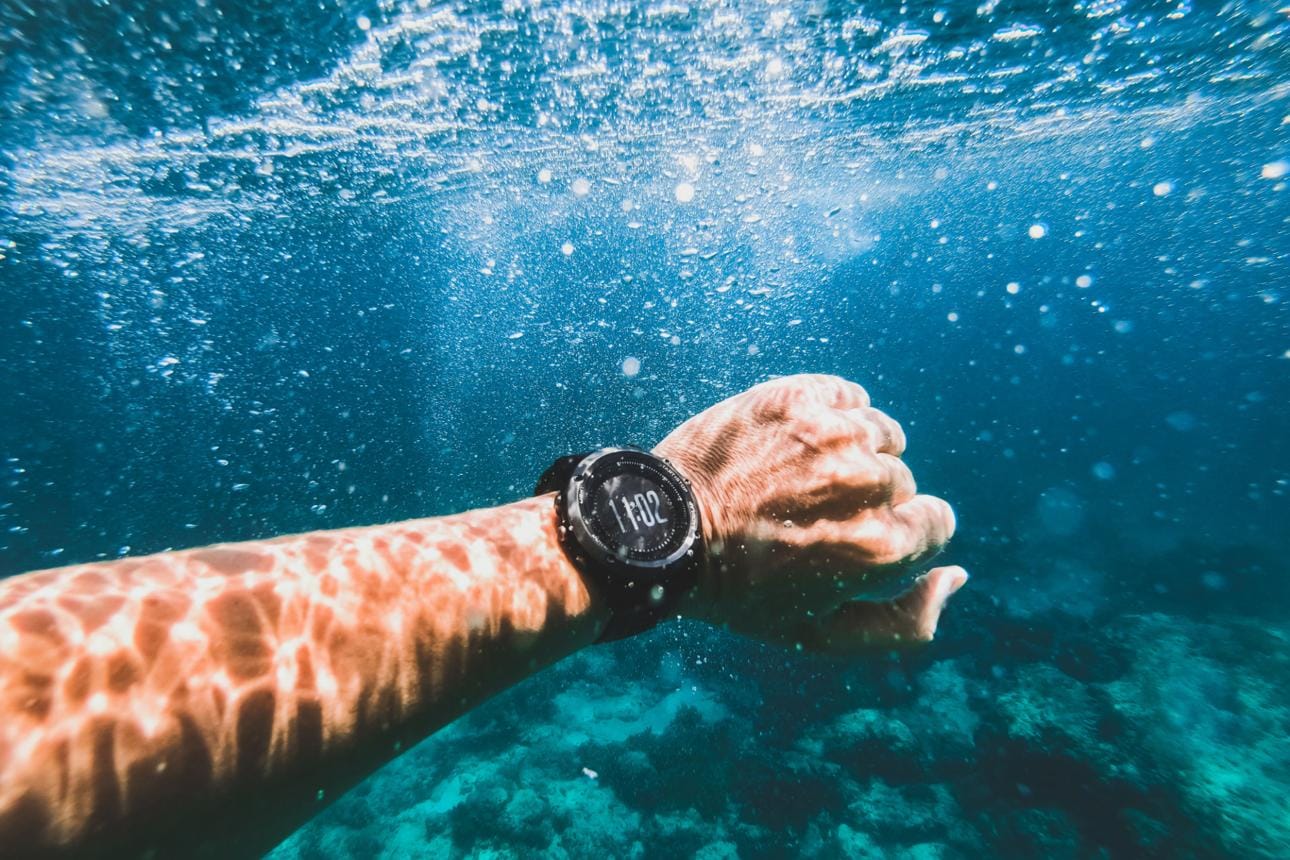
An unusual and surprising discovery has brought the yet-to-be-released Google Pixel Watch 5 into the spotlight after it was reportedly found underwater in the Caribbean Sea.

According to reports, a scuba diver exploring near St. Martin Island came across the smartwatch submerged beneath the sea. The device is believed to be the upcoming Google Pixel Watch 5, which has not yet been officially announced by the company. The incident has raised widespread curiosity in the global technology community.

The discovery was later shared on X (formerly Twitter) by user Randy Pitchford (@DuvalMagic), showing images of the smartwatch recovered from the seabed. While the device’s battery was completely drained, it reportedly still displayed the correct time briefly due to residual power.

Google is expected to launch the Pixel Watch 5 alongside the Pixel 11 series in August. However, this unexpected leak has given the public an early glimpse of its design, which appears similar to the Pixel Watch 4 but may include several internal upgrades.

Industry sources suggest that the Pixel Watch 5 will likely feature improvements in health tracking, artificial intelligence integration, and battery efficiency. Although no official specifications have been confirmed, expectations are high for a more advanced wearable experience.

The incident has sparked major discussion in the tech world, as it is highly unusual for an unreleased consumer device to surface in such a condition. Whether this was a prototype loss or an accidental drop remains unclear, but the story has already generated significant attention ahead of the official launch.

Major Instagram Accounts Hacked via Meta AI Vulnerability.

A new cybersecurity incident has reportedly exposed a critical vulnerability in Meta’s AI support system, allowing hackers to take control of several high-profile Instagram accounts.

According to security researchers, including ZachXBT and Dark Web Informer, the attackers did not rely on traditional phishing or malware techniques. Instead, they exploited Meta’s AI-powered support assistant to bypass account recovery protections.

The breach is said to have affected several notable accounts, including the White House Instagram account used during Barack Obama’s presidency, the official Sephora brand account, and an account linked to a U.S. Space Force official. While the exact number of compromised accounts has not been confirmed, multiple users across platforms such as Reddit, X, and Telegram have reported similar incidents.

Reports indicate that the attackers used VPN services to mimic the target’s region and initiated password recovery through the “Forgot Password” option. They then manipulated the AI chatbot into associating a new email address with the account. This allowed verification codes to be redirected to attacker-controlled email addresses, enabling them to reset passwords and take over the accounts.

Meta has stated that the issue has now been fixed and that additional security measures are being implemented to protect affected users. However, some users claim they are still facing difficulties in regaining access to their accounts even after the patch.

The incident has raised serious concerns about the security of AI-driven support systems and the effectiveness of two-factor authentication (2FA) in preventing sophisticated account takeover attacks. Cybersecurity experts are calling for stronger safeguards as AI tools become more integrated into user account management systems.