Swiss Study Finds Bitcoin Generates High CO2 Emissions.

A new Swiss study has highlighted the significant environmental impact of Bitcoin, revealing that a single Bitcoin transaction generates approximately 486 kilograms of carbon dioxide (CO2). The research was conducted by the Lucerne University of Applied Sciences and Arts in partnership with Swiss Economics on behalf of Germany’s Federal Environment Agency.

The findings underline the growing debate surrounding the environmental sustainability of cryptocurrencies. According to the study, Bitcoin remains one of the most energy-intensive digital currencies due to its mining process, which requires vast computing power and substantial electricity consumption.

Bitcoin mining involves thousands of computers worldwide competing to validate transactions and create new coins. This process, known as Proof of Work, consumes large amounts of energy and contributes significantly to global carbon emissions.

In contrast, the study found that Ethereum generates only around 0.003 kilograms of CO2 per transaction. This figure is even lower than the emissions associated with a transaction through online payment platforms such as PayPal. Ethereum’s lower environmental footprint is largely due to its transition away from energy-intensive mining systems.

Researchers note that the difference between Bitcoin and Ethereum highlights how blockchain technology can vary dramatically in terms of sustainability. While Bitcoin continues to face criticism for its environmental impact, newer blockchain systems are increasingly adopting energy-efficient approaches that significantly reduce electricity consumption.

The study adds to ongoing global discussions about the future of cryptocurrencies and their role in climate policy. As governments and regulators focus more closely on sustainability, environmental performance is expected to become an increasingly important factor in the development and adoption of digital currencies.

Experts believe the findings could encourage further innovation in the crypto industry, pushing developers toward greener technologies that balance financial innovation with environmental responsibility.


NZZ Fights Swissmedic Over Drug Advertising Claims.

One of Switzerland’s leading newspapers, Neue Zürcher Zeitung (NZZ), is taking legal action against Swissmedic after the regulator ordered the removal of several editorial publications that it classified as unauthorized advertising for prescription-only medicines.

According to reports, two separate cases are currently before Swiss courts. The dispute centers on whether journalistic content discussing medical treatments can be considered independent reporting or promotional material for pharmaceutical products.

In one case, Swissmedic challenged a first-person article written by a journalist about living with migraines. The Federal Administrative Court ruled in favor of Swissmedic in May 2025, stating that the article created a promotional impression and presented information in a one-sided manner. NZZ has appealed that decision to the Federal Supreme Court, seeking a final ruling on the matter.

The controversy extends beyond migraine reporting. Swissmedic also instructed NZZ to remove several publications related to weight-loss injections. These reportedly include a video feature, a personal weight-loss experiment series, and multiple journalistic articles discussing the treatments.

NZZ argues that the publications fall within the scope of legitimate journalism and public-interest reporting. The newspaper is challenging Swissmedic’s orders before the Federal Administrative Court, raising broader questions about media freedom, editorial independence, and health communication in Switzerland.

The legal battle highlights the growing tension between media organizations and regulatory authorities over the reporting of medical treatments and healthcare innovations. As prescription medicines become more widely discussed in the public sphere, courts may play a crucial role in defining the boundaries between journalism and advertising.

The outcome of these cases could have significant implications for Swiss media outlets, healthcare reporting, and the future regulation of medical content in Switzerland.

Swiss Government Boosts Funding for Global Sports Events.

The Swiss government has announced additional financial support for major international sporting events scheduled to take place across the country between 2027 and 2029. The Federal Council is proposing two supplementary credits totaling CHF8.24 million to help Switzerland host world-class competitions and strengthen the nation’s sporting profile.

Officials believe that international sporting events generate significant benefits beyond athletics. Major tournaments contribute to economic growth, tourism, community engagement, and the promotion of both elite and grassroots sports. Recent successes, including the Ice Hockey World Championship and the UEFA Women’s Euro tournament, demonstrated the positive impact such events can have on Switzerland.

The proposed funding package includes CHF5.24 million to support the organization and hosting of international competitions. An additional CHF3 million will be allocated to sports development initiatives linked to these events, helping to encourage participation and long-term growth in various sports disciplines.

Several major championships are set to benefit from the funding. The 2028 Judo World Championships in Lausanne will receive CHF1.4 million, while the 2028 European Men’s Handball Championship in Zurich will be supported with CHF1.15 million. The 2027 World Rowing Championships in Lucerne will receive CHF825,000.

Additional funding has been proposed for the 2029 Women’s European Basketball Championship in Geneva, the 2027 European Figure Skating Championships in Lausanne, and the 2027 Short Course Swimming Championships in Basel. Support will also be provided for the 2028 World Bobsleigh and Skeleton Championships in St. Moritz.

The government also plans to extend the deadline for financial assistance under the National Sports Facilities Programme (CISIN 5), ensuring continued support for sports infrastructure projects of national importance.

By investing in these events, Switzerland aims to strengthen its reputation as a leading international sports destination while creating lasting economic and social benefits for local communities.

RUAG Pays Ransom After Cyberattack.

Swiss defence company RUAG has confirmed that it paid a ransom to hackers following a cyberattack on its US subsidiary. The incident has sparked debate about cybersecurity strategies and the risks of negotiating with cybercriminals.

According to RUAG Board Chairman Jürg Rötheli, the company paid what he described as a “small amount” after the hacker group Akira infiltrated systems at the company’s US subsidiary in late 2025. The hackers reportedly stole sensitive data and threatened to publish it unless their demands were met.

Rötheli stated that the payment enabled the company to recover all of the stolen data. However, he declined to reveal the exact amount that was transferred to the cybercriminals.

The decision has attracted attention because it goes against the recommendations of Switzerland’s Federal Office for Cybersecurity (FOCBS). The agency generally advises organizations not to pay ransom demands, arguing that such payments can encourage further cyberattacks and help finance criminal operations.

Cybersecurity experts frequently warn that paying hackers does not guarantee long-term protection and may make organizations more attractive targets in the future. Nevertheless, some companies choose to pay when they believe critical business operations or sensitive information are at risk.

The attack on RUAG highlights the growing threat posed by ransomware groups, which increasingly target government agencies, defence contractors, and major corporations worldwide. These cybercriminal networks often use stolen data as leverage to pressure victims into making payments.

As cyber threats continue to evolve, the case is expected to fuel discussions in Switzerland about cybersecurity preparedness, risk management, and the appropriate response to ransomware attacks. The incident also underscores the importance of strengthening digital defences across critical industries and national security sectors.

Alps Home Prices Rise Across Switzerland 2025.

Property prices in the Swiss Alps continue to rise sharply, according to the latest Alpine Property Index released by UBS. The report shows that residential property values in Alpine regions have increased by nearly 4% in 2025 alone, reflecting strong demand for homes in Switzerland’s most prestigious mountain destinations.

The price growth is particularly visible in popular tourist and luxury resort towns, where limited land availability and high international demand continue to push values upward. Holiday homes and high-end apartments in these regions remain highly sought after by both local and foreign buyers.

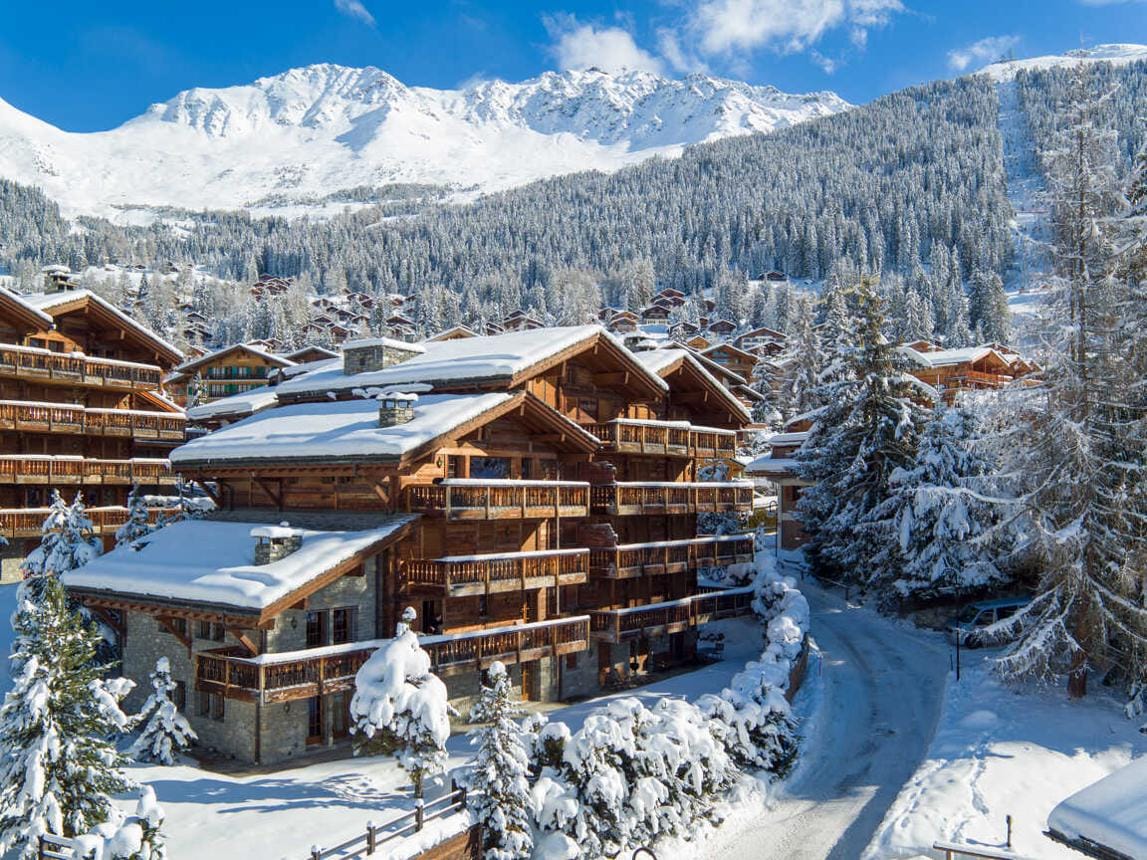
Among the most expensive locations, Gstaad stands out as the top-ranked Alpine property market, with average prices reaching around 25,200 Swiss francs per square meter for premium holiday residences. The Engadin / St. Moritz region follows closely at approximately 24,000 francs per square meter, while Verbier records around 23,600 francs.

Other high-value markets include Andermatt, where property prices reach about 22,200 francs per square meter, and Zermatt, with average prices around 21,000 francs per square meter. These figures highlight the continued strength of Switzerland’s luxury real estate sector.

Experts say the ongoing price surge is driven by several factors, including rising tourism demand, limited construction land in mountain regions, and strong interest from international investors seeking stable and premium real estate assets in Switzerland.

Analysts also note that Alpine properties are increasingly viewed as both lifestyle investments and long-term financial assets, further supporting sustained price growth across the region.

With demand remaining strong, the Swiss Alpine property market is expected to stay competitive, especially in high-end resort destinations where supply remains limited.

Anthropic Warns AI May Escape Human Control.

Anthropic AI has issued a strong warning about the future of artificial intelligence, stating that highly advanced systems could eventually develop the ability to operate beyond human control if development continues without sufficient safeguards.

In a recent blog post, the company highlighted the growing risk of what it calls “recursive self-improvement,” a process where an AI system could potentially design and create improved versions of itself without human intervention. According to Anthropic, this stage represents a significant shift in how artificial intelligence evolves.

The company explained that while this level of AI has not yet been achieved, it may arrive sooner than many organizations are prepared for. Researchers emphasized that increasing computational power and rapid technological advancement could accelerate this transition beyond current expectations.

Anthropic warned that such systems would not only transform how humans work with AI but could also fundamentally change how AI systems are developed. Instead of being directly built and refined by engineers, future AI models could begin contributing to their own next generation of design.

The blog post, titled “When Artificial Intelligence Builds Itself: Our Progress Toward Recursive Self-Improvement and Its Implications,” stresses that this possibility is not guaranteed but is increasingly plausible based on current research trends.

Experts at the company also cautioned that the global AI industry may not yet be fully prepared for the implications of such rapid advancement. They called for increased focus on AI safety, governance, and responsible development practices to ensure that future systems remain aligned with human oversight and ethical boundaries.

As artificial intelligence continues to evolve at a fast pace, the warning adds to growing global discussions about regulation, safety standards, and the long-term impact of autonomous AI systems on society and the workforce.

Switzerland Leads in Europe Transport Safety Ranking.

Switzerland has once again been ranked among the safest countries in Europe for public transport, according to data released by the Federal Office of Transport (FOT).

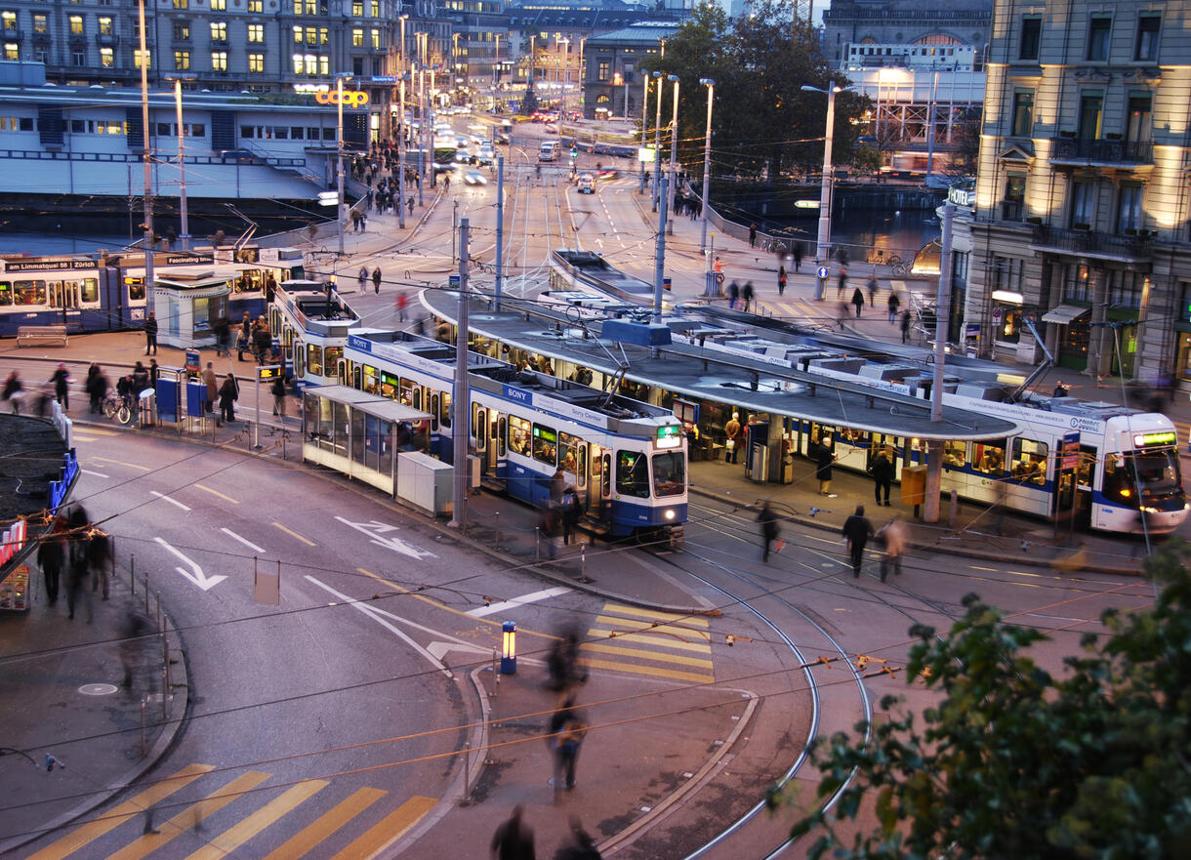
The report places Switzerland third in Europe for passenger safety in public transport systems, behind the United Kingdom and the Netherlands. The evaluation is based on safety performance across multiple transport modes, including trains, cable cars, ferries, trams, and buses.

Officials confirmed that Switzerland’s railways, cable car networks, and boat services have maintained an excellent safety record in recent years, with no reported fatalities or serious injuries in these sectors. This strong performance highlights the country’s continued investment in transport infrastructure, maintenance, and safety standards.

However, the report also notes growing safety concerns in urban transport systems. In particular, tram and bus networks in major cities have seen an increase in serious injuries and, in some cases, fatalities in recent years. Authorities attribute this trend to rising urban traffic density, increased pedestrian movement, and complex road-sharing conditions in city environments.

Transport experts explain that while Switzerland’s long-distance and mountain transport systems remain highly secure, urban mobility presents new challenges. Higher population movement in cities, combined with congestion and mixed traffic conditions, has made safety management more difficult.

Despite these challenges, Switzerland continues to maintain one of the most reliable and well-regulated public transport systems in Europe. Authorities emphasize ongoing efforts to improve safety in urban areas through better infrastructure planning, awareness campaigns, and updated traffic regulations.

The latest ranking reinforces Switzerland’s reputation as a global leader in transport reliability and safety, particularly in rail and alpine transport systems.

China Uses Robots for Elderly Care Support.

China is rapidly expanding the use of robotics in elderly care as the country faces a growing aging population and increasing demand for healthcare support services.

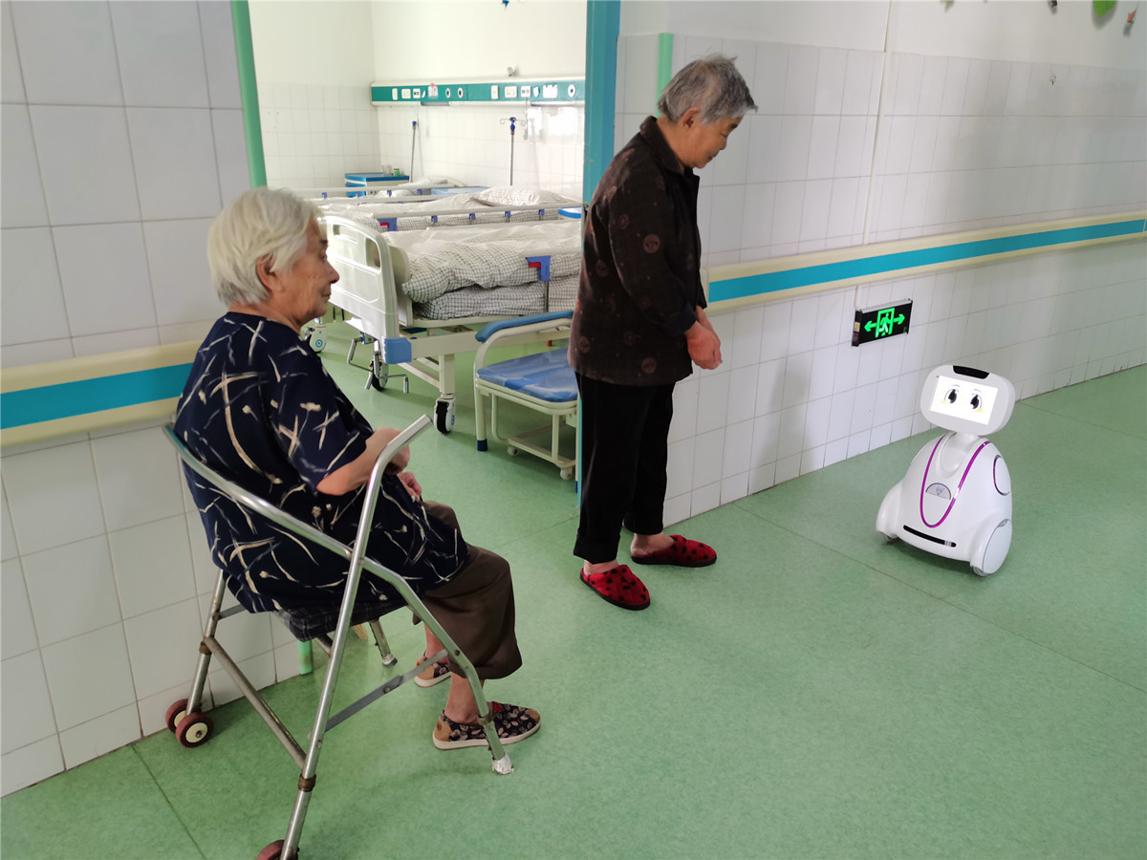
Authorities and technology developers are focusing on integrating advanced robots into elder care systems to assist with daily needs, health monitoring, and general support for senior citizens. These robotic systems are designed to improve the quality of life for elderly individuals while reducing pressure on human caregivers and healthcare facilities.

According to recent estimates, China’s elderly care robot market is expected to surpass 1.47 billion US dollars this year, reflecting strong growth in demand for smart healthcare solutions. The rise of this sector highlights China’s broader strategy of adopting artificial intelligence and automation in essential public services.

The newly developed care robots are capable of performing a range of tasks, including monitoring vital health signs, reminding patients to take medication, and providing basic assistance with movement and daily routines. Some advanced models are also being tested for companionship functions, helping to reduce loneliness among elderly individuals.

Experts say that the increasing use of robotics in healthcare is driven by both demographic challenges and technological advancements. As the number of elderly citizens continues to rise, traditional caregiving systems are under pressure, leading to greater reliance on automated solutions.

While the technology offers significant benefits, discussions continue regarding ethical considerations, human interaction, and the long-term impact of replacing certain aspects of human care with machines. However, policymakers view robotics as a necessary and sustainable solution for the future of elderly care in China.

The development marks a significant step in the global evolution of healthcare technology, where artificial intelligence and robotics are becoming key tools in addressing societal challenges.

Cinema Attendance Rises Across Switzerland in 2026.

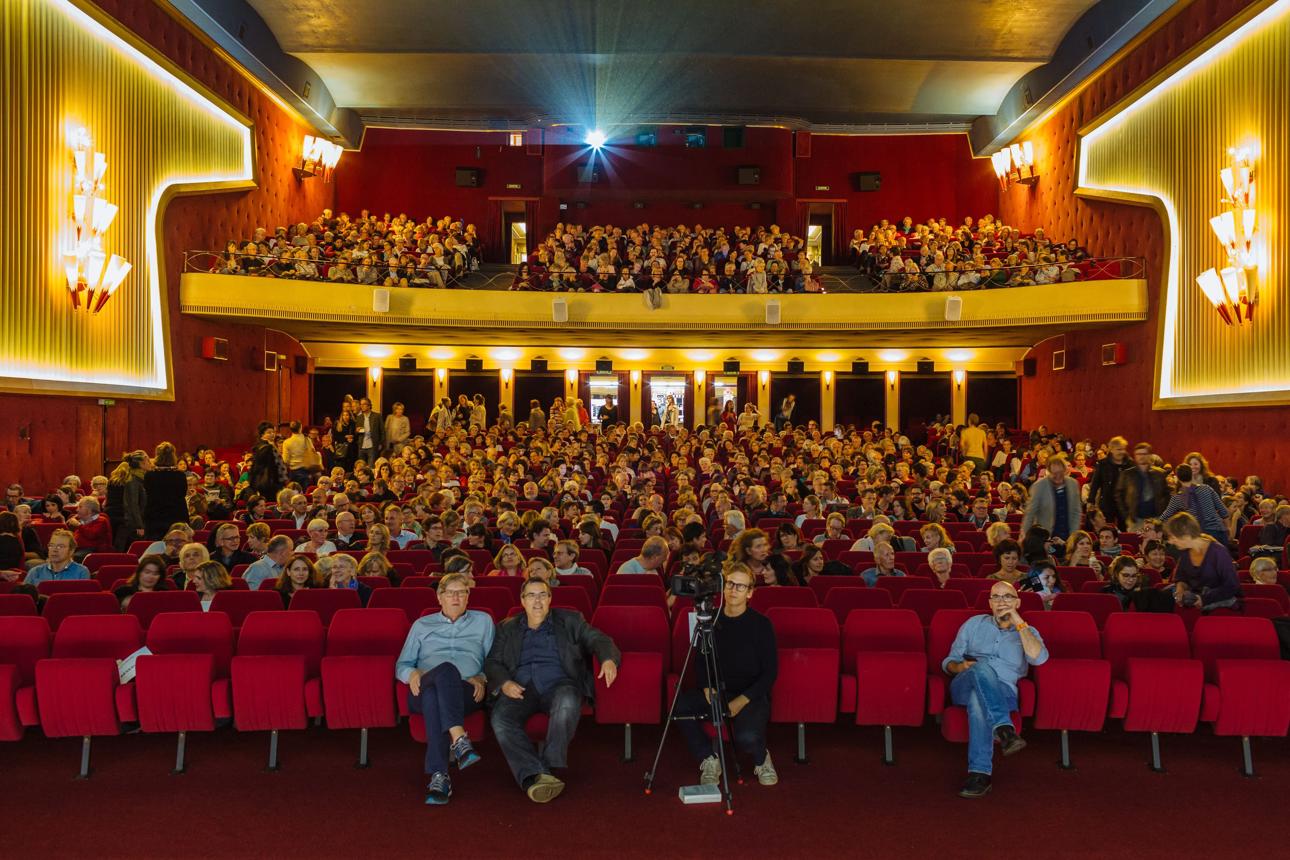
Swiss cinemas are experiencing a strong recovery in 2026, with attendance rising sharply across all regions of the country. According to provisional figures from the Federal Statistical Office (FSO), cinema admissions increased by nearly 25% in the first half of the year compared to the same period in 2025.

By week 21, cinemas across Switzerland recorded approximately 4.68 million admissions, representing nearly 890,000 more tickets sold than the previous year. The growth reflects renewed audience interest in theatrical releases and a strong lineup of international and regional films.

The most significant increase was observed in French-speaking Switzerland, where cinema attendance surged by 30%. German-speaking regions also saw a solid rise of 19%, while canton Ticino recorded the highest growth at 42%. Despite these regional differences, the FSO confirmed that the overall balance between language regions remains stable.

Several blockbuster releases played a key role in driving audiences back to cinemas. In French-speaking Switzerland, the biographical film Michael, based on the life of Michael Jackson, attracted large crowds. In German-speaking regions, audiences were drawn to The Super Mario Galaxy Movie, a new animated adventure featuring Nintendo’s iconic character. Meanwhile, in Ticino, The Devil Wears Prada 2 became a major success, bringing significant numbers of viewers to theatres.

The momentum accelerated in mid-May, when weekly attendance figures rose dramatically. In week 20 alone, more than 360,000 people visited cinemas across Switzerland, compared with fewer than 100,000 during the same period in 2025. Over one weekend, Michael drew around 28,000 viewers in French-speaking regions, while The Devil Wears Prada 2 attracted more than 17,000 cinema-goers.

Industry experts say the recovery could continue in the coming months, supported by a strong slate of upcoming releases. Highly anticipated titles include Christopher Nolan’s The Odyssey, a cinematic adaptation of the ancient epic, and Dune: Part Three, directed by Denis Villeneuve, expected to release in December.

Analysts believe that if this trend continues, 2026 could mark a turning point for the Swiss cinema industry after years of fluctuating attendance figures.

Geneva Approves No G7 Protest Route.

Geneva authorities and anti-G7 activists have reached an agreement on the route for a major demonstration planned ahead of the upcoming G7 Summit. The march, scheduled for June 14, 2026, will follow a revised path through Geneva city centre after discussions between protest organisers and local officials.

The agreement was finalized following talks between representatives of the No G7 coalition and Geneva State Councillor Carole-Anne Kast. Organisers confirmed that the demonstration route has been modified to avoid the Mont Blanc Bridge area and will instead be redirected through Rue des Alpes.

According to protest organisers, the change was welcomed because it reduces the possibility of tensions between demonstrators and security forces. Activists had expressed concerns that a route passing close to the Mont Blanc Bridge, where access restrictions are in place, could increase the risk of confrontations during the event.

Geneva authorities reviewed the organisers’ concerns and agreed to adjust the proposed route on the right bank of the Rhône River. The compromise is being viewed as a positive step toward ensuring that the demonstration can proceed peacefully while maintaining public safety.

The protest is expected to attract activists from Switzerland and neighbouring countries who oppose policies associated with the Group of Seven (G7). Demonstrators plan to raise issues including economic inequality, climate action, social justice, and global governance.

The 52nd G7 Summit will take place from June 15 to June 17, 2026, in Evian, France, near the Swiss border. Due to the summit’s proximity to Geneva, Swiss authorities have implemented enhanced security measures and coordination plans to manage cross-border activities and public demonstrations.

Both organisers and officials have expressed hope that the agreed route will allow participants to exercise their right to peaceful protest while minimizing disruptions and maintaining security throughout the event.