


Switzerland Leads in Europe Transport Safety Ranking.

Switzerland has once again been ranked among the safest countries in Europe for public transport, according to data released by the Federal Office of Transport (FOT).

The report places Switzerland third in Europe for passenger safety in public transport systems, behind the United Kingdom and the Netherlands. The evaluation is based on safety performance across multiple transport modes, including trains, cable cars, ferries, trams, and buses.

Officials confirmed that Switzerland’s railways, cable car networks, and boat services have maintained an excellent safety record in recent years, with no reported fatalities or serious injuries in these sectors. This strong performance highlights the country’s continued investment in transport infrastructure, maintenance, and safety standards.

However, the report also notes growing safety concerns in urban transport systems. In particular, tram and bus networks in major cities have seen an increase in serious injuries and, in some cases, fatalities in recent years. Authorities attribute this trend to rising urban traffic density, increased pedestrian movement, and complex road-sharing conditions in city environments.

Transport experts explain that while Switzerland’s long-distance and mountain transport systems remain highly secure, urban mobility presents new challenges. Higher population movement in cities, combined with congestion and mixed traffic conditions, has made safety management more difficult.

Despite these challenges, Switzerland continues to maintain one of the most reliable and well-regulated public transport systems in Europe. Authorities emphasize ongoing efforts to improve safety in urban areas through better infrastructure planning, awareness campaigns, and updated traffic regulations.

The latest ranking reinforces Switzerland’s reputation as a global leader in transport reliability and safety, particularly in rail and alpine transport systems.
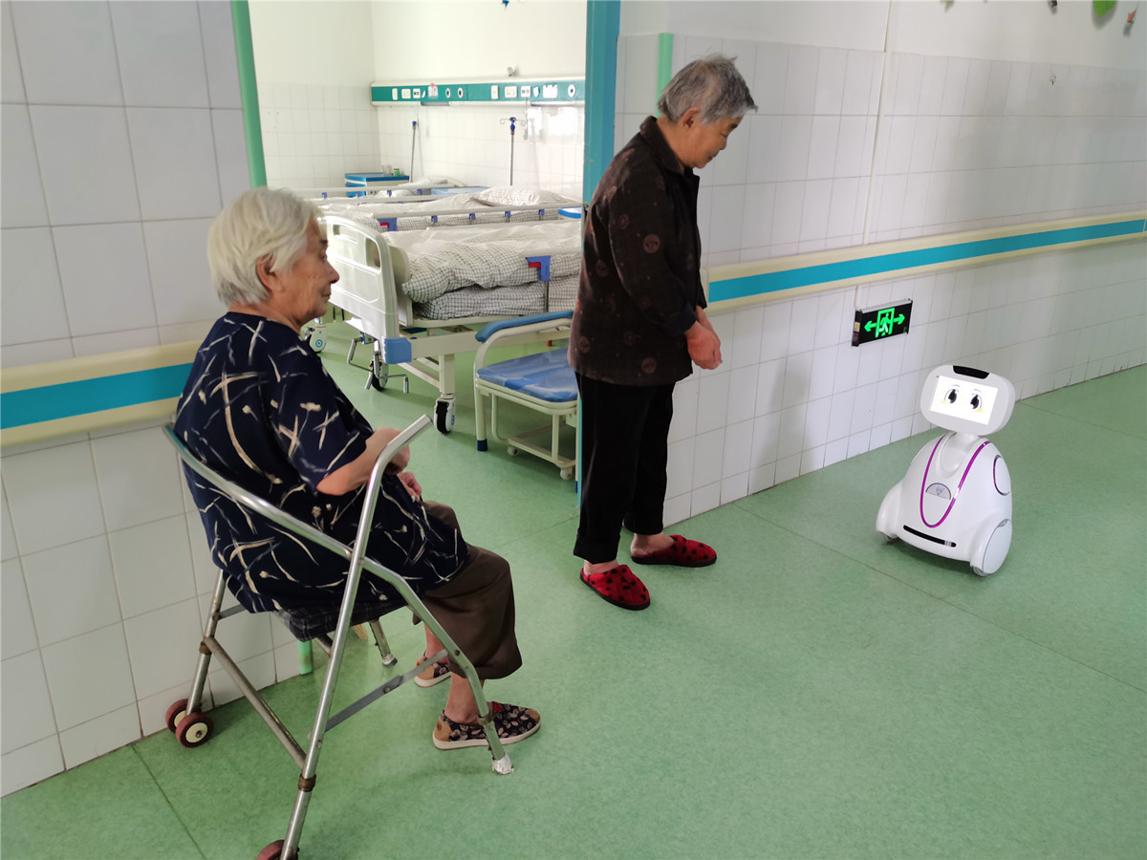
China Uses Robots for Elderly Care Support.

China is rapidly expanding the use of robotics in elderly care as the country faces a growing aging population and increasing demand for healthcare support services.

Authorities and technology developers are focusing on integrating advanced robots into elder care systems to assist with daily needs, health monitoring, and general support for senior citizens. These robotic systems are designed to improve the quality of life for elderly individuals while reducing pressure on human caregivers and healthcare facilities.

According to recent estimates, China’s elderly care robot market is expected to surpass 1.47 billion US dollars this year, reflecting strong growth in demand for smart healthcare solutions. The rise of this sector highlights China’s broader strategy of adopting artificial intelligence and automation in essential public services.

The newly developed care robots are capable of performing a range of tasks, including monitoring vital health signs, reminding patients to take medication, and providing basic assistance with movement and daily routines. Some advanced models are also being tested for companionship functions, helping to reduce loneliness among elderly individuals.

Experts say that the increasing use of robotics in healthcare is driven by both demographic challenges and technological advancements. As the number of elderly citizens continues to rise, traditional caregiving systems are under pressure, leading to greater reliance on automated solutions.

While the technology offers significant benefits, discussions continue regarding ethical considerations, human interaction, and the long-term impact of replacing certain aspects of human care with machines. However, policymakers view robotics as a necessary and sustainable solution for the future of elderly care in China.

The development marks a significant step in the global evolution of healthcare technology, where artificial intelligence and robotics are becoming key tools in addressing societal challenges.