
IRGC Warns of Possible Attacks on US-Israeli Universities.

The Islamic Revolutionary Guard Corps (IRGC) has issued a strong warning that universities linked to the United States and Israel in the Middle East could become potential targets amid rising regional tensions.

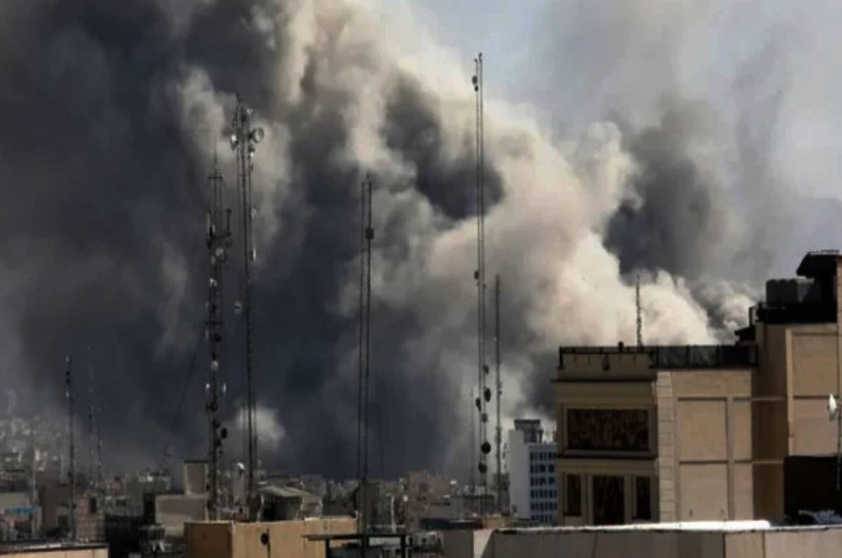
According to foreign media reports, the warning followed an alleged attack on a science and technology university located in Tehran, Iran. After the incident, the IRGC reportedly stated that universities connected to U.S. and Israeli institutions in the region may now be considered legitimate strategic targets. The IRGC also advised students, staff members, and residents living near these institutions to stay away from the affected locations as a precautionary safety measure.

In addition, the group called on the United States to officially condemn reported airstrikes targeting Iranian universities. It warned that failure to respond could increase the risk of further escalation involving American-linked institutions in the region. Foreign media reports further indicated that the IRGC set a deadline requesting a response from the United States before 12:00 PM Iran time on March 30, emphasizing the urgency of the situation. Security analysts say the warning reflects growing tensions in the Middle East and raises concerns about the safety of educational institutions operating in sensitive geopolitical zones.
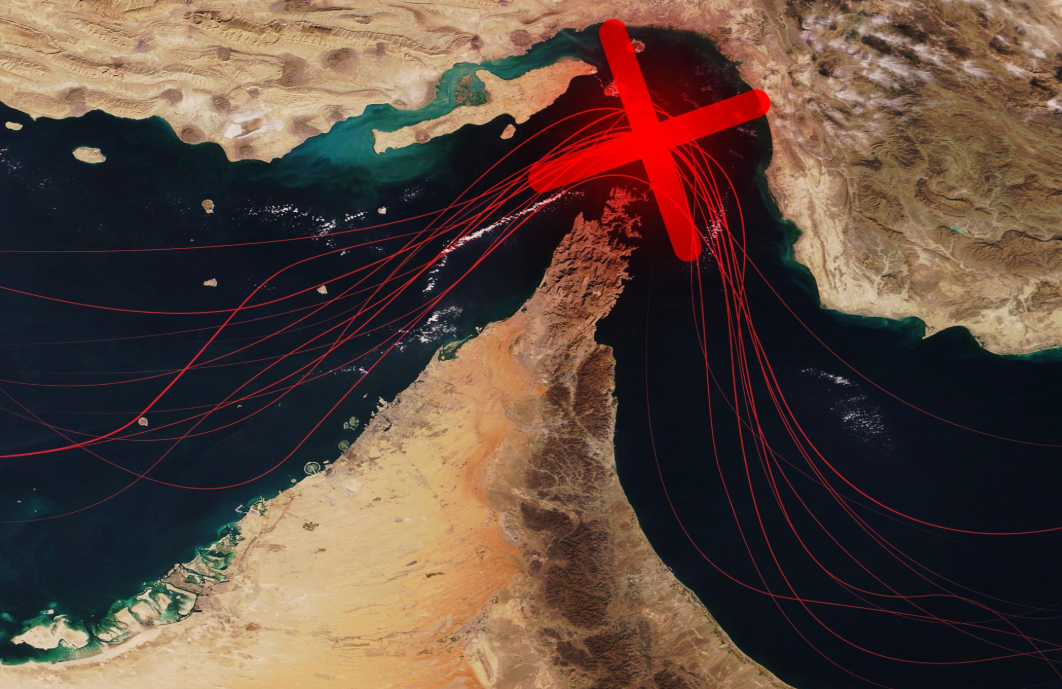
Strait of Hormuz Closure Threatens Global Oil Supply Routes.

The closure of the Strait of Hormuz has raised serious concerns about global energy security as tensions continue to escalate across the Middle East. The narrow waterway plays a critical role in transporting oil supplies to international markets.

Recent attacks on commercial vessels in the region forced shipping companies to avoid key routes. As a result, Iran’s move to close the Strait of Hormuz has disrupted one of the world’s most important oil transit corridors.

Energy producers have already started searching for alternative export routes. Saudi Aramco confirmed plans to redirect millions of barrels of crude oil through pipelines leading to the western Saudi port of Yanbu on the Red Sea coast.

Data released by Kpler showed that daily oil exports from Yanbu have more than doubled this month compared with last year’s average levels. Analysts say this increase reflects urgent efforts to stabilize supply chains.

However, the Red Sea route now faces growing security risks. Since late 2023, Iran-aligned Houthis have carried out repeated attacks on commercial vessels in the Red Sea following regional military tensions involving Hamas and Israel. Shipping companies have responded by rerouting vessels around the southern tip of Africa. This longer route increases travel time by several weeks and significantly raises fuel, insurance, and crew costs.

Earlier this month, the United Kingdom Maritime Trade Operations warned that threats to commercial shipping in the Red Sea remain serious. Officials described the situation as a major risk to global trade stability. Experts now caution that continued disruptions in both the Strait of Hormuz and Red Sea shipping lanes could reshape global oil supply networks and increase pressure on international energy markets.

Iran Shoots Down US F-18 Jet Amid Middle East Tensions

Iran has claimed responsibility for shooting down a US-owned F-18 fighter jet. The announcement comes amid escalating tensions between United States and Iran in the Middle East.

Iran released a video on its official platform showing the jet being shot down. However, authorities have not provided details on the exact location, extent of damage, or the status of the aircraft and crew.

The incident follows a series of military exchanges between Iran, the US, and Israel, which has intensified conflict in the region. Both sides have launched retaliatory actions over the past 25 days.

Earlier, Donald Trump announced a temporary halt of attacks on Iran for five days, citing ongoing constructive negotiations. Despite this, Iran has systematically denied engaging in any negotiations with the US, asserting its stance firmly.

Analysts warn that the Middle East remains highly volatile, and any further escalation could significantly impact regional security and global energy markets.

Qatar Decision Shocks US Forces, Analyst Criticizes Trump

Qatar Decision Shocks US Forces, Says Political Analyst

Political analyst Nehru Gunaratnam stated that a recent decision by Qatar created concern among United States military forces and reflected weaknesses in current regional strategy. He shared these views while participating in a discussion program broadcast by Lankasri Media. Analyst Criticizes Trump’s Middle East Strategy According to Gunaratnam, decisions made by Donald Trump created conditions that could lead to multi-level strategic setbacks for the United States in the Middle East. He further explained that several regional developments indicate growing dissatisfaction among key partners in the region.

Saudi Arabia’s Strategic Thinking Is Changing

Gunaratnam also highlighted that Mohammed bin Salman, the Crown Prince of Saudi Arabia, appears to be pursuing a different strategic vision compared to previous Western-aligned policies. He noted that Saudi Arabia remains the leading country within the Gulf Cooperation Council (GCC). Therefore, any shift in its position could influence the direction of other GCC member states. Regional Conflict May Affect US Global Influence The analyst further claimed that regional tensions linked to support for Israel could reshape alliances across the Middle East. He warned that continued involvement in regional conflicts may weaken the United States’ geopolitical strength over time if diplomatic solutions do not emerge.