

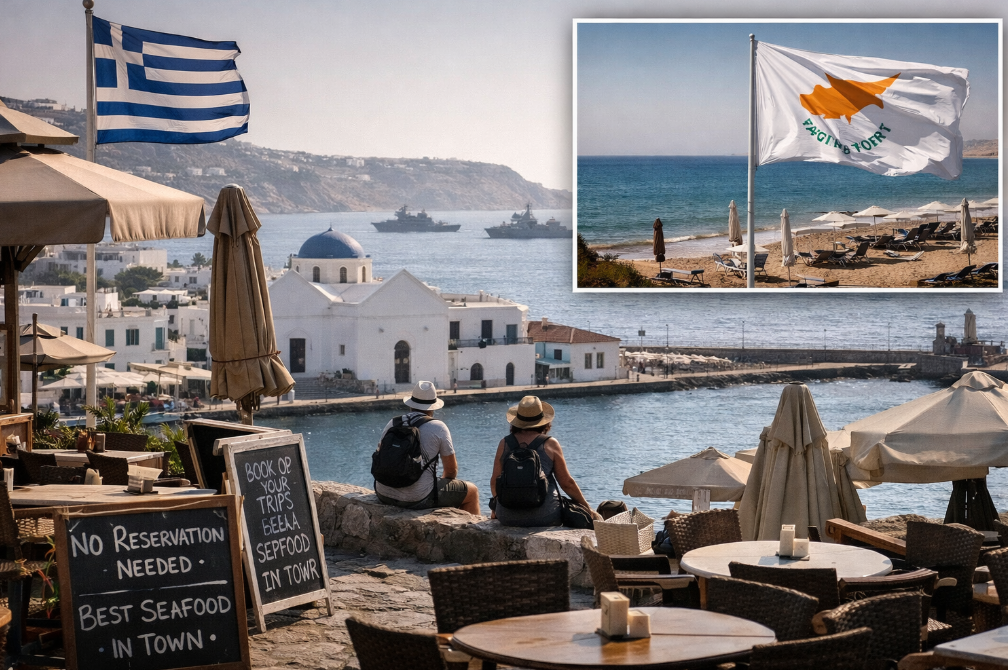
Tourism in Greece and Cyprus Affected by Middle East Conflict

Tourist bookings in Greece and Cyprus have declined ahead of the holiday season due to the ongoing Middle East conflict. While direct risks in Greece remain minimal, uncertainty about rising costs and economic developments has caused concern among hotel operators. In Cyprus, the proximity to the conflict region has intensified the effects, with the hospitality sector reporting stronger impacts. In Athens, industry representatives have observed a noticeable slowdown in reservations.

Many travelers are adopting a cautious approach, waiting to see how the economic situation evolves, according to travel agencies and hoteliers. Greece’s Tourism Minister, Olga Kefalogianni, highlighted the psychological impact of the conflict on tourists in a radio interview. She also emphasized the industry’s experience in managing crises and suggested that Greece could benefit as tourists seek destinations perceived as safe, given its distance from the conflict zone.

Cyprus has introduced a €200 million aid package to mitigate the economic effects of the Middle East crisis. Beginning in April, 30 percent of wages for employees in hotels and accommodations will be covered, supporting businesses preparing for the season amid declining bookings. Additional measures include assistance for airlines to ensure connectivity with key source markets, helping maintain the island’s tourism infrastructure.
Iran Warns Israel of Severe Conseqences After Strikes on Nuclear Infrastructure.

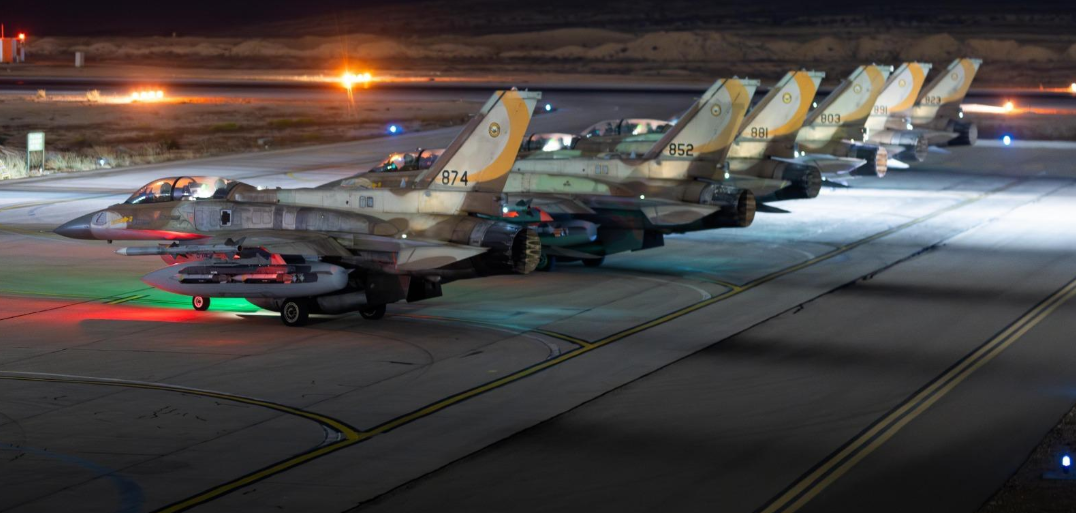
Tensions between Iran and Israel sharply escalated on the 28th day of the ongoing confrontation, after Israel launched coordinated strikes on several strategic Iranian infrastructure sites, including a uranium enrichment facility near Yazd. Following the attacks, Iran issued a strong warning, promising severe consequences in response to what it described as a serious violation of its sovereignty.

The Israeli military officially confirmed that its forces targeted a facility linked to Iran’s uranium enrichment operations. However, Iranian authorities quickly stated that the attack caused no casualties and did not trigger any radiation leakage. Officials emphasized that emergency safety systems functioned effectively and prevented further damage.

Reports also confirmed that a projectile landed near the Bushehr nuclear power plant. Iranian officials clarified that the missile caused no structural damage and did not affect plant operations. Despite the limited impact, the incident increased regional concerns about the safety of nuclear infrastructure during military escalation.

Israeli strikes reportedly formed part of a wider operation targeting several industrial and strategic sites across Iran. These included the Khondab heavy-water complex and major steel production facilities located in Khuzestan and Isfahan. Analysts believe these locations hold both economic and strategic importance for Iran’s industrial stability.

Iran’s Foreign Minister Abbas Araghchi strongly condemned the attacks and warned that Iran would respond decisively. He stressed that strikes on nuclear-related and industrial infrastructure represent a dangerous escalation that threatens regional security. Iran reiterated its commitment to defending national interests against further aggression.

Security observers note that the involvement of the United States in the broader regional tensions has further complicated the situation. Experts warn that continued escalation between Iran and Israel could significantly impact Middle East stability and global geopolitical dynamics.

Middle East Tensions Affect Sri Lanka Ports

Sri Lanka has become a key hub for luxury car imports, as Middle East tensions continue to disrupt global shipping routes. Approximately 50 used luxury vehicles, including Lamborghini, Rolls-Royce, and Ferrari, have been offloaded at Sri Lankan and Chinese ports due to delays caused by ongoing conflicts in the region.

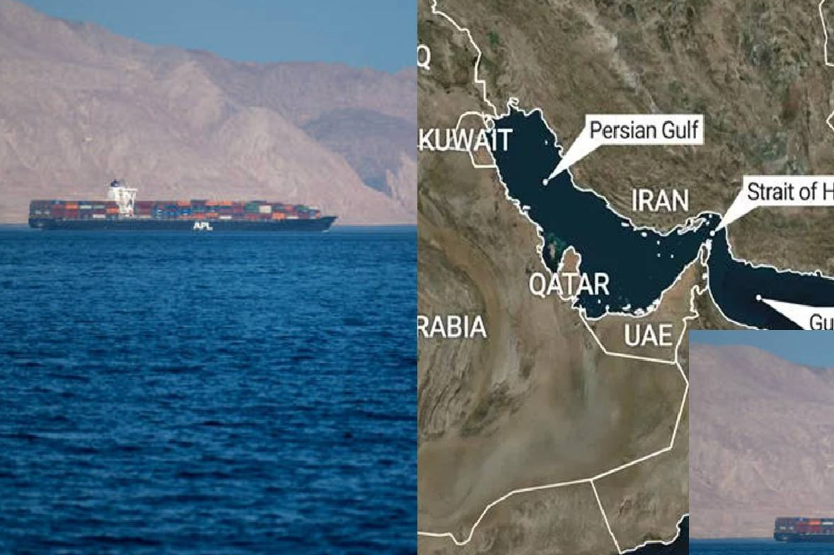
The closure of the Strait of Hormuz has significantly impacted shipping schedules, forcing shipments from Dubai and other Middle Eastern ports to reroute. This diversion has caused congestion at Sri Lankan ports, particularly at Hambantota, where a vessel carrying more than 500 used luxury cars has been delayed for over ten days.

Exporters from Japan and South Korea report that the rerouting of cargo to South Asia has increased storage and logistical costs. The persistent instability in the Middle East has also affected neighboring shipping lanes, slowing deliveries to Sri Lanka and other parts of South Asia.

Sri Lanka’s position as an emerging hub for luxury car imports highlights the country’s strategic role in regional logistics, but ongoing geopolitical tensions continue to challenge timely shipments and port efficiency.