

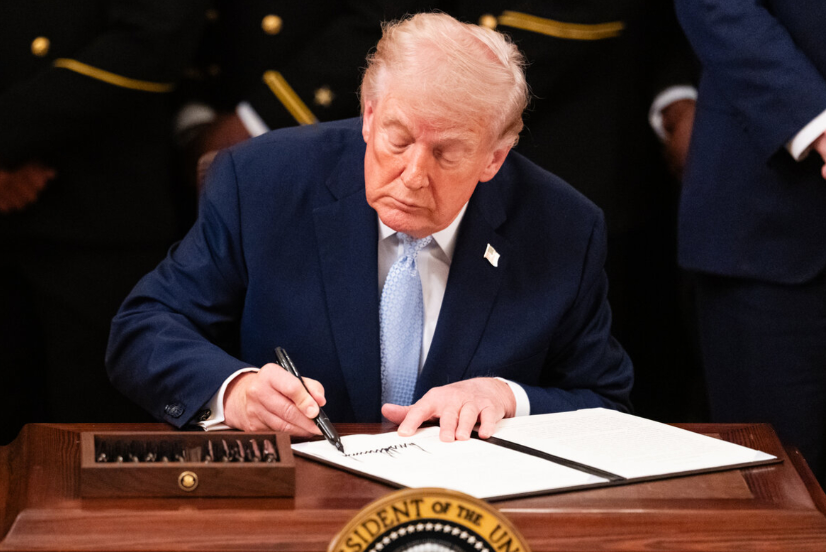
Trump Signature on US Dollar

Traditionally, US dollar banknotes carried only the signatures of the Treasury Secretary and the Treasurer of the United States. However, the new policy allows a president’s signature to appear on national currency for the first time. As a result, the announcement represents a historic shift in the presentation of American currency. Political observers believe the administration introduced this change to highlight confidence in the strength of the US economy. In addition, the decision comes during a period of global economic pressure and geopolitical tension. Therefore, officials see the move as a strong symbolic statement.

According to Treasury officials, the new design will first appear on $20 and $100 dollar notes. Later, authorities plan to expand the update to other denominations step by step. Meanwhile, existing currency notes will remain valid across the United States. The announcement has already created strong reactions nationwide. Some citizens support the decision as a bold leadership signal. However, others criticize the move as a break from long-standing institutional tradition. Consequently, economists and political analysts continue to debate the long-term impact of the decision.
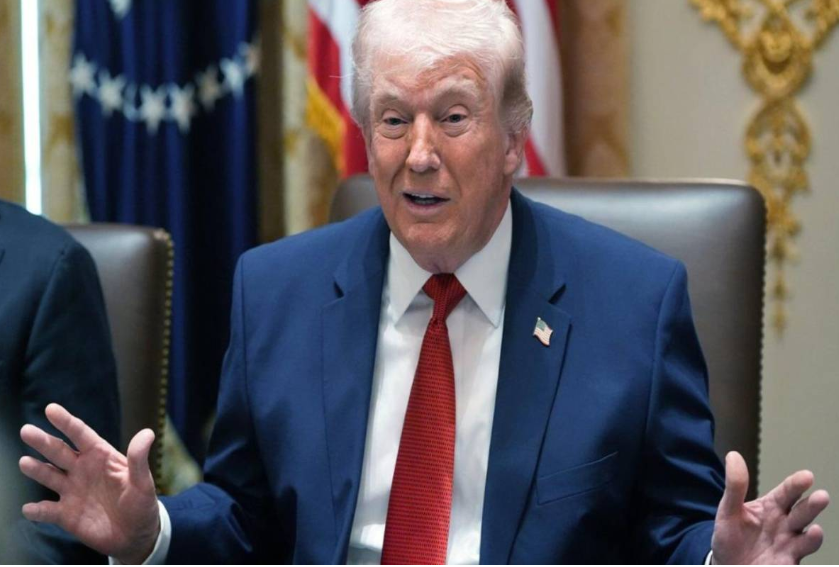
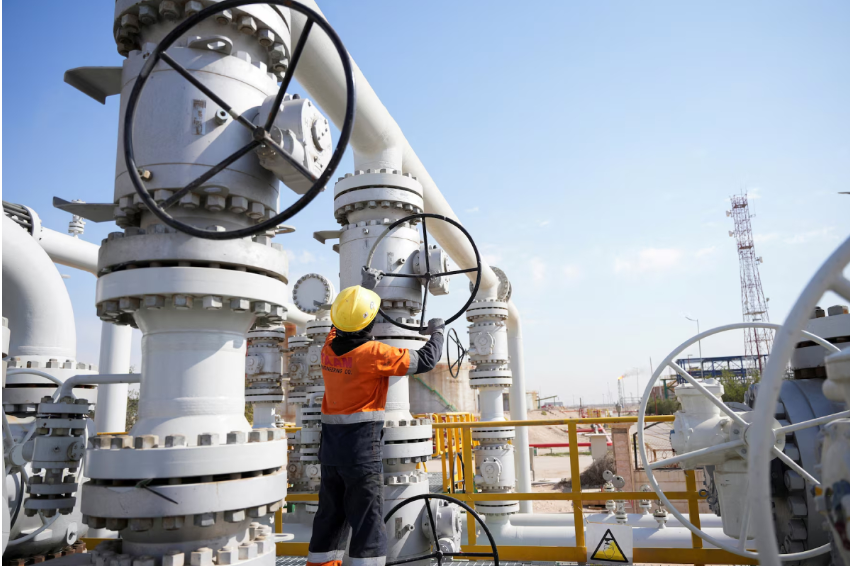
Trump Extends Halt on Iran Energy Attacks.

U.S. President Donald Trump has announced a 10-day halt on attacks targeting Iran’s power and energy facilities. This move provides Iran with a final opportunity to engage in talks and avoid further escalation.

Previously, on February 28, the United States and Israel conducted joint strikes on Iran after Tehran refused to sign a nuclear agreement. In response, Iran launched retaliatory attacks against U.S. and allied interests.

Additionally, Iran blocked the strategic Hormuz Strait, a key route for global crude oil shipments. Several cargo ships attempting to pass through the Strait faced missile and drone attacks. Iran also declared that American, Israeli, and allied vessels would not be allowed passage.

Earlier, Trump had warned that if Iran did not reopen the Hormuz Strait within 48 hours, U.S. forces would target Iran’s energy infrastructure. In retaliation, Iran threatened to strike power facilities in Gulf countries.

Meanwhile, the original U.S. deadline, set for March 24, was extended by five days due to ongoing negotiations. However, Iran has denied holding any direct talks with the United States.

Trump also continues to reference a 15-point U.S. proposal, which Iran has rejected, while maintaining that discussions are underway. As a result, attacks on Iran’s power and energy facilities are temporarily suspended for an additional 10 days. This extension underscores the high stakes in the U.S.–Iran standoff and the potential impact on Gulf energy security and global oil markets.

Oil Prices Drop After Trump-Iran Talks

Oil prices dropped today (March 27) following US-Iran negotiations aimed at ending regional conflicts. President Donald Trump announced that Iran would pause attacks on energy facilities for 10 days, easing market fears.

Foreign media report that the weekly decline is the steepest in six months.

  • Brent crude futures fell by $0.84 per barrel (0.8%), closing at $107.17.
  • West Texas Intermediate (WTI) futures dropped $1.02 per barrel (1.1%), closing at $93.46.

Analyst Priyanka Sasthreva from Philip Nova warned that any direct damage or prolonged conflict in energy infrastructure could quickly push prices higher.

While Iran halts energy facility attacks, the US has deployed thousands of troops to the Middle East. Additionally, Trump is reportedly considering whether to use naval forces to secure Iran’s strategic oil hub, Kharg Island.

An Iranian official described the US 15-point proposal sent via Pakistan to Tehran as “one-sided and unjust,” according to Reuters.