
Middle East Tensions Trap Travelers as Saudi Arabia Offers Visa Relief Across Gulf.
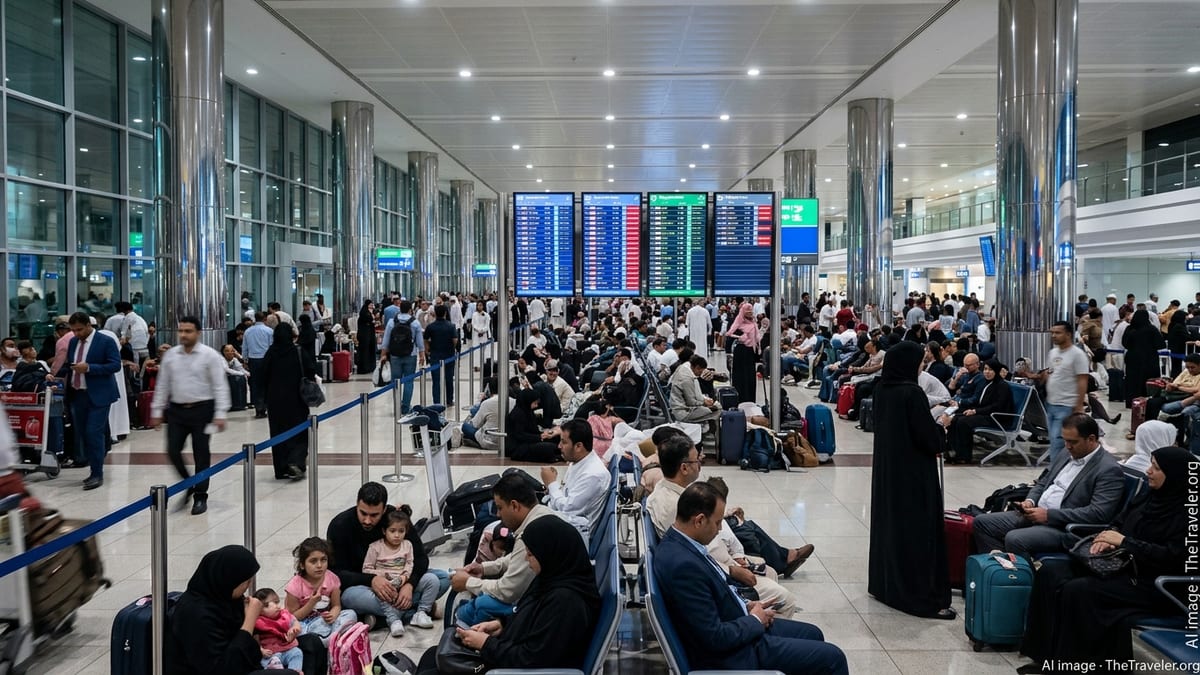
Rising tensions in the Middle East have disrupted travel across the Gulf region, leaving thousands of tourists stranded due to widespread flight suspensions and airport closures. In response, Saudi Arabia has introduced key visa relief measures to support affected travelers.
Authorities confirmed that these disruptions stem from ongoing geopolitical conflicts involving Iran, Israel, and their regional allies. As a result, air traffic across several Gulf countries has been severely impacted, forcing governments to act quickly.
Saudi Arabia has taken a leading role by easing visa penalties and automatically extending expired visas. Officials aim to reduce the burden on tourists who are unable to leave due to circumstances beyond their control.
Following similar steps, Qatar and Kuwait have also implemented emergency visa extensions. In Qatar, authorities granted a one-month extension for all visas that expired on or before February 28, 2026, after operations at Hamad International Airport were halted.
Meanwhile, Kuwait introduced a three-month grace period for foreign residents and tourists. This decision came after drone-related threats and multiple flight cancellations disrupted operations at Kuwait International Airport.
These coordinated actions by Gulf Cooperation Council (GCC) countries highlight a regional effort to manage the crisis effectively. Governments continue to prioritize the safety and legal protection of stranded travelers.
Experts believe that these visa relaxations will ease immediate concerns, but ongoing instability may continue to affect travel and economic activities across the Middle East.