

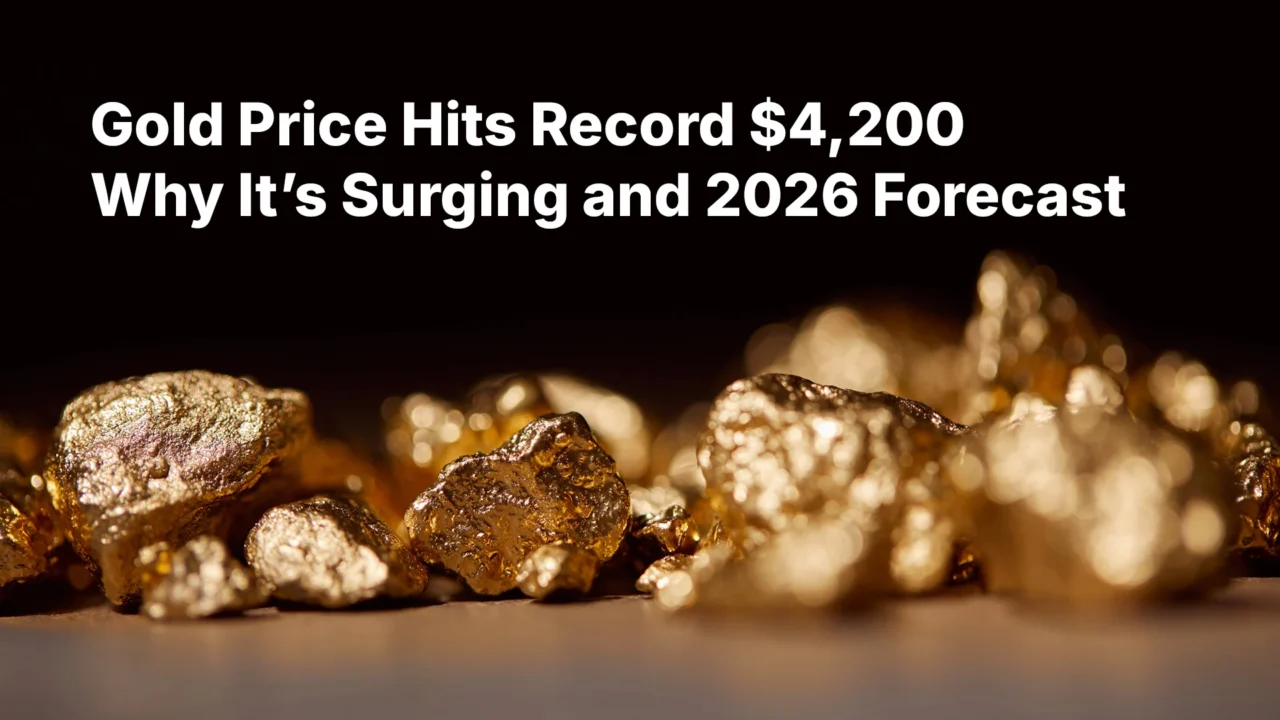
Global Gold Prices Surge Sharply in International Market.

Global gold and silver prices recorded a sharp increase in the international market today (March 29, 2026). This sudden surge reflects growing investor demand and ongoing economic uncertainty across global financial markets.

According to the latest reports, the price of one ounce of gold has reached $4,493.79, marking a significant rise compared to previous trading sessions. Analysts state that geopolitical tensions and inflation concerns continue to drive investors toward safe-haven assets like gold.

At the same time, silver prices also experienced a strong upward movement. One ounce of silver is currently trading at $69.77, showing increased demand in both industrial and investment sectors.

Over the past few days, domestic gold prices have fluctuated due to these global trends. Experts predict that jewelry gold prices may continue to change in the coming days, especially as international market volatility remains high.

Furthermore, economists highlight that currency fluctuations and global trade uncertainty play a major role in influencing precious metal prices. As a result, both investors and consumers are closely monitoring market developments.
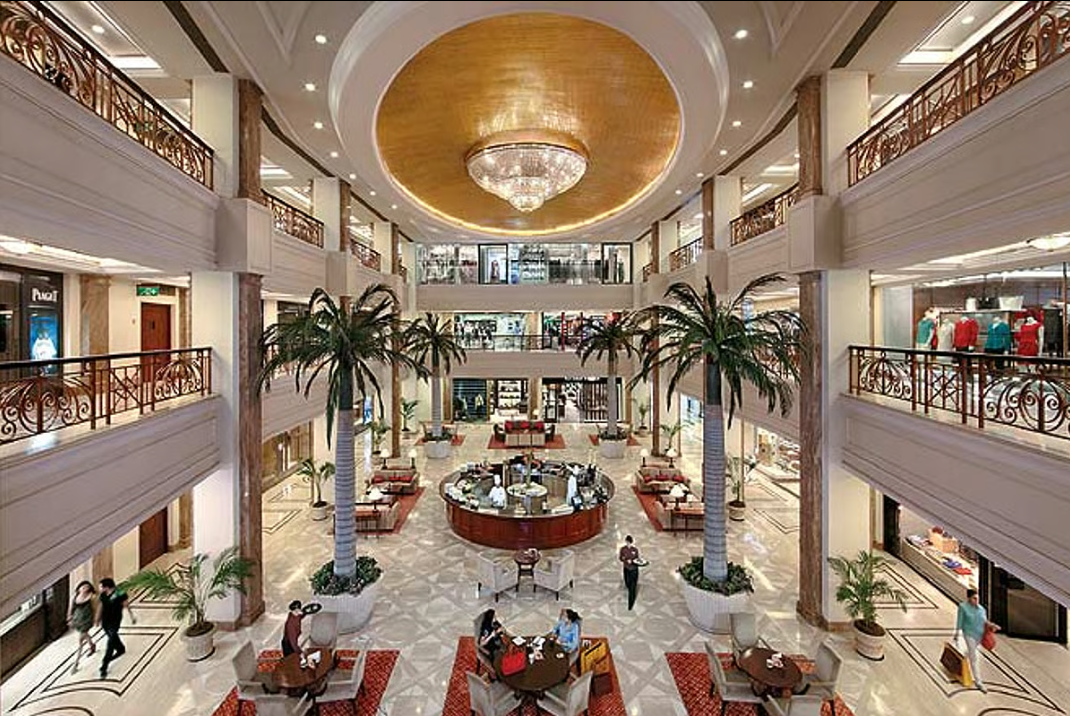
India’s Luxury Market Faces Mall Shortage

India’s luxury market is expanding rapidly, driven by rising disposable income and growing demand for premium products. However, the country faces a major challenge — a shortage of world-class luxury shopping malls. This infrastructure gap is slowing down the growth of the high-end retail sector.

Global brands such as Louis Vuitton, Gucci, and Dior are ready to expand their presence in India. They see strong potential in cities like Delhi, Mumbai, and Bengaluru. Yet, these brands struggle to find suitable retail spaces that meet international luxury standards.

Currently, most premium shopping malls in major Indian cities operate at full capacity. Retail spaces designed specifically for luxury brands remain limited. As a result, many international brands delay their entry or expansion plans in the Indian market.

The construction of new luxury malls has not kept pace with demand. High land costs and rising construction expenses have slowed down development projects. Developers also face regulatory challenges, which further delay new investments in premium retail infrastructure.

This shortage has created a clear infrastructure gap in India’s luxury ecosystem. Without sufficient high-end retail spaces, the country cannot fully benefit from its growing luxury market. Experts believe that improving infrastructure will unlock significant economic opportunities.

If India addresses this issue, it can attract more global brands, increase foreign investment, and strengthen its position in the global luxury market. The future of India’s luxury sector depends heavily on how quickly it can build world-class retail environments.