Mavil Aru: Police Recover Two Unexploded Mortar Shells.

Two Unexploded Mortar Shells Recovered in Mavil Aru

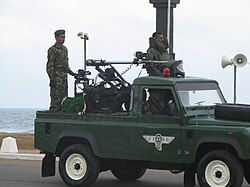
Authorities discovered two unexploded mortar shells in the Mavil Aru area, located within the Cherunuwara Police Division in Trincomalee. Police confirmed that the recovery operation took place on March 28, 2026.

Discovery During Renovation Work

Workers found the mortar shells while carrying out renovation work at the Mavil Aru tank. As a result, they immediately informed local authorities. Police officers quickly secured the site to prevent any danger to the public.

Safe Disposal Measures Underway

After obtaining court approval, officials will hand over the mortar shells to the Special Task Force (STF). The STF will carry out a controlled disposal process to neutralize the explosives safely.

Ongoing Safety Concerns

This incident highlights the continued presence of unexploded war remnants in certain areas of Sri Lanka. Therefore, authorities urge the public to remain cautious and report any suspicious objects immediately.

Donald Trump Calls Himself a ‘Peacemaker’ at Florida Summit.

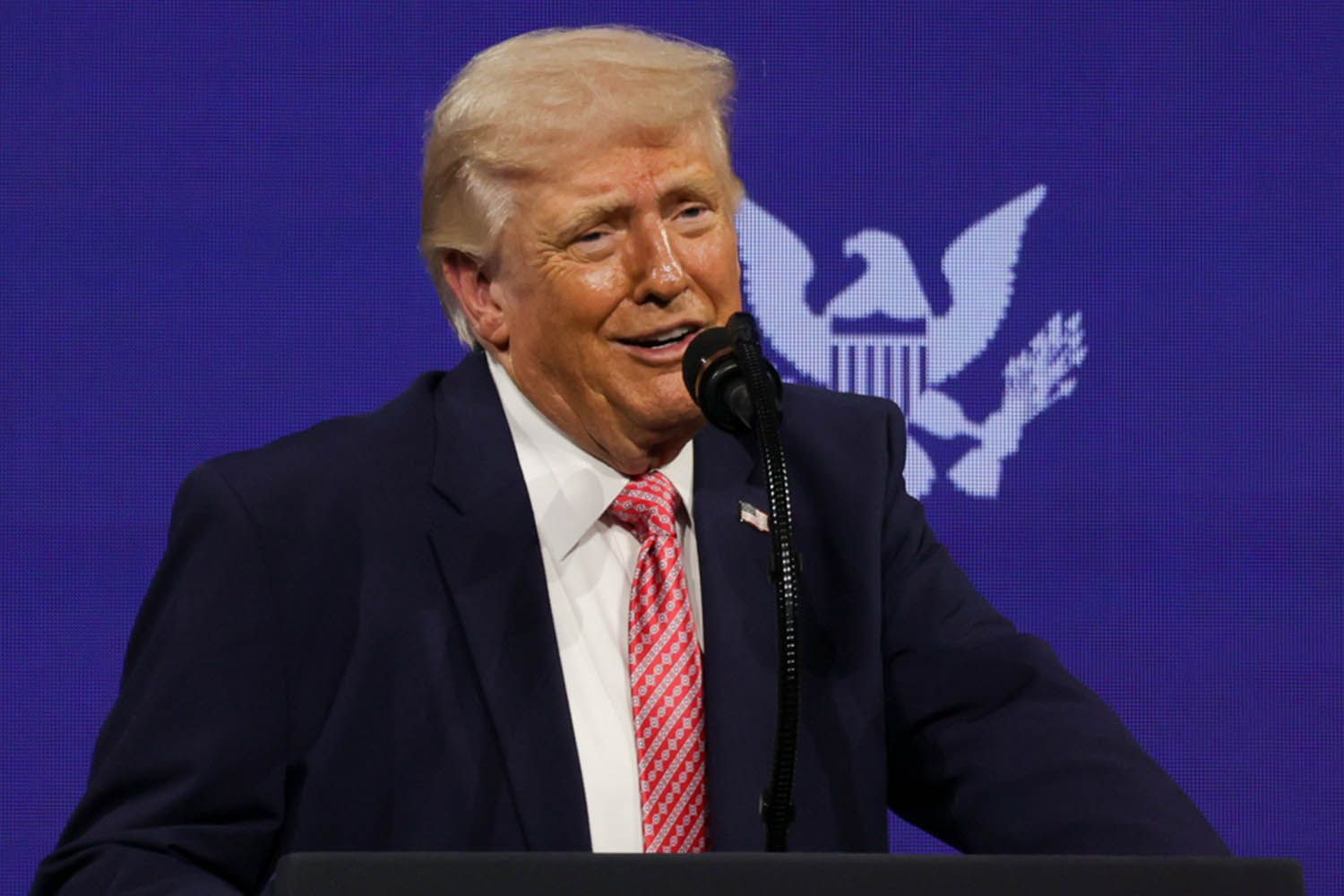
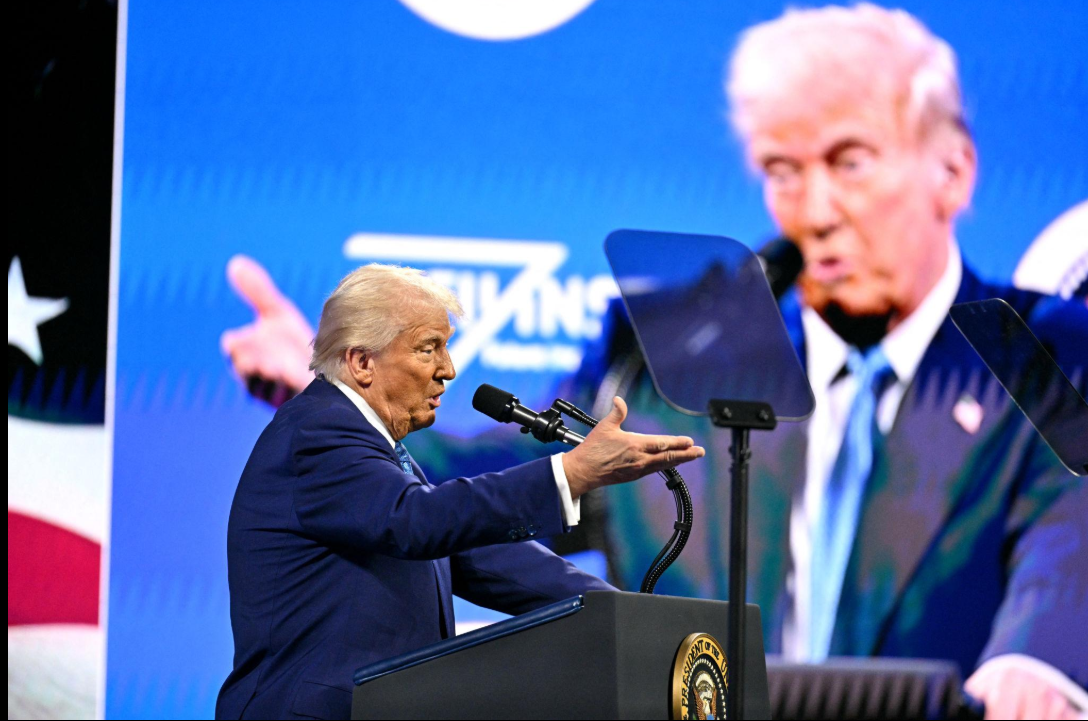
Former U.S. President Donald Trump described himself as a global “peacemaker” while addressing an investment summit in Florida. He said he wants the world to remember him as one of the greatest promoters of peace.

During his speech, Trump stated that he actively worked to stop wars and protect lives. He emphasized that his legacy should reflect his efforts to maintain global stability. According to him, peace-building remains the most important achievement of his political career.

Furthermore, Trump highlighted his stance on international conflicts. He mentioned that he prefers diplomacy over war and described himself as a true supporter of peace. As a result, he reinforced his image as a leader focused on reducing global tensions.

While discussing Middle Eastern issues, Trump referred to the Strait of Hormuz. However, he mistakenly called it the “Trump Strait” before correcting himself. This moment triggered laughter among the audience, adding a lighter tone to the event.

In addition, Trump spoke about the Nobel Peace Prize. He argued that the award would be meaningful if he received it. Although he acknowledged that others may win, he suggested that even recipients might feel surprised by their selection.

Overall, Trump’s remarks sparked mixed reactions. Some supporters praised his confidence, while critics questioned his claims. Nevertheless, his speech quickly gained attention across global media platforms.

Iran Claims Dubai Strike, Ukraine Firmly Denies Attack.

Iranian media recently reported that a Ukrainian air defense warehouse in Dubai was destroyed in a targeted strike. The claim quickly gained attention as it suggested a direct escalation involving Ukraine in the Middle East.

However, Ukraine strongly rejected the allegation. Ukrainian Foreign Ministry spokesperson Heorhii Tykhyi dismissed the report and called it false information. He stated that Iran continues to spread misleading narratives and compared its actions to similar tactics used by Russia.

According to Tykhyi, Ukraine has no such military infrastructure in Dubai, and no attack of this nature has occurred. He emphasized that Ukraine officially denies the claim and warned against believing unverified reports circulating online.

IRGC Statement Raises Regional Concerns

The claim originated from Iran’s Islamic Revolutionary Guard Corps (IRGC), specifically the Khatam al-Anbiya headquarters. The group stated that it targeted locations allegedly linked to U.S. military personnel and accused Ukraine of supporting American operations in the region.

Iranian sources claimed that a drone defense storage facility operated by Ukraine in Dubai was destroyed during the operation. This statement raised serious concerns about potential regional escalation and geopolitical tensions.

Zelensky’s UAE Visit Adds Strategic Context

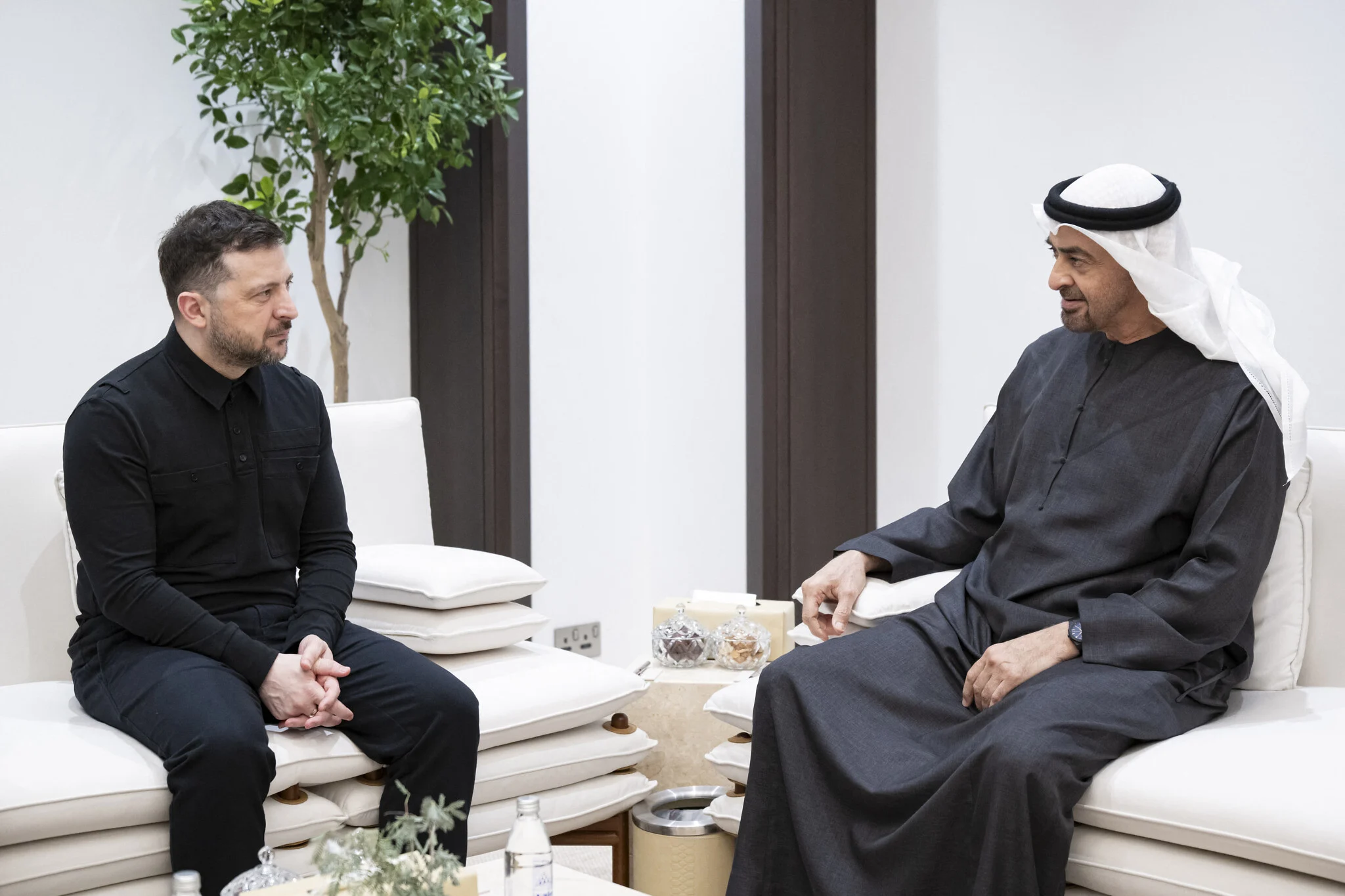
At the same time, Ukrainian President Volodymyr Zelenskyy was visiting the United Arab Emirates. During his visit, he focused on strengthening security cooperation and building stronger diplomatic ties with Gulf nations.

The timing of Iran’s claim has drawn attention, as analysts believe it could influence regional narratives and diplomatic engagements. Despite the controversy, Ukraine continues to prioritize international partnerships and stability.

Rising Tensions in Global Politics

This situation highlights growing tensions in the Middle East and the broader international arena. Conflicting claims, misinformation, and strategic messaging continue to shape global political discourse.

Experts warn that such narratives could increase uncertainty and escalate diplomatic tensions if not addressed with verified information and transparency.


Europe to Switch to Daylight Saving Time Tomorrow Morning.

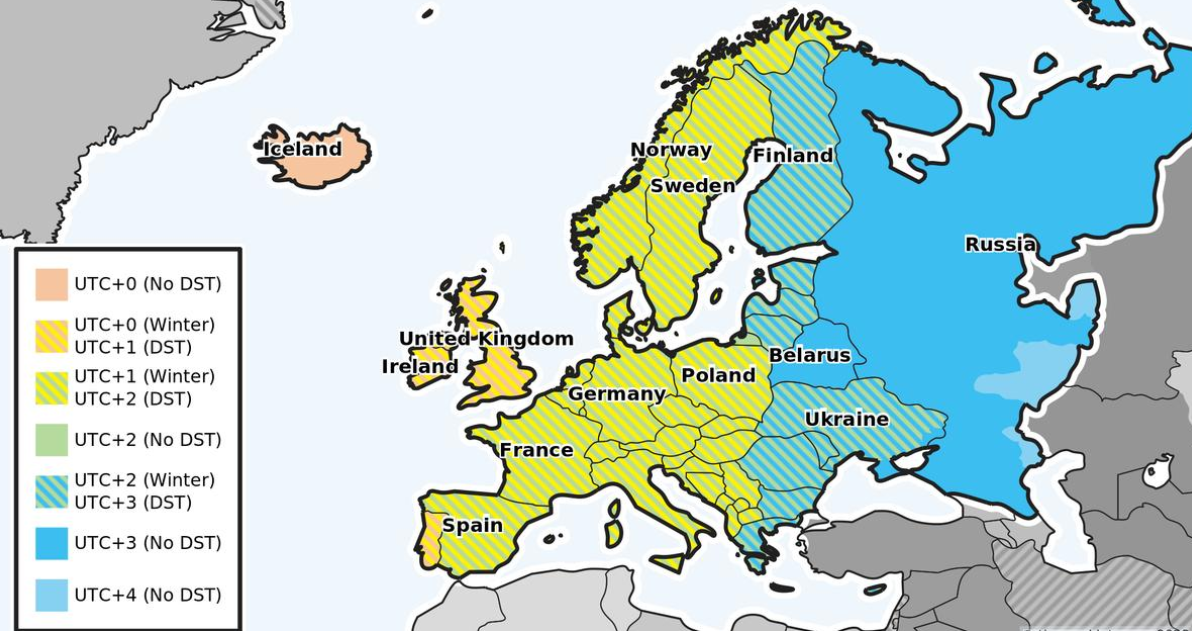
European countries will implement Daylight Saving Time (DST) early tomorrow morning, on March 29, 2026. Most nations across Europe, including the United Kingdom, will move their clocks forward by one hour.

At exactly 2:00 AM, clocks will jump forward to 3:00 AM, effectively reducing one hour of sleep. This change allows people to enjoy longer daylight hours in the evening.

Authorities apply this time adjustment every year on the last Sunday of March. The primary goal is to make better use of natural daylight, reduce energy consumption, and improve productivity during longer days.

This summer time schedule will remain in effect until the last Sunday of October 2026, when clocks will move back again to standard time.

Many countries in North America will also follow similar time adjustments during this period, aligning with global daylight-saving practices.

Hormuz Strait Conflict Near Kharg Island

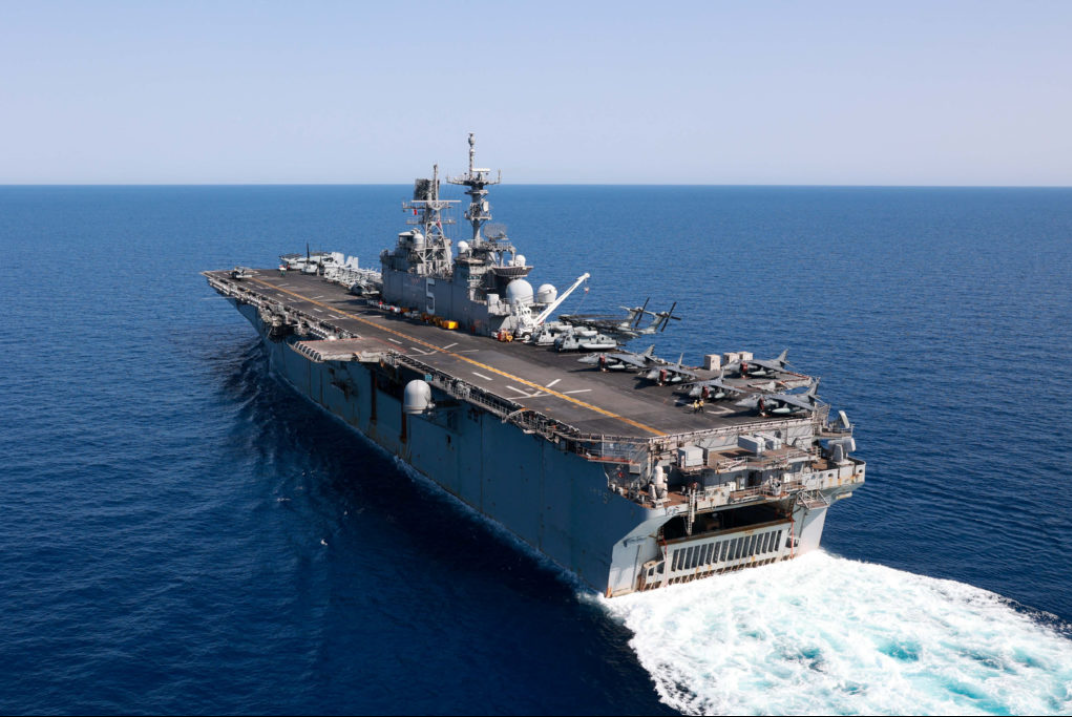
The Hormuz Strait conflict continues to draw global attention as tensions between the United States and Iran increase near Kharg Island. Security developments in this region now influence international energy markets and shipping operations across the Middle East.

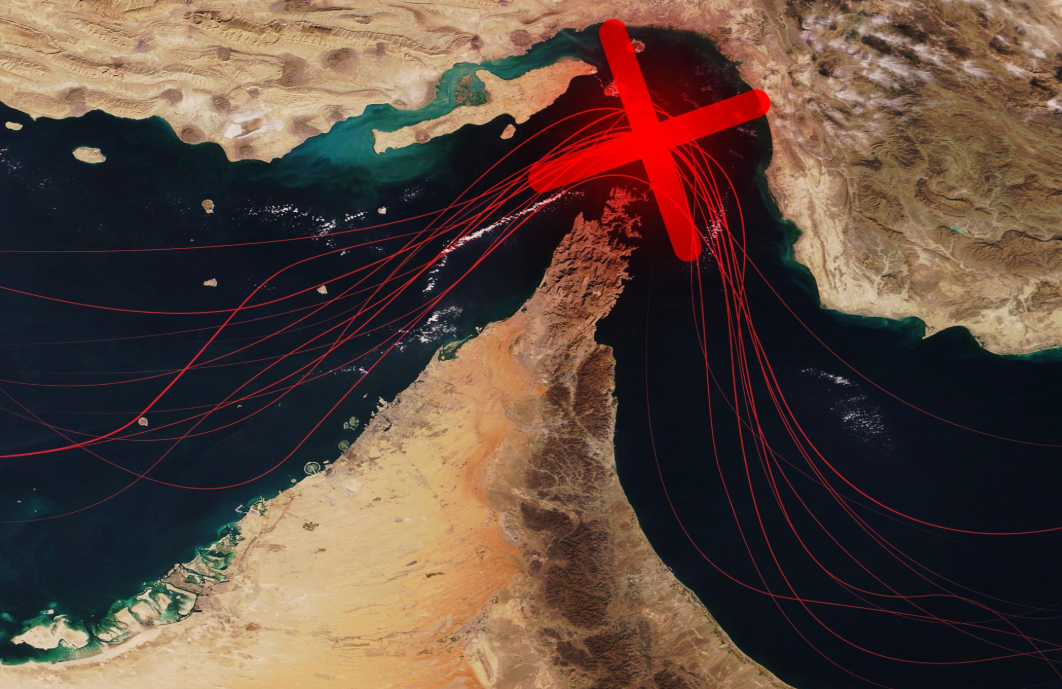
Military analysts say the Hormuz Strait conflict could directly affect tanker movement through the Strait of Hormuz. This narrow waterway carries nearly 20% of the world’s oil supply, making it one of the most sensitive maritime routes in global trade.

Kharg Island plays a critical role in Iran’s economy because it handles about 90% of the country’s oil exports. Any disruption linked to the Hormuz Strait conflict could slow export activity and increase pressure on international energy markets.

According to global shipping analysts, several oil tankers continue moving through the region despite rising tensions. However, insurers and shipping companies remain cautious as security risks increase across the Persian Gulf region.

Energy experts warn that the Hormuz Strait conflict may push fuel prices higher if shipping traffic becomes restricted. Countries that depend heavily on imported oil could experience immediate economic pressure.

Furthermore, global leaders continue diplomatic discussions to prevent escalation. They emphasize that stability in the Strait of Hormuz remains essential for protecting international trade routes and maintaining energy security worldwide.

Meanwhile, maritime monitoring agencies report that tanker movements remain active but limited. As a result, analysts expect governments to closely monitor developments connected to the Hormuz Strait conflict in the coming weeks.

India’s Luxury Market Faces Mall Shortage

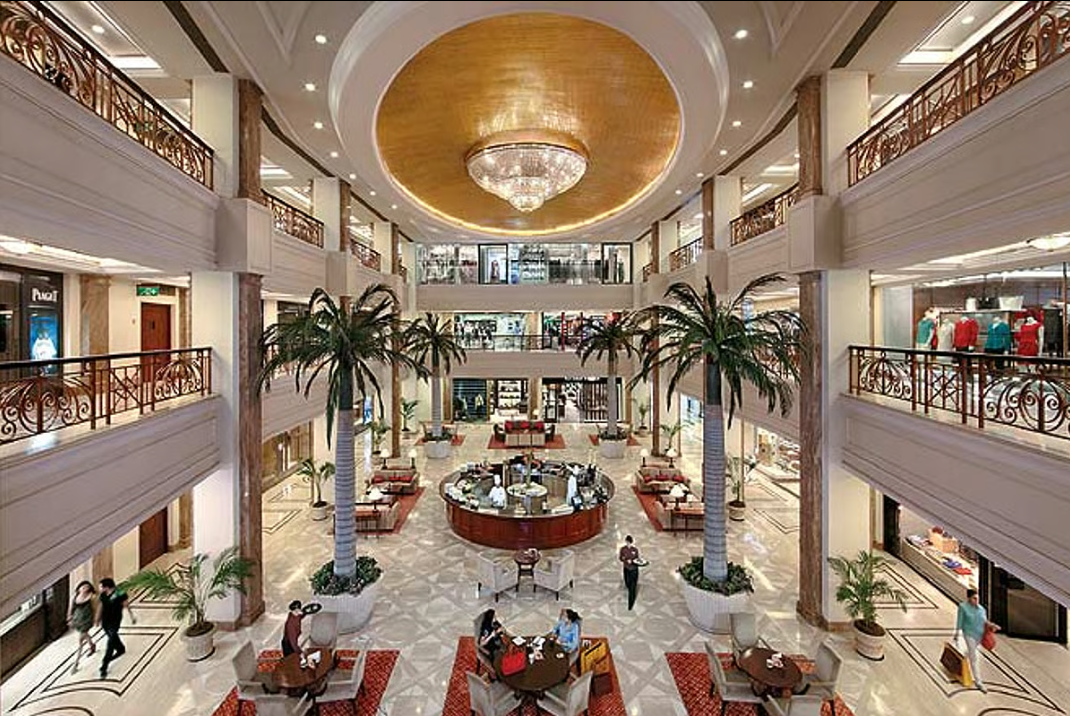
India’s luxury market is expanding rapidly, driven by rising disposable income and growing demand for premium products. However, the country faces a major challenge — a shortage of world-class luxury shopping malls. This infrastructure gap is slowing down the growth of the high-end retail sector.

Global brands such as Louis Vuitton, Gucci, and Dior are ready to expand their presence in India. They see strong potential in cities like Delhi, Mumbai, and Bengaluru. Yet, these brands struggle to find suitable retail spaces that meet international luxury standards.

Currently, most premium shopping malls in major Indian cities operate at full capacity. Retail spaces designed specifically for luxury brands remain limited. As a result, many international brands delay their entry or expansion plans in the Indian market.

The construction of new luxury malls has not kept pace with demand. High land costs and rising construction expenses have slowed down development projects. Developers also face regulatory challenges, which further delay new investments in premium retail infrastructure.

This shortage has created a clear infrastructure gap in India’s luxury ecosystem. Without sufficient high-end retail spaces, the country cannot fully benefit from its growing luxury market. Experts believe that improving infrastructure will unlock significant economic opportunities.

If India addresses this issue, it can attract more global brands, increase foreign investment, and strengthen its position in the global luxury market. The future of India’s luxury sector depends heavily on how quickly it can build world-class retail environments.

Iran Leadership Crisis Claims After Trump Statement.

Former U.S. President Donald Trump claimed that Iran’s senior leadership structure has been severely weakened following recent military developments and internal uncertainty. He stated that the country may currently lack an effective operational supreme leadership framework.

Iran earlier announced that Ali Khamenei was killed in a missile strike on February 28. Following the announcement, officials reportedly appointed his son Mojtaba Khamenei as the new supreme leader. However, Mojtaba has not appeared publicly since the announcement, and only written statements attributed to him have surfaced.

Speaking at the Future Investment Initiative Priority Summit in Miami, Trump said Iran’s entire senior leadership council may have been “eliminated or seriously weakened.” He also suggested that Mojtaba Khamenei could be dead or critically injured, noting that no confirmed public appearances have been recorded.

Trump further claimed that U.S. military operations significantly reduced Iran’s command structure and strategic capabilities. According to his remarks, these developments may have left the country without an active central leadership authority.

However, independent confirmation of these claims remains limited. Analysts continue monitoring developments inside Iran as uncertainty surrounding its leadership structure persists.

Europe to Advance Clocks for Daylight Saving Time on Sunday.

Most countries across Europe and parts of North America will switch to Daylight Saving Time (DST) early Sunday morning, March 29, 2026. The seasonal time change marks the beginning of longer daylight hours during spring and summer.

Authorities confirmed that clocks will move forward by one hour at 2:00 a.m., shifting directly to 3:00 a.m. across many European countries, including the United Kingdom.

This adjustment follows the long-standing practice of advancing clocks on the last Sunday of March each year. The new time schedule will remain in effect until the last Sunday of October, when clocks move back again.

As a result of the time change, people will lose one hour of sleep on Sunday morning. However, the shift allows longer daylight hours in the evening, which benefits outdoor activities, travel schedules, and business operations.

Experts note that Daylight Saving Time supports energy efficiency and improves evening productivity during warmer months. Many residents also welcome the extended daylight as spring and summer approach.

AstraZeneca’s New COPD Drug Shows Strong Results in Final Trials

AstraZeneca has announced encouraging results from late-stage clinical trials of its new drug designed to support patients living with Chronic Obstructive Pulmonary Disease. Researchers confirmed that the treatment significantly reduces sudden health complications linked to the condition.

The Phase 3 clinical study, known as Prestige, showed that the new therapy improves outcomes by 24 percent compared with standard treatments currently used for COPD patients.

Medical experts believe the drug could benefit people whose lungs have suffered damage from smoking and long-term exposure to air pollution. These groups face a higher risk of severe breathing difficulties and repeated hospital visits.

Researchers also confirmed that combining the new medicine with existing inhaler-based therapies improves lung function and stabilizes patient health more effectively than inhalers alone. Following these strong results, AstraZeneca plans to apply for approval from international drug regulators soon. If approved, the treatment could become available globally within the next stages of regulatory review.

Health specialists describe this development as a major step forward for respiratory medicine. COPD remains one of the leading causes of death worldwide, so new treatment options offer hope to millions of patients affected by chronic breathing disorders. Despite ongoing global crises, advances like this highlight continued progress in medical research and innovation for respiratory disease treatment.

Strait of Hormuz Closure Threatens Global Oil Supply Routes.

The closure of the Strait of Hormuz has raised serious concerns about global energy security as tensions continue to escalate across the Middle East. The narrow waterway plays a critical role in transporting oil supplies to international markets.

Recent attacks on commercial vessels in the region forced shipping companies to avoid key routes. As a result, Iran’s move to close the Strait of Hormuz has disrupted one of the world’s most important oil transit corridors.

Energy producers have already started searching for alternative export routes. Saudi Aramco confirmed plans to redirect millions of barrels of crude oil through pipelines leading to the western Saudi port of Yanbu on the Red Sea coast.

Data released by Kpler showed that daily oil exports from Yanbu have more than doubled this month compared with last year’s average levels. Analysts say this increase reflects urgent efforts to stabilize supply chains.

However, the Red Sea route now faces growing security risks. Since late 2023, Iran-aligned Houthis have carried out repeated attacks on commercial vessels in the Red Sea following regional military tensions involving Hamas and Israel. Shipping companies have responded by rerouting vessels around the southern tip of Africa. This longer route increases travel time by several weeks and significantly raises fuel, insurance, and crew costs.

Earlier this month, the United Kingdom Maritime Trade Operations warned that threats to commercial shipping in the Red Sea remain serious. Officials described the situation as a major risk to global trade stability. Experts now caution that continued disruptions in both the Strait of Hormuz and Red Sea shipping lanes could reshape global oil supply networks and increase pressure on international energy markets.