
Sri Lanka Thanks India for Emergency Fuel Support.
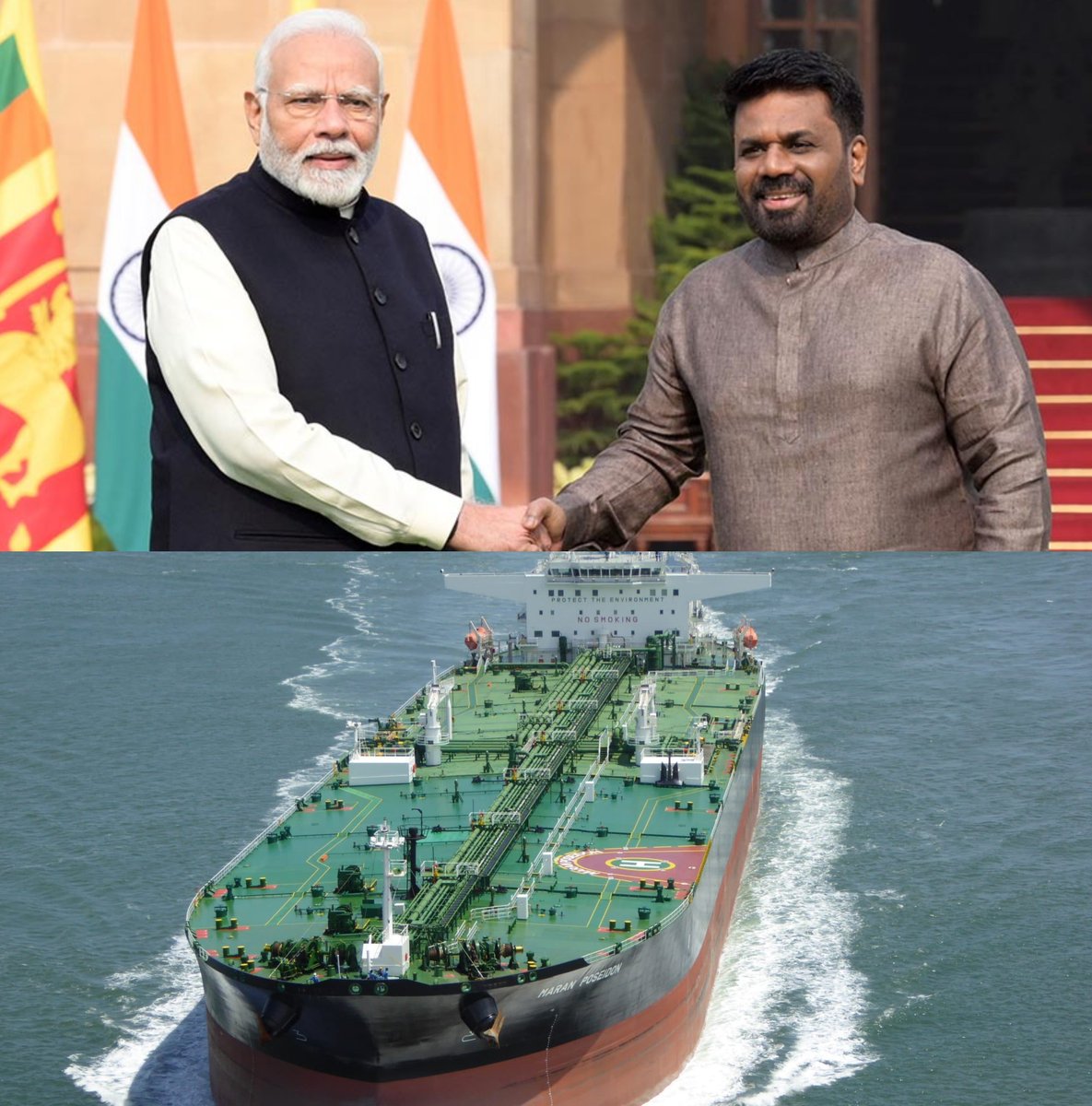
Sri Lankan President Anura Kumara Dissanayake has officially thanked Indian Prime Minister Narendra Modi for providing urgent fuel support during the country’s ongoing supply challenges. The assistance comes at a crucial time as Sri Lanka continues to face disruptions caused by geopolitical tensions in the Middle East.
The President shared his gratitude through his official X (Twitter) account, highlighting India’s swift and timely response. He emphasized that the support played a key role in stabilizing the fuel supply situation and preventing further economic strain.
Earlier discussions between the two leaders focused on addressing Sri Lanka’s fuel distribution issues. Following these talks, India acted quickly and dispatched a fuel shipment to Colombo. As a result, approximately 38,000 metric tons of fuel successfully arrived in the country, providing immediate relief.
In addition, President Dissanayake extended his appreciation to Indian External Affairs Minister S. Jaishankar for coordinating the effort. He noted that strong diplomatic cooperation between Sri Lanka and India continues to play an important role in overcoming economic challenges.
Furthermore, this development highlights the growing regional partnership and reinforces India’s role as a key ally in times of crisis. It also reflects the importance of international cooperation in ensuring energy security and economic stability.