Trincomalee Weapons Seized in Police Raid

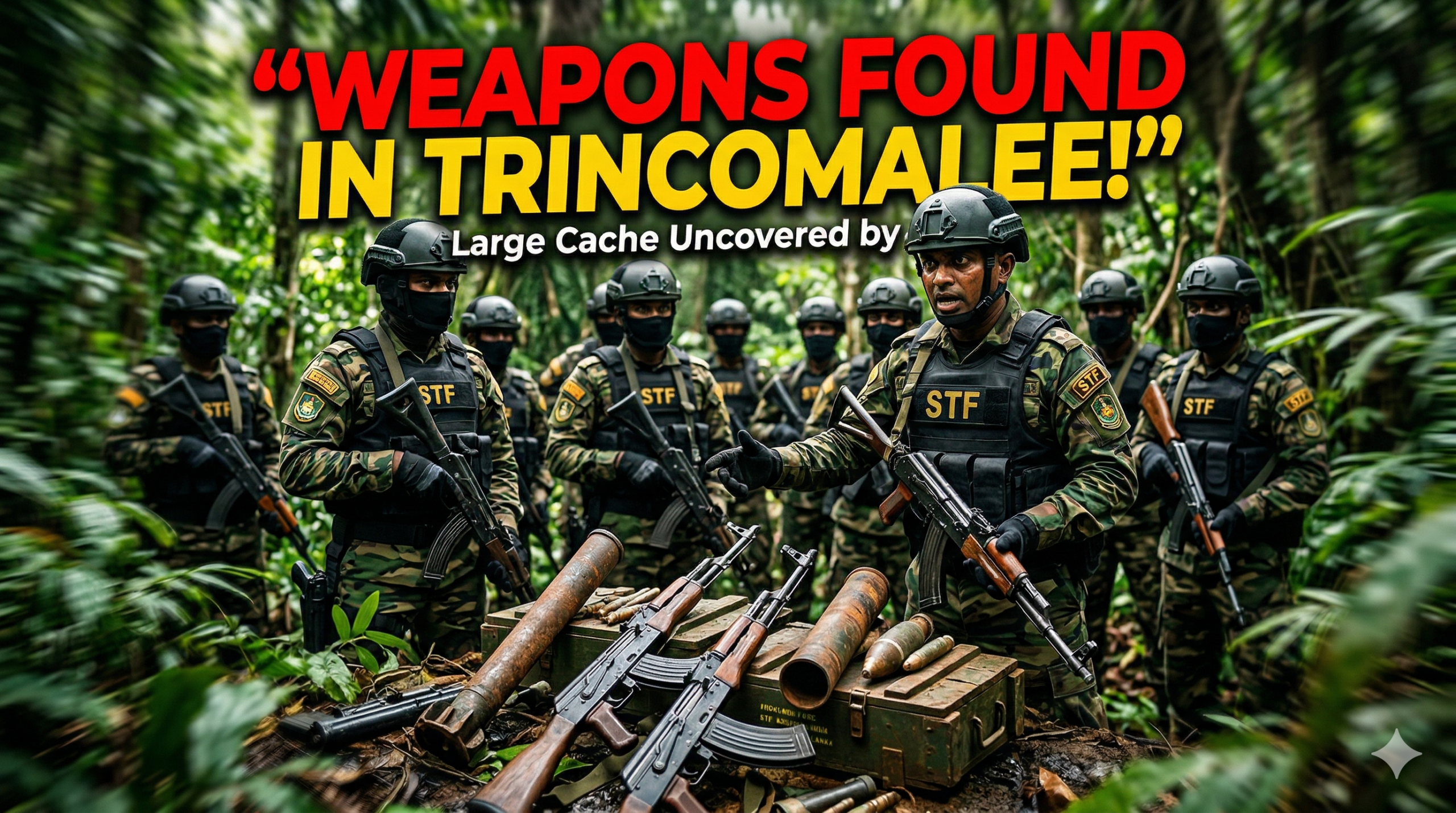
Police in Trincomalee, Sri Lanka, seized a large cache of hidden weapons during a special raid in the Boomarathadiya area. This operation shows how intelligence-led policing prevents crime and ensures public safety.


Operation Details

Authorities used secret intelligence from local informants to plan the raid. They launched a targeted search in the Vagarai area, where officers found weapons buried underground. Police secured the site and all evidence for further analysis.


Items Seized

Police recovered four hand grenades, two grenade launchers, and seventy-five rounds of ammunition for T-56 rifles. They transported all weapons to the Echchilampattu Police Station for investigation. Forensic teams examined the weapons to trace their origin and possible previous use.


Investigation Underway

Police are identifying who hid the weapons and their purpose. They coordinate with other divisions to trace the arms’ origin and possible criminal networks. Similar operations in Batticaloa and Jaffna highlight the recurring threat of hidden weapons in Northern and Eastern provinces.


Community and Public Safety

Police urged citizens to report suspicious activities. Community cooperation helps prevent illegal arms circulation. Local leaders also called for increased surveillance and public awareness campaigns.

Security experts note that recovering weapons strengthens public trust in law enforcement. Additionally, operations disrupt organized crime networks operating across multiple districts.


Official Guidance and Resources

Authorities encourage the public to stay vigilant near schools, military camps, and remote villages.

For more information, visit:


Continuing Investigations

Trincomalee police continue investigating the origin and purpose of the weapons. Officials will release updates after verifying their findings. This operation shows Sri Lankan security forces’ commitment to protect communities and prevent criminal activity.
School Student Killed in Ududumbara Road Accident

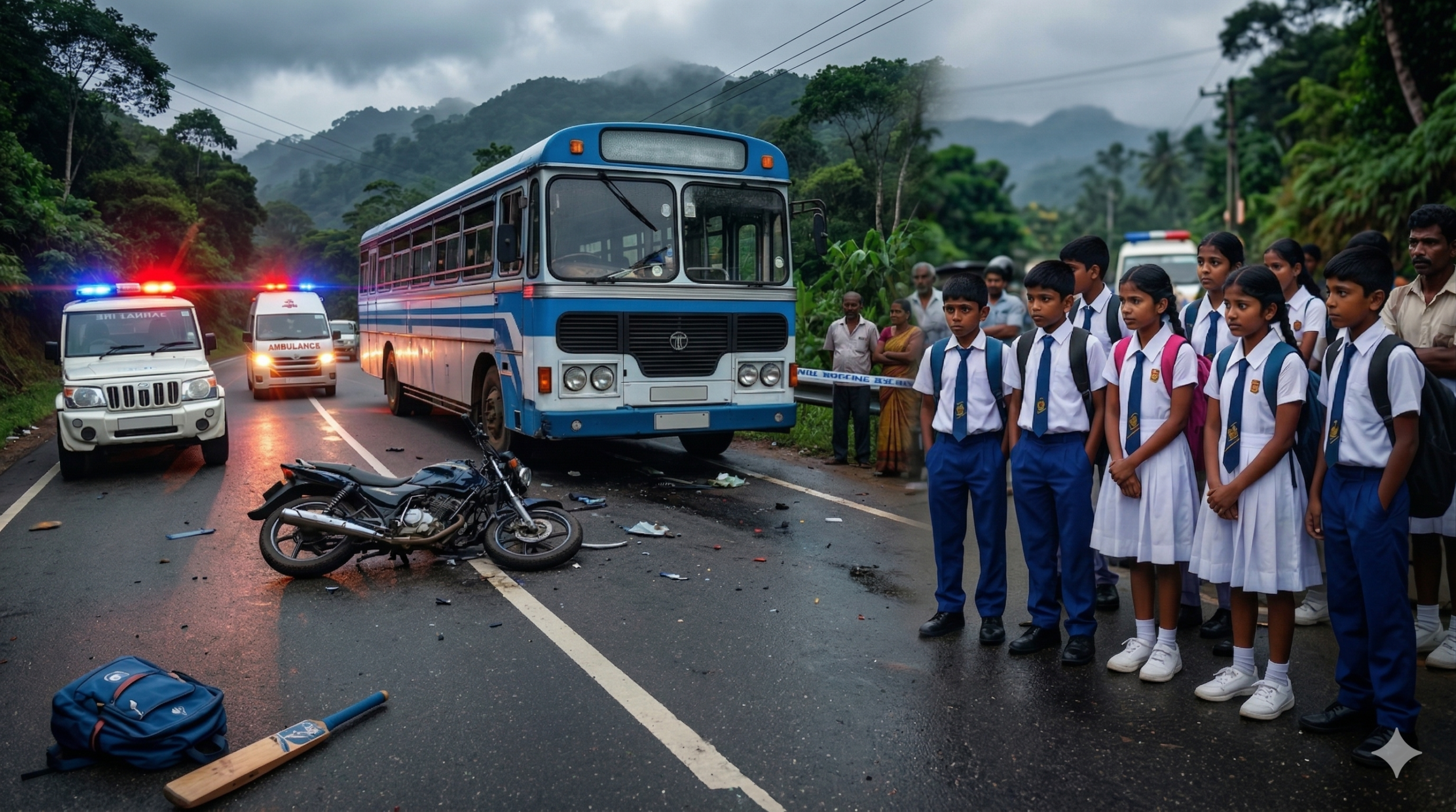
A tragic road accident occurred in Ududumbara, Sri Lanka, when a private bus collided with a motorcycle carrying two school students. As a result, one student died instantly, while the other suffered serious injuries.

The crash happened near the Pallekele Army Camp as the bus traveled toward Kandy. The students had been returning home after watching an inter-school cricket match held in Kandy. Meanwhile, local authorities rushed to the scene to manage traffic and assist victims.

Police arrested the bus driver immediately, and officers began investigating the accident thoroughly. They reviewed eyewitness accounts, traffic camera footage, and road conditions to determine the exact cause. Additionally, investigators plan to interview other drivers in the area.

The injured student was taken to the Intensive Care Unit of Kandy National Hospital. Doctors are monitoring him closely while providing emergency care. Experts warn that school children remain especially vulnerable on the roads, and parents should ensure they use safe transport. Furthermore, drivers must follow speed limits and exercise caution near schools and sports events.

Authorities face growing pressure to improve road safety measures. For instance, officials could install speed bumps, improve road signage, and increase police patrols near schools. Past incidents, such as the Kandy Road Accident 2024 and Colombo School Bus Incident, highlight the urgent need for better safety rules.

The Sri Lanka Police Traffic Division provides safety tips for drivers and pedestrians. The Road Safety Authority of Sri Lanka also offers educational materials for parents and students. Therefore, families and schools are encouraged to follow these guidelines.

Meanwhile, the local community expressed grief and condolences to the student’s family. Teachers, parents, and students organized awareness campaigns to promote safe travel practices. In addition, they distributed leaflets and used social media to warn others.

Police asked witnesses of the Ududumbara accident to provide statements. This cooperation will help prevent similar tragedies in the future.

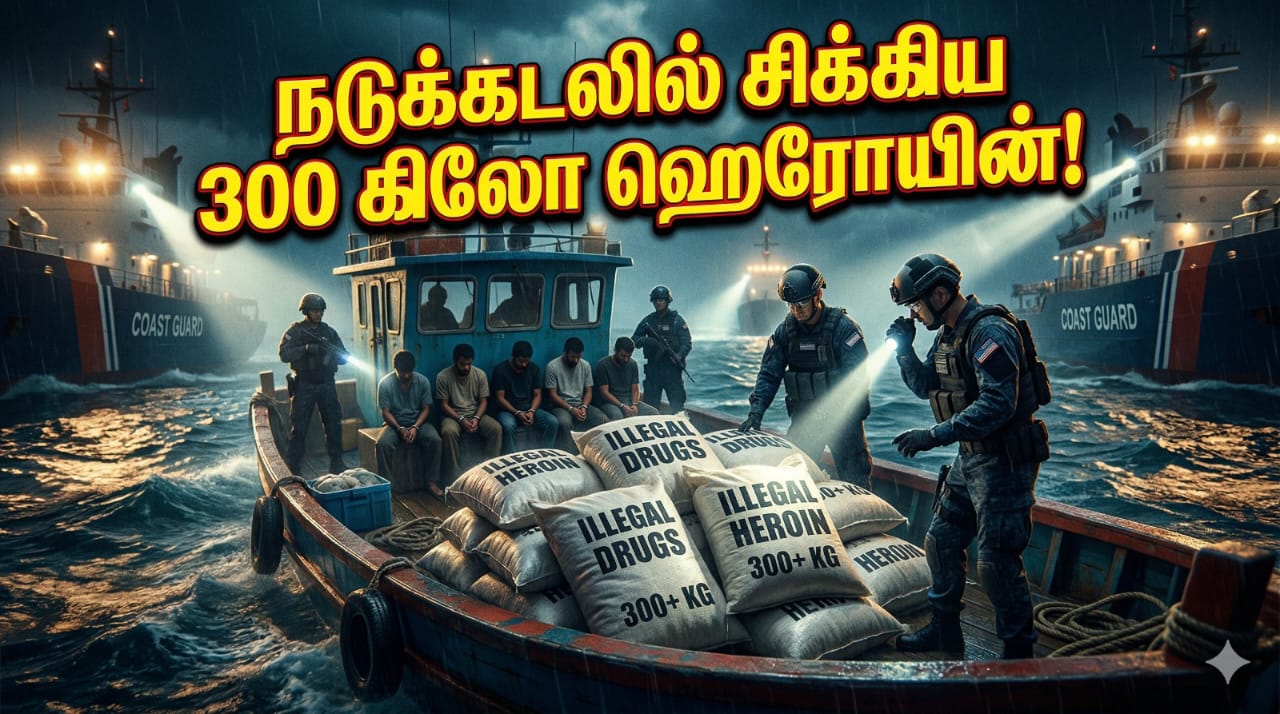
Sri Lanka Navy Seizes Over 300kg Heroin at Sea

The Sri Lanka Navy stopped a major drug smuggling attempt at sea. The action was taken after receiving international intelligence.

Naval teams spotted a fishing boat near Beruwala. The boat looked suspicious. Officers quickly moved in and surrounded it.

The Navy then checked the boat. They found 298 fertilizer sacks onboard. Inside the sacks, more than 300 kilograms of heroin had been hidden.

The boat was taken to Dikowita Fisheries Harbour. Officers carried out a full inspection there.

Six suspects were arrested at the scene. Officers also seized modern communication devices from the boat.

The Police Narcotics Bureau is now leading the investigation. Officials believe an international crime network is behind this smuggling attempt.

Indonesia 7.4 Quake: Sri Lanka Advisory.

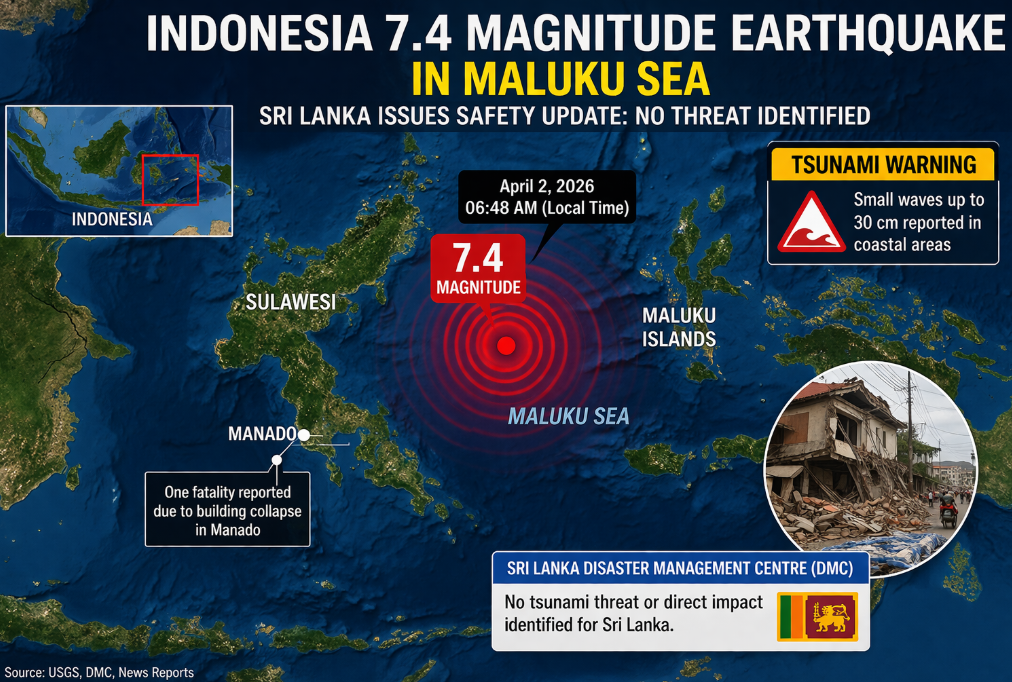
A powerful 7.4-magnitude earthquake was recorded in the Maluku Sea, between the island groups of Sulawesi and Maluku, at 6:48 a.m. local time on April 2, 2026, according to seismic monitoring agencies. The earthquake was confirmed by international geological authorities, including the U.S. Geological Survey (USGS).

Following the strong offshore tremor, a tsunami alert was initially issued for several coastal regions in eastern Indonesia. Small tsunami waves measuring up to 30 centimeters were reported in nearby coastal areas shortly after the earthquake. Authorities later confirmed that the immediate large-scale tsunami threat had subsided.

Meanwhile, structural damage was reported in parts of Manado, where debris from collapsing structures resulted in the death of one individual. Emergency teams were deployed, and precautionary safety measures were activated across affected regions as aftershocks continued to be monitored.

Importantly, the Disaster Management Centre (DMC) of Sri Lanka announced that no tsunami threat or direct impact had been identified for Sri Lanka following the earthquake. The situation was closely monitored, and the public was informed that no emergency coastal warnings were required at this stage.

However, residents across the region were advised by authorities to remain alert for further updates, as seismic activity in the Pacific Ring of Fire zone continues to be closely observed by international monitoring agencies.

Mercury Risk Found in Puttalam Women

A concerning level of mercury contamination has been detected in the hair samples of women living in Puttalam, according to findings released in a recent environmental study.

It has been reported that the affected women were not directly exposed to mercury through occupational activities. Instead, environmental pollution caused by low-quality coal usage has been identified as a possible contributing factor.

Environmental Study Highlights Coal Pollution Risk

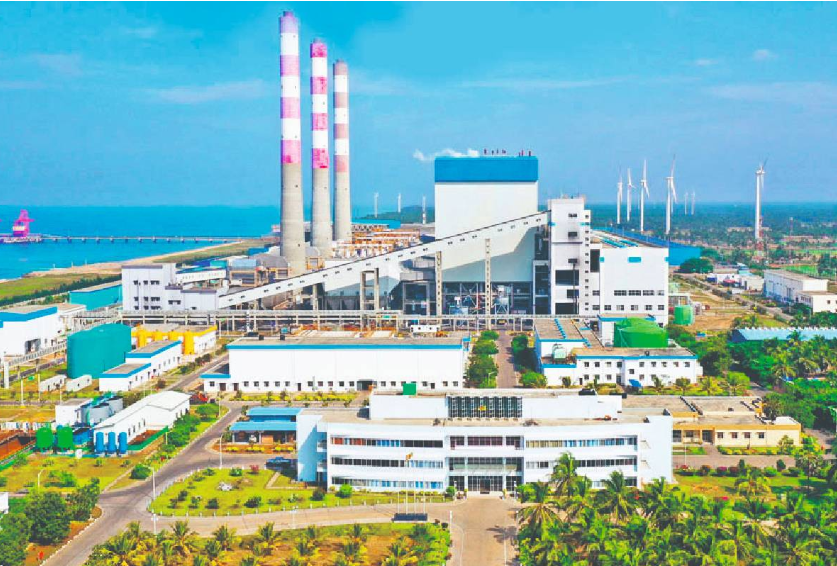
The findings were presented by the Centre for Environmental Justice. Its Chairman and Senior Advisor, Hemantha Withanage, stated that mercury released from burning low-quality coal may accumulate in the environment and marine ecosystems.

It has further been explained that mercury can enter the human body through the food chain, particularly via contaminated seafood consumed by coastal communities.

Mercury Levels Found Above International Safety Limits

Hair samples collected from 28 women aged between 18 and 44 years showed mercury levels exceeding 1 ppm, which is the safety reference level established by the National Research Council in 2000.

In several cases, mercury concentrations were recorded as high as 15.584 ppm, which has been described as a serious public health concern.

Coastal Communities May Already Be Affected

Residents living in surrounding coastal regions such as Norochcholai, Paniyadi, Narakkalliya, and nearby lagoon areas have been warned that exposure to mercury toxicity may already have occurred.

Concerns were also raised that insufficient transparency exists regarding mercury content in imported coal supplies.

Experts Warn of Possible Long-Term Health Crisis

Environmental experts have cautioned that the situation could potentially develop into a large-scale public health emergency similar to the historic Minamata disease crisis recorded in Japan.

Meanwhile, medical specialist Chamal Sanjeewa stated that mercury accumulation in coastal water bodies could increase contamination levels in fish populations consumed by local communities.

It has also been reported that repeated requests submitted to the Central Environmental Authority for a detailed investigation have not yet received an official response.

Pollution Levels Near Norochcholai Power Plant Increasing

According to data released by the Public Utilities Commission of Sri Lanka, emissions from the Norochcholai Coal Power Plant remain within legally permitted limits but have increased noticeably in recent months.

In particular, February 2026 data showed higher emissions of carbon monoxide, nitrogen oxides, particulate matter, and sulphur dioxide compared with earlier measurements.

Although these emissions remain within regulatory thresholds, questions have been raised regarding coal quality and potential long-term environmental and health risks.

Electricity Tariffs Increased in Sri Lanka From Today.

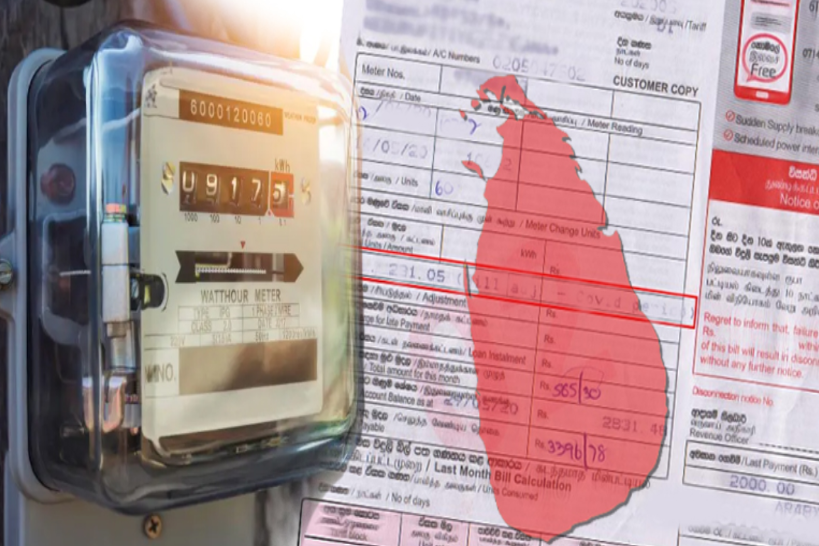
Electricity tariffs in Sri Lanka have been increased from today following approval granted by the Public Utilities Commission of Sri Lanka.

According to the announcement, revised electricity charges have been implemented across multiple sectors, including domestic users, industrial consumers, hotels, and government institutions. The tariff adjustment has been introduced in response to rising national electricity generation costs.

Domestic Electricity Tariff Revisions Announced

Under the new structure, electricity charges for domestic users have been increased at different percentage levels depending on consumption categories.

For households consuming below 30 units, the tariff has been increased by 4.3%, and the new rate has been set at Rs. 15 per unit.

Meanwhile, for users consuming 30–60 units, the tariff has been increased by 6.9%, and the revised rate has been fixed at Rs. 45 per unit.

Similarly, electricity usage between 61–90 units has also been increased by 6.9%, with the updated charge reaching Rs. 120 per unit.

Furthermore, consumption between 91–180 units has been increased by 7.2%, and the tariff has been revised to Rs. 420 per unit.

For electricity usage above 180 units, the highest increase of 25% has been implemented.

Industrial, Government and Hotel Sectors Also Affected

Electricity tariffs for key economic sectors have also been revised under the new pricing structure.

Charges for the industrial sector have been increased by 8.7%, while tariffs for hotels have been increased by 9.9%.In addition, electricity charges for government institutions have been increased by 14.4%, according to the official update.

Special Consideration Given to Religious Institutions

For religious institutions, electricity consumption below 180 units has remained unchanged under the revised tariff system.

However, electricity usage above 180 units has been subjected to a 9.6% increase, as confirmed by the authorities.

It has been stated that the decision was taken after considering the current electricity generation costs and the financial sustainability of the national power sector.

All Vehicle Owners Allowed to Obtain Fuel Today in Sri Lanka

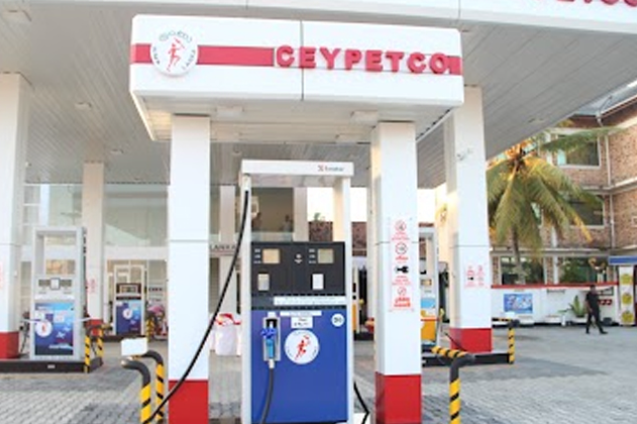
All vehicle owners in Sri Lanka have been allowed to obtain fuel today (April 01), according to an announcement issued by the Ceylon Petroleum Corporation.

It has been stated that both vehicles with registration numbers ending in odd digits and even digits will be permitted to receive fuel from filling stations today. The decision has been confirmed as a temporary relaxation of the existing fuel distribution schedule.

QR-Based Fuel Distribution System Continues

Since February 19, fuel allocations have been provided through a QR-code-based system linked to the last digit of vehicle registration numbers. Under this system, vehicles are usually allowed to obtain fuel only on specific dates that match their registration number category.

Accordingly, vehicles with registration numbers ending in even digits are normally allowed to obtain fuel on even-numbered calendar dates. Similarly, vehicles with registration numbers ending in odd digits are permitted access on odd-numbered dates.

Special Permission Granted for Today

However, despite today being categorized as an odd-numbered date, fuel access has been granted to all vehicles regardless of their registration number. Therefore, both odd-digit and even-digit vehicles have been allowed to obtain fuel from filling stations nationwide.

The announcement has been officially released by Mayura Neththikumara, the Managing Director of the Ceylon Petroleum Corporation.

Authorities have stated that the temporary adjustment has been introduced to improve public convenience and ensure smoother fuel distribution operations across the country.

Russian Military Transport Plane Crash in Crimea Kills 29 People

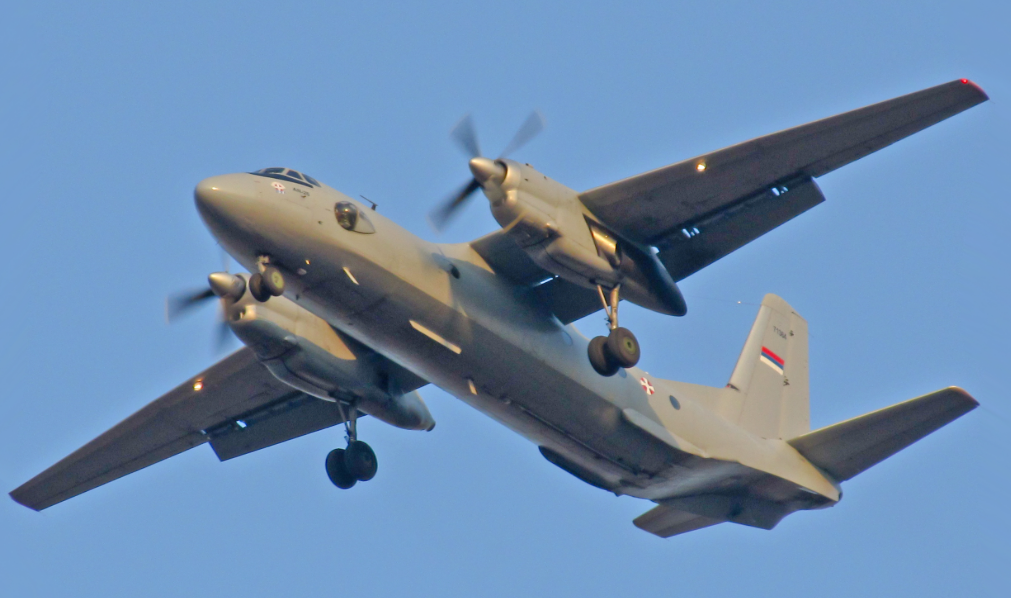
A Russian military transport aircraft has been reported to have crashed over the Crimea Peninsula, resulting in the deaths of 29 people on board. The aircraft involved in the accident was identified as an Antonov An-26 transport plane operated by the Russian military.

According to official confirmation released by the Russian Defence Ministry, the crash occurred at approximately 6:00 PM local time on March 31. The aircraft was said to have been flying over Crimea when the incident took place.

Technical Malfunction Reported as Possible Cause

Preliminary investigations have suggested that the accident may have been caused by a technical malfunction. However, further verification is expected to be carried out by aviation authorities. Rescue teams were reportedly dispatched immediately after the crash site was located.

Meanwhile, authorities have confirmed that all 29 individuals on board the aircraft lost their lives. Among the victims, six were identified as crew members, while the remaining passengers were military personnel.

Investigation Expected to Continue

At present, a detailed investigation is expected to be conducted to determine the exact cause of the crash. Aviation safety experts are likely to examine technical records and flight data to identify contributing factors.

Furthermore, military transport operations in the region are expected to be reviewed following the incident. The crash has also raised concerns regarding the operational safety of older transport aircraft still in service.

Mini-Shutdown Hits U.S. Homeland Security

The U.S. Homeland Security Department is experiencing a mini-shutdown, now entering its 45th day, after Democrats and Republicans failed to reach agreement on department funding. Last week, both the Senate and House of Representatives voted on different financing proposals, but no unified solution was agreed upon before the weekend.

The funding deadlock stems from a political dispute over Immigration and Customs Enforcement (ICE) operations, which are part of the department. ICE raids, carried out as part of President Donald Trump’s strict deportation policy, have drawn widespread criticism. Critics highlight violent and heavily armed federal agents, whose conduct in Minnesota in January resulted in the deaths of two U.S. citizens during Minneapolis operations.

Democrats in the Senate refused to approve the department budget, demanding reforms including a ban on mask-wearing for federal officers and mandatory body cameras for accountability. The shutdown has also halted salaries for security personnel at U.S. airports, resulting in numerous staff calling in sick. Consequently, long lines at airport security checkpoints and flight delays have affected thousands of travelers.

Experts warn that without immediate resolution, the mini-shutdown could further disrupt government services, heighten public safety risks, and exacerbate tensions between political parties over immigration enforcement. Interim measures have not yet been implemented, and the deadlock highlights the continuing challenge of balancing border security with civil rights reforms.

Tourism in Greece and Cyprus Affected by Middle East Conflict

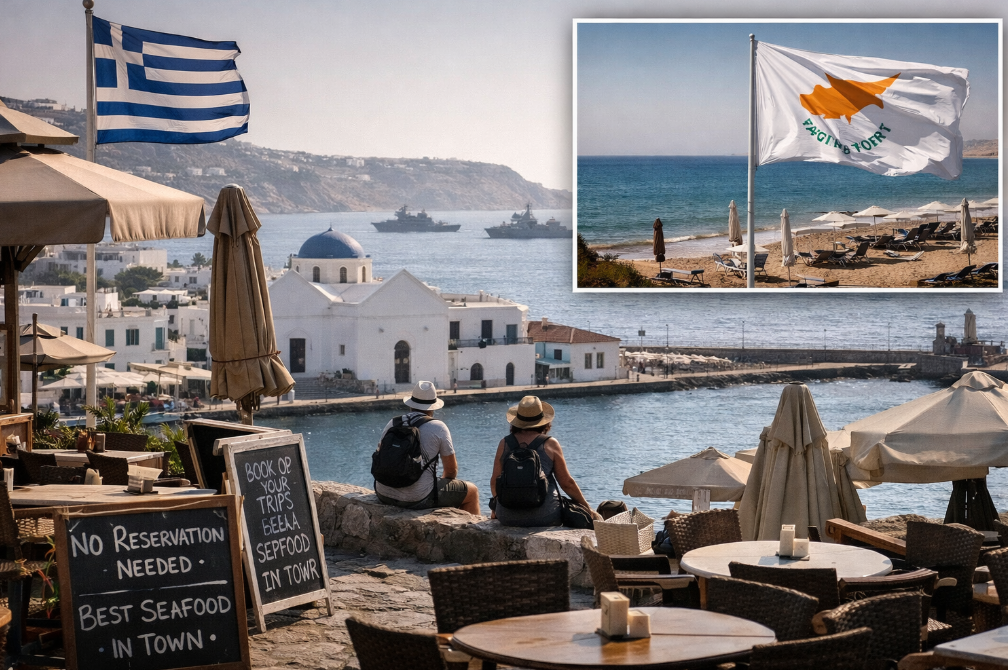
Tourist bookings in Greece and Cyprus have declined ahead of the holiday season due to the ongoing Middle East conflict. While direct risks in Greece remain minimal, uncertainty about rising costs and economic developments has caused concern among hotel operators. In Cyprus, the proximity to the conflict region has intensified the effects, with the hospitality sector reporting stronger impacts. In Athens, industry representatives have observed a noticeable slowdown in reservations.

Many travelers are adopting a cautious approach, waiting to see how the economic situation evolves, according to travel agencies and hoteliers. Greece’s Tourism Minister, Olga Kefalogianni, highlighted the psychological impact of the conflict on tourists in a radio interview. She also emphasized the industry’s experience in managing crises and suggested that Greece could benefit as tourists seek destinations perceived as safe, given its distance from the conflict zone.

Cyprus has introduced a €200 million aid package to mitigate the economic effects of the Middle East crisis. Beginning in April, 30 percent of wages for employees in hotels and accommodations will be covered, supporting businesses preparing for the season amid declining bookings. Additional measures include assistance for airlines to ensure connectivity with key source markets, helping maintain the island’s tourism infrastructure.