Intel Reclaims $14.2B Ireland Chip Plant Stake.

A major strategic step has been taken by Intel to strengthen its position in the global semiconductor industry, as a 49% stake in its advanced chip manufacturing facility located in Leixlip has been planned to be repurchased for $14.2 billion from Apollo Global Management.

The stake had originally been sold in 2024 for $11.2 billion during a period of financial pressure faced by Intel, when additional capital had been required to support large-scale manufacturing expansion projects across Europe and the United States. The transaction had allowed operational continuity to be maintained while financial flexibility was improved.

Now, the full ownership of the strategically important Fab 34 semiconductor facility is expected to be restored as Intel’s financial stability has been significantly strengthened through restructuring initiatives implemented under CEO Lip-Bu Tan. Increased efficiency measures and renewed investor confidence have been reported as key contributors to the recovery.

The decision has also been influenced by rapidly rising global demand for processors used in artificial intelligence applications and modern data-center infrastructure. As AI-driven computing adoption continues to expand worldwide, stronger control over advanced manufacturing assets has been considered essential for long-term competitiveness.

It has further been announced that the repurchase will be financed through a combination of existing company cash reserves and approximately $6.5 billion in new debt, ensuring that operational investment momentum will be maintained while ownership control is strengthened.

Through this move, Intel’s manufacturing independence in Europe is expected to be reinforced, while future profitability and processor supply capabilities for next-generation AI technologies are anticipated to improve significantly over the coming years.


Sri Lanka to Launch Digital ID Cards by 2026 to Simplify Public Services.

Sri Lanka is preparing to introduce a modern digital identity system that will transform how citizens access both public and private services. The government plans to roll out the first digital ID cards by the third or fourth quarter of 2026, marking a major step toward the country’s digital transformation journey.

Deputy Minister of Digital Economy, Eranga Weeraratne, confirmed this initiative while addressing the national digital identity program. He stated that the project will improve efficiency, strengthen security, and enhance accessibility across multiple sectors.

Authorities aim to re-register all national ID holders within the next two years in order to build a unified and advanced identity system across the country. This new framework will replace outdated identification methods with a secure and scalable digital infrastructure, ensuring better service delivery and system integration.

The new digital ID cards will include advanced security features designed to protect user data. Biometric information such as fingerprints will be securely stored using encryption technologies. As a result, the system will reduce identity fraud risks while maintaining high levels of data protection.

In addition, the digital ID system will make accessing public services much easier for citizens. People will no longer need to visit government offices for routine identity verification. Instead, they will be able to confirm their identity remotely when using banking services, welfare programs, and official documentation processes.

The government also plans to introduce the system gradually. Both digital and traditional ID cards will operate together during a transition period. This approach will ensure that public services continue without disruption while allowing citizens enough time to adapt to the new system.

Overall, Sri Lanka’s digital ID initiative represents a major step toward building a fully digital economy. By combining convenience, security, and efficiency, the new system is expected to improve everyday life for citizens while modernizing the country’s national infrastructure.

AstraZeneca’s New COPD Drug Shows Strong Results in Final Trials

AstraZeneca has announced encouraging results from late-stage clinical trials of its new drug designed to support patients living with Chronic Obstructive Pulmonary Disease. Researchers confirmed that the treatment significantly reduces sudden health complications linked to the condition.

The Phase 3 clinical study, known as Prestige, showed that the new therapy improves outcomes by 24 percent compared with standard treatments currently used for COPD patients.

Medical experts believe the drug could benefit people whose lungs have suffered damage from smoking and long-term exposure to air pollution. These groups face a higher risk of severe breathing difficulties and repeated hospital visits.

Researchers also confirmed that combining the new medicine with existing inhaler-based therapies improves lung function and stabilizes patient health more effectively than inhalers alone. Following these strong results, AstraZeneca plans to apply for approval from international drug regulators soon. If approved, the treatment could become available globally within the next stages of regulatory review.

Health specialists describe this development as a major step forward for respiratory medicine. COPD remains one of the leading causes of death worldwide, so new treatment options offer hope to millions of patients affected by chronic breathing disorders. Despite ongoing global crises, advances like this highlight continued progress in medical research and innovation for respiratory disease treatment.

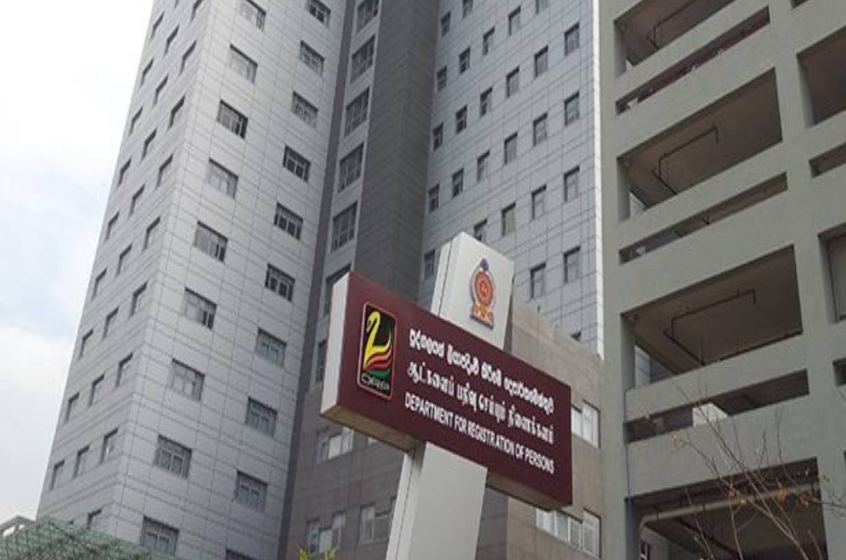
Sri Lanka ID Services Halted Due to IT Glitch.

The Department of Registration in Sri Lanka has announced the suspension of all public services, including the one-day national ID card issuance, effective tomorrow (27 March) until further notice. This decision follows a sudden technical failure in the department’s computer system, which occurred today (26 March) at 1:30 PM.

The department stated that services will remain unavailable until the IT system is fully restored. Earlier, the department’s data infrastructure had experienced a similar failure on 23 March, which temporarily halted all services. Services were briefly resumed on 24 March after repairs, but the system malfunctioned again today, prompting the current suspension.

Department Director Nayagam confirmed that efforts to restore the system are ongoing. He emphasized that the technical issues affect all operations, including issuing national ID cards and other public services managed by the department. Citizens are advised to postpone visits until the system is operational and further announcements are made.

Sri Jayewardenepura Hospital Launches 4D Angio CT Unit

Sri Jayewardenepura Hospital Launches South Asia’s First 4D Angio CT Unit

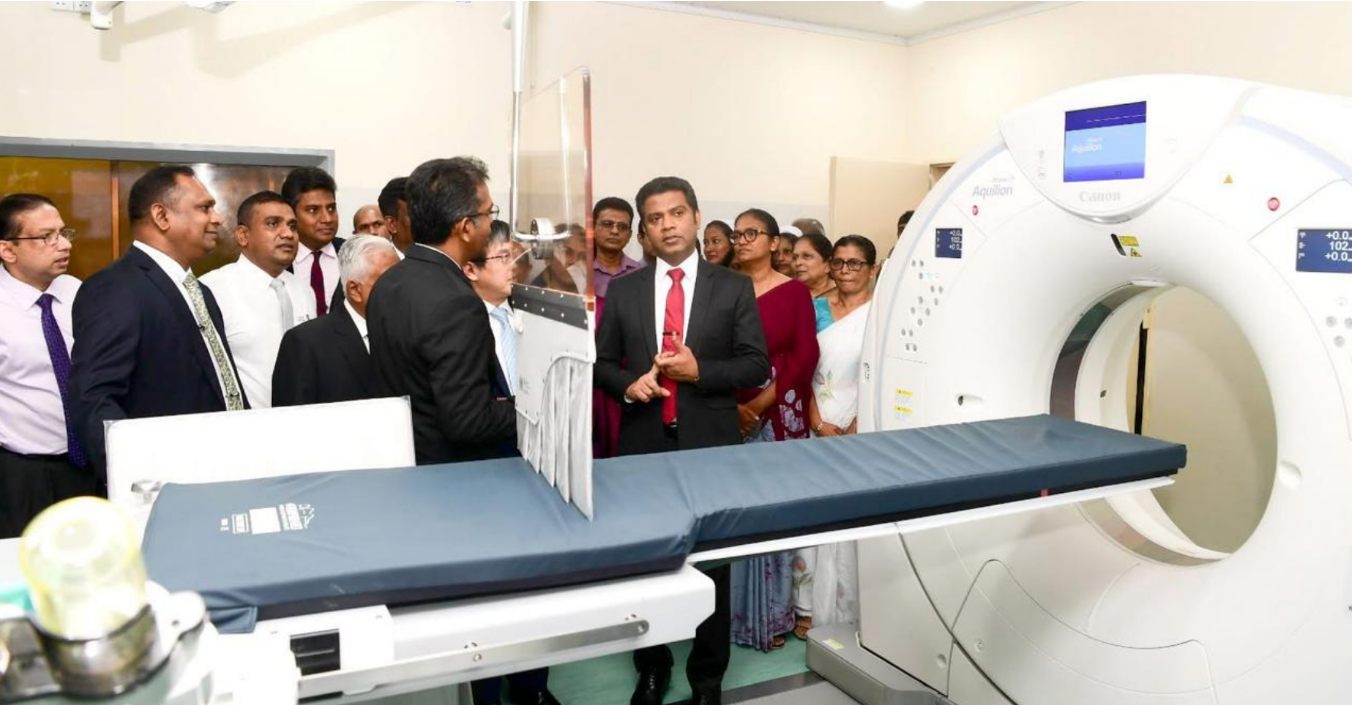
Sri Jayewardenepura General Hospital officially opened South Asia’s first 4D Angio CT unit, introducing a major advancement in Sri Lanka’s public and private healthcare system.

In addition, the hospital launched a modern dental unit equipped with ten advanced treatment chairs. These facilities significantly strengthen diagnostic and treatment capabilities within the national healthcare sector. The Government of Japan funded the project with a grant exceeding Rs. 1,000 million. This investment supports Sri Lanka’s efforts to modernize medical infrastructure and improve patient care services. Healthcare officials confirmed that the new technology allows doctors to perform faster and more accurate diagnoses. As a result, specialists can manage complex surgical procedures more safely and efficiently.Medical experts stated that the introduction of the 4D Angio CT system will improve treatment planning and clinical decision-making. Furthermore, the new imaging technology helps doctors detect conditions earlier and respond more effectively.

Authorities also emphasized that this milestone marks an important step forward in strengthening Sri Lanka’s advanced diagnostic imaging capacity across the region.

US Court Fines Meta $375M for Child Safety Violations,

A US court has ordered Meta to pay $375 million for harming children and exposing them to sexual exploitation on its platforms. The ruling comes after a six-week trial in New Mexico.

State officials accused Meta of failing to protect minors. The jury agreed that Meta prioritized profit over safety and violated sections of New Mexico’s Unfair Practices Act.

The court found that Meta misused children’s vulnerabilities and engaged in “unethical business practices.” The ruling marks the first time a US state has successfully sued Meta over child protection issues.

Meta, the parent company of Instagram, Facebook, and WhatsApp, faces multiple lawsuits regarding its platforms’ impact on youth mental health. The jury sided with the state’s arguments that Meta ignored safety concerns to increase profits.

During the trial, 40 witnesses testified, including whistleblowers. Lawyers reviewed hundreds of documents, reports, and emails.

Meta’s spokesperson rejected the ruling and announced plans to appeal. He stated, “We work hard to keep our users safe. Identifying and removing harmful content remains challenging, but we continue to improve our systems.”

New Mexico Attorney General Raúl Torrez filed the lawsuit in 2023 against Meta and CEO Mark Zuckerberg. Investigators created fake accounts of users under 14 to test platform safety. These accounts received sexual content and interacted with adults seeking such content, prompting multiple charges.

Torrez called the ruling a historic victory for children and families. He said, “Meta must now pay the price for placing profits above child safety. No tech company stands above the law.”

The trial’s second phase begins in May, where a judge will determine whether Meta must pay additional fines or implement further platform changes.

Meanwhile, a separate jury in California is examining Meta and YouTube over their impact on children. This case could influence thousands of similar lawsuits nationwide. Regulators are reviewing whether platforms intentionally designed features to engage young users.