

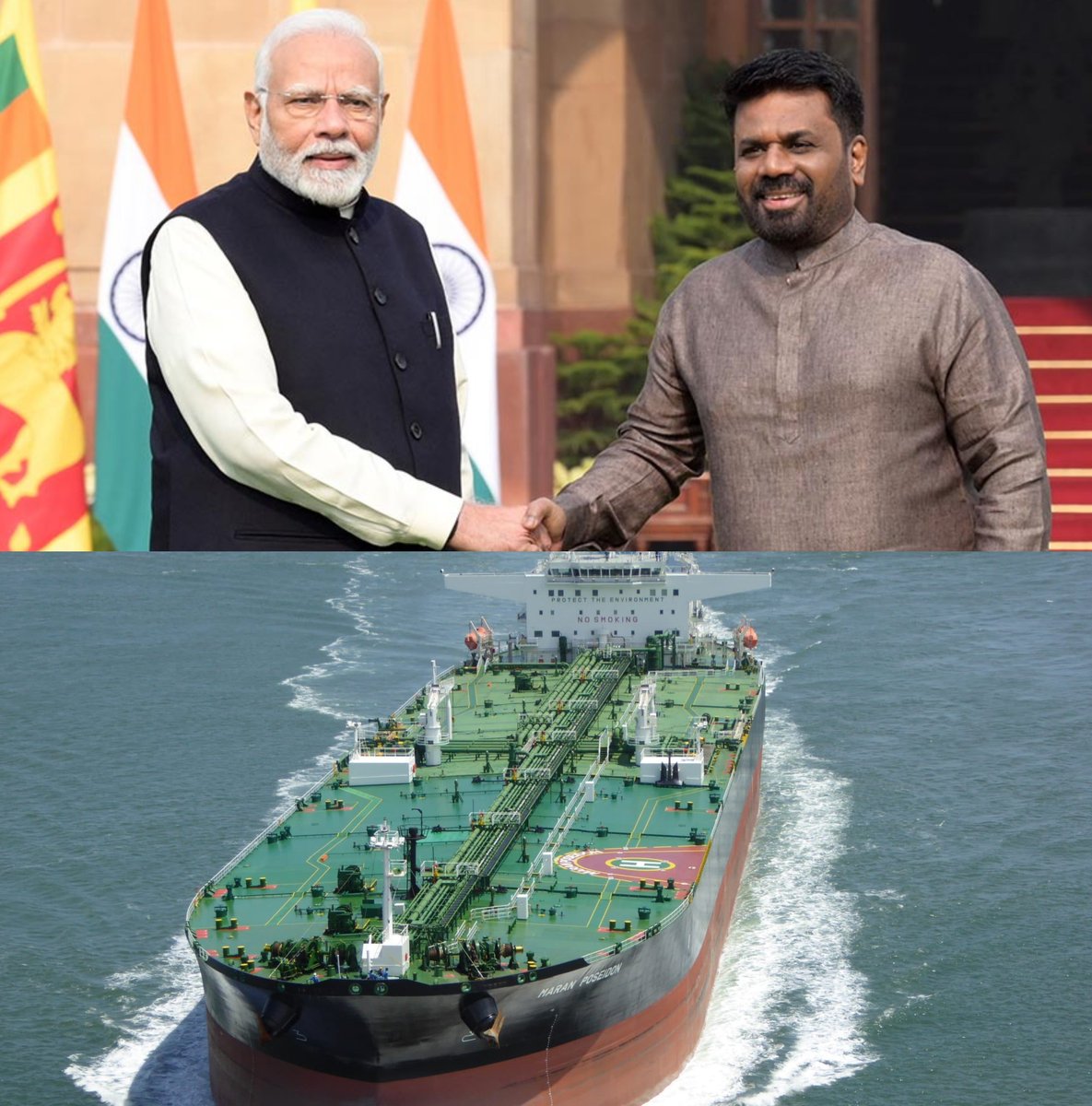
Sri Lanka Thanks India for Emergency Fuel Support.

Sri Lankan President Anura Kumara Dissanayake has officially thanked Indian Prime Minister Narendra Modi for providing urgent fuel support during the country’s ongoing supply challenges. The assistance comes at a crucial time as Sri Lanka continues to face disruptions caused by geopolitical tensions in the Middle East.

The President shared his gratitude through his official X (Twitter) account, highlighting India’s swift and timely response. He emphasized that the support played a key role in stabilizing the fuel supply situation and preventing further economic strain.

Earlier discussions between the two leaders focused on addressing Sri Lanka’s fuel distribution issues. Following these talks, India acted quickly and dispatched a fuel shipment to Colombo. As a result, approximately 38,000 metric tons of fuel successfully arrived in the country, providing immediate relief.

In addition, President Dissanayake extended his appreciation to Indian External Affairs Minister S. Jaishankar for coordinating the effort. He noted that strong diplomatic cooperation between Sri Lanka and India continues to play an important role in overcoming economic challenges.

Furthermore, this development highlights the growing regional partnership and reinforces India’s role as a key ally in times of crisis. It also reflects the importance of international cooperation in ensuring energy security and economic stability.
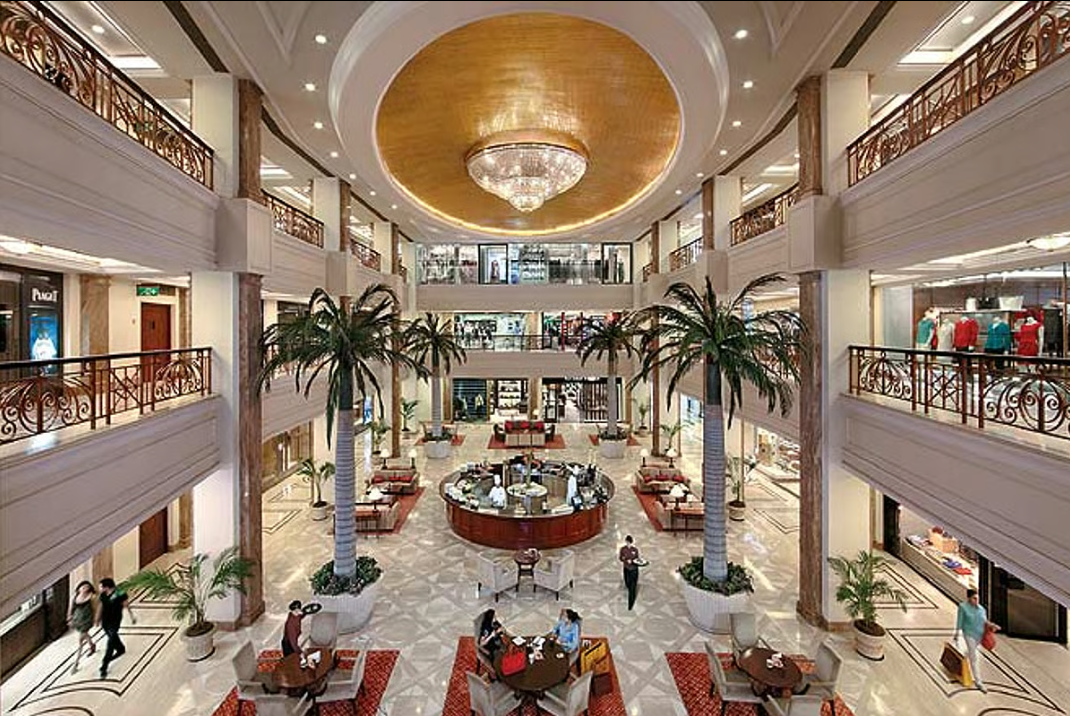
India’s Luxury Market Faces Mall Shortage

India’s luxury market is expanding rapidly, driven by rising disposable income and growing demand for premium products. However, the country faces a major challenge — a shortage of world-class luxury shopping malls. This infrastructure gap is slowing down the growth of the high-end retail sector.

Global brands such as Louis Vuitton, Gucci, and Dior are ready to expand their presence in India. They see strong potential in cities like Delhi, Mumbai, and Bengaluru. Yet, these brands struggle to find suitable retail spaces that meet international luxury standards.

Currently, most premium shopping malls in major Indian cities operate at full capacity. Retail spaces designed specifically for luxury brands remain limited. As a result, many international brands delay their entry or expansion plans in the Indian market.

The construction of new luxury malls has not kept pace with demand. High land costs and rising construction expenses have slowed down development projects. Developers also face regulatory challenges, which further delay new investments in premium retail infrastructure.

This shortage has created a clear infrastructure gap in India’s luxury ecosystem. Without sufficient high-end retail spaces, the country cannot fully benefit from its growing luxury market. Experts believe that improving infrastructure will unlock significant economic opportunities.

If India addresses this issue, it can attract more global brands, increase foreign investment, and strengthen its position in the global luxury market. The future of India’s luxury sector depends heavily on how quickly it can build world-class retail environments.